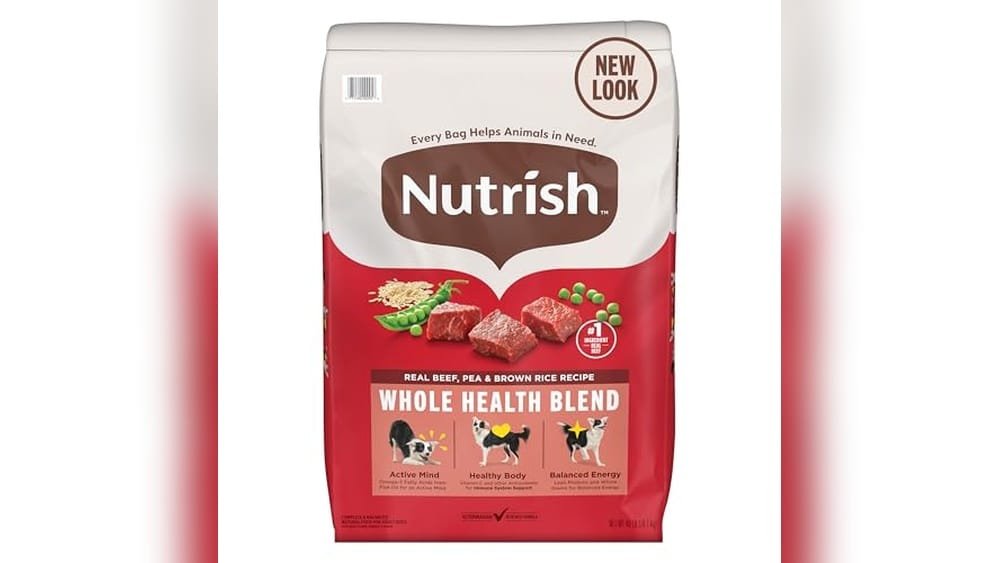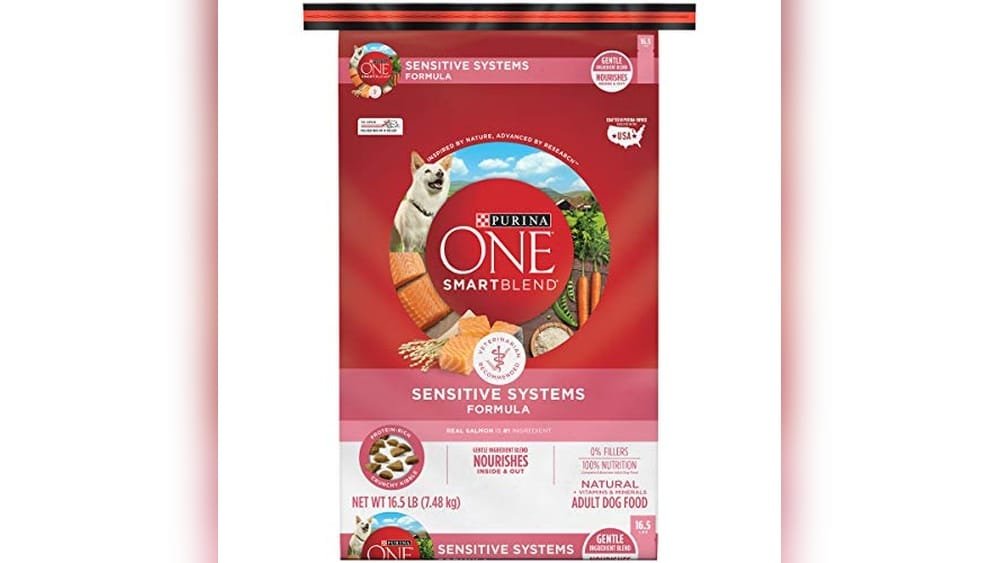

Every dog owner wants the best for their furry friend, and food is at the heart of your dog’s health. But many people don’t realize that how you store dry dog food is just as important as what brand you buy. Good storage keeps food fresh, protects against pests and mold, and makes sure your pet gets the nutrition they need every day. Bad storage can lead to spoiled food, waste, and even illness. For many busy owners, it’s easy to overlook the small details—like where to keep the bag or what container to use. But these choices matter, and understanding them can make a big difference for your dog’s well-being.
Let’s explore everything you need to know about storing dry dog food. You’ll learn about the best containers, common mistakes, how to spot bad food, and even how climate affects your choices. Whether you buy in bulk, have limited space, or live in a hot climate, you’ll get answers and practical tips for keeping every kibble safe and fresh.
Why Proper Storage Of Dry Dog Food Matters
Dry dog food is a staple in most homes because it’s convenient and lasts longer than wet food. But even dry food can spoil if not stored the right way. The main reasons for proper storage are:
- Preserving nutrition: Vitamins and fats in kibble break down when exposed to air, light, and heat.
- Preventing mold and bacteria: Moisture can cause mold and bacteria to grow, which can make your dog sick.
- Avoiding pests: Mice, insects, and even ants can get into poorly stored food.
- Reducing waste: Spoiled food means throwing away money and dealing with bad smells.
A 2021 study by the Pet Food Institute found that up to 20% of recalled pet food was linked to poor storage after purchase, not just manufacturing problems. It’s a hidden risk that owners can control with a few smart habits.
Understanding Dry Dog Food Shelf Life
Every bag of dry dog food comes with a “best by” date. This is not an expiration date, but it does tell you how long the food will keep its nutrition and taste if unopened and stored properly. Most dry dog food lasts 12 to 18 months from the manufacturing date. Once you open the bag, the clock starts ticking faster.
Several factors affect how long opened food stays good:
- Temperature: Room temperature (below 80°F / 27°C) is best.
- Exposure to air: More air means faster loss of freshness.
- Moisture: Even a little water can cause spoilage.
Here’s a quick look at shelf life for typical dry dog food:
| Condition | Expected Shelf Life |
|---|---|
| Unopened, cool/dry place | 12-18 months |
| Opened, sealed tightly | 4-6 weeks |
| Opened, loosely covered or open | 1-3 weeks |
| Exposed to moisture | Hours to a few days |
One thing many owners miss is that natural or grain-free kibbles often spoil faster because they use fewer preservatives.
Choosing The Right Storage Container
Not all containers are equal for dog food storage. Picking the wrong one can make food go stale or even dangerous. Here’s what to look for:
Material Matters
- Plastic containers: Choose food-grade, BPA-free plastic. It’s lightweight and affordable but can absorb odors if not cleaned well.
- Stainless steel: Durable, doesn’t absorb smells, and easy to clean. Often more expensive.
- Glass jars: Good for small amounts, but heavy and breakable.
- Original packaging: Some manufacturers design their bags to keep food fresh. You can place the entire bag inside a container.
Size And Design
The container should fit the amount of food you usually buy. A huge bin for a small dog’s food means the bottom kibbles sit for months and may spoil. Look for:
- Airtight seals: Keeps air and pests out.
- Easy to open/close: You’ll use it daily.
- Stackable or space-saving: Useful for small spaces.
Comparison: Popular Dog Food Storage Containers
| Container Type | Advantages | Disadvantages |
|---|---|---|
| Plastic bin (with gasket seal) | Affordable, lightweight, airtight | Can absorb odors if not cleaned |
| Stainless steel bin | Durable, easy to sanitize | Heavier, more costly |
| Glass jar | Non-porous, no odor transfer | Breakable, small capacity |
| Original bag inside bin | Extra protection, keeps label info | Bag may not reseal well |
Tip: Never use containers that once held chemicals, even if washed. Traces can harm your pet.
Where To Store Dry Dog Food
Location has a big impact on freshness and safety. The perfect spot is:
- Cool: Below 80°F (27°C), away from ovens or heaters.
- Dry: Away from bathrooms, laundry rooms, or garages that get damp.
- Dark: Direct sunlight speeds up spoilage.
Good Locations
- Inside a pantry or cupboard
- On a kitchen shelf away from appliances
- In a closet
Bad Locations
- Garage (often hot or cold)
- Porch or shed (exposed to temperature swings, pests)
- Bathroom or laundry area (high humidity)
If you live in a humid area, consider using a dehumidifier in your storage room to fight moisture.
How To Store Dog Food In The Original Bag
Many vets recommend keeping dry dog food in its original bag, even if you use a container. Here’s why:
- The bag is designed to block air and moisture.
- It has important info (lot number, expiration date) in case of recalls.
- It’s often coated inside to slow down fat breakdown.
To do this right:
- Roll the top of the bag closed tightly after each use.
- Use a clip or tape to seal it.
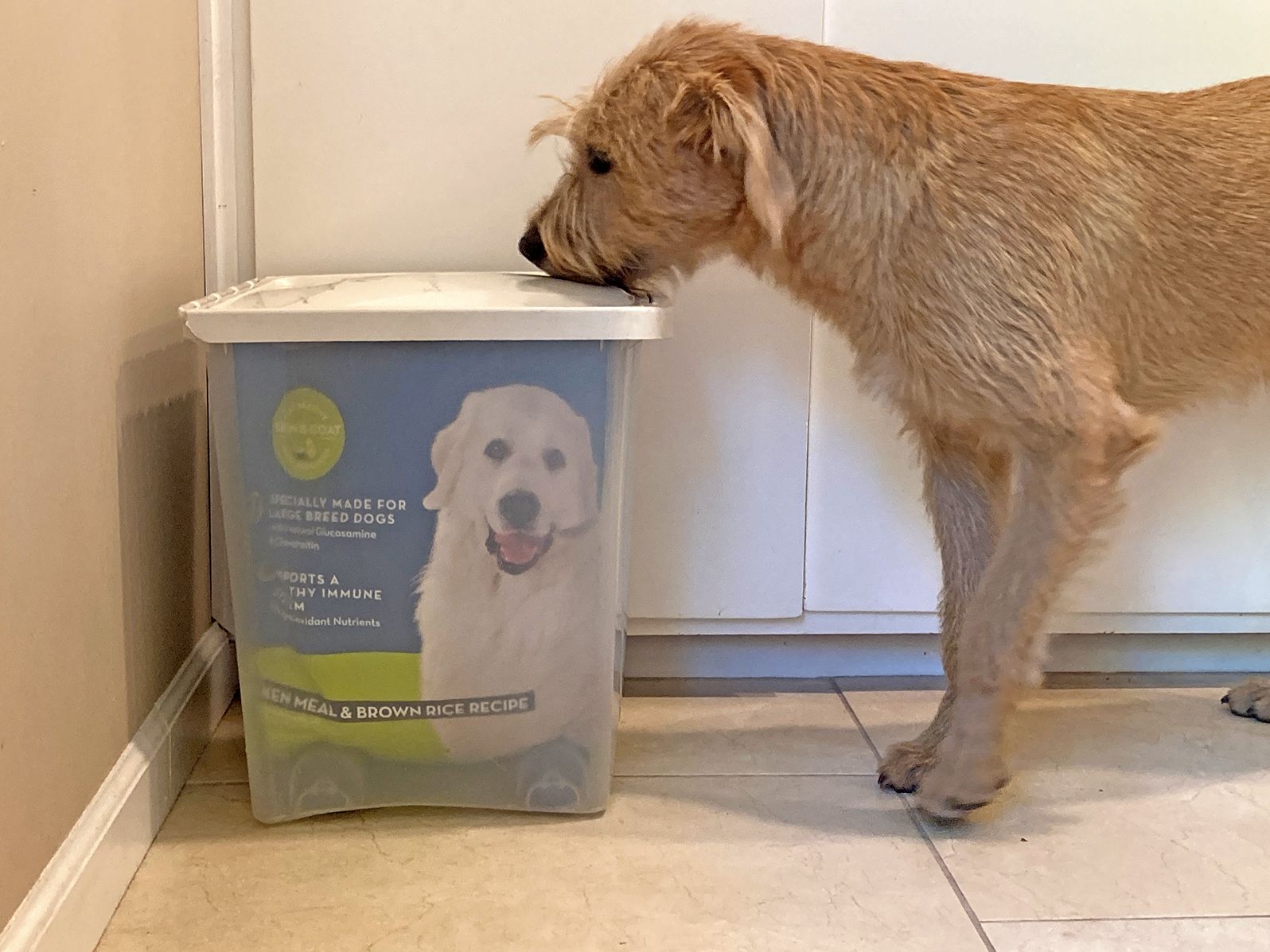
- Place the sealed bag inside an airtight container for extra protection.
If the bag is torn or damaged, transfer the food to a new container and keep the bag (or a photo of the label) for reference.
Mistakes People Make When Storing Dry Dog Food
Even caring owners sometimes make simple mistakes that lead to wasted food or sick pets. Some of the most common are:
1. Pouring Food Directly Into The Container
Oils and crumbs can stick to the container walls, causing rancid smells. Instead, put the entire bag inside if possible, or clean the container between refills.
2. Storing Food In A Hot Garage Or Car Trunk
High heat breaks down fats and vitamins, even if the food looks okay.
3. Forgetting To Close The Lid Tightly
A loose lid means more air, which speeds up staleness.
4. Not Using Food Within A Reasonable Time
If you buy a big bag for a small dog, the food at the bottom may be old by the time you reach it.
5. Ignoring The “best By” Date
Feeding expired food can cause stomach problems or worse.
6. Mixing New Food With Old
This can hide mold or bugs at the bottom.
A non-obvious mistake: using see-through containers in sunny spots. Light can spoil kibble quickly.
How To Tell If Dry Dog Food Has Gone Bad
Sometimes spoiled food looks and smells fine. Still, here are warning signs:
- Strong, sour, or rancid smell
- Greasy, sticky, or clumpy pieces
- Change in color or texture
- Presence of mold, webbing, or insects
- Dog refuses to eat it (especially if usually not picky)
If in doubt, throw it out. Dogs can get very sick from eating spoiled food, with symptoms like vomiting, diarrhea, and lack of energy.
How Long Can You Store Dry Dog Food After Opening?
Most brands recommend using opened dry dog food within 4 to 6 weeks. This is when the food is at its best. After that, it may lose vitamins and flavor or become stale. If you buy in bulk, only open one bag at a time and store the rest in a cool, dry place.
A trick for busy owners: write the date you opened the bag with a marker. This helps track freshness and avoid using food that’s too old.
Credit: www.whole-dog-journal.com
Bulk Buying: Is It A Good Idea?
Buying large bags of kibble can save money, but it’s not always best for freshness. Consider these points:
- Buy only what your dog can eat in 4 to 6 weeks
- If you have several dogs, larger bags may make sense
- For one small dog, smaller bags are safer—even if more expensive per pound
If you must buy in bulk (for example, special sales or limited availability), store unopened bags in a climate-controlled area. Avoid splitting one big bag into smaller ones unless you have clean, airtight containers.
Traveling Or Moving With Dry Dog Food
Traveling or moving presents special challenges. To keep your dog’s food safe:
- Pre-portion meals in small, airtight bags for short trips.
- For longer moves, use sturdy containers that seal tightly.
- Avoid leaving food in hot cars for long periods.
If flying, check airline rules. Some only allow sealed, original packaging.

Credit: www.sunshinepetstore.com
How Climate And Weather Affect Storage
Hot, humid, or cold climates all affect kibble differently.
- Hot areas: Speeds up spoilage and fat breakdown. Store food indoors, away from sun and appliances.
- Humid regions: Increases risk of mold. Use airtight containers and check for condensation.
- Cold climates: Freezing doesn’t usually hurt dry food, but rapid temperature changes can cause moisture to form.
If you live in an area with extreme weather, check your food more often for signs of spoilage.
How To Clean And Maintain Dog Food Storage Containers
A container may look clean but still hold oils and crumbs that can spoil new food. To keep things safe:
- Wash containers with hot, soapy water every time you refill them.
- Dry thoroughly before adding new food.
- Check for cracks or worn seals—replace if damaged.
A non-obvious insight: Do not “top off” old food with new food. Always empty and clean the container before refilling.
Pest Prevention Tips
Pests love dog food as much as dogs do. To stop them:
- Use airtight containers that pests can’t chew through.
- Store food off the floor, on a shelf or inside a cabinet.
- Clean up spilled kibble right away.
- Check for chew marks or small holes in bags and bins.
For serious pest problems, consider using food-safe diatomaceous earth around the storage area—it’s safe for pets but deadly to insects.
The Role Of Oxygen Absorbers And Desiccant Packs
Some owners add oxygen absorbers or desiccant packs to their dog food containers. These can help in very humid areas but are not usually needed for short-term home storage. If you do use them, make sure they are food-safe and never let your dog eat them.
Storing Dry Dog Food For Emergency Preparedness
Many pet owners keep extra food for emergencies (storms, disasters, supply chain problems). For long-term storage:
- Choose vacuum-sealed bags or mylar bags with oxygen absorbers.
- Store in a cool, dry, dark place.
- Rotate stock every 3 to 6 months to keep it fresh.
Never keep emergency food for more than a year, even if unopened.
How To Read Dog Food Labels For Storage Info
Manufacturers often print storage tips on the bag. Look for:
- “Best by” or “use by” date
- Storage instructions (“store in a cool, dry place”)
- Contact info in case of recalls or questions
Keep the label or take a clear photo after opening, especially if you transfer food to another container.
Comparing Dry Dog Food To Other Types For Storage
Dry food is easier to store than wet or raw food, but all types have pros and cons.
| Food Type | Typical Shelf Life | Storage Needs |
|---|---|---|
| Dry (kibble) | 12-18 months (unopened) | Cool, dry, airtight |
| Wet (canned) | 2-5 years (unopened) | Room temp, refrigerate after opening |
| Freeze-dried | 1-2 years | Sealed, cool, low humidity |
| Raw (frozen) | 6-12 months (frozen) | Freezer, use quickly after thawing |
If you switch between types, always check each one’s specific storage instructions.
Signs That Improper Storage Is Affecting Your Dog
Sometimes, storage mistakes show up in your dog’s health before you notice spoiled food. Watch for:
- Digestive upsets: Vomiting or diarrhea after eating
- Dull coat or itchy skin
- Refusing to eat food they used to like
- Unexplained weight loss
If you see these signs and suspect food spoilage, stop feeding the food and consult your vet.
Environmentally Friendly Storage Tips
If you want to reduce waste:
- Reuse containers made for food storage, not single-use plastic.
- Recycle empty bags if possible (some brands offer bag recycling).
- Buy the right bag size so you use up food before it spoils.
- Donate unused, unopened food before it expires.
When To Call Your Vet About Food Storage Issues
If you think your dog ate spoiled food and shows these symptoms:
- Severe vomiting or diarrhea
- Weakness or shaking
- Refusing all food and water
Call your vet right away. Some types of mold or bacteria in spoiled kibble can be life-threatening.
Trusted Resources For Dog Food Storage
For more details, visit the FDA Pet Food Safety page, which has up-to-date information about recalls, food safety, and storage guidelines.
Frequently Asked Questions
How Can I Keep Dry Dog Food Fresh The Longest?
Store it in its original bag inside an airtight container. Keep it in a cool, dry, dark place and use it within 4 to 6 weeks of opening. Avoid pouring new food on top of old food.
Is It Safe To Freeze Dry Dog Food?
Yes, you can freeze dry dog food for longer storage. Use airtight freezer bags and thaw only what you need. Let it return to room temperature before feeding to avoid moisture build-up.
Can I Use A Regular Plastic Bin For Dog Food?
Only if the bin is food-grade and has an airtight seal. Never use bins that once held chemicals or non-food items. Wash and dry between uses to prevent odor or oil build-up.
How Do I Know If My Dog’s Food Is Stale Or Spoiled?
Check for changes in smell, texture, or color. Watch for mold, webbing, or bugs. If your dog suddenly refuses the food, it may be a sign that something is wrong.
What Should I Do With Leftover Food If My Dog Doesn’t Finish It In Time?
If the food is still within the “best by” date and looks and smells fine, consider donating it to an animal shelter. Otherwise, dispose of it in a sealed bag to avoid attracting pests.
—
Keeping your dog’s food safe is about more than just buying the right brand. Smart storage keeps your pet healthy, saves money, and gives you peace of mind. With these simple, practical tips, you’ll never have to wonder if your dog’s next meal is as fresh as it should be.
Your dog trusts you—make every kibble count.

Credit: thepetlabco.com
We’re the dedicated team behind MyPawSafe.com, with over a decade of combined experience in veterinary care, pet emergency response, and animal behavior. While we prefer to let our work speak for itself, our mission is clear: to provide science-backed, vet-approved advice that helps pet owners prevent accidents and save lives.