Most dog owners want the best for their furry friends. Choosing the right dry dog food is one of the most important decisions you can make for your pet’s health. But with so many options on the market, it’s easy to get confused.
Many foods look healthy on the outside but hide unwanted ingredients that can harm your dog in the long run. This article will show you what ingredients to avoid in dry dog food, why they are bad, and how to spot them on labels.
By the end, you’ll feel confident picking food that keeps your dog healthy and happy.
Why Ingredients Matter In Dry Dog Food
Dog food isn’t just about filling your pet’s stomach. The right ingredients provide energy, support immunity, keep the coat shiny, and help dogs live longer. But the wrong ingredients can do the opposite. They can cause allergies, stomach upset, obesity, or even serious illnesses.
That’s why it’s important to know what goes into your dog’s bowl.
Many dry dog foods use fillers, artificial additives, and low-quality meat sources to cut costs. While these foods may look appealing or be easy on the wallet, they can cause more harm than good. Dogs need proper nutrition just like humans do, and cheap shortcuts in their diet can lead to health problems you might not notice at first. The key to good health starts with reading the label.
Common Problem Ingredients To Avoid
Some ingredients in dry dog food are worse than others. Here are the main ones you should watch out for:
1. Meat By-products And Meat Meal
Many brands use meat by-products or low-quality meat meal instead of real meat. By-products are the leftover parts of animals after the best cuts are removed. This can include feet, beaks, organs, or even feathers. Not only are these parts less nutritious, but their quality is often unknown.
Meat meal sounds better, but unless it names the specific animal (like “chicken meal”), it can come from any source. “Animal meal” or “meat meal” could include anything, even diseased or expired meat. These ingredients may not provide the protein your dog needs and can be hard to digest.
Key tip: Look for foods that list specific meats like “chicken” or “beef” as the first ingredient, not “meat by-product” or “animal meal.”
2. Artificial Colors
Artificial colors are added to make food look more appealing to humans, but dogs don’t care what color their food is. Ingredients like Red 40, Yellow 5, and Blue 2 are commonly used, but they offer no nutritional value and can cause allergies or even cancer in some animals.
Dogs with sensitive stomachs or skin problems may be especially affected. Artificial colors are completely unnecessary in dry dog food.
Non-obvious insight: Food companies often use colors to make batches look the same, even if ingredient quality changes.
3. Artificial Flavors
Like colors, artificial flavors are added to make the food taste better, not to add nutrition. These flavors can mask poor-quality ingredients and may even encourage overeating. Some artificial flavors are linked to allergies or stomach upset.
If a food uses real meat and whole ingredients, artificial flavors are not needed. Dogs naturally prefer the taste of real food.
4. Artificial Preservatives
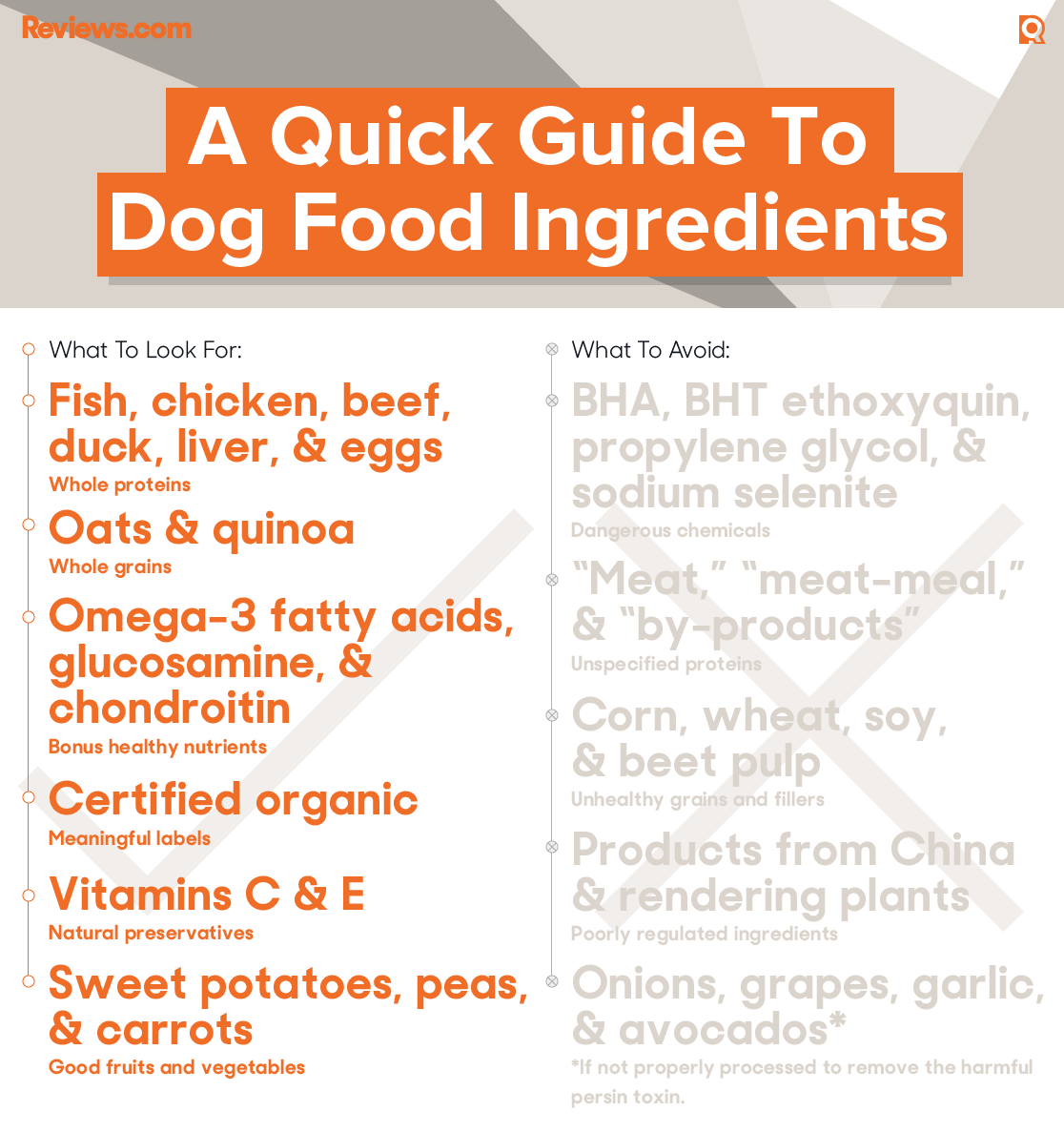
Dry dog food needs to last on the shelf, but not all preservatives are safe. Some common artificial preservatives include:
- BHA (Butylated Hydroxyanisole)
- BHT (Butylated Hydroxytoluene)
- Ethoxyquin
These chemicals have been linked to cancer and liver or kidney problems in dogs. Many countries have banned or restricted their use in human food, but they are still allowed in pet food in some places.
Practical tip: Safer preservatives include Vitamin E (often listed as “mixed tocopherols”) and Vitamin C.
5. Corn, Wheat, And Soy
Corn, wheat, and soy are cheap ingredients used as fillers. They offer little nutrition and are mainly used to bulk up food at a low cost. Dogs often have trouble digesting these grains, and they are common causes of food allergies.
Some signs your dog is sensitive to these ingredients include itching, ear infections, and chronic diarrhea. Some brands use “corn gluten meal” or “wheat middlings” to boost protein, but these are low-quality sources.
Important note: Not all grains are bad, but corn, wheat, and soy are overused and less nutritious than options like brown rice or oats.
6. Propylene Glycol
Propylene glycol is used to keep food moist and chewy, but it’s the same compound used in antifreeze. While the FDA allows small amounts in dog food, it can cause anemia and other health issues if eaten regularly.
Propylene glycol is banned in cat food because it’s even more dangerous for felines, but it’s still found in some dog foods. It’s best to avoid it altogether.
7. Sugar And Sweeteners
Added sugar, corn syrup, or other sweeteners have no place in dry dog food. Dogs don’t need sugar, and too much can lead to obesity, diabetes, or dental problems.
Some brands use sweeteners to make food tastier and cover up poor-quality ingredients. Always check the label for words like “sugar,” “fructose,” “dextrose,” or “molasses. ”
8. Rendered Fat
Rendered fat is often used for flavor, but the source is rarely named. It may come from dead, dying, or diseased animals and can carry harmful bacteria or toxins. Look for named fats like “chicken fat” or “salmon oil” instead.
9. Generic Animal Digest
Animal digest is a flavoring made from unspecific animal parts. The quality is unknown, and it can include anything from various animals. This ingredient is another way companies hide poor quality.
10. Cellulose
Some foods add cellulose as a source of fiber, but it’s often just wood pulp. Dogs don’t digest cellulose well, and it provides no nutrition. Whole ingredients like beet pulp or pumpkin are much better fiber sources.
11. Excess Salt
Salt is needed in small amounts, but too much can cause kidney issues and high blood pressure in dogs. Some foods add extra salt to improve taste, especially in cheaper brands.
If you see “salt,” “sodium chloride,” or “sea salt” high on the ingredient list, it could be too much for your dog’s health.
12. Pea Protein Concentrate
Pea protein concentrate is used to boost protein levels cheaply. While peas are not always bad, too much can throw off a dog’s nutrition balance and cause digestive issues. Some studies have linked high levels of peas and lentils to heart disease in dogs.
13. Monosodium Glutamate (msg)
MSG is added to make food taste better, but it can cause headaches and allergic reactions in sensitive dogs. Most quality foods do not use MSG.
14. Carrageenan
Carrageenan is a thickener from seaweed. Some studies suggest it may cause stomach inflammation or even cancer. While it’s more common in wet foods, it can appear in some dry foods too.
15. Sorbitol
Sorbitol is a sugar alcohol used as a sweetener and moisture agent. It can cause diarrhea and gas in dogs, especially in large amounts.
Reading Dog Food Labels: What To Watch For
Understanding the ingredient list is the first step to choosing safe food. Here’s how to spot red flags:
- Ingredients are listed in order by weight. The first few items make up most of the food.
- Named meats (“chicken,” “lamb”) should come first, not by-products or grains.
- Avoid foods with a long list of chemicals or words you can’t pronounce.
- Watch for hidden names. For example, “animal fat” or “meat meal” is vague, while “beef fat” or “chicken meal” is clear.
- Some additives, like “natural flavors,” may sound safe but can hide unwanted ingredients.
Common mistake: Trusting packaging claims alone. Terms like “premium” or “natural” are not regulated and don’t guarantee quality. Always check the ingredient list.
Comparing Good And Bad Ingredients
Here’s a side-by-side look at what you want and what you should avoid in your dog’s food:
| Preferable Ingredient | Ingredient to Avoid |
|---|---|
| Chicken | Meat by-product |
| Brown rice | Corn |
| Salmon oil | Animal fat |
| Pumpkin | Cellulose |
| Mixed tocopherols (Vitamin E) | BHA/BHT |
Credit: www.forbes.com
How These Ingredients Harm Your Dog
Many ingredients in dry dog food are not just low in nutrition—they can actually harm your dog’s health. Here’s how:
- Allergies and skin problems: Common with grains like wheat, fillers, or artificial additives.
- Digestive issues: Indigestible fillers, cellulose, and artificial additives can cause diarrhea, vomiting, or upset stomach.
- Obesity and diabetes: Sugar, sweeteners, and extra fat can lead to unhealthy weight gain and blood sugar problems.
- Kidney and liver stress: Excess salt, artificial preservatives, and unnamed animal fats can overload your dog’s organs.
- Cancer risk: Chemicals like BHA, BHT, and artificial colors have been linked to cancer in some studies.
Non-obvious insight: These problems often develop slowly. You might not see an issue after one meal, but over months or years, the damage adds up.
Real-world Examples: Ingredient Lists Compared
Let’s look at two sample ingredient lists. Which one would you choose?
| Dog Food A | Dog Food B |
|---|---|
| Chicken, brown rice, oats, chicken fat, salmon oil, carrots, peas, apples, vitamins (E, C), minerals | Corn, meat by-product, animal fat, wheat, cellulose, artificial color (Red 40), BHA, salt, sugar |
Dog Food A uses named meats, whole grains, and real vegetables. Dog Food B is full of fillers, artificial additives, and low-quality meat sources. Always look for foods closer to Dog Food A.
The Role Of Regulations And Pet Food Standards
Unlike human food, pet food rules can be less strict, especially in some countries. The AAFCO (Association of American Feed Control Officials) in the United States gives guidelines, but they don’t always ban harmful ingredients. Some chemicals allowed in pet food would never be allowed in baby food or even adult food.
That’s why it’s important for owners to be informed and not just trust the packaging. If you’re unsure, check if the food meets AAFCO standards, but use your own judgment about the ingredients.
Tips For Choosing Safe Dry Dog Food
Here’s how to find food that’s both safe and nutritious:
- Read the first five ingredients: They make up most of the food.
- Look for specific meats: “Chicken” or “beef,” not “meat by-product.”
- Avoid artificial colors, flavors, and preservatives: They add no nutrition and can cause harm.
- Skip sugar and sweeteners: Dogs don’t need them.
- Watch for fillers: Corn, wheat, and soy should not be main ingredients.
- Prefer natural antioxidants: Like Vitamin E or rosemary extract.
- Check for clear fat sources: “Chicken fat” is good, “animal fat” is not.
- Ask your vet: If you’re unsure, get professional advice.
- Monitor your dog’s health: If you see changes after switching foods (itching, diarrhea), reconsider the ingredients.
Practical tip: Some specialty stores or online sites have ingredient breakdowns and reviews from other pet owners.
Credit: www.shakesandcones.com
Table: Ingredient Red Flags And Why They Matter
Here’s a quick reference for common red flag ingredients and the risks they pose:
| Ingredient | Why Avoid | Possible Health Risks |
|---|---|---|
| Meat by-product | Unknown quality and source | Poor nutrition, allergies |
| BHA/BHT | Artificial preservative | Cancer, organ stress |
| Artificial color | No nutrition, allergy risk | Allergies, cancer |
| Corn | Low nutrition, common filler | Obesity, digestive upset |
| Propylene glycol | Moisture agent, toxic in large amounts | Blood disorders, toxicity |
| Animal digest | Unknown source | Allergies, poor nutrition |
What If My Dog Already Eats These Ingredients?
If you notice your dog’s food has these risky ingredients, don’t panic. Most dogs can handle small amounts, but it’s better to switch to a healthier option over time. When changing food, do it slowly—mix a little of the new food with the old, increasing the amount over a week.
This helps avoid stomach upset.
Watch your dog for signs of improvement. Many owners notice shinier coats, more energy, and better digestion after switching away from foods full of fillers and chemicals.
Common mistake: Switching foods too quickly. Dogs need time to adjust to new diets.
The Importance Of Age, Size, And Health Needs
Not all dogs have the same needs. Puppies, seniors, and dogs with health issues may need special diets. Large breeds have different requirements than small breeds. Always check with your vet if your dog has a health condition or if you’re unsure what food is best.
But the basic rules still apply: avoid fillers, cheap by-products, and artificial additives, no matter your dog’s age or size.
Trusted Resources For Pet Owners
It’s easy to get lost in marketing claims and confusing labels. Look for advice from veterinarians, certified pet nutritionists, or trusted organizations. The American Kennel Club and Pet Food Institute provide helpful information. For in-depth ingredient explanations, WebMD offers a detailed guide.
Credit: www.rukije.org
Frequently Asked Questions
What Is The Most Important Ingredient To Avoid In Dry Dog Food?
The most important ingredient to avoid is meat by-product or generic meat meal. These are low-quality protein sources with unknown origins, and they can carry health risks. Always look for foods with named meats, such as “chicken” or “beef,” as the first ingredient.
Why Is Corn Bad In Dry Dog Food?
Corn is used as a cheap filler and offers little nutrition for dogs. Some dogs are also allergic to corn, leading to skin issues and digestive problems. It’s best to choose foods with whole grains or vegetables instead.
How Can I Tell If My Dog Food Has Artificial Preservatives?
Check the ingredient list for chemicals like BHA, BHT, or ethoxyquin. These are common artificial preservatives. Choose foods that use natural antioxidants, such as Vitamin E (listed as “mixed tocopherols”) or Vitamin C.
Are Grains Always Bad For Dogs?
Not all grains are harmful. Grains like brown rice or oats can be part of a healthy diet. The problem is with cheap grains like corn, wheat, and soy, which are less nutritious and more likely to cause allergies.
What Should I Do If My Dog Has A Food Allergy?
If you suspect a food allergy, talk to your vet. They may suggest an elimination diet to find out which ingredient is causing the problem. Switching to food with limited, high-quality ingredients can help manage allergies.
—
Choosing the right dry dog food takes a little extra time, but it’s worth it for your dog’s health. By learning to spot and avoid harmful ingredients, you’re giving your pet a better chance for a long, happy life. Remember to check labels, ask questions, and always put nutrition first.
Your dog will thank you every day with energy, a shiny coat, and a wagging tail.
We’re the dedicated team behind MyPawSafe.com, with over a decade of combined experience in veterinary care, pet emergency response, and animal behavior. While we prefer to let our work speak for itself, our mission is clear: to provide science-backed, vet-approved advice that helps pet owners prevent accidents and save lives.