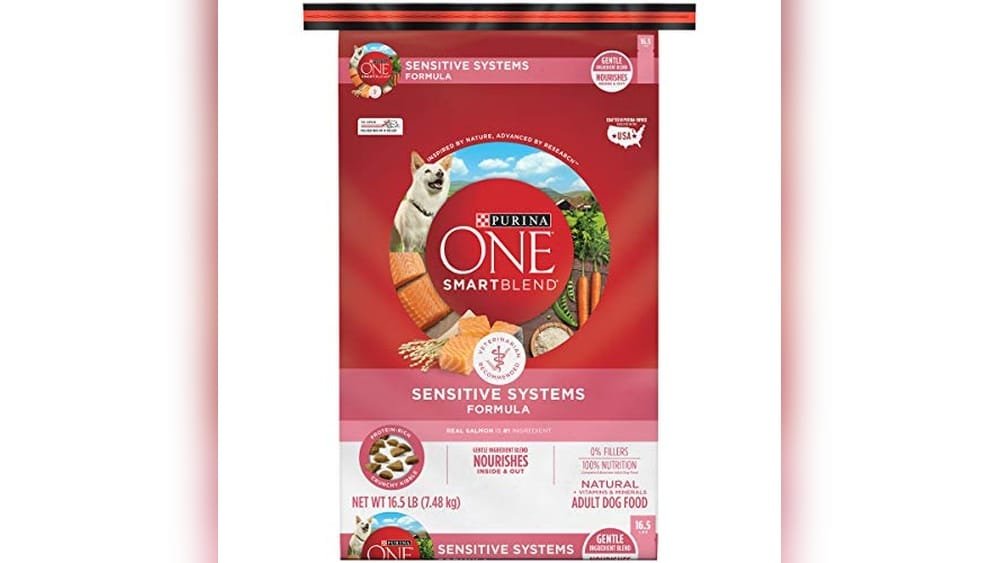

Every dog owner wants their furry friend to be happy and healthy. But when your dog starts having stomach problems or skin issues, it can be confusing to know what to do. Two types of special diets often come up: limited ingredient dog food and sensitive stomach dog food. These foods are made for dogs with digestive problems or allergies, but they are not the same. Choosing between them is important for your dog’s comfort and health.
Many pet owners struggle to pick the right type. Some think both foods are similar, but they work in different ways. If you make the wrong choice, your dog might still have problems like vomiting, diarrhea, itching, or gas. This article will help you understand what makes each food special, how they compare, and how to decide what is best for your dog.
By the end, you’ll know how each food works, what ingredients matter, and how to spot mistakes other owners make. You’ll also see real examples, expert advice, and answers to common questions. This guide is designed to help you feel confident, even if you’re not an expert in dog nutrition.
What Is Limited Ingredient Dog Food?
Limited ingredient dog food is made with a small number of ingredients. The main goal is to reduce the risk of food allergies or sensitivities in dogs. These diets usually have:
- One type of animal protein (like lamb, duck, or salmon)
- One or two carbohydrate sources (such as rice, potato, or peas)
- Few or no artificial colors, flavors, or preservatives
Most limited ingredient foods skip common allergens like beef, chicken, dairy, soy, wheat, and corn. This makes it easier to figure out what is causing your dog’s problems.
Why Use Limited Ingredient Food?
This type of food is good for dogs that have:
- Chronic itchy skin or hot spots
- Ear infections that keep coming back
- Ongoing diarrhea or vomiting
- Hair loss from scratching
Often, a vet will suggest limited ingredient food as a type of elimination diet. That means you feed your dog only this simple food for weeks. If symptoms improve, you add other foods one by one to see what causes the reaction.
How Limited Ingredient Diets Help
Dogs can be allergic or sensitive to many different proteins or grains. By choosing a simple diet, you can avoid ingredients that cause:
- Allergies (immune reaction)
- Food intolerance (trouble digesting certain foods)
- Upset stomach or poor stool quality
For example, if your dog is allergic to chicken, you can pick a food with only duck and rice. If symptoms go away, you know chicken was the problem.
Common Ingredients
Some limited ingredient foods use novel proteins—meats your dog has never eaten, like venison or kangaroo. This makes reactions less likely. Common carbohydrates include sweet potato, brown rice, or oats.
What Makes A Food “limited Ingredient”?
There’s no legal rule for how many ingredients a food can have to be “limited. ” Most use 5–10 main ingredients, but always check the label. Some brands add vitamins and minerals, but focus on the main protein and carb sources.
Non-obvious insight: Some owners forget to check treats and table scraps. Even if the main food is limited ingredient, giving your dog chicken-flavored treats will ruin the diet trial.
What Is Sensitive Stomach Dog Food?
Sensitive stomach dog food is made for dogs with digestive problems like vomiting, diarrhea, or gas. But unlike limited ingredient diets, these foods are not always made for allergies. Instead, they focus on being gentle and easy to digest.
How Sensitive Stomach Foods Work
These diets often use:
- Easily digestible proteins (like turkey or fish)
- Simple, gentle carbohydrates (rice or oatmeal)
- Added fiber to help stool quality
- Prebiotics or probiotics to support gut health
- Lower fat content to reduce digestive stress
Sensitive stomach foods are often lower in fat and free from rich, spicy, or greasy ingredients. They avoid too much fiber, artificial colors, or heavy grains that might upset a weak stomach.
Who Should Use Sensitive Stomach Food?
Sensitive stomach formulas help dogs that have:
- Occasional or mild diarrhea
- Vomiting after meals
- Bad gas or bloating
- Changes in appetite or stool when stressed
This food is not always for allergies. Some dogs just have delicate digestion and need simple, gentle food.
Common Ingredients
These diets often include:
- Chicken or turkey (in small amounts, if tolerated)
- Rice, oatmeal, or barley
- Beet pulp for gentle fiber
- Fish oil for skin and coat
- Probiotics (live good bacteria)
But not all sensitive stomach foods are the same. Some are good for mild problems, others are made for more severe issues.
Non-obvious insight: Sensitive stomach foods may still include common allergens like chicken or beef. If your dog has true food allergies, these foods might not help.

Credit: chuckanddons.com
Key Differences: Limited Ingredient Vs Sensitive Stomach Dog Food
It’s easy to mix up these two types of food, but their goals and ingredients are not the same. Here is a simple comparison:
| Feature | Limited Ingredient | Sensitive Stomach |
|---|---|---|
| Main Purpose | Reduce allergies or sensitivities | Ease digestion, reduce GI upset |
| Number of Ingredients | Very few (often 5–10) | Can be more, but all are gentle |
| Protein Sources | Often novel (lamb, duck, fish) | Usually common, but easy to digest |
| Carbohydrate Sources | Simple, usually one type | Gentle, may include more than one |
| Allergen-Free | Yes, avoids common triggers | Not always (can include chicken, beef) |
| Extra Ingredients | Few, only essential vitamins/minerals | Often added prebiotics, fiber, omega oils |
| Who Needs It? | Dogs with allergies, skin, ear, GI problems | Dogs with mild/mystery stomach upset |
Key point: Limited ingredient food is about finding and avoiding triggers. Sensitive stomach food is about soothing and supporting digestion.
When To Choose Limited Ingredient Dog Food
Not all stomach problems are the same. Here’s when limited ingredient food is the better choice:
- Skin or ear problems: If your dog is licking, scratching, or has red, inflamed ears, food allergy is likely.
- Chronic GI symptoms: Ongoing diarrhea, vomiting, or poor stools that don’t get better with sensitive stomach food.
- Suspected food intolerance: If you see symptoms after eating chicken, beef, dairy, or grains.
- After trying other foods: If regular and sensitive stomach diets don’t work, a limited ingredient diet can help identify the cause.
Example
Lucy, a 3-year-old Labrador, had red itchy skin and loose stools for months. The vet switched her to a salmon and potato limited ingredient diet. Within 3 weeks, her symptoms improved. Later, when chicken was added back, her symptoms returned.
The limited ingredient diet helped find the trigger.
Practical tip: Always change food slowly. Switch over 7–10 days to avoid more stomach upset.
When To Choose Sensitive Stomach Dog Food
Sensitive stomach food is a good option if:
- Your dog has mild, occasional stomach issues: Like vomiting once a week or soft stools after excitement.
- There is no clear pattern: The symptoms come and go, not linked to one food.
- Your dog is a breed known for sensitive digestion: Such as Yorkies, Boxers, or Greyhounds.
- Your vet rules out allergies: Basic tests show no skin or ear problems.
Example
Max, a 5-year-old Shih Tzu, had gas and loose stools after eating fatty treats or table scraps. Switching to a sensitive stomach formula with rice and turkey fixed the problem. There were no allergy symptoms, just simple digestive upset.
Expert advice: If symptoms get worse or last more than 2 weeks, see your vet. Sensitive stomach food is not a cure for serious problems.
How To Transition To A New Food
Changing your dog’s food too quickly can cause more problems. Here’s how to do it safely:
- Start slow: Mix 25% new food with 75% old food for 2–3 days.
- Increase gradually: Move to 50/50 for 2–3 days, then 75/25 for another 2–3 days.
- Watch for symptoms: Diarrhea, vomiting, or refusal to eat means slow down or stop.
- Give only one new food: Don’t add new treats or table scraps during the switch.
Pro tip: Write down what your dog eats and note any changes in skin, coat, stool, or behavior.
Common Buyer Mistakes
Picking food for a sensitive dog is not always simple. Many owners make these mistakes:
- Choosing by brand, not ingredients: A food labeled “sensitive stomach” might have chicken or corn, which your dog can’t handle.
- Switching foods too often: Changing foods every week can make stomach problems worse.
- Not reading the label: Some foods have long lists of hidden ingredients.
- Ignoring treats and chews: These can contain allergens or hard-to-digest ingredients.
- Expecting instant results: It can take 2–4 weeks for symptoms to improve.
- Not talking to your vet: Some problems need medical treatment, not just a new food.
Non-obvious insight: Some prescription sensitive stomach foods contain hydrolyzed protein. This means the protein is broken down so the immune system does not react. Regular sensitive stomach foods do not do this.
Ingredient Comparison: What Really Matters
Let’s look at how the top ingredients differ in these diets.
| Ingredient Type | Limited Ingredient | Sensitive Stomach |
|---|---|---|
| Protein | Novel (e.g., duck, venison, fish) | Common, easily digested (chicken, turkey) |
| Carbohydrate | Single source (potato, rice) | Usually rice, barley, oatmeal |
| Fiber | Usually low, sometimes added pea fiber | Moderate, often beet pulp for stool quality |
| Fats | Fish oil or canola oil for skin/coat | Low to moderate, easily digested fats |
| Additives | Minimal (just vitamins, minerals) | May have prebiotics, probiotics, omega-3s |
Key detail: Limited ingredient diets focus on simplicity and avoiding triggers. Sensitive stomach diets focus on gentle, digestible ingredients and gut health.

Credit: www.slobberbones.com
Reading Labels: What To Look For
Dog food labels can be confusing. Here’s how to spot the right food:
- Check the first three ingredients. If your dog is allergic to chicken, make sure it’s not in the top three.
- Look for a single protein source. If you see “chicken meal, beef meal, and fish meal,” it’s not limited ingredient.
- For sensitive stomach food, check for prebiotics (like chicory root or FOS) and fiber (beet pulp, pumpkin).
- Avoid foods with artificial colors, flavors, or fillers.
- If you’re not sure about an ingredient, look it up or ask your vet.
Practical tip: Some foods use terms like “natural” or “holistic,” which are not regulated. Always check the actual ingredients.
Real-world Examples
Let’s look at two dogs with different needs.
Case 1: Allergy Dog
Bella, a 6-year-old Golden Retriever, had red, itchy skin and ear infections. Her owner tried sensitive stomach food but saw no change. The vet suggested a lamb and rice limited ingredient diet. Within 4 weeks, Bella’s symptoms improved. Later, chicken was added, and the symptoms returned. The limited ingredient diet was the solution.
Case 2: Digestive Sensitivity
Cooper, a 4-year-old Beagle, had loose stools and gas after eating fatty treats. He had no skin or ear problems. The owner switched to a sensitive stomach formula with rice and turkey. Within days, his stool improved and gas disappeared.
Lesson: The right choice depends on your dog’s symptoms. Not all dogs with stomach problems have allergies, and not all need a limited ingredient diet.
What To Ask Your Vet
It’s smart to talk to your vet before switching foods. Here are good questions to ask:
- Is my dog’s problem likely an allergy or just mild digestive upset?
- Should we try an elimination diet with limited ingredients?
- Are there any tests to rule out other health issues?
- How long should we try the new food before judging results?
- Should we add supplements like probiotics or omega oils?
Cost And Availability
Both types of food are widely available, but prices can vary.
- Limited ingredient diets are often more expensive. Novel proteins cost more, and some are only sold by prescription.
- Sensitive stomach foods are easier to find in pet stores and sometimes cost less.
Don’t choose by price alone. The best food is the one that works for your dog.
Homemade Diets: Are They Safe?
Some owners want to cook for their dogs, hoping to control every ingredient. This can work, but there are risks:
- It’s easy to miss important nutrients like calcium, zinc, or vitamins.
- Dogs need balanced diets—too much meat or carbs can cause other problems.
- Always get a recipe from a vet nutritionist.
Expert warning: Homemade diets are not safer unless carefully planned. Most vets suggest using commercial limited ingredient or sensitive stomach foods first.
How To Monitor Your Dog’s Progress
When you change foods, write down:
- Daily stool quality (firm, soft, color)
- Any vomiting or gas
- Skin and coat condition
- Energy and appetite
Most improvements take 2–4 weeks. If things get worse, stop and call your vet.
Pro insight: Some symptoms can get worse before they get better, especially in allergy dogs. Stick with the new food for at least 3–4 weeks unless your dog is very sick.
Popular Brands And Product Examples
Here are some top options in each category (always check ingredients for your dog’s needs):
Limited Ingredient Brands:
- Natural Balance L.I.D.
- Blue Buffalo Basics
- Hill’s Prescription Diet z/d (hydrolyzed)
- Wellness Simple
- Merrick Limited Ingredient Diet
Sensitive Stomach Brands:
- Hill’s Science Diet Sensitive Stomach & Skin
- Purina Pro Plan Sensitive Skin & Stomach
- Royal Canin Gastrointestinal Low Fat
- Iams ProActive Health Sensitive Stomach
- Nutro Wholesome Essentials Sensitive Support
Always ask your vet before switching to prescription formulas.
The Role Of Probiotics And Prebiotics
Many sensitive stomach foods add probiotics (good bacteria) and prebiotics (fiber that feeds bacteria). These help balance your dog’s gut, reduce gas, and improve stool.
- Probiotics: Enterococcus faecium, Lactobacillus, Bifidobacterium
- Prebiotics: Chicory root, FOS, MOS
Not all dogs need these, but they can help if your dog has mild digestive issues.
Non-obvious insight: Some probiotics are killed by heat during dog food processing. Look for “added after cooking” on the label.

Credit: wiseguysbarbershops.com
How To Tell If The Food Is Working
Success signs include:
- Fewer or no episodes of vomiting or diarrhea
- Better stool quality (firm, brown, easy to pick up)
- Less gas and bloating
- Healthier skin and coat
- Less scratching or licking
If you see no change in 4 weeks, or things get worse, talk to your vet.
When To See A Specialist
If symptoms don’t improve with diet changes, or if your dog is losing weight, has blood in stool, or acts very sick, see a veterinary specialist. Your dog may need special tests, prescription diets, or medicine.
Resources For More Information
For detailed info on pet food labeling and allergies, see the FDA Pet Food Label Guide.
Frequently Asked Questions
What Is The Main Difference Between Limited Ingredient And Sensitive Stomach Dog Food?
Limited ingredient food has very few ingredients to avoid allergies and find triggers. Sensitive stomach food is made to be easy to digest but may contain more ingredients and common proteins.
Can I Switch My Dog From Sensitive Stomach Food To Limited Ingredient Food?
Yes, you can switch if your dog’s symptoms don’t improve with sensitive stomach food. Make the change slowly over 7–10 days and watch for any problems.
How Long Does It Take To See Results After Changing Foods?
Most dogs show improvement in 2–4 weeks. For allergies, it can take up to 8 weeks to see full benefits. Write down your dog’s symptoms to track progress.
Are Grain-free Diets Better For Sensitive Dogs?
Not always. Some dogs are sensitive to grains, but many do well with rice or oats. Grain-free diets are only needed if your vet suspects a grain allergy.
Can I Give Treats While On A Limited Ingredient Or Sensitive Stomach Diet?
It’s best to stop all treats during a diet trial. If you must give treats, use only those with the same protein and carb as your dog’s main food.
Choosing the right dog food is not always easy, but with careful observation, label reading, and help from your vet, you can find the best diet for your dog’s unique needs. Remember, every dog is different. Patience and attention to detail will help your dog feel better and live a happier, healthier life.

We’re the dedicated team behind MyPawSafe.com, with over a decade of combined experience in veterinary care, pet emergency response, and animal behavior. While we prefer to let our work speak for itself, our mission is clear: to provide science-backed, vet-approved advice that helps pet owners prevent accidents and save lives.