Many dog owners want the best for their furry friends, but with so many dry dog food brands on the market, it’s easy to feel lost. The packaging is full of promises: “natural,” “premium,” “grain-free,” and more. But what really matters for your dog’s health? How can you tell if your dry dog food is truly good quality, or just clever marketing? Picking the right food is important because it affects your dog’s energy, coat, digestion, and even their lifespan.
Let’s dig deep into what makes dry dog food high quality, how to read the label, what ingredients to look for, and what red flags to avoid. By the end of this guide, you’ll have the confidence to judge any dry dog food bag and make smart choices for your dog’s well-being.
What Does “good Quality” Dry Dog Food Mean?
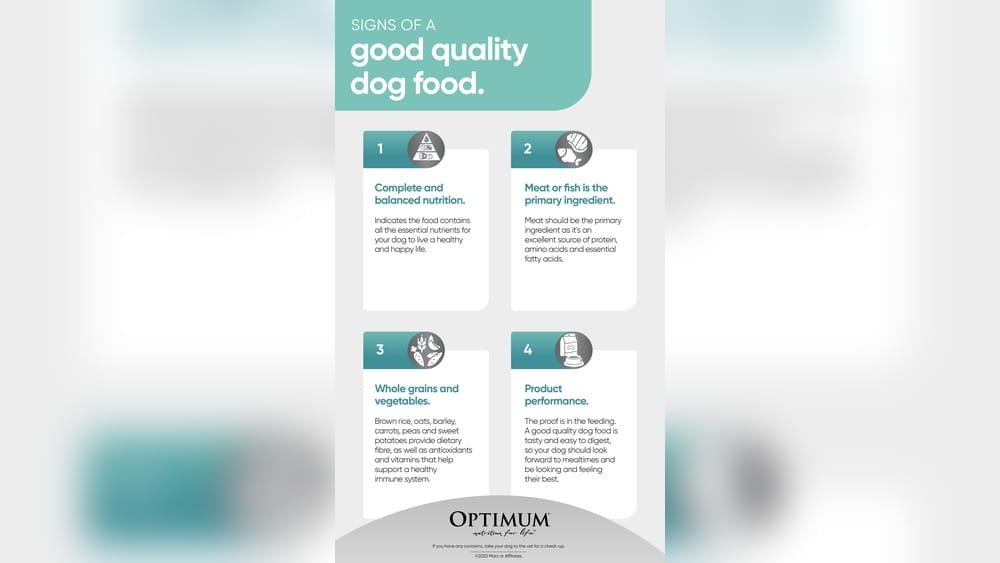
Before you can choose the best dry dog food, you need to know what “good quality” really means. In simple terms, good quality dry dog food supports your dog’s health, matches their needs, and uses safe, nutritious ingredients.
Good quality dry dog food should:
- Provide complete and balanced nutrition
- Use high-grade, safe ingredients
- Avoid harmful chemicals or fillers
- Match your dog’s life stage, size, and activity level
A food that ticks these boxes helps your dog stay active, have a shiny coat, and avoid common health problems. It may even prevent issues like obesity, skin allergies, or digestive troubles.
Reading And Understanding The Dog Food Label
The first step to judging dry dog food quality is learning how to read the label. Labels can look confusing, but they have important clues about what’s inside.
Key Parts Of The Label
- Ingredient List: Shows all ingredients, in order by weight.
- Guaranteed Analysis: Lists protein, fat, fiber, and moisture percentages.
- Nutritional Adequacy Statement: Explains if the food meets standards for a certain life stage (like puppy or adult).
- Feeding Guidelines: Suggests how much to feed your dog.
- Manufacturer Information: Tells you who made the food.
Tip: The first five ingredients usually make up most of the food. Pay close attention to these.
How To Spot Quality From The Ingredient List
A high-quality dry dog food will list real meat (like chicken, beef, or lamb) as the first ingredient. Whole grains, vegetables, and named fats are good signs. Avoid foods where the first ingredient is a by-product, corn, or wheat.
For example:
- Good: Chicken, brown rice, barley, chicken meal, oats
- Not as good: Corn, chicken by-product meal, wheat, animal fat, soy
Non-obvious insight: “Meal” (like chicken meal) can be a good source of protein. It just means the water was removed, making it more concentrated.
Guaranteed Analysis: What Do The Numbers Mean?
The guaranteed analysis shows how much protein, fat, fiber, and moisture are in the food. Compare these numbers to your dog’s needs. For most adult dogs, a protein content of 20-30% and fat of 10-18% is ideal. Puppies and very active dogs need more protein and fat.
Low-quality foods often have lots of carbohydrates and low protein.
Nutritional Adequacy: Why It Matters
Look for a statement like: “Formulated to meet the nutritional levels established by the AAFCO Dog Food Nutrient Profiles for maintenance of adult dogs.”
This means the food is complete and balanced for your dog’s life stage. Avoid foods that say “for intermittent or supplemental feeding only,” as these are not for long-term use.
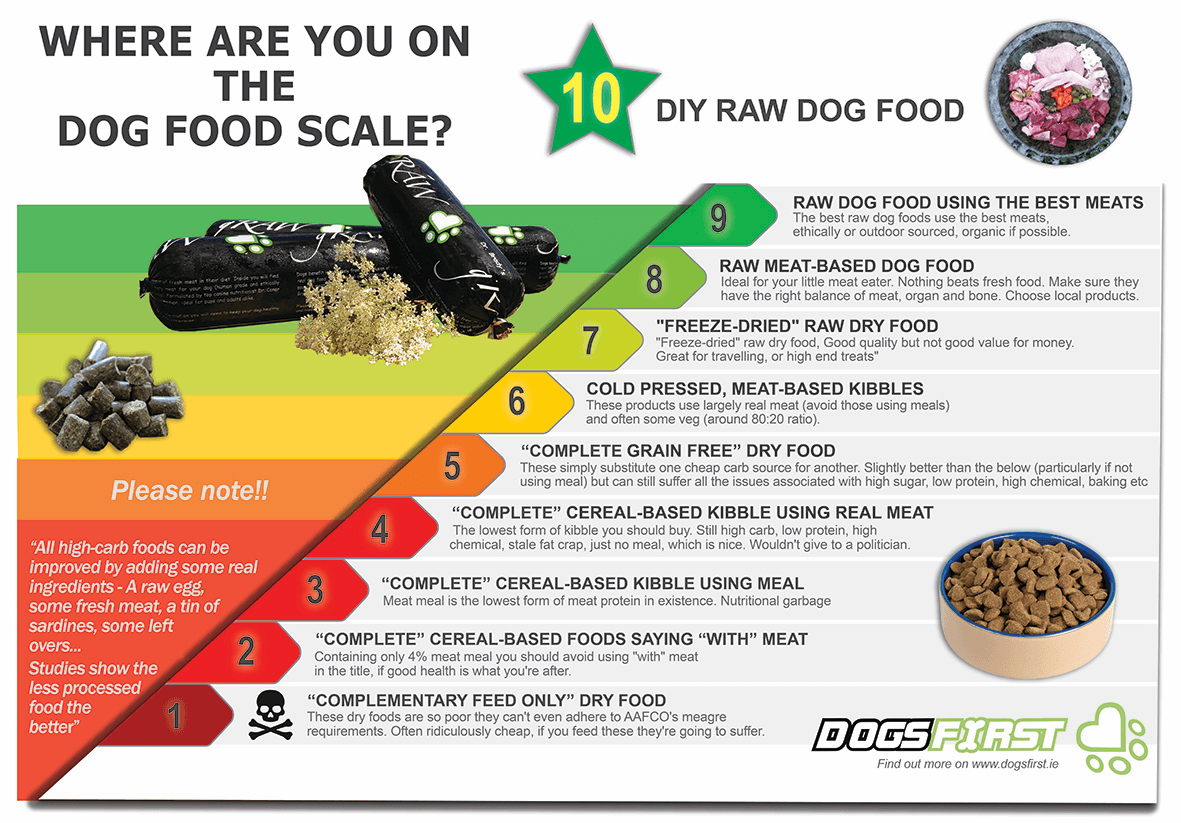
Credit: dogsfirst.ie
Ingredients: What To Look For
Picking the right ingredients is at the heart of choosing good dry dog food. Let’s break down what to look for and why each matters.
High-quality Protein Sources
Dogs need protein for muscle, immune health, and energy. The best foods use named meats (like chicken, beef, or salmon), not vague terms like “meat meal” or “animal by-products.”
Examples of good protein sources:
- Chicken
- Beef
- Salmon
- Turkey
- Lamb
- Duck
Look for these high up in the ingredient list.
Non-obvious insight: Some “grain-free” foods use peas or lentils as the main protein. While these are not harmful, they may not provide all the amino acids your dog needs, so variety is important.
Carbohydrates: Good Vs. Bad
Carbohydrates are not bad for dogs, but quality matters. Whole grains like brown rice or oats give energy and fiber. Avoid foods that use lots of corn, wheat, or soy, which are often cheap fillers.
Good carbs:
- Brown rice
- Oatmeal
- Sweet potatoes
- Barley
- Peas (in moderation)
Fats And Oils
Fats provide energy and help your dog absorb vitamins. Look for named fats, like chicken fat or salmon oil. These are rich in omega-3 and omega-6 fatty acids, which are good for skin and coat.
Avoid “animal fat” or “vegetable oil” without details—they can be lower quality.
Fruits And Vegetables
Fruits and vegetables add vitamins, minerals, and antioxidants. Good foods may include:
- Blueberries
- Carrots
- Spinach
- Apples
- Pumpkin
These help fight inflammation and boost immunity.
Supplements And Additives
High-quality foods often add:
- Glucosamine: Good for joint health, especially in large breeds or older dogs.
- Probiotics: Help digestion and gut health.
- Chelated minerals: Easier for dogs to absorb.
If you see these in the ingredient list, it’s a plus.
Artificial Ingredients: What To Avoid
The best foods avoid:
- Artificial colors (like Red 40, Blue 2)
- Artificial flavors
- Chemical preservatives (BHA, BHT, ethoxyquin)
These can cause allergies or health issues over time.
Common Red Flags In Dry Dog Food
Knowing what to avoid is just as important as knowing what to look for. Some dry dog foods use low-quality ingredients, fillers, or chemicals that can harm your dog’s health.
1. Unnamed Meat Sources
If a food lists “meat meal” or “animal fat” without naming the animal, it’s a sign of low quality. These can come from many sources and change from batch to batch.
2. Meat By-products
By-products can include parts of animals that are not muscle meat, such as organs or feet. While not always bad, they are usually lower quality and less digestible.
3. Cheap Fillers
Common fillers like corn, wheat, or soy are used to bulk up food cheaply. They don’t offer much nutrition and can cause allergies in some dogs.
4. Excessive Carbohydrates
Some foods have over 50% carbohydrates. Dogs need protein and fat more than carbs. Check the guaranteed analysis and ingredient list—if grains or starches are listed before meat, reconsider.
5. Artificial Preservatives And Colors
Ingredients like BHA, BHT, and ethoxyquin are preservatives banned in some countries for human food, yet used in pet food. Artificial colors are only for marketing and do not benefit your dog.
6. Sugars And Sweeteners
Some foods add sugar, molasses, or corn syrup to make the food tastier. Dogs don’t need added sugar, and it can lead to obesity and dental problems.
Practical tip: If you see “sugar” or “dextrose” in the ingredient list, pick another brand.
How Does Dry Dog Food Compare: Premium Vs. Grocery Store Brands
Let’s look at how typical premium dry dog foods compare to cheaper supermarket brands. This helps you see real differences.
| Feature | Premium Dog Food | Grocery Store Dog Food |
|---|---|---|
| Main Protein Source | Named meat (e.g., chicken, beef) | Meat by-products or generic “meat meal” |
| Grains and Carbs | Whole grains, sweet potatoes | Corn, wheat, soy fillers |
| Additives | Natural preservatives, probiotics | Artificial colors, BHA/BHT |
| Price per kg | Higher ($4–$10) | Lower ($1–$3) |
| Digestibility | High | Variable, often lower |
Not-so-obvious insight: Premium foods may cost more per bag, but you often feed less because they have more nutrients per cup. Cheaper foods may look affordable, but you use more, and your dog produces more waste.
How To Test Dog Food Quality At Home
Even after choosing a good brand, it’s smart to watch your dog for signs the food is working for them. Here’s how you can test food quality at home.
1. Coat And Skin
A healthy dog on good food has a shiny coat and healthy skin. Dull fur or itchy skin may mean the food is missing key nutrients.
2. Stool Quality
Firm, small, and easy-to-pick-up stool is a sign of digestible, balanced food. Runny or very large stools suggest lots of fillers or poor digestibility.
3. Energy And Behavior
Your dog should have steady energy. Lethargy or hyperactivity can mean the food isn’t right.
4. Appetite And Weight
A good food keeps your dog at a healthy weight—not too thin or overweight. Watch for sudden weight changes.
5. Allergies Or Digestive Upset
If your dog scratches a lot, vomits, or has diarrhea after switching foods, it may not be a good fit. Some dogs are sensitive to certain proteins or grains.
Experience-based tip: Try switching foods slowly over 7–10 days. Mix the new food with the old, increasing the new food each day.
Life Stage And Breed: Why It Matters
Dogs have different needs based on age, size, and breed. A food that’s perfect for a puppy may not be good for a senior dog.
Puppy
Puppies need more calories, protein, and fat to grow. Look for foods labeled “for puppies” or “growth. ”
Adult
Most adult dogs do well on foods with moderate protein and fat. Choose a food labeled “maintenance. ”
Senior
Older dogs may need fewer calories to avoid weight gain, but still need good protein. Foods for “senior” dogs often have added joint support.
Small Vs. Large Breeds
Small dogs need smaller kibble and sometimes more calories per pound. Large breeds benefit from foods with controlled calcium and added glucosamine for joint health.
| Dog Type | Protein (%) | Fat (%) | Special Needs |
|---|---|---|---|
| Puppy | 22–32 | 10–25 | High calories, DHA for brain |
| Adult | 18–30 | 10–20 | Balanced nutrients |
| Senior | 18–28 | 8–16 | Joint support, easy digestion |
| Large Breed | 20–26 | 8–15 | Controlled calcium, joint support |
| Small Breed | 22–32 | 12–24 | Small kibble, high energy |
Trusted Certifications And Standards
Some organizations set standards for pet food safety and nutrition. Look for these on your dog food bag:
- AAFCO: The Association of American Feed Control Officials sets standards for pet food in the US.
- FEDIAF: The European Pet Food Industry sets guidelines in Europe.
- WSAVA: The World Small Animal Veterinary Association lists recommended brands.
If you see these certifications, it’s a good sign the food meets basic nutrition and safety standards.
Non-obvious insight: AAFCO approval means the food meets minimum requirements, but not all brands go above and beyond. Still check the ingredient list for quality.

Credit: www.houndsy.com
What About Grain-free, Organic, Or Special Diets?
Many brands market “grain-free,” “organic,” or “limited ingredient” diets. Are these always better? Not necessarily.
Grain-free
Some dogs need grain-free food because of allergies, but most dogs digest grains like rice or oats well. Some grain-free foods use potatoes or peas instead, which are not always healthier.
Important note: The FDA has studied a possible link between some grain-free foods and heart disease in dogs. Talk to your vet before switching.
Organic And Natural
“Organic” means the ingredients are grown without pesticides or chemicals. “Natural” has no legal definition and can be used for marketing.
Organic can be better, but it’s not the most important factor. Focus on ingredient quality first.
Limited Ingredient
These diets use fewer ingredients to help dogs with allergies. They can be helpful if your dog has food sensitivities.
Straight-to-the-point advice: Unless your vet suggests it, don’t feel pressured to choose grain-free or organic food. Focus on quality protein and balanced nutrition.
How To Compare Dog Food Brands
When choosing between brands, compare the following:
- Ingredient quality: Is real meat first? Are there lots of fillers?
- Protein and fat levels: Does it match your dog’s needs?
- Added nutrients: Probiotics, glucosamine, omega-3?
- Price per feeding: Not just the bag price.
- Brand reputation: Are there recalls or complaints?
Here is a quick comparison between three common dry dog food brands:
| Brand | First Ingredient | Protein (%) | Filler Content | Added Supplements | Recall History |
|---|---|---|---|---|---|
| Brand A (Premium) | Chicken | 28 | Low | Probiotics, glucosamine | None in 5 years |
| Brand B (Mid-range) | Lamb meal | 24 | Medium | Some vitamins | One minor recall |
| Brand C (Budget) | Corn | 18 | High | None | Multiple recalls |
Pro insight: A brand’s recall history says a lot about their safety standards. Check online for recent recalls before you buy.
Common Buyer Mistakes And How To Avoid Them
Even caring owners can make mistakes when choosing dry dog food. Here are the most common errors and how to avoid them:
1. Trusting Marketing Claims
Words like “premium,” “natural,” or “holistic” are not regulated. Always check the ingredient list and guaranteed analysis.
2. Ignoring Life Stage
Puppy food is not for seniors, and vice versa. Choose food for your dog’s current age and size.
3. Switching Foods Too Fast
Changing foods suddenly can upset your dog’s stomach. Mix new and old food over 7–10 days.
4. Overfeeding
Feeding guidelines on the bag are a starting point. Watch your dog’s weight and adjust as needed.
5. Forgetting About Allergies
If your dog has itchy skin, ear infections, or digestive problems, try a different protein or grain-free option.
Pro tip: Track your dog’s weight, coat, and stool after switching foods. These are the best signs you’ve made a good choice.
How To Ask Your Vet For Help
Your vet knows your dog’s history and can offer expert advice. Bring the bag or a photo of the ingredient list to your vet visit. Ask questions like:
- Is this food complete and balanced for my dog’s age?
- Does it have the right protein and fat levels?
- Should I avoid any ingredients for my dog’s breed or health issues?
Useful resource: The WSAVA Nutrition Guidelines offer more advice on choosing safe, effective pet food.
Keeping Your Dog’s Food Safe And Fresh
Quality doesn’t end with buying the right bag. Store dry dog food in a cool, dry place. Use airtight containers to keep out bugs and moisture. Wash your dog’s bowl daily.
Experience-based tip: Don’t buy more food than your dog can eat in a month. This keeps it fresh and tasty.
Frequently Asked Questions
How Can I Tell If My Dog Food Has Enough Protein?
Check the guaranteed analysis on the bag. Look for at least 18% protein for adult dogs, and 22% or higher for puppies. The first ingredient should also be a named meat or fish.
Are Grain-free Dry Dog Foods Better?
Not always. Most dogs digest grains like rice or oats well. Grain-free foods can help with allergies but may use peas or potatoes instead, which are not always healthier. Talk to your vet if you’re unsure.
What Are The Signs My Dog’s Food Is Not Good Quality?
Common signs include dull coat, lots of shedding, itchy skin, frequent digestive upset, large or loose stools, and low energy. If you see these, try switching to a food with better protein and fewer fillers.
Is It Okay To Feed My Dog The Same Food For Years?
If the food is high quality and your dog is healthy, it’s usually fine. But some dogs do better with variety. Watch for signs of boredom, allergies, or weight changes, and ask your vet if you should try a new food.
How Do I Switch My Dog To A New Dry Food?
Change gradually over 7–10 days. Start by mixing 25% new food with 75% old food, then slowly increase the new food each day. This helps avoid stomach upset.
Choosing a good quality dry dog food takes a little research, but it pays off in your dog’s health and happiness. Trust your eyes, read labels closely, and don’t be afraid to ask your vet for help. Your dog depends on you to make the right choice—now you have the knowledge to do it confidently.

Credit: www.houndsy.com
We’re the dedicated team behind MyPawSafe.com, with over a decade of combined experience in veterinary care, pet emergency response, and animal behavior. While we prefer to let our work speak for itself, our mission is clear: to provide science-backed, vet-approved advice that helps pet owners prevent accidents and save lives.