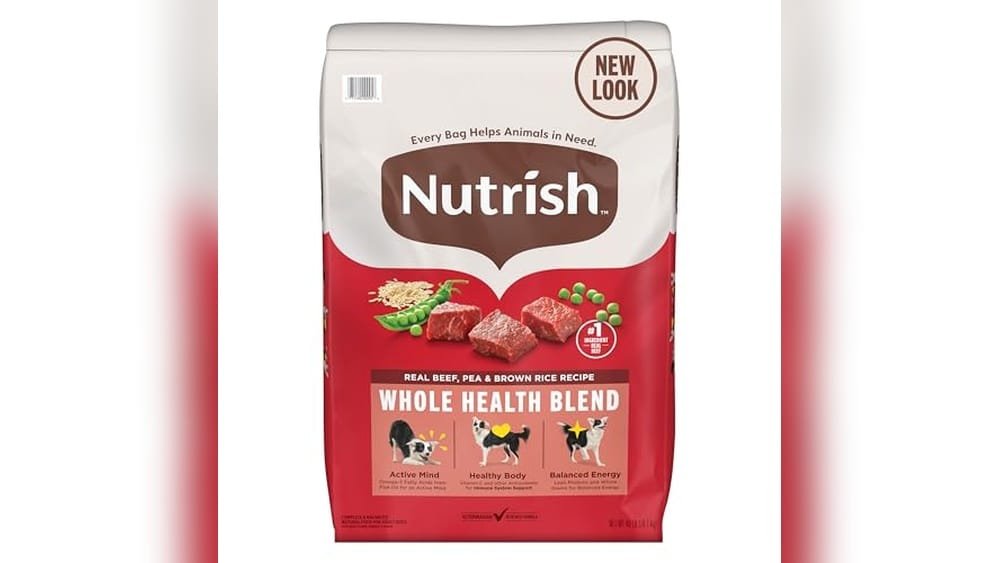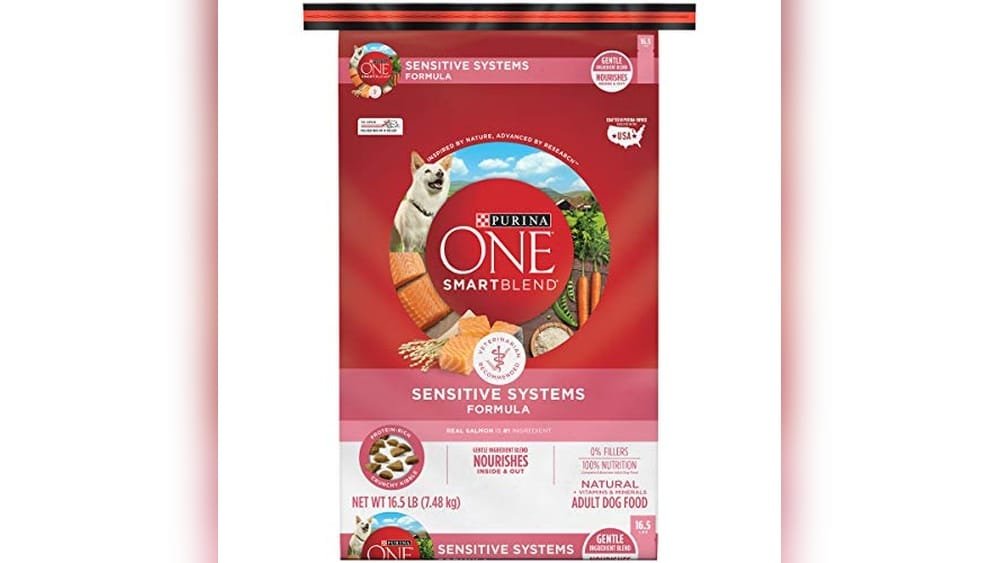
Choosing the right dry dog food for your large breed puppy is more important than many owners realize. The first year of a large puppy’s life is full of rapid growth and development. During this time, what your puppy eats directly affects its bones, joints, muscles, and overall health for the rest of its life.
Many well-meaning owners simply pick a food with “puppy” on the label and trust marketing promises. But large breed puppies have unique nutritional needs that require closer attention.
In this guide, you’ll find clear, practical advice for selecting the best dry dog food for your large breed puppy. You’ll learn what makes large breeds different, what to look for (and what to avoid) on the label, and how to confidently compare products.
Plus, you’ll get tips that most beginners miss—ensuring your puppy gets the healthiest start possible.
Why Large Breed Puppies Need Special Nutrition
Large breed puppies—like Labradors, Golden Retrievers, German Shepherds, and Great Danes—are not just bigger versions of small dogs. Their bodies grow faster and for a longer period. This extra growth brings unique risks, especially for bones and joints. Feeding the wrong food can lead to serious health problems, including hip dysplasia, obesity, or even permanent skeletal issues.
Growth Rate And Bone Health
Large breed puppies often double their birth weight in just a couple of weeks. Their bones must be strong enough to support their rapid growth. Too many calories, calcium, or certain nutrients can cause bones to grow too quickly, leading to deformities.
Risks Of Improper Nutrition
Feeding high-calorie or “all life stages” foods may seem harmless, but it can cause your puppy to become overweight. Extra weight puts more pressure on developing joints, increasing the risk of joint problems later in life.
Many adult dogs suffer from issues that could have been prevented with the right food during puppyhood. That’s why understanding your puppy’s unique needs is so important.
Key Nutrients Large Breed Puppies Need
Knowing which nutrients matter most helps you make better choices. Here are the essentials:
- Protein: Needed for muscle and tissue growth. Look for 22–32% protein content from quality animal sources.
- Fat: Supplies energy for growth, but too much can lead to rapid weight gain. Aim for 8–15% fat.
- Calcium and Phosphorus: Critical for bones and teeth. The ideal calcium-to-phosphorus ratio is about 1.2:1.
- DHA (Docosahexaenoic Acid): Supports brain and vision development.
- Fiber: Helps with digestion and stool quality.
Example: Calcium Content
For large breed puppies, the food should contain about 0. 8–1. 2% calcium (dry matter basis). Too much calcium can cause bone abnormalities. This is a common mistake—many owners assume more calcium is always better.

Credit: www.chewy.com
Understanding Dog Food Labels
Dog food labels can be confusing. Here’s how to read them like an expert:
- AAFCO Statement: Look for “formulated to meet the nutritional levels established by the AAFCO Dog Food Nutrient Profiles for growth of large size dogs (70 lbs or more as an adult).” Foods without this statement may not meet your puppy’s needs.
- Guaranteed Analysis: Shows minimum percentages of protein, fat, fiber, and sometimes moisture.
- Ingredient List: Ingredients are listed by weight before cooking. Real meat or meat meal should be the first ingredient.
- Feeding Guidelines: These are just starting points. Adjust based on your puppy’s growth and body condition.
Non-obvious Insight
Many foods claim to be “for all breeds” or “all life stages. ” These are usually not suitable for large breed puppies, as the calcium and calorie content is often too high.
Comparing Popular Large Breed Puppy Foods
Understanding the differences between top brands can help you make an informed choice. The table below compares three well-known options:
| Brand | Protein (%) | Fat (%) | Calcium (%) | DHA | AAFCO Statement |
|---|---|---|---|---|---|
| Royal Canin Large Puppy | 28 | 14 | 1.2 | Yes | Yes |
| Hill’s Science Diet Large Breed Puppy | 24.5 | 13 | 0.9 | Yes | Yes |
| Orijen Large Puppy | 38 | 20 | 1.3 | Yes | Yes |
Notice the differences in protein, fat, and calcium. For many large breed puppies, moderate protein and fat are safer than the highest numbers.
How To Choose: Step-by-step Guide
Let’s break the process into clear steps so you can choose confidently.
1. Identify Your Puppy’s Expected Adult Weight
Knowing the likely adult weight helps you choose the right food. Large breeds are generally considered dogs that will weigh over 50–70 lbs (23–32 kg) as adults. Check your puppy’s breed standards or ask your veterinarian.
2. Look For Large Breed Puppy Formulas
Choose foods specifically labeled for “large breed puppies. ” These are formulated with the right balance of protein, fat, and minerals to support healthy growth without risking overnutrition.
3. Check The Aafco Statement
The food should state it meets AAFCO standards for “growth of large size dogs. ” If it only says “all life stages” or “growth and maintenance,” it might not be safe for large breed puppies.
4. Review Protein And Fat Levels
A good range is 22–32% protein and 8–15% fat. Avoid foods with very high fat (over 18%) unless recommended by your vet.
5. Examine Calcium And Phosphorus
Find foods with 0.8–1.2% calcium and a calcium-to-phosphorus ratio around 1.2:1. Too much calcium is just as risky as too little.
6. Look For Added Dha
DHA supports brain and eye development, especially in the first months. Foods with fish oil or labeled “with DHA” are good choices.
7. Consider Kibble Size
Large breed puppies have larger mouths and may prefer bigger kibble pieces. Larger kibble can also help slow down eating and reduce choking risk.
8. Avoid Unnecessary Fillers
Avoid foods with a lot of corn, soy, or by-products as main ingredients. While some grains are fine, the first ingredient should be a named meat or meat meal.
9. Read Reviews And Ask Your Vet
Online reviews and your vet’s advice can help you avoid foods with frequent recalls or poor quality. Your vet may also recommend brands based on your puppy’s health history.
10. Monitor Your Puppy’s Growth
After choosing a food, watch your puppy’s weight, muscle tone, and energy. Adjust feeding amounts if your puppy is getting overweight or looks too thin.
Common Mistakes When Choosing Dry Dog Food
Even caring owners can make errors. Here are some of the most common pitfalls:
- Choosing “all breed” or “all life stage” foods: These may not have the right nutrients for large puppies.
- Picking the highest protein or fat: More is not always better. Too much can fuel unhealthy, rapid growth.
- Ignoring calcium levels: High calcium can be as harmful as too little.
- Not checking the AAFCO statement: Foods without this statement might not be complete.
- Switching foods too often: Changing brands or formulas quickly can upset your puppy’s digestion.
Non-obvious Insight
Some owners assume that premium price means premium nutrition. This isn’t always true. Always check the nutritional analysis, not just the brand reputation.
Wet Vs. Dry Food For Large Breed Puppies
While this guide focuses on dry dog food, it’s helpful to understand why dry food is often preferred for large breed puppies:
- Dry food is calorie-dense, so you need less to meet daily needs.
- Kibble helps clean teeth and slow down rapid eating.
- Dry foods are easier to store and cost-effective for large breeds.
Some owners mix a small amount of wet food for taste, but the main diet should be a balanced dry formula.
Grain-free And Limited Ingredient Diets
You may see grain-free or limited ingredient foods marketed as healthier. But are they better for large breed puppies?
Grain-free Diets
Recent studies have linked some grain-free dog foods to heart disease in large breeds. Unless your puppy has a diagnosed grain allergy, grains like rice or barley are safe and provide energy.
Limited Ingredient Diets
These are helpful for puppies with known allergies or sensitivities. For most large breed puppies, a standard large breed puppy formula is best.
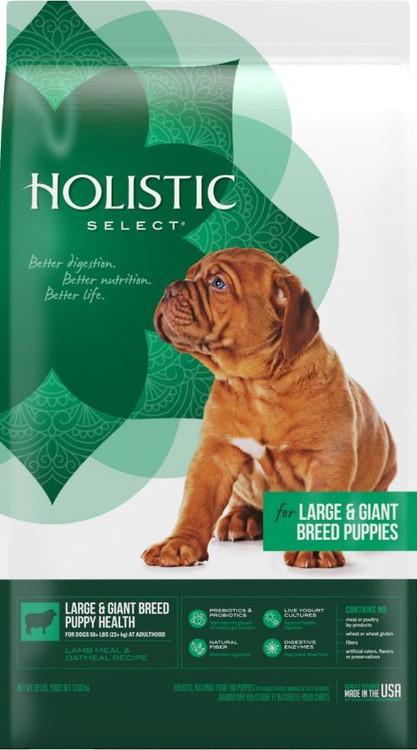
Credit: treats-unleashed.com
Comparing Key Features: What Matters Most
When comparing different foods, focus on these features. The table below summarizes what to check:
| Feature | Why It Matters | What to Look For |
|---|---|---|
| Protein Source | Supports muscle growth | Named meat or meal (chicken, lamb, fish) |
| Calcium Content | Bone and joint health | 0.8–1.2% (dry matter) |
| DHA | Brain/vision development | Fish oil or “with DHA” label |
| Kibble Size | Prevents choking, slows eating | Larger kibble for large puppies |
| AAFCO Statement | Ensures food is complete and balanced | “Growth of large size dogs” |
Transitioning To New Food
Switching foods too quickly can upset your puppy’s stomach. Transition over 7–10 days:
- Day 1–3: 75% old food, 25% new food
- Day 4–6: 50% old, 50% new
- Day 7–9: 25% old, 75% new
- Day 10: 100% new food
If you notice vomiting, diarrhea, or refusal to eat, slow down the transition and consult your vet if problems persist.
Monitoring Your Puppy’s Growth And Condition
Choosing the right food is only the first step. You should regularly check your puppy’s body condition. Here’s how:
- Ribs should be easy to feel but not visible.
- Waist should be visible when looking from above.
- Puppy should be energetic and playful.
- Stool should be firm and easy to pick up.
If your puppy is gaining weight too fast or too slow, adjust the feeding amount.
When To Switch To Adult Food
Large breed puppies need puppy food longer than small breeds. Most should stay on puppy formulas until 12–18 months old, or until they reach about 80–90% of their expected adult size. Switching too early can lead to nutritional gaps.
Consult your vet to decide the right time. Every breed and puppy is unique.
Special Considerations: Allergies And Sensitivities
Some large breed puppies may develop allergies or sensitivities. Signs include:
- Itchy skin
- Ear infections
- Loose stools
- Excessive licking
If you suspect a problem, talk to your vet. They may suggest a limited ingredient or hypoallergenic large breed puppy food.
Reading Between The Lines: Marketing Tricks
Dog food marketing can be misleading. Here are common tricks to watch for:
- “Premium” or “holistic” labels: These words are not regulated and don’t guarantee quality.
- Ingredient splitting: Breaking similar ingredients (like corn, corn meal, corn gluten) into smaller amounts to make them appear lower on the ingredient list.
- Exotic meats: Foods with unusual proteins (kangaroo, bison) are not always better and may lack long-term safety data.
Don’t be swayed by fancy packaging. Focus on nutritional facts.
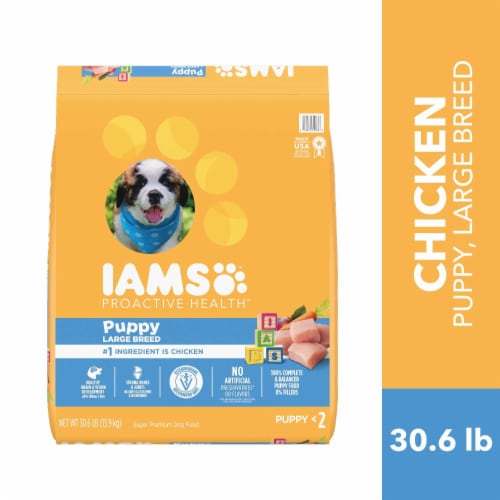
Credit: www.picknsave.com
Cost Vs. Quality: Finding The Balance
You don’t have to buy the most expensive food for your puppy to be healthy. Many mid-priced brands offer excellent nutrition. If you’re on a budget:
- Compare cost per pound, not just bag price.
- Look for brands with transparent ingredient sourcing.
- Avoid very cheap foods with by-products as main ingredients.
If you need more help, organizations like the World Small Animal Veterinary Association offer guidelines on choosing quality pet foods.
Real-world Example: Feeding A Labrador Retriever Puppy
Let’s take a common breed—Labrador Retriever—as an example. A healthy male Lab will reach about 65–80 lbs as an adult.
- Choose a large breed puppy formula with about 26% protein, 12% fat, and 1% calcium.
- Feed according to package guidelines, but adjust based on your puppy’s body condition.
- Monitor growth monthly and visit the vet for regular checks.
Many Labs are prone to overeating. Use measuring cups and avoid giving too many treats.
Homemade And Raw Diets: Are They Safe?
Some owners consider homemade or raw diets for their large breed puppies. While this may work for adult dogs with expert guidance, it’s risky for puppies. Most homemade diets are unbalanced without professional help and can cause deficiencies or excesses.
Always consult your veterinarian or a veterinary nutritionist before trying homemade or raw diets.
Environmental And Ethical Concerns
Some owners care about where their dog’s food comes from. Many brands now offer:
- Sustainably sourced ingredients
- No artificial preservatives or colors
- Recyclable packaging
If this matters to you, check the brand’s website for details.
Final Tips For Choosing The Best Food
Choosing the right dry dog food for your large breed puppy can feel overwhelming. Here are a few final tips:
- Stick with what works: If your puppy is healthy and thriving, don’t change foods just for variety.
- Measure portions: Use a kitchen scale or measuring cup.
- Limit treats: Treats should make up less than 10% of daily calories.
- Regular vet visits: Growth checks help you spot problems early.
Your effort now sets your puppy up for a lifetime of health.
Frequently Asked Questions
What Is The Best Protein Level For Large Breed Puppy Food?
Look for a protein level between 22% and 32% from animal sources. Too much protein is not better, as excess calories can cause unhealthy growth. Focus on quality, not just quantity.
Can I Feed My Large Breed Puppy Grain-free Food?
Unless your puppy has a diagnosed grain allergy, grain-free diets are not necessary. Some grain-free foods have been linked to heart disease in large breeds. Grains like rice and barley are safe and nutritious for most puppies.
When Should I Switch My Large Breed Puppy To Adult Dog Food?
Most large breed puppies should stay on puppy food until 12–18 months old. Switching too early can cause nutritional gaps. Check with your veterinarian for your breed’s specific needs.
Is It Okay To Mix Wet And Dry Food For Large Breed Puppies?
Yes, you can mix a small amount of wet food with dry kibble for flavor. Make sure the main diet is a balanced large breed puppy formula, and adjust portions to avoid overfeeding.
How Can I Tell If My Puppy’s Food Is Causing Problems?
Signs of a problem include itchy skin, ear infections, chronic soft stools, or poor growth. If you notice any of these, consult your veterinarian. Food allergies are rare, but sensitivities can happen.
Choosing the right dry dog food for your large breed puppy is one of the most important decisions you’ll make as an owner. With the right knowledge, you can help your puppy grow up strong, healthy, and happy—setting the foundation for a wonderful life together.

We’re the dedicated team behind MyPawSafe.com, with over a decade of combined experience in veterinary care, pet emergency response, and animal behavior. While we prefer to let our work speak for itself, our mission is clear: to provide science-backed, vet-approved advice that helps pet owners prevent accidents and save lives.