Is Dry Dog Food Good For Dogs?
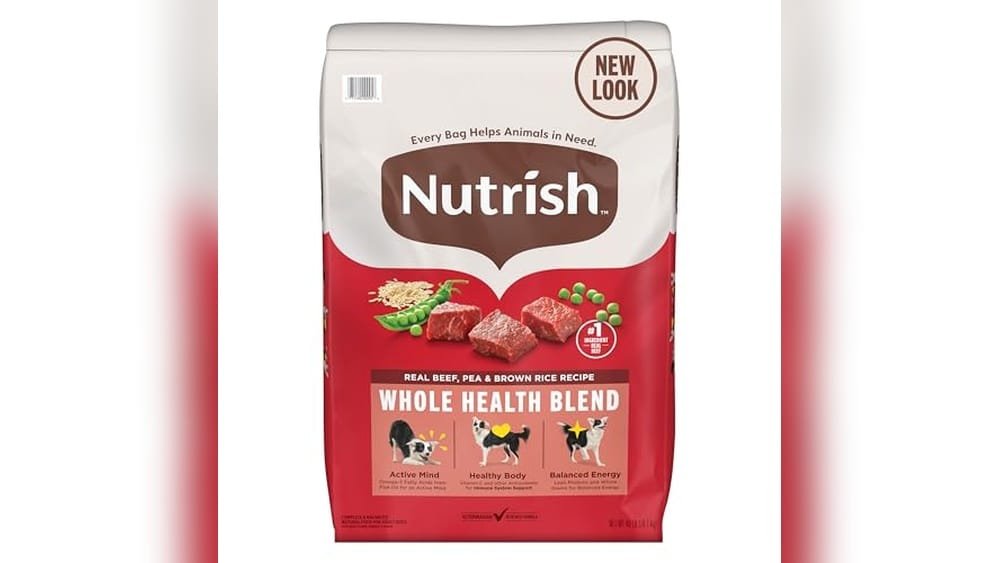
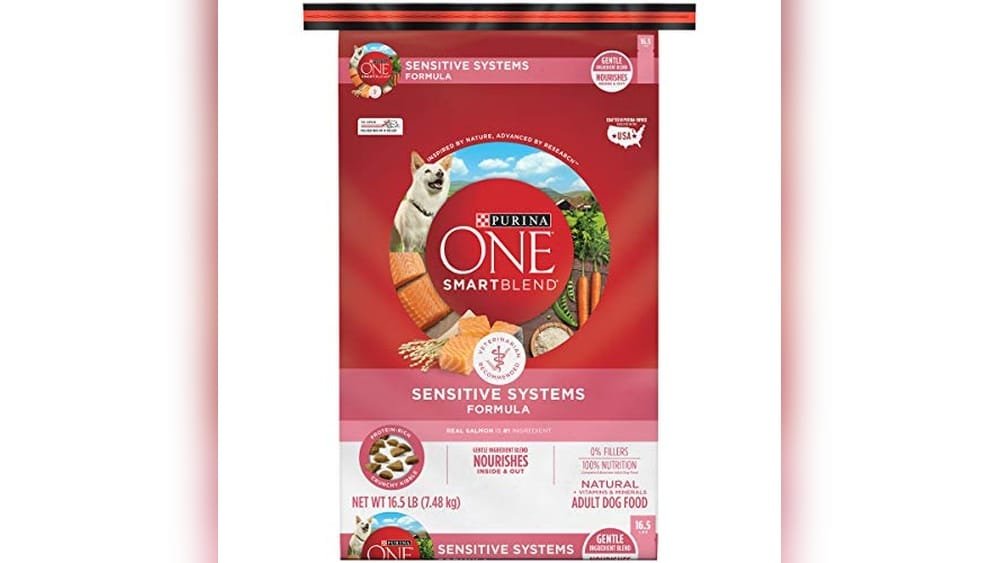
Choosing the right food for your dog is one of the most important decisions you make as a pet owner. With so many options—wet food, raw diets, homemade meals—the most common choice for many is dry dog food, also called kibble. It’s everywhere: in supermarkets, pet stores, and online, in colorful bags promising health, convenience, and value. But is dry dog food actually good for dogs? This question is more complex than it seems.
Many pet owners trust dry dog food because it’s easy to store, simple to serve, and usually cheaper than other types. Veterinarians often recommend it, and it’s been used for decades. But, as more people become aware of pet nutrition, doubts and questions rise.
Is kibble really healthy? Does it provide all the nutrients your dog needs? Are there hidden risks? What about the benefits people talk about?
This article will give you a clear, practical, and honest look at dry dog food. We’ll cover its pros and cons, nutritional value, how it compares to other dog foods, common myths, and how to choose the right product. You’ll find real data, expert opinions, and answers to questions most dog owners miss. Whether you’re a new dog parent or thinking about changing your pet’s diet, this guide will help you make confident, informed choices.
What Is Dry Dog Food?
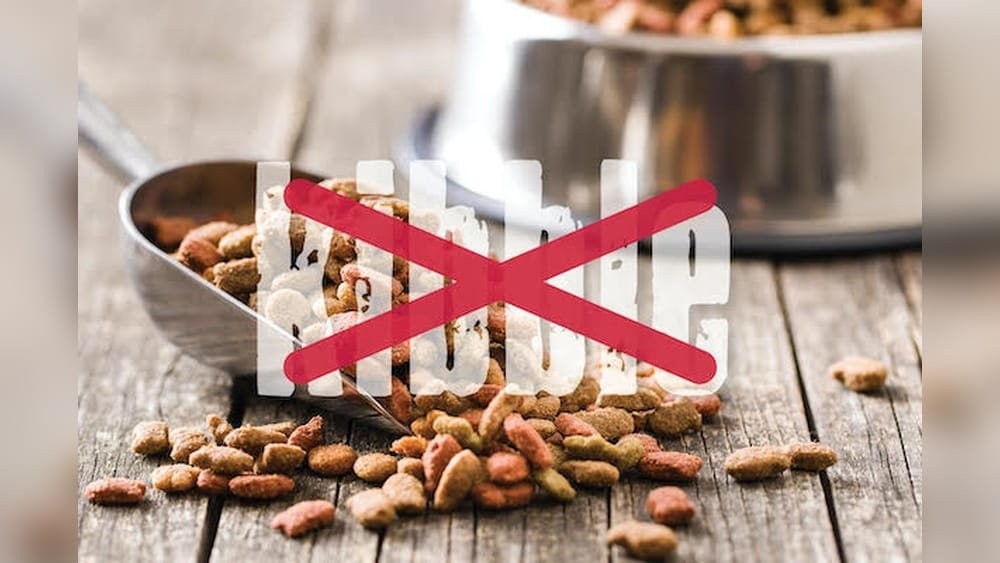
Dry dog food, or kibble, is a processed form of dog food. It’s made by mixing ingredients like meat, grains, vegetables, vitamins, and minerals, then cooking and shaping them into small pieces. These pieces are dried, so they have very little moisture—usually 8% to 12%. This is much lower than wet or canned foods, which can have 70% to 80% water.
Kibble was invented in the mid-20th century and quickly became popular. The production process, called extrusion, uses high heat and pressure to cook and shape the food. Afterward, fats and flavorings may be sprayed on to make the kibble more appealing to dogs.
The long shelf life and convenience of dry dog food made it the top choice for busy families. But not all kibbles are the same—ingredients, quality, and nutrition can vary a lot between brands and types.
Nutritional Value Of Dry Dog Food
The biggest question is: Does dry dog food give your dog everything they need to stay healthy?
Complete And Balanced Nutrition
High-quality dry dog foods are made to be complete and balanced. This means they provide all the nutrients a dog needs in the right amounts. The Association of American Feed Control Officials (AAFCO) sets standards for dog food nutrition in the United States. Most reputable brands follow these guidelines.
A balanced kibble should contain:
- Protein: For muscle growth and repair. Usually from chicken, beef, fish, or plant sources.
- Fats: For energy and healthy skin. Common sources are chicken fat, fish oil, or vegetable oil.
- Carbohydrates: For energy and fiber. Typical ingredients include rice, corn, or potatoes.
- Vitamins and Minerals: For overall health, bone strength, and immunity.
- Fiber: For good digestion.
Nutrient Comparison
Here’s a quick comparison of the average nutrient content between dry and wet dog food (per 100g):
| Nutrient | Dry Dog Food | Wet Dog Food |
|---|---|---|
| Protein | 20-30% | 8-12% |
| Fat | 8-18% | 3-6% |
| Carbohydrates | 40-60% | 5-8% |
| Moisture | 8-12% | 70-80% |
Quality Matters
Not all dry dog foods are high quality. Some use by-products, fillers, and artificial preservatives. High-quality brands use real meat, whole grains, and natural ingredients. Always check the ingredient list before buying.
A non-obvious tip: “Complete and balanced” is not a guarantee of quality. It means the minimum standards are met, but the sources of those nutrients may vary. A food can use low-quality protein and still meet requirements.

Credit: openfarmpet.com
Benefits Of Dry Dog Food
Many families choose dry dog food for good reasons. Here are the main benefits:
1. Convenience
Kibble is easy to store, measure, and serve. You don’t need a fridge, and it doesn’t spoil quickly if you seal the bag. This makes feeding simple, especially in busy homes or for people with multiple dogs.
2. Cost-effective
Dry dog food usually costs less per meal than wet food or raw diets. Buying in bulk can save money. For large dogs or multi-pet families, this is a big advantage.
3. Dental Health
Chewing dry kibble can help reduce plaque and tartar on your dog’s teeth. Some formulas are specially made for dental health. However, this effect is mild—dry food is not a replacement for brushing your dog’s teeth.
4. Long Shelf Life
Dry food lasts months if stored in a cool, dry place. Wet food, on the other hand, must be used soon after opening.
5. Easy To Feed And Store
Kibble doesn’t require preparation. You simply scoop and serve. It’s also easy to carry when traveling or boarding your dog.
6. Supports Portion Control
Dry food is easy to measure, so you can control how much your dog eats. This helps prevent obesity—a growing problem in pets.
7. Variety
There are thousands of kibble options for different ages, breeds, and health needs. You can find special formulas for puppies, seniors, large breeds, allergies, or sensitive stomachs.
8. Less Mess
Dry food doesn’t spill or stain like wet food. Clean-up is simple, and leftovers can be saved for the next meal.
9. Suitable For Automatic Feeders
Many pet owners use automatic feeders with kibble for regular feeding, especially if they work long hours.
10. Customization
You can mix dry food with water, broth, or wet food for variety. Some owners add fresh vegetables or meats on top for extra taste and nutrients.
Downsides Of Dry Dog Food
Despite its advantages, dry dog food has some important drawbacks. Understanding these will help you make a smart decision.
1. Lower Moisture Content
Kibble is very dry—this can be a problem for some dogs, especially those prone to urinary or kidney issues. Dogs eating only dry food may drink more water, but some don’t drink enough. Chronic dehydration can lead to health problems over time.
2. Processing Removes Some Nutrients
The high-heat process used to make kibble destroys some natural nutrients. Vitamins and minerals are added back in, but these are not always as effective as those in fresh food.
3. Potential For Low-quality Ingredients
Some brands use cheap fillers (like corn, soy, or wheat by-products) to lower costs. These may not offer the best nutrition. Artificial colors, flavors, and preservatives are also sometimes used.
4. Not Ideal For All Dogs
Dogs with dental problems, missing teeth, or some health conditions may have trouble chewing dry food. Senior dogs or those with sensitive stomachs might need softer or more digestible options.
5. Allergies And Sensitivities
Some dogs are allergic to common kibble ingredients, such as beef, chicken, corn, or wheat. This can cause itching, digestive upset, or ear infections.
6. Overeating And Obesity
Because kibble is energy-dense, it’s easy to overfeed. Many owners do not measure portions carefully, leading to weight gain.
7. Risk Of Storage Mites Or Spoilage
If stored poorly, dry food can attract storage mites or become rancid due to fat oxidation. Always keep kibble in a sealed container, away from heat and humidity.
8. Recalls And Contamination
Like all processed foods, kibble can be subject to recalls for contamination (such as salmonella or aflatoxins). Always check brand safety records.
9. Can Be Less Palatable
Some dogs are picky and may not like dry food, especially if they’re used to wet or home-cooked meals.
10. Misleading Marketing
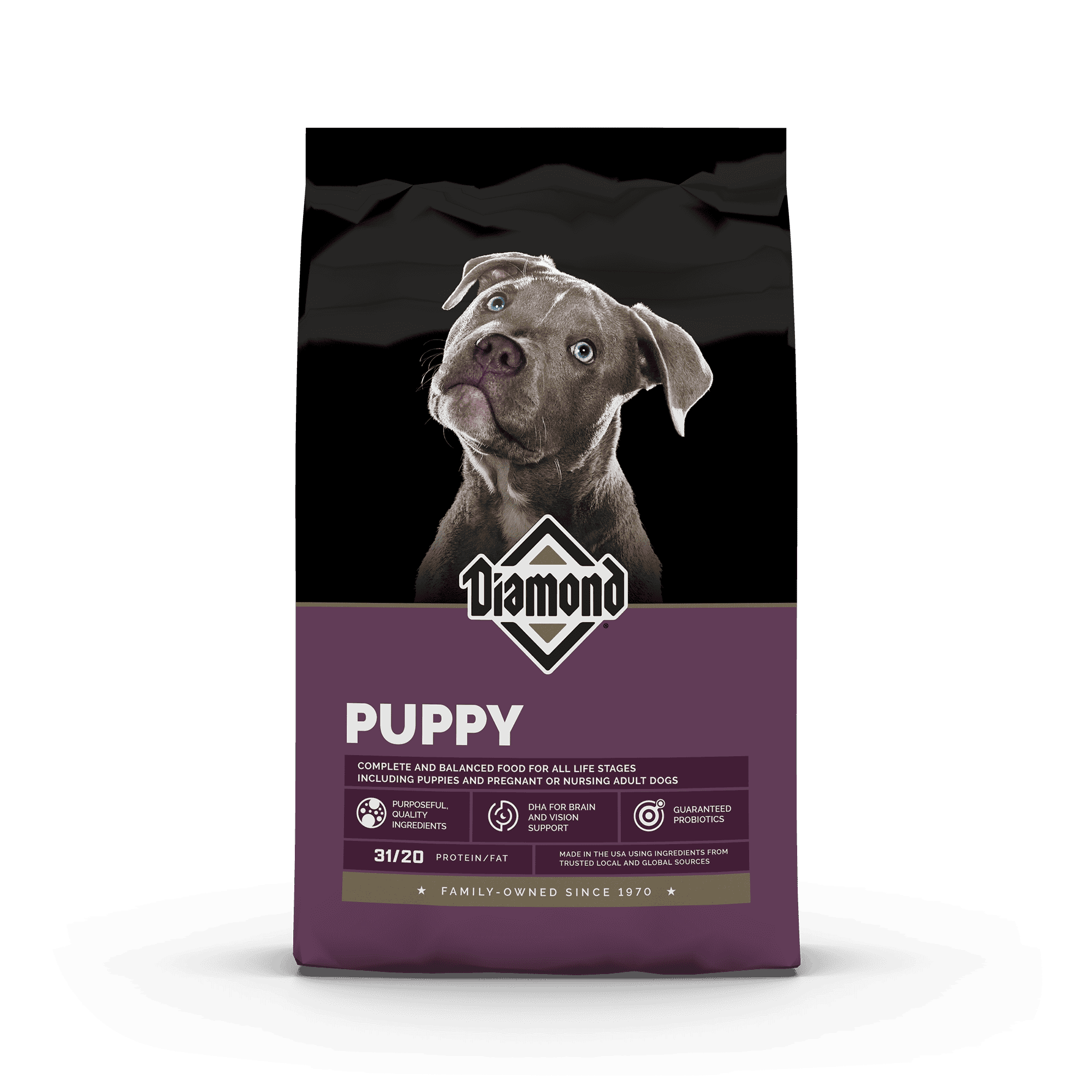
Packaging may make dry food look healthier than it is. Phrases like “natural,” “premium,” or “gourmet” are not regulated and can be used for almost any product.
Credit: www.diamondpet.com
Comparing Dry Dog Food To Other Types
It helps to see how dry dog food stacks up against other choices.
Dry Food Vs. Wet (canned) Food
| Feature | Dry Dog Food | Wet Dog Food |
|---|---|---|
| Moisture | 8-12% | 70-80% |
| Shelf Life (opened) | Weeks to months | 1-2 days |
| Dental Benefits | Mild | None |
| Cost | Lower | Higher |
| Palatability | Moderate | High |
| Convenience | High | Moderate |
| Portion Control | Easy | Harder |
Dry Food Vs. Raw Diets
Raw diets (fresh meat, bones, organs, sometimes vegetables) are popular among some owners. They are less processed and closer to what wild dogs eat, but they also carry risks:
- Bacterial contamination (salmonella, E. coli) can affect both pets and humans.
- Nutritional imbalances are common if not carefully planned.
- Cost and preparation time are much higher than dry food.
- Not recommended for puppies, elderly dogs, or immune-compromised pets.
Dry Food Vs. Home-cooked Diets
Some owners cook at home to control ingredients. This allows for customization, but it’s easy to miss key nutrients unless you follow a recipe from a veterinary nutritionist. Home cooking is time-consuming and often more expensive than kibble.
Myths And Misconceptions About Dry Dog Food
There is a lot of confusing information about kibble online and among pet owners. Let’s clarify some common myths.
“kibble Cleans Teeth Perfectly”
While chewing kibble can help remove some plaque, it’s not a substitute for brushing. Most dental disease happens under the gumline, where kibble cannot reach. Regular dental care is still needed.
“all Dry Food Is The Same”
Quality varies greatly. Some are made with high-quality meats and grains; others rely on cheap fillers. Read the label, and don’t just rely on price or advertising.
“grain-free Means Healthier”
Many grain-free kibbles use potatoes or peas instead of grains. Recent studies have linked some grain-free diets to heart disease (dilated cardiomyopathy) in dogs. Grains are not bad for most dogs unless they have a specific allergy.
“dogs Only Need Meat”
Dogs are omnivores—they need a mix of animal and plant nutrients. Good dry foods use a mix of protein, fat, and carbohydrates.
“wet Food Is Always Better”
Wet food is more palatable and has more moisture, but it’s not always better. It’s expensive, spoils quickly, and can lead to dental issues if not balanced with other food.
How To Choose A Good Dry Dog Food
Not all dry dog foods are created equal. Here’s how to pick a good one for your pet.
1. Check For Aafco Statement
Look for a label saying the food meets AAFCO nutritional standards for your dog’s life stage (puppy, adult, senior). This means the food is “complete and balanced.”
2. Read The Ingredients List
- The first ingredient should be a named animal protein (like chicken, beef, or salmon).
- Avoid foods that list “meat by-products,” “animal digest,” or “corn gluten meal” as main ingredients.
- Choose foods with whole grains, vegetables, and added vitamins and minerals.
- Avoid artificial colors, flavors, and preservatives if possible.
3. Consider Your Dog’s Age, Size, And Health
Puppies, adults, and seniors need different nutrients. Large breeds need special formulas to support joint health. Dogs with allergies may need limited-ingredient or hypoallergenic foods.
4. Look For Quality Assurance
Good brands test their products for safety and nutrition. Check for recalls or problems with the brand.
5. Ask Your Veterinarian
Your vet can recommend foods based on your dog’s specific needs or health conditions.
Example: Comparing Two Dry Foods
| Feature | Brand A (High Quality) | Brand B (Low Quality) |
|---|---|---|
| First Ingredient | Deboned chicken | Corn meal |
| Protein Source | Real meat, fish | By-products |
| Preservatives | Natural (mixed tocopherols) | BHA, BHT |
| Grains | Whole grains | Cheap fillers |
| Price | Higher | Lower |
Common Mistakes When Feeding Dry Dog Food
Many owners make small mistakes that can affect their dog’s health. Here’s what to avoid:
- Overfeeding – Always measure portions. Use a kitchen scale or standard measuring cup.
- Not Enough Water – Dogs on dry food need free access to fresh water all day.
- Ignoring Age and Size – Puppies, adults, and seniors need different foods. Large breeds need special formulas.
- Sudden Changes – Switching foods too quickly can cause stomach upset. Make changes gradually over 7–10 days.
- Storing Food Poorly – Keep kibble in a cool, dry place, in a sealed container. Don’t leave the bag open or in sunlight.
- Not Checking for Recalls – Stay updated with pet food safety news.
- Feeding Only Dry Food for Years – Consider mixing with wet food or adding fresh, healthy foods for variety and nutrition.
- Ignoring Special Needs – Dogs with allergies, sensitive stomachs, or medical conditions may need special diets. Always consult your vet.
How Much Dry Dog Food Should You Feed?
The right amount depends on your dog’s weight, age, activity level, and health. Most bags have feeding guides, but these are only starting points.
- For a healthy adult dog:
- Small (5–10 kg): 70–120 grams per day
- Medium (10–25 kg): 120–300 grams per day
- Large (25–40 kg): 300–450 grams per day
Active dogs, puppies, or pregnant dogs need more. Overweight or less active dogs need less. Always check your dog’s body condition and adjust as needed.
A non-obvious insight: Weigh your dog’s food for accuracy. Cups or scoops can vary, leading to over- or underfeeding.
Is Dry Dog Food Safe?
Dry dog food is generally safe if you buy from a reputable brand, store it correctly, and feed according to your dog’s needs. Most vets agree that for healthy dogs, high-quality kibble is a reliable, safe, and balanced choice.
However, there are risks:
- Recalls sometimes happen. Always check recent news.
- Storage: If kibble smells off or looks moldy, throw it away.
- Specific health needs: Some dogs may need special diets.
If your dog gets sick, stops eating, or develops skin or digestive problems, talk to your vet.
When Is Dry Dog Food Not A Good Choice?
Certain dogs or situations may call for a different diet:
- Senior dogs with bad teeth may need softer food.
- Dogs with kidney or urinary problems may benefit from higher moisture diets.
- Dogs with food allergies may need limited-ingredient or prescription diets.
- Very picky eaters may prefer wet or home-cooked meals.
In these cases, your vet can suggest the best options.
Practical Tips For Feeding Dry Dog Food
To get the most out of kibble, try these tips:
- Mix in a little warm water, low-sodium broth, or canned food for extra flavor and moisture.
- Rotate protein sources (chicken, beef, fish) every few months for variety.
- Add small amounts of fresh, dog-safe vegetables or fruits (carrots, peas, blueberries).
- Store kibble in its original bag inside an airtight container.
- Wash your dog’s bowl daily and always provide fresh water.
- Watch your dog’s weight and energy level. Adjust the amount as needed.
Expert Opinions And Research
Most veterinarians and pet nutritionists agree that dry dog food is a convenient and generally healthy choice if you pick a good brand. The AAFCO and the World Small Animal Veterinary Association (WSAVA) both support the use of high-quality commercial dry foods.
A study from the Pet Food Institute found that over 70% of US dog owners use dry food as their pet’s main diet. The main reasons are convenience, cost, and dogs’ acceptance of kibble.
However, some experts warn that processed foods should not be the only diet for a dog’s whole life. Adding variety—like fresh vegetables or a mix of wet and dry—may offer extra health benefits.
For more details on pet food standards, see the FDA’s Pet Food page.
Should You Feed Dry Dog Food?
There’s no single answer for every dog. Here’s a quick summary to help you decide:
- Choose dry dog food if you want convenience, cost savings, and balanced nutrition for a healthy dog.
- Avoid dry dog food as the only diet if your dog has health issues needing more moisture, special nutrition, or has dental problems.
- Mix and match: Many owners use a combination of dry and wet food, or add fresh ingredients, for variety and better hydration.
The most important things are to pick a high-quality kibble, feed the right amount, and watch your dog’s health. If you ever have doubts, your vet is the best source of advice.

Credit: lifesabundance.com
Frequently Asked Questions
Is Dry Dog Food Enough For My Dog’s Nutrition?
Yes, if you choose a “complete and balanced” product that meets AAFCO or your country’s standards. However, quality varies, so choose a reputable brand and adjust portions to your dog’s age, size, and activity.
Can Dry Dog Food Cause Dehydration?
Dry food has low moisture, so dogs need free access to clean water. Most healthy dogs drink enough to balance out the lack of moisture, but some may not—especially older dogs or those with kidney issues.
How Do I Switch From Dry To Wet Food (or Vice Versa)?
Switch foods slowly over 7–10 days. Mix increasing amounts of the new food with the old to avoid stomach upset. Watch for digestive changes or allergies during the switch.
What Are Signs That My Dog’s Dry Food Is Poor Quality?
Signs include dull coat, low energy, frequent stomach upsets, or your dog refusing to eat. Check for vague ingredients, lots of fillers, or artificial additives on the label.
Is Grain-free Dry Dog Food Better?
Not always. Most dogs tolerate grains well. Some grain-free foods are linked to heart problems. Only choose grain-free if your dog has a confirmed grain allergy and consult your vet.
Dry dog food remains a practical, safe, and balanced option for many dogs. The key is choosing wisely, feeding carefully, and staying alert to your pet’s changing needs. With the right choices, kibble can help your dog live a long, happy, and healthy life.
We’re the dedicated team behind MyPawSafe.com, with over a decade of combined experience in veterinary care, pet emergency response, and animal behavior. While we prefer to let our work speak for itself, our mission is clear: to provide science-backed, vet-approved advice that helps pet owners prevent accidents and save lives.