

Do Vets Recommend Royal Canin Dog Food?
Choosing the right food for your dog can feel overwhelming. Walk down any pet store aisle, and you’ll see dozens of brands, each claiming to be the healthiest. One name that stands out is Royal Canin. This brand often shows up in vet clinics, animal hospitals, and even specialty pet stores. But do vets actually recommend Royal Canin dog food? Or is it just clever marketing?
Let’s explore what vets really think, why they might suggest this brand, and what you should know before deciding if it’s right for your dog. We’ll also look at the science behind Royal Canin, how it compares to other foods, and the experiences of both professionals and pet owners.
By the end, you’ll have a clear answer that goes beyond simple advertising.
Why Do Some Vets Recommend Royal Canin?
Many dog owners have heard their vet mention Royal Canin at some point. There are a few reasons for this.
First, Royal Canin invests heavily in research and works closely with veterinarians. They develop foods designed for specific breeds, life stages, and even health conditions. For example, you can find formulas for Labradors, Yorkshire Terriers, or even dogs with urinary problems.
Vets often see dogs with special dietary needs—like kidney disease, allergies, or digestive issues. Royal Canin offers prescription diets tailored to these needs. These foods are not just regular kibble with a fancy label. They are formulated based on scientific studies, and many have gone through clinical trials.
Another reason is consistency. Royal Canin uses strict quality control, so vets know what a dog is getting in each bag. This can make it easier to manage health issues, since sudden changes in diet can cause problems.
A less obvious reason is the broad range of options Royal Canin provides. Vets often treat many breeds, ages, and health issues. Royal Canin’s portfolio is one of the largest, so it gives vets more tools to customize a plan. For example, if a dog has both allergies and a sensitive stomach, there may be a specialized diet that addresses both.
But it’s important to know that not every vet recommends Royal Canin for every dog. Some prefer other brands, or suggest homemade diets in certain cases. Vets consider each dog’s unique health, lifestyle, and owner preferences. They also take into account the owner’s ability to follow a feeding plan, the dog’s activity level, and any past reactions to ingredients.
The Science Behind Royal Canin
One thing that sets Royal Canin apart is its focus on nutritional science. The company employs veterinary nutritionists, scientists, and animal health experts. Their formulas are based on research, not just trends.
For example, Royal Canin’s breed-specific foods are designed to match the jaw shape, chewing style, and typical health concerns of different breeds. Bulldogs, for instance, have broad, flat faces that make picking up food tricky—Royal Canin adjusts the kibble shape to help.
For Dachshunds, the formula supports back health, which is a common breed concern.
They also create foods for puppies, adults, and seniors, with adjustments in protein, fat, and vitamins for each stage. For example, puppies need extra calcium for bone growth, while senior dogs may benefit from antioxidants to support aging cells and lower phosphorus to protect their kidneys.
Prescription diets are another area where Royal Canin stands out. These are not available everywhere—you usually need a vet’s prescription. Examples include:
- Urinary SO: Helps dissolve certain bladder stones
- Gastrointestinal Low Fat: For dogs with sensitive stomachs
- Renal Support: For dogs with kidney issues
These diets are often tested in clinical settings. For instance, studies have shown that Royal Canin’s urinary diets can reduce the risk of bladder stones in at-risk dogs.
A unique point: Royal Canin also considers the texture and size of the kibble. For small breeds, the food is often smaller and easier to chew. For large breeds, the kibble is larger, encouraging chewing and slowing down eating. This attention to detail can help prevent choking or overeating, which is more common in breeds that “inhale” their food.
Another detail is palatability testing. Royal Canin often runs taste tests with real pets, not just lab animals, to make sure the food is appealing. If a dog won’t eat the food, even the best nutrition is useless.
What Do Vets Say In Practice?
Veterinarians have different experiences with Royal Canin, but many appreciate its reliability. In surveys, Royal Canin is one of the top brands recommended by veterinarians worldwide, along with Hill’s Science Diet and Purina Pro Plan.
For dogs with chronic health problems, many vets turn to Royal Canin’s prescription line. It’s not unusual for a vet to switch a dog with kidney disease or food allergies to a Royal Canin veterinary diet.
Vets see the real-world effects: for example, a dog with urinary stones may see those stones dissolve or stop forming, thanks to the precise mineral balance in a Royal Canin diet. For dogs with pancreatitis, the low-fat formulas can prevent painful flare-ups. These results give vets confidence that the food does what it claims.
However, not every vet is loyal to one brand. Some focus more on the quality of the ingredients, the specific nutrients, or the dog’s reaction to the food. A vet might recommend Royal Canin for one dog, but suggest another brand for a different case.
Vets also look at the owner’s ability to stick with the plan. If a food is too expensive or hard to find, compliance drops and the dog may not get the right nutrition.
Non-obvious Insight: Vet Clinics And Brand Partnerships
A fact most pet owners miss: many vet clinics have contracts or partnerships with certain brands. Royal Canin often supplies clinics with discounts, samples, or educational materials. This doesn’t mean vets only recommend it for money, but it can influence availability and familiarity.
Another detail is that clinics often get free samples of Royal Canin to share with patients. This makes it easier for owners to try the food before buying a full bag. If a dog does well on the sample, owners are more likely to stick with the brand.
Ingredients And Nutritional Quality
One common question is: What is actually in Royal Canin dog food?
Royal Canin uses a mix of animal proteins (like chicken, pork, or fish), grains (such as rice or corn), and added vitamins and minerals. The exact ingredients change depending on the formula.
Some dog owners worry about ingredients like by-products or grains. Royal Canin explains that by-products can include organ meats that are actually nutritious for dogs. Grains like rice or corn provide energy and are easy to digest for most dogs.
Royal Canin’s formulas also often include added omega-3 and omega-6 fatty acids, which help with coat and skin health. You might see ingredients like fish oil or chicken fat, which are good sources. Some formulas have added fiber from beet pulp or psyllium to support digestion.
The key is nutritional balance. Each Royal Canin recipe is formulated to meet the standards set by the Association of American Feed Control Officials (AAFCO), which means it should provide all the nutrients a dog needs for its life stage. These standards are updated regularly based on the latest research.
Ingredient Comparison Table
Here’s a basic comparison of ingredient focus between Royal Canin and two other popular vet-recommended brands:
| Brand | Main Protein Source | Grain Content | Prescription Diets |
|---|---|---|---|
| Royal Canin | Chicken, Pork, Fish | Rice, Corn, Wheat | Extensive (e.g., Urinary, Renal, Gastro) |
| Hill’s Science Diet | Chicken, Lamb | Corn, Wheat, Soy | Extensive |
| Purina Pro Plan | Chicken, Salmon, Lamb | Rice, Corn, Barley | Moderate (some formulas) |
This table shows that Royal Canin’s approach is similar to other respected brands, with a focus on complete nutrition rather than following trends like “grain-free.”
One detail to notice: while some boutique brands advertise “no corn, no wheat, no soy,” they may not have the same clinical testing to prove their formulas work for specific health issues. Vets often prefer science-backed brands like Royal Canin for this reason.
Breed, Size, And Age: Tailored Nutrition
Royal Canin is well known for its wide range of breed-specific and size-specific foods. This is not just marketing—there’s science behind it.
Breed-specific Diets
Some dogs are more prone to certain health problems. For example, Boxers can have heart issues, while Dachshunds are at risk of back problems. Royal Canin creates formulas to support these breed tendencies. The kibble shape is also designed for the breed’s jaw and chewing style.
Royal Canin’s breed diets also include nutrients for specific needs. For instance, their Golden Retriever formula has extra nutrients for heart health and coat shine, while the Chihuahua formula focuses on dental health and appetite stimulation.
Size-specific Diets
Small, medium, large, and giant breeds all have different needs. Small dogs use more energy per pound and may need more calorie-dense food. Large breeds need support for their joints and slower growth to avoid bone problems.
For example, Royal Canin’s “Giant Puppy” formula has carefully balanced calcium and phosphorus to protect growing bones and joints. The “Mini Adult” formula is higher in calories and designed for small, active breeds.
Life Stage Formulas
Puppies, adults, and senior dogs require different nutrients. Puppies need more protein and minerals for growth. Seniors may need extra support for joint health or easier-to-digest foods.
Royal Canin also makes “Mother & Baby Dog” formulas for pregnant and nursing mothers and their puppies, with easy-to-digest proteins and extra energy.
Breed And Size Comparison
Here’s an example of how Royal Canin tailors its foods:
| Dog Type | Example Formula | Unique Features |
|---|---|---|
| Labrador Retriever | Labrador Adult | Supports healthy weight, special kibble shape |
| Yorkshire Terrier | Yorkshire Terrier Adult | Promotes coat health, small kibble size |
| Large Breed Puppy | Large Puppy | Balanced calcium and phosphorus for bone growth |
| Senior Dog | Aging 10+ | Reduced phosphorus, antioxidants for aging |
The tailored approach can make a big difference, especially for breeds with unique health risks. For example, feeding a breed-specific formula may help reduce common problems like obesity in Labradors or dental issues in small breeds.
Prescription Diets: Special Cases
One area where Royal Canin stands out is its veterinary prescription diets. These are not for every dog, but they can be life-changing for pets with certain medical conditions.
Common Prescription Formulas
- Urinary SO: Dissolves certain bladder stones and prevents them from returning.
- Renal Support: Supports dogs with kidney disease by reducing phosphorus and protein.
- Gastrointestinal Low Fat: Helps dogs with pancreatitis or sensitive stomachs.
- Hypoallergenic Hydrolyzed Protein: For dogs with severe food allergies.
- Satiety Support: Designed for weight loss in overweight dogs.
These foods are developed with input from veterinarians and tested for safety and effectiveness. They are often recommended as part of a treatment plan for chronic or serious health issues.
For example, a dog with kidney disease may feel better and live longer when switched to a renal-support diet, because the food is easier on the kidneys and helps control symptoms. Dogs with chronic diarrhea often improve on the gastrointestinal formulas, which contain highly digestible proteins and prebiotics.
Non-obvious Insight: Transitioning To Prescription Diets
Switching to a prescription diet should be done slowly. Sudden changes can upset a dog’s stomach. Most vets suggest mixing the new food with the old food over several days.
It’s also important to monitor your dog during the transition. Sometimes, dogs may need encouragement to eat a new diet, especially if they’re sick. Warming the food slightly or adding a small amount of water can help.

Credit: tienda.vivapets.com
Are There Downsides To Royal Canin?
No food is perfect for every dog. There are some criticisms and things to watch for.
Price
Royal Canin is usually more expensive than supermarket brands. This is due to the research, quality control, and specialized formulas. For some families, the cost can be a real concern.
Ingredients
Some owners prefer grain-free or foods with “human-grade” ingredients. Royal Canin uses grains and animal by-products, which some see as lower quality. However, most vets and nutritionists agree that these ingredients are safe and nutritious for healthy dogs.
It’s worth noting that “grain-free” diets are not always healthier. In fact, some grain-free dog foods have been linked to heart problems, according to recent research. Vets often recommend sticking with brands like Royal Canin unless there’s a medical reason to go grain-free.
Palatability
Most dogs enjoy Royal Canin, but not every dog likes every formula. If your dog refuses to eat, talk to your vet about other options.
Rare Allergic Reactions
While rare, some dogs are allergic to specific proteins or grains used in Royal Canin. Signs include itching, vomiting, or diarrhea. If this happens, your vet can help you find an alternative.
It’s also possible for dogs to develop sensitivities over time. If you notice new symptoms after starting a new food, keep a food diary and share it with your vet.
How Royal Canin Compares To Other Brands
Many dog owners want to know if Royal Canin is “better” than other brands. The answer depends on your dog’s needs.
Direct Comparison
Royal Canin, Hill’s Science Diet, and Purina Pro Plan are the three most commonly recommended brands by veterinarians. They all offer:
- Foods for different life stages
- Prescription diets for health issues
- Support from veterinary nutritionists
More expensive “boutique” brands may use more exotic ingredients, but they often lack the same scientific testing.
An important point: some smaller brands focus on “grain-free,” “limited ingredient,” or “raw” diets, but these are not always tested for safety in dogs with health problems. Vets often prefer brands with a long track record of safety and science.
Table: Key Differences
| Brand | Strengths | Potential Concerns |
|---|---|---|
| Royal Canin | Research-based, breed-specific, prescription diets | Price, use of grains and by-products |
| Hill’s Science Diet | Strong clinical backing, wide range | Some dogs dislike taste, similar ingredient concerns |
| Purina Pro Plan | Good palatability, clinical support | Some formulas use artificial colors |

Credit: transconpet.com
Real-world Results: What Dog Owners Report
Owner experiences with Royal Canin are usually positive, especially for dogs with health issues. Many owners see improvements in:
- Coat shine and skin condition
- Digestive health (less diarrhea or vomiting)
- Energy levels
- Weight management
For example, an owner with a senior dog may notice more energy and fewer upset stomachs after switching to a Royal Canin senior formula. Another owner might see their overweight dog lose pounds safely on a weight-control diet.
However, some owners switch away from Royal Canin due to cost or personal beliefs about ingredients.
Example: Allergy Relief
A surprising number of owners report that their dogs’ chronic skin issues or upset stomachs improved after switching to a Royal Canin veterinary diet. This is likely because the formulas are designed for digestive support and allergy control.
Royal Canin’s hydrolyzed protein diet is a common solution for dogs with long-term allergies that don’t improve with other foods. The proteins are broken down so small that the dog’s immune system doesn’t react to them.
Non-obvious Insight: Owner Compliance
Some owners find it hard to stick with prescription diets, especially if other pets in the house eat different foods. Vets often suggest feeding in separate rooms or at different times to help with this.
Myths And Misconceptions
There are many rumors about pet food brands. Here are a few common myths about Royal Canin:
1. “it’s All Marketing.”
While Royal Canin advertises a lot, their formulas are based on real research, and many are used in clinical settings.
2. “grains Are Bad For Dogs.”
Unless your dog has a grain allergy (which is rare), grains like rice and corn are safe and nutritious.
3. “by-products Are Dangerous.”
By-products often include organ meats, which are actually healthy for dogs.
- “Prescription diets are just a way for vets to make money.”
These diets are often the result of years of research and clinical trials. They can help dogs with serious health problems live longer, healthier lives.
Another myth: “All dogs should be on the same food.” In reality, each dog is unique. What works for one may not work for another, even within the same breed or age group.
What Should You Consider Before Choosing Royal Canin?
Before you buy any dog food, think about:
- Your dog’s age, size, and breed
- Any health issues (talk to your vet)
- Your budget
- Your dog’s taste preferences
If your dog has a medical condition, ask your vet if a Royal Canin prescription diet would help. For healthy dogs, you can choose from their regular range based on size, breed, and life stage.
Non-obvious Insight: Importance Of Consistency
Sudden changes in food can cause stomach upset or even trigger allergies. Once you find a food that works—whether Royal Canin or another brand—try to keep it consistent.
Also, don’t forget about water intake. Wet or prescription diets can change how much water your dog needs. Always make sure fresh water is available.
Practical Tips For Feeding Royal Canin
- Measure portions carefully. Overfeeding can lead to weight gain.
- Store food in a cool, dry place, and keep the bag sealed to preserve freshness.
- Transition gradually between foods. Mix the new food with the old one for 5–7 days.
- Monitor your dog’s health. Watch for changes in energy, coat, and stool.
- Consult your vet if you notice any problems or if you’re unsure which formula to choose.
If your dog is a picky eater, try offering the food at regular times and remove uneaten food after 15–20 minutes. This helps establish a routine.
If you use treats, remember to count those calories in your dog’s daily intake. Too many treats can undo the benefits of a balanced diet.
When Royal Canin May Not Be The Best Choice
Royal Canin is respected, but it’s not for every dog or owner.
- If your dog has severe allergies to common proteins or grains in Royal Canin, another brand may be better.
- If your budget is tight, there are other nutritious foods at lower prices.
- If you prefer grain-free or organic diets, other brands may fit your philosophy.
The most important thing is finding a food that keeps your dog healthy and happy.
If you’re unsure, your vet can help you compare options and even suggest supplements if needed.
Vet Perspectives: Quotes And Studies
Here are some insights from veterinary professionals and published research:
- Dr. Lisa Weeth, DVM, DACVN (veterinary nutritionist):
“Royal Canin offers a range of diets that address specific clinical needs. Their research into breed and size-specific nutrition is based on solid science. ”
- 2019 Survey from American Veterinary Medical Association:
Royal Canin was among the top three brands most frequently recommended by veterinarians for dogs with special dietary needs.
- Peer-reviewed studies:
Published research supports Royal Canin’s claims for specific formulas, such as lower recurrence of bladder stones with their Urinary SO diet.
- Clinical experience:
Many vets report that dogs on Royal Canin prescription diets have fewer relapses of chronic problems like pancreatitis, kidney disease, or food allergies.
For more detail on veterinary nutrition, see this WSAVA Global Nutrition Guidelines.
Frequently Asked Questions
What Makes Royal Canin Different From Other Dog Foods?
Royal Canin focuses on scientific research and works closely with veterinarians and animal nutritionists. They offer breed-specific and prescription diets, with kibble shapes and formulas designed for different dog sizes and health needs. This level of customization is rare among dog food brands.
Is Royal Canin Safe For All Dogs?
For most dogs, Royal Canin is safe and nutritious. Each recipe is tested to meet AAFCO standards. However, if your dog has a specific allergy to an ingredient in Royal Canin, you should choose a different food. Always consult your vet if you’re unsure.
Why Do Some Vets Recommend Royal Canin Over Other Brands?
Many vets trust Royal Canin for its reliable quality and scientific approach. The company’s prescription diets are often used to treat specific health problems, and vets see good results in their patients. However, some vets may prefer other brands based on your dog’s needs.
Are There Any Disadvantages To Feeding Royal Canin?
The main disadvantages are price and personal preferences about ingredients. Some owners dislike the use of grains or by-products. In rare cases, a dog may not like the taste or have an allergy to a specific ingredient.
Can I Switch My Dog To Royal Canin Without Consulting A Vet?
For healthy dogs, you can switch to a Royal Canin maintenance food, but it’s best to do so gradually. If your dog has health problems or you’re considering a prescription diet, always check with your vet first. They can help you choose the right formula and avoid stomach upset.
Feeding your dog is one of the most important decisions you’ll make as a pet owner. Whether you choose Royal Canin or another reputable brand, work with your veterinarian to find the best fit for your dog’s unique needs. A healthy, happy dog is always the best result.
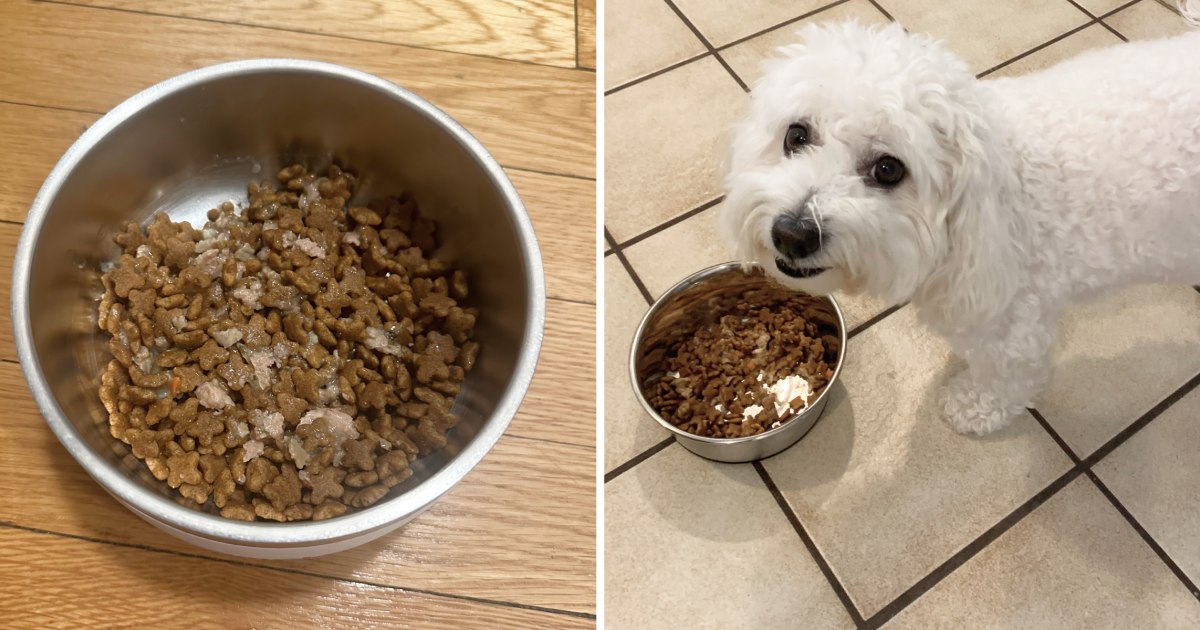
Credit: www.nbcnews.com

We’re the dedicated team behind MyPawSafe.com, with over a decade of combined experience in veterinary care, pet emergency response, and animal behavior. While we prefer to let our work speak for itself, our mission is clear: to provide science-backed, vet-approved advice that helps pet owners prevent accidents and save lives.