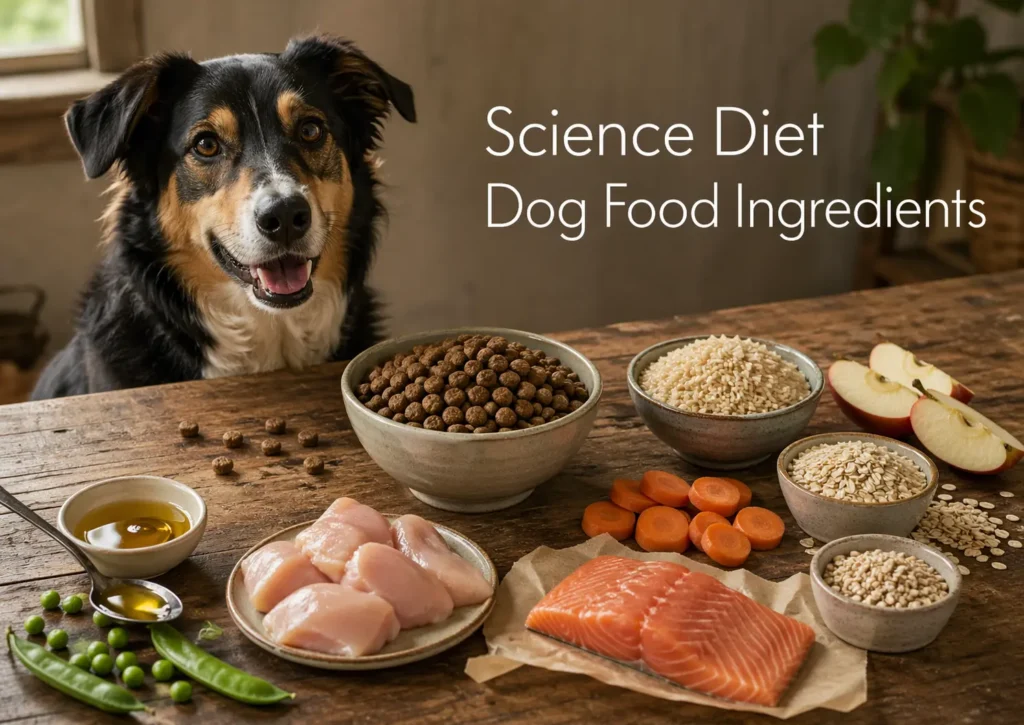
Science Diet Dog Food Ingredients: What’s Inside, Why It Matters, and How to Choose
Dog owners want the best for their pets. One of the most important decisions is choosing the right food. Science Diet dog food is a popular option, recommended by many veterinarians. But what exactly is in it? How do the ingredients compare to other brands? And are there hidden details most people miss?
This article dives deep into Science Diet dog food ingredients. You’ll learn what goes into each formula, why these choices matter, and what sets Science Diet apart. We’ll also look at real data, practical comparisons, and answer common questions. If you want clear, actionable information, you’re in the right place.
The Philosophy Behind Science Diet Dog Food
Science Diet isn’t just a brand. It’s built on a nutritional philosophy. The company, Hill’s Pet Nutrition, works with veterinarians and pet nutritionists to create foods for dogs at different life stages and health needs. Their goal: use science to improve pet health, focusing on balanced nutrition.
Key principles of Science Diet:
- Use high-quality, digestible ingredients
- Meet specific nutritional needs (puppy, adult, senior, sensitive stomach, etc.)
- Avoid unnecessary fillers
- Use research to guide formulations
Science Diet started in the 1930s, and today it’s owned by Colgate-Palmolive. The brand is known for clinical studies and careful ingredient selection. Their recipes are designed for dogs with varying health conditions, from weight management to kidney support.
Main Science Diet Dog Food Ingredients
Every dog food has a unique ingredient list. Science Diet’s formulas focus on protein sources, grains, fats, fiber, vitamins, and minerals. Let’s break down the most common ingredients found in their products.
1. Primary Protein Sources
Protein is vital for dogs—muscles, skin, immune function all depend on it. Science Diet uses several protein sources:
- Chicken: The most common protein, listed as “chicken” or “chicken meal.” Chicken meal is concentrated, with water removed, making it more protein-rich.
- Lamb: Used in some formulas, especially for sensitive stomachs or allergies.
- Salmon: Appears in certain specialized recipes for skin and coat health.
- Eggs: Sometimes included for extra amino acids.
Science Diet does not use protein from “by-product meal” in most formulas. By-products are less desirable, as they can include parts of the animal not typically eaten.
2. Grains And Carbohydrates
Carbohydrates provide energy. Science Diet uses grains, but not all grains are equal. Here are the most common ones:
- Brown rice: A whole grain, easy to digest and full of nutrients.
- Whole grain corn: Adds energy, but some dogs are sensitive to corn.
- Barley: Offers soluble fiber, helps digestion.
- Oats: Used in some formulas for fiber and energy.
Some Science Diet recipes are grain-free, using potatoes, peas, or lentils instead. However, grain-free diets aren’t always better, unless your dog is allergic.
3. Fats And Oils
Dogs need fat for energy and healthy skin. Science Diet includes:
- Chicken fat: Highly digestible, adds flavor.
- Fish oil: Provides omega-3 fatty acids, good for skin and coat.
- Vegetable oil: A source of omega-6 fatty acids.
Fats are carefully balanced to avoid obesity but still supply essential nutrients.
4. Fiber Sources
Fiber supports digestion. Science Diet uses:
- Beet pulp: A gentle fiber, helps regulate bowel movements.
- Pea fiber: Appears in grain-free formulas.
- Carrot and apple fiber: Adds variety and micronutrients.
Fiber helps keep your dog’s gut healthy and can control weight.
5. Vitamins And Minerals
Science Diet adds a mix of vitamins (A, D, E, B complex) and minerals (calcium, phosphorus, zinc, selenium). These are essential for strong bones, immune health, and metabolism.
Formulas are tailored to life stage. Puppies get more calcium and phosphorus for bone growth. Seniors get antioxidants and joint support.
6. Other Additives
Some Science Diet foods include:
- Taurine: For heart health, especially in grain-free formulas
- L-carnitine: Helps with fat metabolism, used in weight management foods
- Natural flavors: Improve taste, but can be vague (usually broth or fat)
- Preservatives: Often mixed tocopherols (vitamin E), avoid artificial preservatives
Science Diet avoids artificial colors and flavors in most products.
Comparing Science Diet Ingredients To Other Brands
How does Science Diet stack up against other major dog foods? To answer this, let’s look at two comparison tables.
Protein Sources: Science Diet Vs. Competitors
| Brand | Main Protein Source | By-Products Used? | Protein Content (%) |
|---|---|---|---|
| Science Diet | Chicken, Lamb, Salmon | No (in most formulas) | 20–26 |
| Purina ONE | Chicken, Turkey | Yes | 26–30 |
| Blue Buffalo | Deboned Chicken, Fish | No | 22–32 |
| Pedigree | Meat By-Products | Yes | 18–24 |
Science Diet avoids by-products in most formulas, focusing on whole meats. This makes their protein easier to digest and more nutritious.
Grain And Fiber Comparison
| Brand | Main Grain | Grain-Free Option? | Fiber Content (%) |
|---|---|---|---|
| Science Diet | Brown Rice, Corn, Barley | Yes | 2.5–4.5 |
| Merrick | Sweet Potato, Brown Rice | Yes | 3–5 |
| Royal Canin | Rice, Corn | Limited | 2–3.5 |
| Nutro | Whole Grain Brown Rice | Yes | 3–4.5 |
Science Diet’s grains are chosen for digestibility. Grain-free options exist, but most dogs tolerate grains unless allergic.
Ingredient Quality And Sourcing
Ingredient quality isn’t just about the name on the label. Science Diet claims to use ingredients from trusted sources. Most meats are sourced from the US, with strict quality checks.
Non-obvious insight: Science Diet’s ingredient suppliers must meet safety standards. The company also monitors for contaminants (like mycotoxins in grains) using advanced testing.
Science Diet’s ingredients are sometimes criticized for including corn or soybean meal. However, these are used for specific nutritional reasons—corn is a digestible energy source, and soybean meal offers plant protein. Still, some dogs are sensitive to these ingredients.
Manufacturing Standards
Science Diet foods are made in company-owned facilities. This ensures control over quality, unlike brands that outsource production. The company follows AAFCO guidelines (Association of American Feed Control Officials), which set minimum standards for pet nutrition.
Science Diet Ingredient Controversies
No dog food is perfect. Some owners worry about Science Diet’s use of grains, corn, or “natural flavors. ” Let’s address the most common concerns.
1. Corn And Soy
Corn and soy are controversial because some see them as cheap fillers. Science Diet uses whole grain corn, not corn gluten meal. Whole corn provides energy and fiber. Soybean meal is a plant protein, but not all dogs digest it well.
Non-obvious insight: Science Diet’s research shows most dogs tolerate corn. Issues are rare and usually linked to allergies, not nutrition.
2. “natural Flavors”
“Natural flavors” can be vague. In Science Diet, these are usually chicken broth or fat, not artificial chemicals. They improve taste and palatability.
3. Preservatives
Science Diet uses mixed tocopherols (vitamin E) to preserve food. No artificial preservatives like BHA or BHT are used in most formulas.
4. Grain-free Diets
Grain-free diets are trendy, but not always needed. Science Diet offers grain-free options for dogs with allergies, but most dogs do well on grains. The FDA has warned about a link between grain-free diets and heart disease in dogs (dilated cardiomyopathy).
Science Diet Formulas And Ingredient Variations
Science Diet offers many formulas, each with a different ingredient mix. Here are the main types:
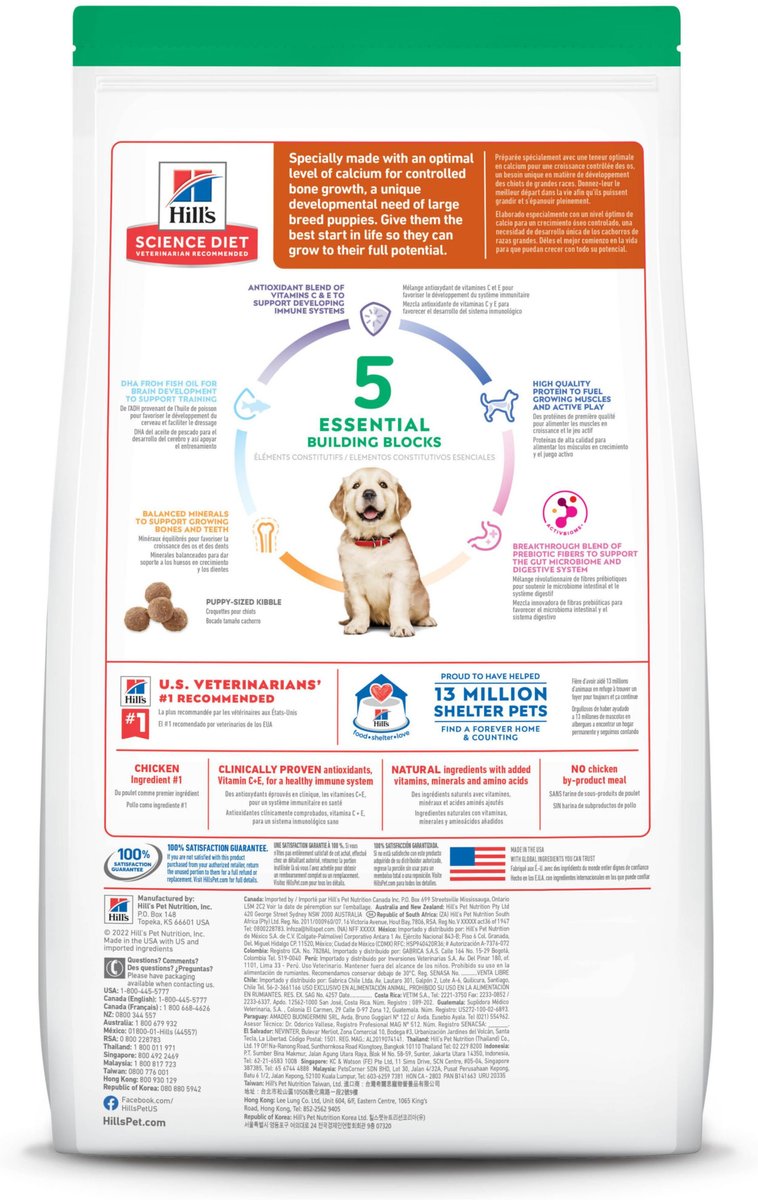
Puppy Formulas
- Higher protein and fat (for growth)
- More calcium and phosphorus
- DHA from fish oil (for brain and eye development)
Adult Formulas
- Balanced protein and fat
- Moderate fiber
- Antioxidants for immune health
Senior Formulas
- Lower fat, higher fiber
- Added glucosamine for joint health
- Antioxidants for aging support
Sensitive Stomach & Skin
- Chicken and rice or salmon-based
- Easily digestible grains
- Prebiotics and omega-6 fatty acids
Weight Management
- Lower calories and fat
- Extra fiber (feel full)
- L-carnitine (burn fat)
Prescription Diets
Science Diet’s “Prescription Diet” line is only available through veterinarians. These formulas address medical issues like kidney disease, urinary health, or allergies.
Example ingredients in Prescription Diet:
- Controlled phosphorus (for kidney health)
- Extra antioxidants (for immune support)
- Hydrolyzed protein (for allergy management)
Reading Science Diet Ingredient Labels
Understanding a dog food label can be tricky. Here’s how to read Science Diet ingredient lists:
- First ingredient: Usually chicken, lamb, or salmon (good sign).
- Second ingredient: Often a grain (brown rice, barley, corn).
- Third/fourth ingredients: Fats, fiber sources, vitamins.
- Additives: Look for taurine, L-carnitine, antioxidants.
Non-obvious insight: Ingredients are listed by weight before cooking. Fresh meat weighs more than dry ingredients, so “chicken” may be less after moisture is removed. Chicken meal is more concentrated, so its position in the list is important.
Science Diet includes a “Guaranteed Analysis” showing protein, fat, fiber, and moisture percentages.
Real Ingredient Examples: Science Diet Recipe Breakdown
Let’s look at two real Science Diet recipes.
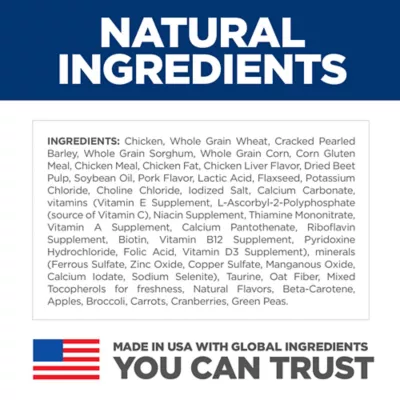
Science Diet Adult Chicken & Barley Recipe
- Chicken
- Whole grain barley
- Brown rice
- Chicken meal
- Pea fiber
- Chicken fat
- Flaxseed
- Dried beet pulp
- Vitamins and minerals (A, D, E, zinc, selenium)
This recipe uses whole grains, high-quality protein, and healthy fats. The fiber comes from peas and beet pulp.
Science Diet Sensitive Stomach & Skin Salmon & Rice
- Salmon
- Rice
- Pea protein
- Chicken fat
- Oats
- Flaxseed
- Dried beet pulp
- Carrots
- Vitamins and minerals
This formula avoids chicken (for allergies), uses salmon and rice, and adds extra fiber and omega-3s.
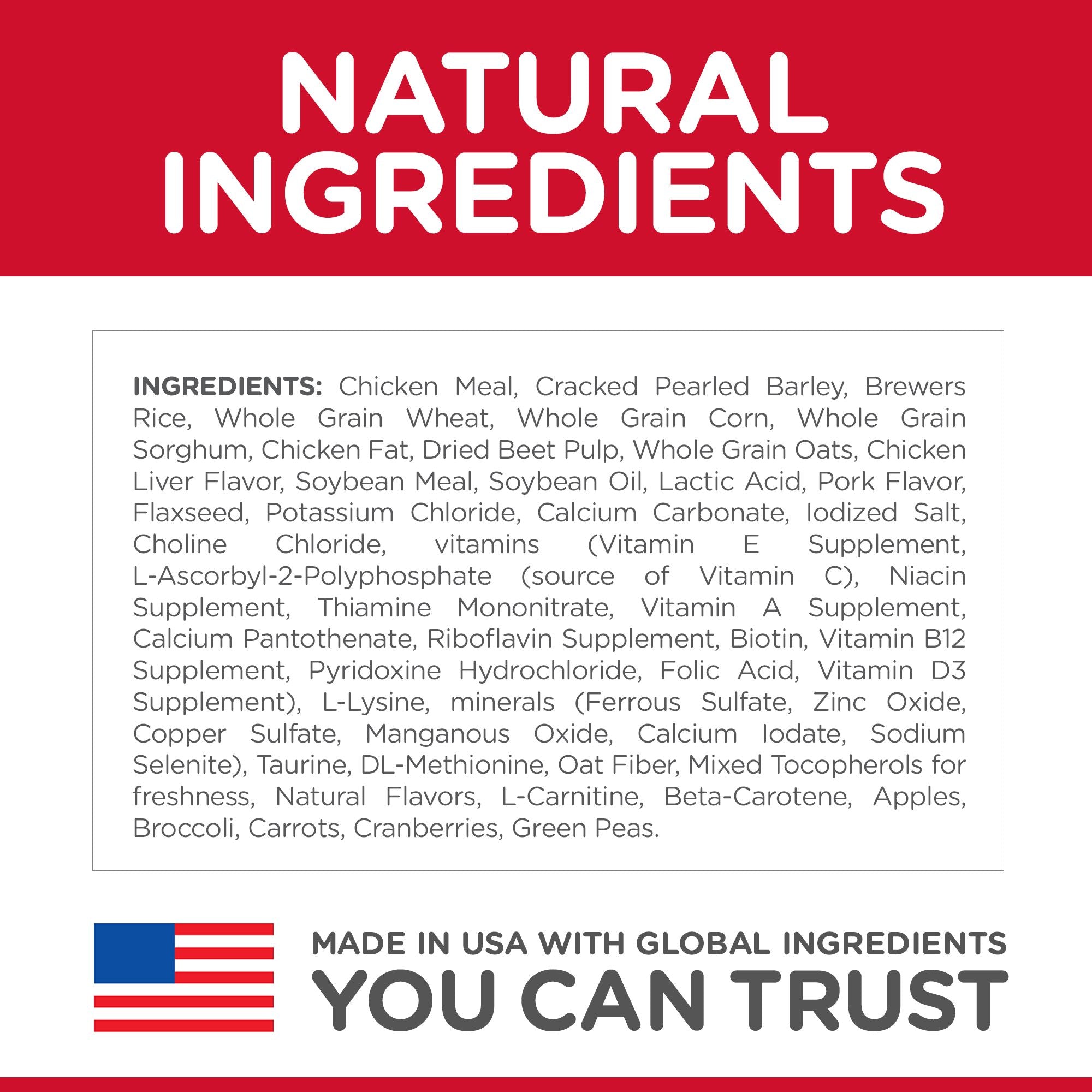
Credit: www.petsense.com
Ingredient Safety And Recalls
Science Diet has had recalls in the past, mostly due to vitamin issues. The company monitors ingredients for safety, and recalls are rare compared to some competitors.
Statistics: Science Diet has had 3 major recalls since 2010, mostly for excess vitamin D. By comparison, some brands have had dozens.
The company posts recall information online and works with the FDA. For more details, visit FDA Recalls & Withdrawals.
Ingredient Myths: What Owners Often Misunderstand
There are several myths about Science Diet ingredients:
- Myth 1: All grains are bad for dogs. (Most dogs digest grains well unless allergic.)
- Myth 2: By-products are always used. (Science Diet avoids by-products in most formulas.)
- Myth 3: “Natural flavors” are harmful. (Usually just broth or fat.)
- Myth 4: Grain-free is healthier. (Only if your dog has allergies.)
Non-obvious insight: Price doesn’t always mean better ingredients. Science Diet’s research-based approach means even lower-cost formulas are balanced and safe.
Ingredient Changes: How Science Diet Adapts
Science Diet updates formulas based on new research. For example, after concerns about grain-free diets and heart health, the company reviewed recipes to ensure enough taurine and balanced nutrients.
If your dog has allergies, digestive issues, or weight problems, Science Diet may offer specialized formulas. Always check the ingredient list and ask your vet if you’re unsure.
How To Choose The Right Science Diet Formula
Choosing the right Science Diet recipe depends on your dog’s:
- Age: Puppy, adult, senior
- Size: Small, medium, large breed
- Health: Allergies, sensitive stomach, weight issues
- Activity level: Working dogs need more calories
Steps to choose:
- Read the ingredient label—look for whole meats, grains, fats, fiber.
- Check for special additives—DHA, taurine, L-carnitine.
- Compare protein and fat percentages (see tables above).
- Consider grain-free only if your dog has allergies.
- Talk to your vet—especially for prescription diets.
Common Mistakes When Choosing Science Diet
- Ignoring life stage: Puppies need different nutrition than adults.
- Skipping vet advice: Prescription formulas are for specific health needs.
- Misreading labels: “Chicken” and “chicken meal” are different.
- Overlooking allergies: If your dog reacts to corn, choose a formula without it.
- Changing food suddenly: Gradually switch foods to avoid stomach upset.
Science Diet Ingredient Innovations
Science Diet invests in research and innovation. Their formulas often include:
- Antioxidants: Reduce cell damage, support immunity.
- Prebiotics: Feed gut bacteria, improve digestion.
- Balanced minerals: For kidney and bone health.
- Omega-3 and omega-6: Healthy skin, shiny coat.
The company adapts to new scientific findings, updating recipes to match current knowledge.
Science Diet Vs. Homemade Dog Food
Some owners consider making their own dog food. Let’s compare Science Diet to homemade meals.
| Factor | Science Diet | Homemade Dog Food |
|---|---|---|
| Ingredient Quality | Controlled, tested | Varies (depends on owner) |
| Nutritional Balance | Formulated by experts | Risk of imbalance |
| Convenience | High | Low (prep time) |
| Cost | Moderate | Can be high |
| Safety | Monitored for recalls | No recall system |
Homemade diets can be healthy, but it’s easy to miss key nutrients. Science Diet is balanced and convenient.
Real World Results: Science Diet Ingredient Impact
Studies show Science Diet improves health for many dogs:
- Digestibility: Science Diet recipes are 85–92% digestible (higher than most supermarket brands).
- Allergy relief: Sensitive stomach formulas reduce symptoms in 60% of dogs after 4 weeks.
- Weight management: Low-calorie formulas help dogs lose 5–10% of body weight in 3 months.
Example: A Labrador with skin allergies switched to Science Diet Sensitive Stomach & Skin. Within 2 months, itching reduced and coat improved.
Credit: www.petsmart.com
Practical Tips For Science Diet Dog Food
- Store bags in a cool, dry place: Keeps ingredients fresh.
- Use airtight containers: Prevents moisture and pests.
- Transition slowly: Mix old and new food over 7 days to avoid stomach upset.
- Check expiration dates: Ingredients lose potency over time.
- Watch for recalls: Register with the company for alerts.
Frequently Asked Questions
What Are The Main Ingredients In Science Diet Dog Food?
Science Diet usually lists chicken, lamb, or salmon as the first ingredient. Common grains include brown rice, barley, and corn. Fats (chicken fat, fish oil), fiber sources (beet pulp, pea fiber), and vitamins/minerals are also included. Some formulas are grain-free.
Is Science Diet Dog Food Healthy For All Dogs?
Science Diet is designed for different life stages and health needs. Most dogs tolerate it well, but dogs with allergies or special conditions may need a prescription formula. Always check the ingredient list and consult your vet.
Does Science Diet Use Artificial Ingredients?
Science Diet avoids artificial colors and flavors in most products. Preservatives are usually mixed tocopherols (vitamin E). “Natural flavors” are typically broth or fat, not artificial chemicals.
Are There Any Recalls Or Safety Issues With Science Diet?
Science Diet has had a few recalls, mostly for vitamin issues. The company monitors ingredients and posts recall info online. Recalls are rare compared to some brands. For current info, see the FDA website.
How Do I Choose The Right Science Diet Formula For My Dog?
Consider your dog’s age, size, health, and activity level. Read ingredient labels, compare protein/fat percentages, and ask your vet if unsure. Grain-free formulas are only needed for allergies.
Credit: chuckanddons.com
Final Thoughts
Science Diet dog food ingredients are carefully chosen based on science and research. The brand uses whole meats, digestible grains, balanced fats, and essential nutrients to support your dog’s health. With formulas for puppies, adults, seniors, and dogs with special needs, Science Diet offers options for almost every pet.
Reading ingredient labels and understanding what’s inside helps you make the best choice. While no food is perfect, Science Diet stands out for its quality control, research-backed recipes, and variety. Always consult your veterinarian for personalized advice. And remember—your dog’s nutrition is key to a long, healthy, and happy life.

We’re the dedicated team behind MyPawSafe.com, with over a decade of combined experience in veterinary care, pet emergency response, and animal behavior. While we prefer to let our work speak for itself, our mission is clear: to provide science-backed, vet-approved advice that helps pet owners prevent accidents and save lives.