A dog’s loyalty is one of their most lovable traits. But sometimes, that loyalty can turn into resource guarding, where your dog becomes very protective of you. This behavior might look like growling, snapping, or blocking others from approaching you. Many owners feel confused or even guilty when their dog does this. It’s not only awkward—it can be dangerous, especially around children or guests.
Resource guarding is a natural instinct in dogs, but it’s not healthy when directed at their human. The good news: You can fix this problem. With patience, the right strategies, and clear understanding, your dog can learn to share you peacefully. In this guide, you’ll learn why dogs guard their owners, how to change their behavior, and the steps to build a calmer home. We’ll also look at real examples, common mistakes, and the best ways to prevent guarding before it starts.
What Is Resource Guarding Of An Owner?
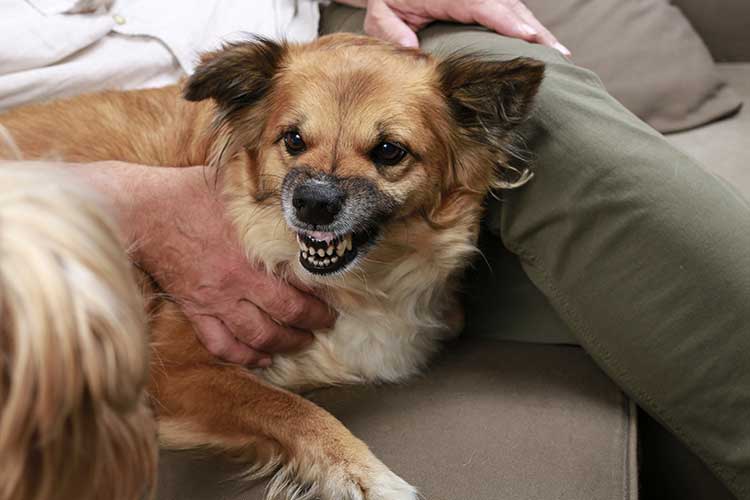
Resource guarding means a dog protects something they value. Usually, we think of toys or food, but some dogs see their owner as a resource. If your dog shows aggression or blocks others from you, they’re guarding you.
Common Signs
- Growling when someone approaches you
- Snapping at other pets or people near you
- Following you closely and pushing others away
- Stiff body language or staring at “intruders”
- Barking when you show attention to others
Dogs might guard you from family, friends, or even other pets. This behavior can happen at home or outside, like at the park. Some breeds are more likely to guard, especially those bred for protection.
Why Dogs Guard Their Owners
Dogs guard what they value most. For some, that’s food; for others, it’s their favorite person. Your dog might see you as their main source of security, love, or fun. If they’re worried someone will take you away, they try to keep you for themselves.
Not every dog shows guarding. It depends on their personality, early experiences, and how they view their place in your family. Sometimes, guarding starts after a big change, like moving house or a new pet joining the home.
Understanding The Root Causes
To solve resource guarding, you must first understand why your dog does it. Knowing the cause helps you pick the right solution.
Instinct And Genetics
Dogs are descended from animals who had to protect their resources to survive. Some breeds, like German Shepherds and Rottweilers, are naturally more protective. But even gentle breeds can guard if they feel insecure.
Past Experiences
Dogs who were rescued or rehomed may have learned to guard people or things. If they had to fight for attention in the past, they might see you as a prize to protect.
Changes In Routine
Big changes can trigger guarding. Examples include:
- A new baby or pet
- Moving to a new home
- Changes in owner’s work hours
Dogs thrive on routine. When their world shifts, they might cling to their owner and guard harder.
Insecurity And Anxiety
Some dogs guard because they feel unsafe. If your dog is nervous around other people or animals, they may try to keep them away from you.
Reinforcement From Owners
Sometimes, owners unknowingly reward guarding. For example, if you pick up your dog when they growl at someone, your dog learns that guarding gets your attention.

Credit: www.preventivevet.com
How Resource Guarding Affects Your Life
Resource guarding isn’t just a dog problem—it affects everyone in the home. It can make guests uncomfortable, cause fights between pets, and create stress.
Impact On Family
Guarding can turn visits and playtime into tense moments. Children might feel scared, and other pets can become anxious. It may even lead to bites or injuries.
Impact On Your Dog
A guarding dog is often stressed. They’re always watching, worried someone will “steal” you. This can lead to health problems, like high cortisol levels and poor sleep.
Impact On Relationships
If you feel guilty or embarrassed, you may avoid inviting friends over. Some owners limit their dog’s freedom, which isn’t fair to the dog or family.
How To Stop A Dog From Resource Guarding Its Owner
Solving resource guarding takes time and patience. There’s no quick fix, but with the right steps, you can help your dog feel secure and less possessive.
Step 1: Identify Triggers
Start by noticing when your dog guards you. Is it:
- When you hug someone?
- When another pet gets close?
- When guests visit?
Write down these triggers. Tracking them helps you see patterns and avoid mistakes.
Step 2: Keep Calm And Safe
Never punish your dog for guarding. This can make them more anxious. Instead:
- Stay calm during guarding episodes
- Avoid yelling or sudden movements
- Remove your dog gently if needed
Safety comes first. If your dog is aggressive, use barriers or leashes to protect others.
Step 3: Control The Environment
Set up your home to reduce guarding chances. Use:
- Baby gates to separate your dog during visits
- Leash indoors if needed
- Safe spaces where your dog can relax
Give your dog a cozy spot away from you, with toys and treats. This teaches them they’re okay alone.
Step 4: Teach “sharing” Behaviors
Train your dog to accept others near you. Start with easy steps:
- Ask a friend or family member to approach while you’re with your dog.
- If your dog stays calm, reward them with a treat.
- If they growl or snap, the other person backs away, and you ignore the behavior.
Repeat often. Over time, your dog learns that calm behavior brings rewards.
Step 5: Practice Positive Association
Pair people approaching you with good things. For example:
- When someone comes near, give your dog a favorite treat.
- Let others toss treats to your dog as they approach you.
- Gradually increase how close people get before giving treats.
This builds a positive association with others being near you.
Step 6: Teach Independence
Dogs who guard often struggle to be alone. Help them feel confident:
- Practice short separations (leave the room for a minute)
- Reward calm behavior when you return
- Use puzzle toys to keep them busy
Avoid making a big fuss when leaving or returning. This helps your dog see alone time as normal.
Step 7: Use Obedience Training
Basic commands help control your dog and build trust. Teach:
- Sit and stay when someone approaches
- Go to your mat or place for calm separation
- Leave it or drop for stopping unwanted behavior
Obedience makes it easier to manage guarding moments.
Step 8: Avoid Common Mistakes
Owners often make mistakes that worsen guarding:
- Punishing or yelling at the dog
- Giving attention when the dog guards
- Ignoring early signs (like stiff posture or staring)
- Pushing your dog’s limits too quickly
Recognizing these errors can speed up progress.
Practical Examples And Real-life Scenarios
Let’s look at real situations to see how these steps work.
Example 1: Guarding At Home
Anna’s dog, Max, growls when her husband sits next to her. Anna:
- Starts rewarding Max for calm behavior when her husband approaches
- Uses a leash for safety at first
- Gradually increases the time her husband spends near her
- Gives Max treats from her husband
After a few weeks, Max relaxes and stops guarding.
Example 2: Guarding Against Other Pets
Luna, a rescue dog, blocks the family cat from sitting on the couch. Her owner:
- Sets up a cozy dog bed in another room
- Practices rewarding Luna for staying calm when the cat comes near
- Uses gates to separate them during stressful times
Luna learns that sharing space brings rewards—not threats.
Example 3: Guarding During Visits
Charlie, a Labrador, barks and growls at guests who hug his owner. The owner:
- Prepares a safe space for Charlie during visits
- Gradually introduces guests with treats and calm voices
- Practices obedience commands like “go to your mat”
Charlie soon sees guests as friends, not rivals.
Advanced Training Methods
For strong guarding, basic steps may not be enough. Sometimes, you need advanced methods.
Desensitization
This means slowly exposing your dog to triggers, starting with easy steps:
- Have someone approach from a distance
- Reward calmness
- Gradually reduce the distance
Desensitization takes weeks or months but works well for serious cases.
Counter-conditioning
Change your dog’s feelings about others near you. Instead of fear or anger, teach them to expect fun:
- When someone approaches, give a high-value treat
- Repeat until your dog looks happy, not tense
This technique is best with guidance from a professional trainer.
Management Tools
Use tools to manage behavior while training:
- Leashes for control
- Muzzles for safety during strong guarding
- Barriers like gates or crates
These tools don’t solve guarding but keep everyone safe.
When To Seek Professional Help
Resource guarding can be dangerous. If your dog:
- Bites or tries to bite
- Guards in many situations
- Shows intense aggression
It’s time to call a certified trainer or behaviorist. Professionals can help with:
- Custom training plans
- Advanced desensitization
- Safe management
They may use special techniques, like behavior modification or medication for severe anxiety.
Data On Professional Success
Studies show that professional help is highly effective. According to the American Veterinary Society of Animal Behavior, over 80% of dogs improve with expert training and owner commitment.
Comparison Of Home Vs Professional Training
To help you decide, here’s a clear comparison:
| Factor | Home Training | Professional Training |
|---|---|---|
| Cost | Low | High |
| Speed | Slow to moderate | Faster (with expert) |
| Safety | May be risky with strong guarding | Safer (expert supervision) |
| Customization | Basic | Tailored to your dog |
| Success Rate | Moderate | High |
Preventing Resource Guarding Before It Starts
Prevention is easier than cure. If you have a puppy or a new dog, you can reduce guarding risks.
Early Socialization
Expose your dog to different people and pets. This teaches them to share attention and space.
- Invite friends over often
- Arrange playdates with other dogs
- Let your dog watch family members interact
Teach Sharing
Practice “sharing” games:
- Let others feed your dog
- Practice calm greetings with new people
- Use treats to reward calmness
This builds a habit of sharing, not guarding.
Avoid Reinforcing Guarding
Never reward guarding. If your dog growls or blocks someone, don’t pick them up or give attention. Wait for calm behavior, then reward.
Set Clear Boundaries
Teach your dog where they can and can’t go. Use commands like “stay” or “go to your mat. ” This helps prevent guarding situations.
Breed And Personality Differences
Some breeds are more prone to guarding. But personality matters too.
Guarding Prone Breeds
- German Shepherd
- Rottweiler
- Doberman
- Akita
These breeds were bred to protect, so guarding is natural. But any dog can guard if they feel insecure.
Personality Factors
Bold, confident dogs may guard less. Nervous or shy dogs are more likely to guard. Early training and socialization help all dogs.
Credit: www.animalbehaviorcollege.com
Data: How Common Is Resource Guarding?
Studies show that around 20% of dogs display some resource guarding. Guarding people is less common than guarding food or toys, but it’s still seen in many homes.
A survey by ASPCA found:
| Type of Guarding | Percentage of Dogs |
|---|---|
| Food | 15% |
| Toys | 10% |
| Owner | 5% |
Guarding is more common in multi-pet homes and in dogs with less socialization.
Mistakes Owners Make
Many owners accidentally make guarding worse.
Common Mistakes
- Punishing guarding behavior
- Ignoring early warning signs
- Rewarding guarding with attention
- Rushing the training process
- Allowing unsupervised interactions
Non-obvious Insights
- Dogs often guard only certain people, not everyone. Notice who your dog guards most.
- Guarding might happen only in specific places (like the couch or bedroom).
- Some dogs guard more when tired or stressed. Watch for patterns.
How Long Does It Take To Fix Resource Guarding?
Changing this behavior is slow. Most dogs need several weeks to months of steady training. Severe cases may take longer.
Factors Affecting Speed
- Dog’s age and personality
- Severity of guarding
- Owner’s consistency
- Professional help
Dogs who learn early and practice often improve faster.
Safety Tips For Owners
Safety matters most during training.
- Always supervise children with guarding dogs
- Use barriers if needed
- Never force your dog into stressful situations
- If your dog shows aggression, use a leash or muzzle
- Practice calm, confident handling
Real Progress: Data Table
Here’s a table showing average progress timelines:
| Severity | Time to Improvement | Success Rate (with Consistent Training) |
|---|---|---|
| Mild | 2–4 weeks | 90% |
| Moderate | 1–3 months | 75% |
| Severe | 3–6 months | 60% |
Practical Tips For Faster Success
- Keep training sessions short and positive
- Use high-value treats (cheese, chicken)
- Practice daily, not just once a week
- Involve all family members in training
- Watch your dog’s body language for stress signs
Credit: www.petful.com
Expert Advice For Tough Cases
If progress is slow:
- Try different treats or rewards
- Change training locations for new challenges
- Practice with various people, not just family
- If needed, seek expert help
For more detailed guidance, visit the American Kennel Club: AKC Resource Guarding Guide.
Frequently Asked Questions
What Causes A Dog To Guard Its Owner?
Most dogs guard their owner because they see them as a valuable resource. It’s usually linked to instinct, past experiences, or changes in the environment. Dogs may feel insecure or anxious and think guarding keeps them safe.
Is It Dangerous If My Dog Guards Me?
Guarding can be risky, especially if your dog shows aggression. It can lead to bites or fights between pets. Always supervise and use barriers if needed. Seek professional help if your dog’s behavior is strong.
Can All Dogs Learn To Stop Guarding?
Most dogs can improve with consistent training and patience. Severe cases may need expert help. Early socialization and teaching sharing behaviors work best.
How Long Does It Take To Fix Resource Guarding?
It usually takes weeks to months. Mild cases can improve in 2–4 weeks, while severe cases may take up to 6 months. Consistency and calm training are key.
Should I Punish My Dog For Guarding Me?
No, punishment makes guarding worse. It increases anxiety and aggression. Instead, use positive reinforcement and teach your dog calm behaviors.
Resource guarding is tough, but it’s fixable. With the right steps, your dog can learn to share you and live peacefully with family and friends. Stay patient, use positive methods, and don’t hesitate to ask for expert help. Your home can become a happier, safer place for everyone.
We’re the dedicated team behind MyPawSafe.com, with over a decade of combined experience in veterinary care, pet emergency response, and animal behavior. While we prefer to let our work speak for itself, our mission is clear: to provide science-backed, vet-approved advice that helps pet owners prevent accidents and save lives.