Crate training is often seen as a tool for puppies, but it holds significant benefits for older dogs as well. Whether you’ve adopted an adult dog, are helping a rescue adjust, or simply want to provide your longtime friend with a safe space, learning how to crate train an older dog can transform both your lives.
Crate training is not just about teaching your dog to stay in a box; it’s about building trust, reducing anxiety, and creating a routine that supports your dog’s well-being at any age.
Many people believe older dogs can’t learn new habits, but this is a myth. Adult and senior dogs can adapt to crates with the right approach, patience, and understanding. In fact, crates can help with house training, prevent destructive behavior, and give your dog a sense of security during stressful times like travel or vet visits.
However, crate training an older dog does bring unique challenges compared to working with puppies. Understanding these differences will help you avoid frustration and set your dog up for success.
This guide will walk you through every step of crate training an older dog. You’ll discover how to choose the best crate, prepare your home, introduce the crate in a positive way, and handle common issues along the way. You’ll also find tips for special cases, like dogs with separation anxiety or medical problems.
By the end, you’ll have a complete strategy to help your older dog embrace their crate as a safe and happy place.
Why Crate Training Matters For Older Dogs
Crate training is not just for puppies. Older dogs, including those adopted from shelters or rehomed, can benefit greatly from learning to use a crate. The crate becomes a safe retreat—a place where your dog can relax, sleep, or escape from loud noises or busy households. Older dogs are more likely to face anxiety, especially in new environments. A crate offers consistency and comfort.
For adult dogs, crates can help with:
- House training: If your dog has accidents, a crate supports a regular bathroom schedule.
- Preventing destructive behavior: Dogs left alone might chew or get into things they shouldn’t. A crate keeps them safe.
- Safe travel: A crate-trained dog is less stressed during car rides or air travel.
- Medical recovery: After surgery or illness, a crate helps limit movement for proper healing.
- Stress reduction: Crates can reduce anxiety during thunderstorms, fireworks, or when strangers visit.
Surprisingly, the American Veterinary Medical Association notes that older rescue dogs with crate experience are adopted up to 30% faster, as they adjust better to new homes.
Understanding The Challenges: Older Dogs Vs. Puppies
Crate training an older dog is different from training a puppy. Puppies are blank slates, but older dogs come with past experiences—some positive, some negative. They might not have seen a crate before, or they could associate it with fear or punishment.
Here’s a look at key differences:
| Factor | Puppies | Older Dogs |
|---|---|---|
| Learning Speed | Quick, but short attention span | Slower, needs patience |
| Habits | Few established habits | May have strong habits (good or bad) |
| Physical Needs | Frequent potty breaks | May hold bladder longer, but some seniors have medical needs |
| Emotional Response | Curious, less fearful | Can be anxious, fearful, or resistant to change |
Older dogs may need more time to trust the crate, especially if they have separation anxiety or have been confined in a negative way before. It’s important to move slowly and celebrate small wins.
Choosing The Right Crate For Your Older Dog
Selecting the right crate is your first big decision. The wrong crate can make your dog uncomfortable or even scared. Here’s what to consider:
Size And Type
- Size: Your dog should be able to stand up, turn around, and lie down comfortably. Too small, and it’s cramped; too large, and your dog may use one corner as a bathroom.
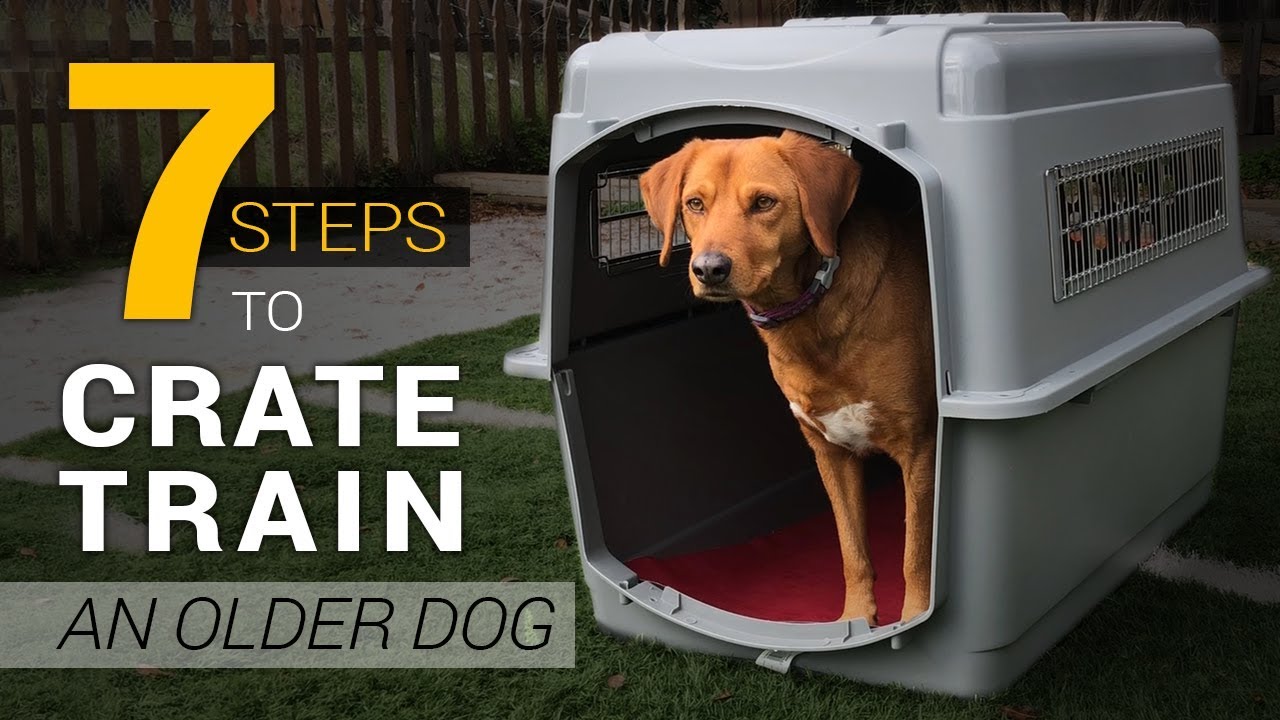
- Material: Common options include wire, plastic, and fabric. Wire crates offer visibility and ventilation; plastic crates can feel cozier; soft-sided crates are lightweight but not for chewers.
For example, a medium-sized dog (40-60 lbs) often fits well in a 36-inch wire crate. Always check the manufacturer’s recommendations.
Ease Of Entry
Older dogs, especially those with arthritis or mobility issues, may struggle with high steps or narrow doors. Look for crates with low thresholds and wide openings. Some crates have double doors, which can help dogs enter and exit more comfortably.
Comfort Features
Add a soft bed or crate pad for joint support. Avoid anything your dog might chew or swallow. Consider a cover for a “den-like” feel, but ensure good airflow.
Location In Your Home
Place the crate in a quiet but not isolated spot—like the corner of the living room. This way, your dog feels part of the family but not overwhelmed.
Preparing Your Dog And Home For Crate Training
Before you start actual training, some preparation helps your older dog feel safe and curious about their new crate.
Make The Crate Inviting
- Keep the door open at first.
- Place soft bedding, a favorite toy, or a worn T-shirt with your scent inside.
- Use treats to create positive associations—scatter a few in the crate.
Set A Routine
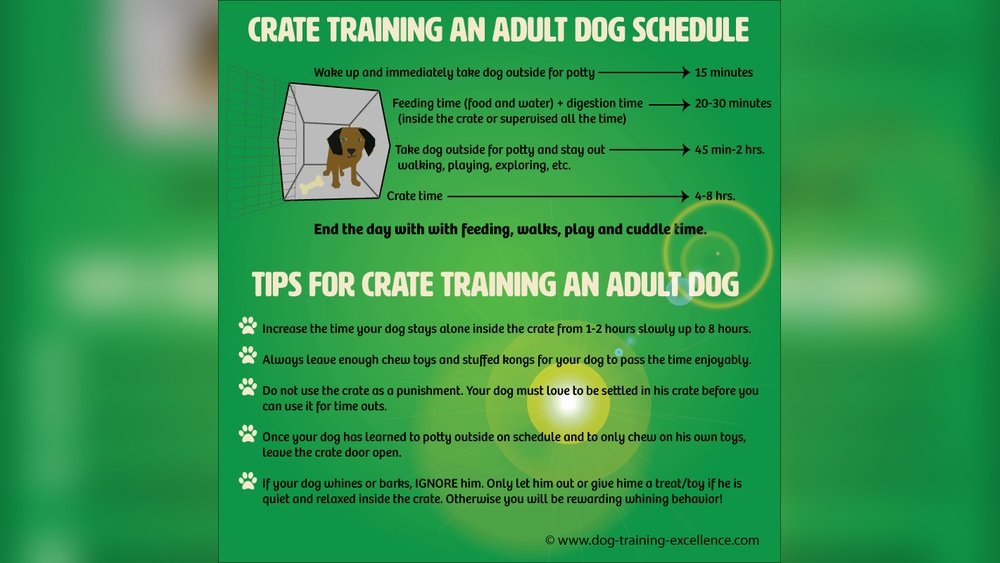
Older dogs thrive on routine. If possible, introduce the crate after a walk or play session, when your dog is tired and relaxed.
Remove Triggers
If your dog is nervous about loud noises or busy activity, choose a time and place with minimal distractions. Avoid starting crate training during stressful events like moving homes or parties.
Step-by-step Process: Crate Training An Older Dog
Training takes time, but breaking the process into steps helps your dog adjust at their own pace. Each step might take a few days or a few weeks. The key is to move forward only when your dog is relaxed and comfortable.
1. Introduction To The Crate
- Let your dog explore the crate with the door open.
- Toss treats or kibble inside. Praise your dog when they go near or inside.
- Avoid forcing your dog in or closing the door at this stage.
2. Feeding Meals In The Crate
- Start feeding your dog meals near the crate.
- Gradually move the bowl further inside, until your dog is eating with all four paws inside the crate.
- Once your dog is comfortable, gently close the door while they eat. Open it as soon as they finish.
3. Short Sessions With The Door Closed
- After meals, close the door for a few minutes. Stay nearby and talk calmly.
- If your dog stays relaxed, increase the time by a few minutes each day.
- If they whine or scratch, wait for quiet before opening the door (so they don’t learn that making noise gets them out).
4. Extending Crate Time
- Give your dog a safe chew toy or treat-stuffed Kong.
- Practice while you’re home. Start with 5–10 minutes, then slowly increase to 30–60 minutes.
- Leave the room for short periods, then return calmly.
5. Leaving The House
- Once your dog is calm for 30 minutes alone, try short departures.
- Keep arrivals and departures low-key. Don’t make a big fuss.
6. Overnight Crate Training
- If you want your dog to sleep in the crate, move it near your bed at first.
- Offer a bedtime chew or soft toy.
- Set nighttime bathroom breaks if your dog can’t hold it all night.
Common Problems And How To Solve Them
Even with the best plans, challenges can appear. Here are some frequent issues and solutions:
Dog Refuses To Enter The Crate
- Try a higher-value treat or favorite toy.
- Feed all meals near or inside the crate.
- Make the crate part of a game (toss treats in, then let your dog come out freely).
Whining Or Barking
- Ignore whining unless you suspect your dog needs a bathroom break.
- Only let your dog out when they’re quiet.
- If the whining continues for days, go back a step—your dog may be moving too fast.
Accidents In The Crate
- Check if the crate is too large (dog may use one end as a toilet).
- Review your dog’s bathroom schedule—older dogs might need more breaks, especially seniors.
- Clean up accidents with an enzyme cleaner to remove odors.
Chewing Or Escape Attempts
- Make sure your dog has safe chew toys.
- Never use the crate as punishment—this can cause fear and escape attempts.
- If your dog is a strong chewer, avoid soft-sided crates.
Separation Anxiety
Dogs with separation anxiety may struggle more with crate training. Signs include drooling, frantic attempts to escape, or destructive behavior.
- Start with very short absences.
- Leave something with your scent in the crate.
- Use calming aids like a pheromone diffuser or white noise.
- In severe cases, consult a professional trainer or veterinary behaviorist.

Credit: hilinelaw.com
Special Cases: Adoptees, Seniors, And Medical Needs
Crate training a dog with a history of trauma or medical issues requires extra care.
Newly Adopted Or Rescue Dogs
Shelter dogs might have negative associations with crates. Go slowly, and never force entry. Use the crate as a place for treats, soft words, and comfort—never isolation or punishment.
Senior Dogs
Older dogs may have arthritis, vision loss, or hearing problems. Provide extra padding, a crate with a low step, and avoid sudden movements or loud noises near the crate. Be prepared for more bathroom breaks, especially at night.
Dogs With Medical Issues
If your dog has incontinence, joint pain, or other health concerns, talk to your vet before starting crate training. You might need a special mattress, waterproof liner, or a larger crate for medical equipment.
How Long Will It Take? Timelines And Expectations
Every dog is different, but most older dogs can learn to enjoy their crate in 2 to 6 weeks. Some may adapt faster, while anxious or previously traumatized dogs need more time.
Here’s a rough timeline:
| Week | Goal |
|---|---|
| 1 | Dog explores crate, eats meals inside, door remains open |
| 2 | Short sessions with door closed after meals |
| 3 | Longer sessions (up to 30 mins), owner leaves room briefly |
| 4+ | Dog stays in crate calmly for 1–2 hours, owner leaves home for short periods |
Some dogs might need to repeat steps or pause progress during stressful life events. That’s normal—stay patient and flexible.
Advanced Tips For Success
While the basics work for most older dogs, a few advanced tips can help make crate training smoother and faster.
Use A Cue Word
Teach a cue like “crate” or “bed” by saying it every time your dog enters the crate. Over time, your dog will connect the word with the action.
Keep A Training Journal
Track your dog’s progress—note what works, how long your dog stays calm, and any problems. This helps you spot patterns and adjust your plan.
Rotate Toys And Chews
Keep the crate interesting by swapping in different toys or safe chews. This prevents boredom and creates positive associations.
Limit Crate Time
Don’t leave your dog in the crate for long workdays. The Humane Society suggests no more than 4–6 hours at a time for adult dogs. If you work long hours, consider a dog walker or pet sitter.
Watch Body Language
Look for signs of stress: panting, whining, licking lips, or refusing to enter. If you see these, slow down and review your approach.
Seek Professional Help If Needed
If your dog shows extreme fear, aggression, or persistent anxiety, contact a certified trainer or veterinary behaviorist. They can provide a custom plan and support.
Mistakes To Avoid
Crate training an older dog is a journey, and some common mistakes can set you back. Avoid these pitfalls:
- Rushing the process: Skipping steps or moving too fast can make your dog fearful.
- Using the crate as punishment: This destroys trust.
- Ignoring bathroom breaks: Older dogs may need more frequent outings, especially seniors.
- Leaving your dog too long: Extended confinement is stressful and unhealthy.
- Not making the crate comfortable: Hard floors or no bedding can deter your dog.
- Inconsistent routine: Dogs thrive on predictability.
- Failing to monitor signs of stress: Always pay attention to your dog’s body language.
Credit: www.youtube.com
Real-life Example: Crate Training “max”
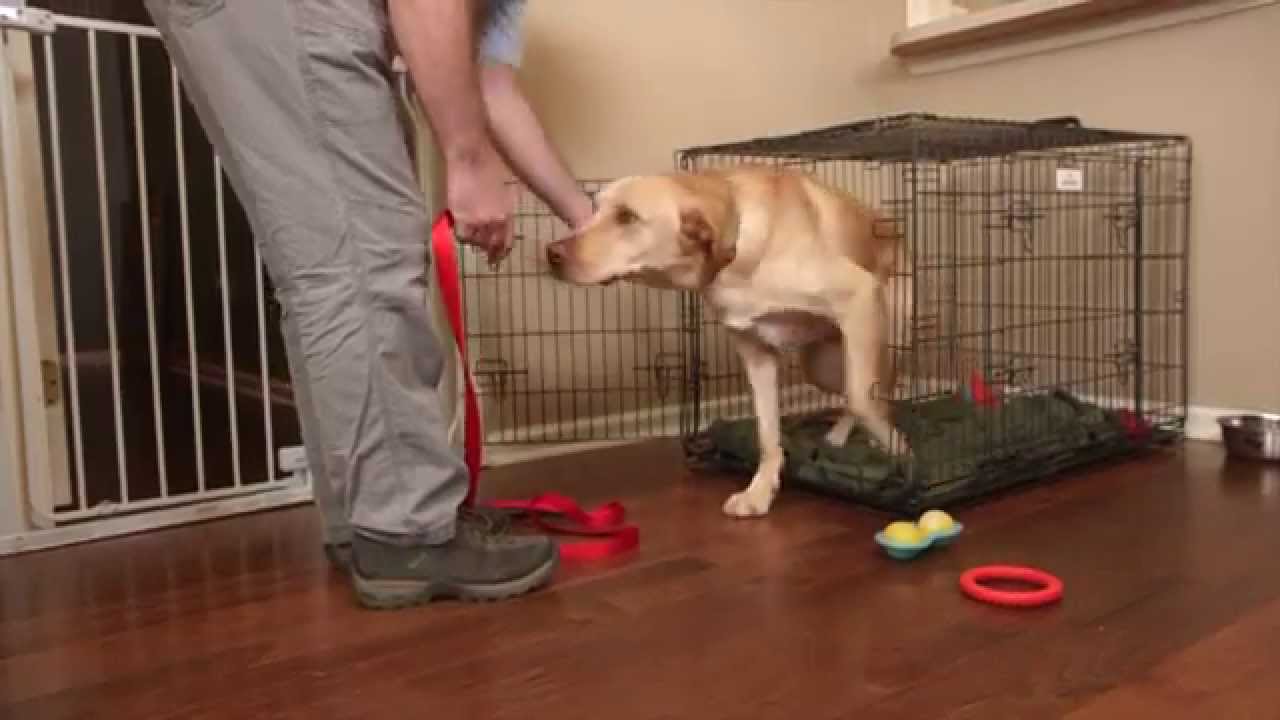
Let’s look at Max, a 7-year-old Labrador mix adopted from a shelter. Max had never used a crate before and was nervous around small spaces.
- His owner started by placing the crate in the living room with the door open, tossing treats inside for a few days.
- Meals were served near the crate, then inside, with the door open.
- After a week, the owner closed the door for two minutes while Max ate, then gradually increased the time.
- When Max whined, his owner waited until he was quiet to let him out.
- By week three, Max could stay in the crate for 30 minutes with a chew toy while his owner left the room.
- By week five, Max went into the crate on his own and relaxed during short absences.
Key lessons from Max’s story: patience, positive associations, and a gradual approach led to success—even for a dog with no crate experience.
Frequently Asked Questions
How Long Can I Leave My Older Dog In The Crate Each Day?
Adult dogs should not be left in a crate for more than 4–6 hours at a time. Seniors or dogs with medical issues may need bathroom breaks every 2–4 hours. Overnight crating is usually fine if your dog can hold it, but always check for signs of discomfort or distress.
What If My Dog Has Never Used A Crate Before?
Start slowly. Introduce the crate as a safe, positive place with treats and meals inside. Don’t close the door until your dog is comfortable entering and staying inside. Patience is key; for some dogs, this process can take several weeks.
Can I Crate Train A Dog With Separation Anxiety?
Yes, but it’s harder. Use a slow, gentle process. Leave comfort items in the crate and start with very short absences. Some dogs need extra support from a trainer or behaviorist. Crate training should never add to your dog’s anxiety.
What Type Of Crate Is Best For An Older Dog?
A crate that’s large enough to stand and turn, with a soft bed and easy entry, is ideal. Wire crates are popular, but plastic or fabric crates work for non-chewers. For dogs with joint pain, look for crates with low thresholds and extra padding.
Where Can I Find More Resources On Crate Training?
For more detailed information and science-backed advice, visit the ASPCA’s official crate training guide.
Credit: www.youtube.com
Final Thoughts
Crate training an older dog is possible—and often life-changing for both of you. It requires patience, empathy, and a careful plan, but the rewards are worth the effort. A well-trained dog feels safe and secure, and you gain peace of mind knowing your companion is comfortable and protected when you’re away.
Remember, every dog is unique. Move at your dog’s pace, celebrate small wins, and don’t hesitate to seek help if you encounter problems. With time, your older dog can learn to love their crate—and you’ll both enjoy the benefits of a happier, less stressful life together.
We’re the dedicated team behind MyPawSafe.com, with over a decade of combined experience in veterinary care, pet emergency response, and animal behavior. While we prefer to let our work speak for itself, our mission is clear: to provide science-backed, vet-approved advice that helps pet owners prevent accidents and save lives.