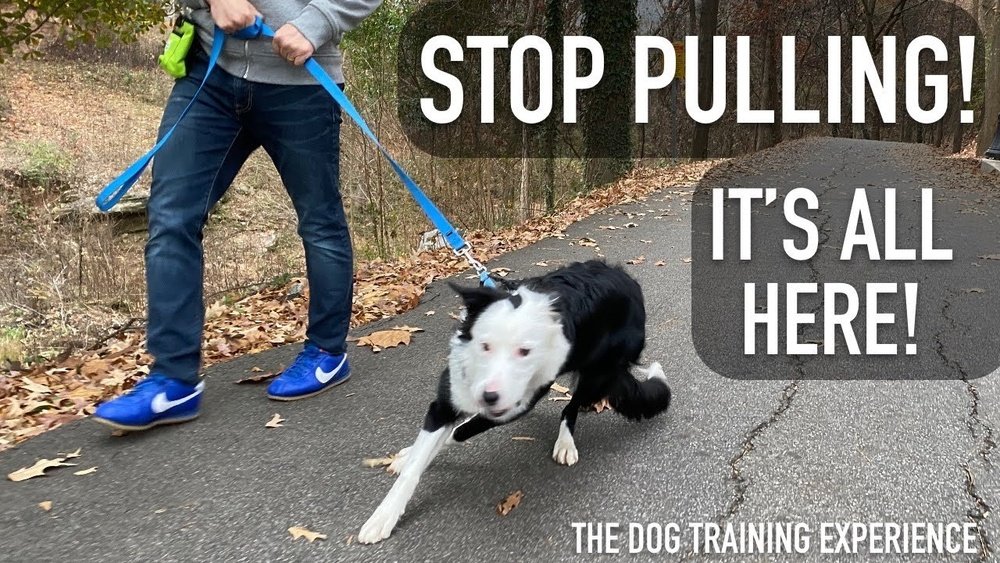
Every dog owner dreams of peaceful, enjoyable walks. However, many find themselves dragged down the street, arm stretched, as their dog pulls on the leash. It’s not just frustrating—it’s risky. Pulling can cause injury to both dogs and owners, damage your relationship with your pet, and turn daily walks into a stressful chore. If you’ve ever wondered, “How do I stop my dog from pulling on the leash?” you’re not alone. The good news? With patience, consistency, and the right techniques, you can teach your dog to walk calmly at your side.
This guide will give you practical strategies, explain why dogs pull, cover essential equipment, and help you build better habits with your furry friend. Whether you’ve just adopted a puppy or you’re struggling with a strong adult dog, you’ll find tools here to make walks enjoyable again.
Why Dogs Pull On The Leash
Understanding the root cause helps you fix the problem. Dogs don’t pull out of spite; it’s usually a mix of instinct, excitement, and lack of training.
Most dogs are faster walkers than humans. A new environment is full of smells, sights, and sounds—dogs are naturally curious and eager to explore. If your dog has pulled for months or years, it’s become a habit. Every step forward while pulling is a reward: your dog learns pulling gets them where they want to go.
Sometimes, pulling is reinforced without you realizing. For example, if your dog drags you toward a tree to sniff, you’ve rewarded the behavior. It’s a classic case of “what gets rewarded gets repeated.”
Other factors include:
- Breed tendencies: Huskies, Beagles, and working breeds often pull more due to high energy or tracking instincts.
- Lack of exercise: A dog with pent-up energy will struggle to walk calmly.
- Fear or anxiety: Some dogs pull to escape or move away from things that worry them.
- Previous experiences: Rescue dogs may have never learned leash manners.
Recognizing why your dog pulls is your first step in solving the problem.
Choosing The Right Equipment
Equipment isn’t a magic fix, but the right tools can make training safer and easier. Here’s how gear compares:
| Equipment | How It Works | Best For | Potential Issues |
|---|---|---|---|
| Standard Collar | Simple, attaches to leash | Dogs with basic leash manners | Can strain neck; not for pullers |
| Front-Clip Harness | Leash attaches at chest | Pullers, large or strong dogs | Can twist if loose; fit is important |
| Head Halter | Controls head movement | Very strong pullers | Dogs need to get used to it; may paw at it |
| Back-Clip Harness | Leash attaches at back | Small dogs, trained dogs | Can encourage pulling in some dogs |
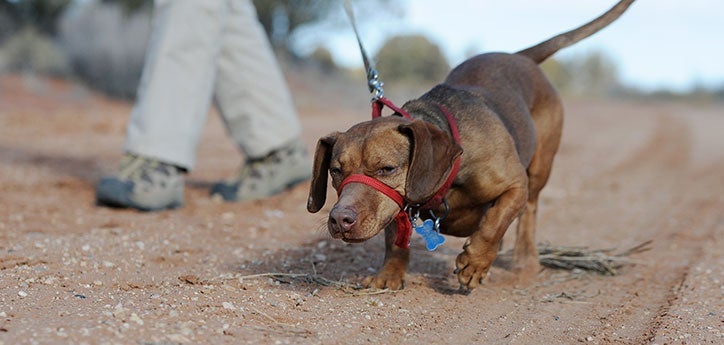
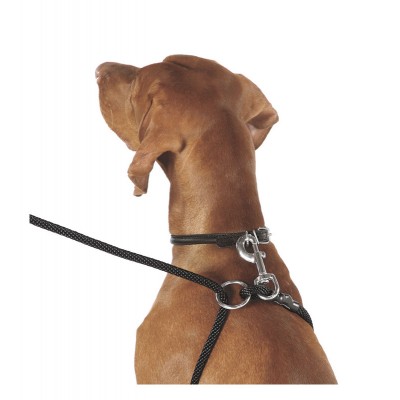
Front-clip harnesses and head halters are popular for training. They give you more control and make pulling less rewarding. Always fit harnesses correctly to prevent escape or injury. Avoid choke chains and prong collars—they can cause pain and even damage your dog’s throat.
What About Retractable Leashes?
Retractable leashes teach your dog that pulling gives them more space. For leash training, use a 4 to 6-foot standard leash. This gives control and helps your dog learn to walk beside you.

Credit: www.youtube.com
Foundations: Before You Start Training
Before you begin, set up for success:
- Give your dog enough physical and mental exercise. A bored, energetic dog is harder to train.
- Practice in low-distraction areas first. Start indoors or in your backyard.
- Use high-value treats (like chicken or cheese) that your dog loves but doesn’t get every day.
- Keep sessions short (5–10 minutes at first) and positive. End on a good note.
If your dog is very excitable, let them burn off some energy with play before training.
Step-by-step: How To Teach Loose Leash Walking
Training your dog to walk without pulling takes time. Here’s a structured approach that works for most dogs.
1. Reward The Right Position
Start with your dog at your side, leash relaxed. Mark the moment your dog is beside you (say “yes!” or use a clicker) and immediately give a treat. Take a few steps—if your dog stays with you, mark and treat again.
Repeat.
If your dog forges ahead, stop walking. Wait for your dog to return to your side, or call them back. When they do, reward and continue walking. Your dog learns that being by your side makes the walk move forward and earns treats.
Non-obvious tip: Reward often at first—every few steps. As your dog improves, space out the treats.
2. The “stop And Go” Technique
If your dog pulls, stop immediately. Don’t yank the leash or scold—just become a “tree.” Wait until the leash slackens, then walk again. Your dog learns pulling stops the walk.
Some dogs catch on quickly; others need many repetitions. Patience is key.
3. Change Direction
If your dog surges ahead, turn and walk the other way. Encourage your dog to follow. When they catch up and walk beside you, reward. This teaches your dog to pay attention to your direction, not just their own agenda.
Practice this in a quiet area. At first, you may zig-zag or turn often, but your dog will start watching you for clues.
4. Use “let’s Go” Or Other Cues
Teach a cue like “let’s go” when you want your dog to walk with you. Say it in a happy voice and reward your dog for moving with you. Over time, your dog will connect the cue with walking politely.
5. Practice “focus” Or “look At Me”
Teach your dog to look at you on command. Hold a treat near your face, say “look at me,” and reward eye contact. This skill is useful for redirecting attention away from distractions during walks.
6. Gradually Add Distractions
Once your dog is good at home or in the yard, move to more distracting environments. Progress slowly—don’t expect your dog to walk perfectly at the park on day one. If your dog starts pulling more, go back a step and practice in a quieter spot.
Addressing Common Challenges
Even with good technique, you’ll hit some bumps. Here’s how to handle tough situations.
Strong, Large, Or Reactive Dogs
Big or strong dogs can be tough to control. Use a front-clip harness or head halter for safety. If your dog lunges at other dogs or people, focus on “look at me” training and keep a safe distance at first. You may need to reward calm behavior heavily in challenging spots.
Non-obvious tip: Practice in the toughest spots last. Don’t start near busy roads or dog parks.
Puppies And Young Dogs
Puppies have short attention spans and get excited easily. Keep sessions short and fun. Don’t expect perfection—focus on building positive associations with the leash and walking by your side.
Rescue Dogs Or Dogs With Past Trauma
Rescue dogs may have learned bad habits or be fearful. Go slow, use lots of treats, and never punish pulling. Build trust first; leash manners will follow.
Multi-dog Households
Training multiple dogs at once is hard. Start with one dog at a time. Once each walks nicely alone, gradually add the other dog.
Mistakes To Avoid
Avoid these common pitfalls for faster progress:
- Yanking or jerking the leash: This can hurt your dog and create fear.
- Letting your dog pull sometimes: Be consistent. Don’t allow pulling to the park but expect manners elsewhere.
- Using punishment tools: Prong, choke, or shock collars can cause pain and worsen behavior.
- Training only on walks: Practice in your yard, home, or even indoors for better results.
- Forgetting to reward: Dogs repeat what gets rewarded. Use treats, praise, and a happy voice.
Advanced Training And Troubleshooting
Once your dog walks politely in easy settings, you can work on more advanced skills.
Walking Past Distractions
Practice walking by other dogs, people, or tempting smells. Use “look at me” or “leave it” cues. Reward your dog for ignoring distractions and staying by your side.
If your dog struggles, increase distance from the distraction and try again. Gradually get closer as your dog succeeds.
Teaching “heel”
“Heel” means your dog walks tightly beside you, usually on the left, with their shoulder at your leg. This isn’t needed for casual walks but is useful for crowded places or competitions.
Start by rewarding your dog for being in the heel position for a few steps. Use a cue word (“heel”). Increase the number of steps before rewarding as your dog improves.
Loose Leash Vs. Heel
Some owners want a relaxed walk (loose leash) most of the time, and a formal “heel” only when needed. Make sure your dog understands the difference by using different cues and rewarding each behavior separately.
Using Real-life Rewards
Your dog wants to sniff, greet, or explore. Use these as rewards. For example, if your dog walks nicely for 10 steps, let them sniff a tree. This teaches that good walking earns privileges.
When To Seek Professional Help
If your dog’s pulling is severe, or you feel unsafe, consider working with a certified dog trainer or behaviorist. This is especially important for:
- Dogs that lunge or bark aggressively
- Owners at risk of falling or injury
- Dogs with anxiety or fear issues
A professional can assess your dog’s needs and tailor a plan for you. Look for positive reinforcement trainers—avoid anyone who uses pain or intimidation.
You can find reputable trainers through the Certification Council for Professional Dog Trainers or your local veterinary office.
Example Training Schedule
Consistency is crucial. Here’s a sample week for a beginner:
| Day | Location | Goal | Session Length |
|---|---|---|---|
| 1-2 | Indoors | Reward at your side, practice “look at me” | 5-10 min |
| 3-4 | Backyard | Loose leash, add gentle distractions | 10-15 min |
| 5-6 | Quiet street | Stop-and-go, change direction | 15 min |
| 7+ | Busier area | Walk past distractions, reinforce good behavior | 15-20 min |
Adjust the schedule for your dog’s age, energy, and progress. If you hit setbacks, go back a step.
Real-life Examples
Hearing what’s worked for others can inspire and motivate you.
- Lucy, a two-year-old Labrador, used to pull her owner everywhere. Switching to a front-clip harness and using “stop and go” made a huge difference. After two weeks of daily practice, Lucy’s owner could walk her with a loose leash most of the time.
- Max, a rescued Beagle, was obsessed with smells and pulled toward every bush. His owner started rewarding him for looking at her instead of sniffing. By using high-value treats and rewarding focus, Max learned to wait for permission to sniff as a reward.
- Bella, a strong Rottweiler, pulled so hard her owner worried about falling. After working with a positive trainer and practicing “look at me” for several weeks, Bella learned to walk calmly, even past other dogs.
These stories show that consistent, positive training works for all breeds and ages.
Credit: bestfriends.org
Tips For Lasting Success
- Stay patient: Leash manners take time, especially for older dogs or those with strong instincts.
- Be consistent: Make sure everyone who walks your dog uses the same rules and cues.
- Keep sessions short and fun: End before your dog gets bored or frustrated.
- Use a variety of rewards: Treats, praise, toys, and sniffing can all motivate your dog.
- Practice in different places: Generalize the behavior so your dog walks nicely everywhere.
- Don’t rush: If your dog struggles, go back to easier steps.
- Celebrate small wins: Every walk with less pulling is progress.
Common Myths About Leash Training
Some advice sounds logical but can actually slow your progress.
- “Letting my dog run before the walk will fix pulling.” Exercise helps, but most dogs need to learn leash manners, not just burn energy.
- “My dog is too old to learn.” Dogs of any age can improve with the right approach.
- “Harnesses make dogs pull more.” A back-clip harness may, but front-clip harnesses often reduce pulling.
- “Choke or prong collars are the only way for strong dogs.” These tools can create fear and injury. Positive methods are safer and more effective.
Credit: www.infinibandta.org
How Long Does Leash Training Take?
There’s no magic timeline. Puppies or dogs new to walking can learn basics in a few weeks. For adult dogs with a long history of pulling, it may take several months of regular practice.
Non-obvious insight: Progress isn’t always steady. Some days your dog may regress; this is normal. Stay positive and keep practicing.
Extra Tools And Resources
If you need more support, consider:
- Positive reinforcement classes: Group classes help socialize your dog and practice in a controlled setting.
- Clicker training: Using a clicker can speed up learning by clearly marking the exact right behavior.
- Training videos and books: Trusted trainers like Victoria Stilwell and Zak George offer free online resources.
- Apps: Some smartphone apps offer reminders, progress tracking, and training tips.
For more evidence-based tips, the ASPCA’s Dog Walking 101 page is a reliable reference.
Frequently Asked Questions
How Do I Stop My Dog From Pulling When He Sees Another Dog?
First, increase the distance from the other dog. Use a “look at me” or “focus” cue and reward your dog for paying attention to you. Practice at a distance where your dog can stay calm. Gradually decrease the distance as your dog improves.
If your dog is highly reactive, consult a professional trainer for help.
What Is The Best Harness To Stop Pulling?
A front-clip harness is usually best for dogs that pull. It gives you more control and reduces the dog’s ability to drag you forward. Make sure the harness fits well and doesn’t rub or restrict movement. Some popular brands include Easy Walk and Freedom No-Pull.
Can I Ever Let My Dog Walk Ahead Of Me?
Yes, as long as your dog isn’t pulling. On relaxed walks or hikes, it’s fine for your dog to be ahead if the leash is loose. The key is that you control the walk, not your dog. Use a cue for when your dog can “go sniff” or walk ahead, and another cue for walking at your side.
How Can I Train My Puppy Not To Pull?
Start early. Use treats and praise to reward your puppy for walking beside you. Keep sessions short and positive. Let your puppy explore, but only when the leash is loose. Be patient—puppies have lots of energy and short attention spans.
Is It Okay To Use A Retractable Leash?
For training, retractable leashes are not recommended. They teach dogs that pulling gives them more freedom, which is the opposite of what you want. Use a standard 4–6 foot leash for better control and safety.
Transforming walks with your dog takes effort, but the rewards are huge: less frustration, more safety, and a stronger bond with your best friend. With patience, consistency, and the right tools, you and your dog can enjoy every step together.
We’re the dedicated team behind MyPawSafe.com, with over a decade of combined experience in veterinary care, pet emergency response, and animal behavior. While we prefer to let our work speak for itself, our mission is clear: to provide science-backed, vet-approved advice that helps pet owners prevent accidents and save lives.