Raising a puppy is an exciting journey, but it also comes with big questions—especially about training. Many new dog owners wonder, “When is the best age to start training a puppy?” The answer is more nuanced than you might think. Early training can shape your puppy’s entire life, from social skills to obedience and even emotional health. But start too soon, or too late, and you might face unique challenges. This article explores the ideal timing, explains what puppies can learn at each stage, and offers practical strategies to help you and your new companion thrive together.
Why Timing Matters In Puppy Training
The first few months of a puppy’s life are like the foundation of a building. These early experiences shape how your dog behaves, learns, and interacts with people and other animals. Puppies are like sponges, absorbing everything around them. But just as important, their brains develop in stages.
At each stage, they are ready to learn different things.
Early training helps prevent behavioral problems. According to the American Veterinary Society of Animal Behavior, behavioral issues are the number one reason dogs are surrendered to shelters. Most of these issues—like aggression, fear, or separation anxiety—can be prevented with proper early training. But if you wait too long, bad habits can take root.
Key Puppy Development Stages
Understanding your puppy’s development is the first step to effective training. Here’s a breakdown of the main stages and what they mean for your training plan.
| Age Range | Development Stage | Main Focus |
|---|---|---|
| 0–2 weeks | Neonatal | Basic needs, no training |
| 2–4 weeks | Transitional | Sensory development, still no training |
| 4–14 weeks | Socialization | Learning about the world, socialization begins |
| 14+ weeks | Juvenile | Basic obedience, impulse control |
Non-obvious insight: The socialization window (4–14 weeks) is crucial. Puppies are most open to new experiences during this period. If they miss it, they may develop fears or phobias that are much harder to change later.
The Best Age To Start Training A Puppy
So, what is the best age to start training? Most experts agree: Start training as soon as you bring your puppy home—ideally between 7 and 8 weeks old.
Why this age? By 7–8 weeks, puppies are old enough to learn simple commands and social behaviors, but young enough that they have not formed strong bad habits. They are also eager to bond with their new family.
But training is not just about commands like “sit” or “stay.” It includes everything from housebreaking to bite inhibition, gentle handling, and early socialization with people and other pets.
What Puppies Can Learn At Different Ages
7–8 Weeks: First Steps
At this age, your puppy can:
- Learn their name
- Practice gentle handling (touching paws, ears, etc.)
- Start house training (with patience)
- Begin basic commands like “sit,” “come,” and “down” (with treats and praise)
Short, fun sessions—just 3–5 minutes at a time—work best. Puppies have very short attention spans.
8–12 Weeks: Socialization Focus
This is the prime socialization window. Expose your puppy to:
- New people (children, adults, men, women)
- Other friendly, healthy dogs
- Different sounds, sights, and surfaces (stairs, car rides, vacuum cleaners)
- Gentle grooming and handling
Socialization is not only about meeting other dogs. It means positive experiences with everything your puppy will encounter in life.
12–16 Weeks: Building Skills
By now, your puppy can handle:
- Short leash walks
- Learning to “leave it” or “drop it”
- More advanced commands (“stay,” “wait,” “off”)
- Continuing socialization
Be consistent. Puppies are testing boundaries, so clear rules matter.
4–6 Months: Reinforcement
At this age, puppies are like teenagers. They may test limits and forget some training. Keep practicing, and increase distractions slowly.
- Practice commands in new places (yard, park)
- Enroll in puppy classes for socialization and structured learning
- Work on impulse control (“wait” at doors, “settle” on a mat)
Insight for beginners: Some owners stop training after the first few weeks. But reinforcement is key for long-term success. Training should continue throughout the first year.
Why Not Start Earlier Or Later?
Some people wonder if you can start even earlier. In theory, puppies can learn very basic things at 4–6 weeks, but most are still with their mother and littermates. This early time is critical for learning “dog language”—like bite inhibition and play skills.
Starting too late (after 16 weeks) means the puppy’s prime learning window is closing. Socialization gets harder, and bad habits are tougher to break. While you can always train an older dog, it will take more time and patience.
What Training Should You Begin With?
Training is more than just commands. Here’s what to focus on first.
1. Name Recognition
Teach your puppy to respond to their name. Say it in a happy voice, and reward them when they look at you.
2. House Training
Set a schedule for potty breaks, praise successes, and supervise closely. Most puppies can learn to be clean with consistency.
3. Socialization
Introduce new experiences and people daily, making sure each one is positive. Pair new things with treats and praise.
4. Handling And Grooming
Touch their paws, ears, and mouth gently. Get them used to being brushed, having their nails trimmed, and being examined.
5. Basic Commands
Start with “sit,” “come,” and “down. ” Use treats, toys, or praise. Keep sessions short and positive.
Common Mistakes Owners Make
Even with the best intentions, many new owners make similar mistakes when training puppies. Here are the most common ones—and how to avoid them.
| Mistake | Why It’s a Problem | What to Do Instead |
|---|---|---|
| Waiting too long to start training | Puppy misses key learning window | Begin training as soon as puppy comes home |
| Using harsh punishment | Creates fear, damages trust | Use positive reinforcement (treats, praise) |
| Inconsistent rules | Puppy gets confused | Be clear and consistent with everyone in the family |
| Short training sessions | Puppy loses focus or gets stressed | Keep sessions brief, end on a positive note |
| Not socializing enough | Puppy becomes fearful or aggressive later | Expose to a wide range of experiences early |
Non-obvious insight: Socialization does not mean just meeting other dogs. It includes exposure to stairs, traffic, loud noises, and different types of surfaces. Many owners skip this, leading to adult dogs that fear simple things.
How Long Should Training Sessions Be?
Puppies have short attention spans. Here are some practical guidelines for session length based on age:
- 8–10 weeks: 3–5 minutes, 2–3 times per day
- 10–16 weeks: 5–10 minutes, 2–3 times per day
- 4–6 months: 10–15 minutes, 2–3 times per day
Stop before your puppy gets bored or frustrated. Always end on a success—even if it’s something simple.
Is Professional Training Necessary?
Many owners ask if they need a professional trainer. For most puppies, patient owners can handle early training at home. But puppy classes offer big benefits:
- Supervised socialization with other puppies
- Guidance from experienced trainers
- Learning in a distracting environment
Choose a class that uses positive reinforcement methods. Avoid trainers who rely on punishment or dominance-based techniques. If you face serious issues (like aggression or extreme fear), consult a certified dog behaviorist.
Training Methods: What Works Best?
Modern dog training is based on positive reinforcement. This means rewarding good behavior so your puppy wants to repeat it. Rewards can be treats, praise, toys, or playtime.
Why Positive Reinforcement Works
- Builds trust and confidence
- Reduces fear and anxiety
- Encourages puppies to think and solve problems
- Makes learning fun
Avoid punishment-based methods (yelling, hitting, or harsh corrections). These can cause long-term behavioral problems and harm your bond.
Clicker Training
Clicker training is a popular form of positive reinforcement. You use a small device that makes a “click” sound to mark good behavior, followed by a treat. This helps puppies understand exactly what they did right.
Lure And Reward
Guide your puppy into a desired position (like sitting) with a treat, then reward them. Over time, they learn to follow your hand signals and commands.
Socialization: The Most Important Lesson
If you focus on only one thing, let it be socialization. A well-socialized puppy is friendly, confident, and relaxed in new situations. Poorly socialized puppies are more likely to fear strangers, other dogs, or unfamiliar places.
How To Socialize Your Puppy
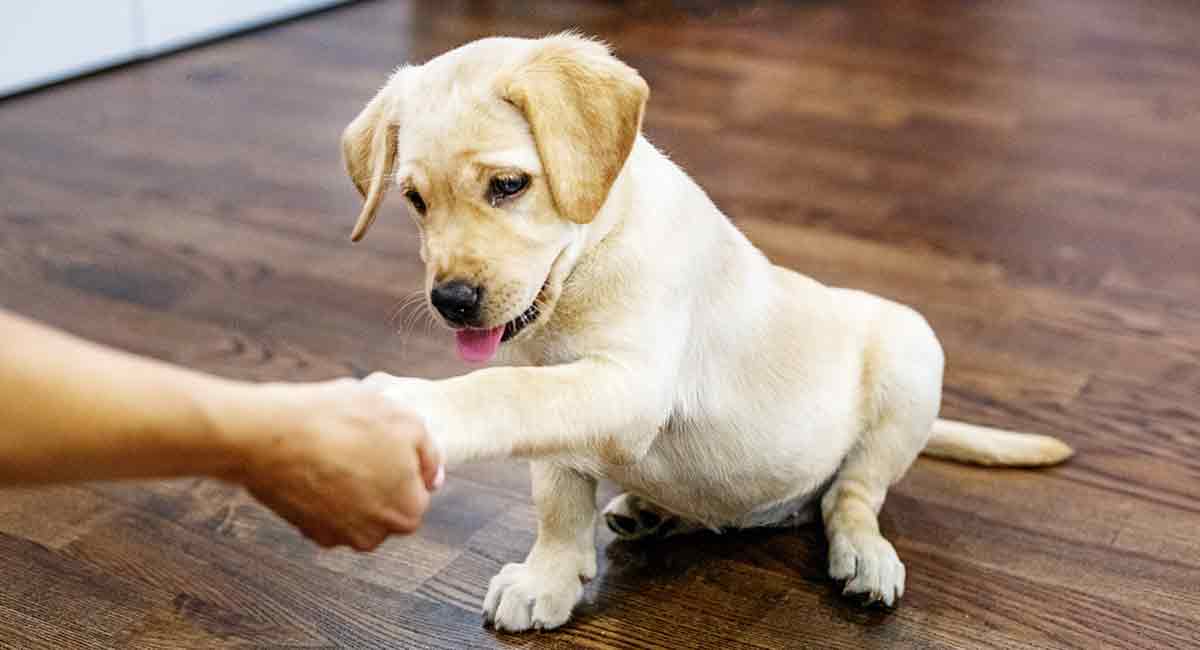
- Invite friends to visit your home
- Take your puppy on car rides
- Walk on different surfaces (grass, gravel, hardwood)
- Let your puppy hear traffic, vacuum cleaners, and other noises
- Visit pet-friendly stores or parks (after vaccinations)
Important: Before your puppy is fully vaccinated, avoid places where many unknown dogs go (like dog parks). But you can still socialize safely with vaccinated, healthy dogs you know.
Credit: magazine.joovy.com
How Vaccinations Affect Training And Socialization
Some owners worry about socializing before all shots are complete. According to most veterinarians, the risk of behavioral problems from poor socialization is much higher than the risk of disease in most situations.
You can safely socialize your puppy by:
- Inviting healthy, vaccinated dogs to your home
- Carrying your puppy in your arms in public places
- Having people visit your house
For more details on puppy vaccination schedules and socialization, see the American Veterinary Society of Animal Behavior’s guidelines.
How Breed And Temperament Affect Training Age
Not all puppies learn at the same pace. Breed, size, and temperament make a difference.
- Working breeds (like Border Collies, German Shepherds) learn quickly and may need more mental stimulation.
- Toy breeds can be more sensitive and take longer to housebreak.
- Shy puppies may need extra gentle handling and slower introductions to new things.
Insight for beginners: Don’t compare your puppy to others. Even within the same breed, personalities and learning speeds vary.
When To Seek Extra Help
Sometimes, you may need extra support. Seek help if:
- Your puppy shows signs of aggression (growling, snapping)
- Extreme fear or anxiety that does not improve
- Serious house training problems (frequent accidents after 6 months)
- Destructive behaviors (chewing, digging, barking) that do not respond to training
A certified dog trainer or animal behaviorist can help with specialized plans.
How To Set Up A Home Training Routine
Consistency is key. Here’s how to set up a routine that works:
- Set a schedule for meals, potty breaks, play, and naps.
- Train at the same times each day so your puppy knows what to expect.
- Use the same words and gestures for commands.
- Involve all family members so rules are consistent.
- Keep records of progress and challenges.
Tools And Supplies For Early Training
Some tools can make training easier:
- Crate: For house training and giving your puppy a safe space
- Leash and harness: For walks and safety
- Treats: Small, soft, and tasty for rewarding good behavior
- Toys: For play and training (like tug or fetch)
- Clicker: For marking good behavior (optional)
Avoid choke chains, prong collars, or shock collars—these can harm your puppy physically and emotionally.
Real-life Example: Early Vs. Late Training
Sarah adopted two Labrador puppies from different breeders—Max at 8 weeks, and Daisy at 5 months. Max started training immediately: gentle handling, housebreaking, and socialization with kids, bikes, and car rides. Daisy missed her socialization window and was fearful of loud noises and new people.
By 1 year old, Max was relaxed and confident. Daisy, although loving, barked at strangers and was scared of car rides. Even with months of work, Daisy’s fears were harder to overcome. This example shows why early training matters so much.
Key Takeaways For New Puppy Owners
- Start training as soon as your puppy comes home (ideally 7–8 weeks)
- Focus on socialization, gentle handling, and basic commands
- Keep sessions short, positive, and consistent
- Avoid harsh punishments—use rewards instead
- Continue reinforcing lessons throughout the first year
- Get help from professionals if you face serious challenges
Frequently Asked Questions
What If I Adopt An Older Puppy Or Dog? Is It Too Late To Train?
No, it is never too late to train a dog. Older puppies and adult dogs can still learn new skills, but it may take more time and patience, especially if they missed early socialization. Use positive reinforcement, be consistent, and consider working with a professional trainer for the best results.
How Can I Socialize My Puppy Before All Vaccinations Are Complete?
You can invite friends and family to your home, introduce your puppy to healthy, vaccinated dogs you know, and carry your puppy in your arms during trips outside. Avoid high-risk areas like dog parks until your vet says it’s safe.

Credit: k-9specialist.com
What Are Signs That My Puppy Is Not Ready For A New Experience?
If your puppy shows fear (cowering, hiding, tail tucked, growling) or stress (yawning, licking lips, turning away), slow down. Back up to an easier step, and make sure new experiences are positive and not overwhelming.
Is Crate Training Necessary For Every Puppy?
Crate training is not required, but it can help with housebreaking and give your puppy a safe space. Make the crate a positive place with treats and toys. Never use it as punishment.

Credit: www.gundogmag.com
Where Can I Find More Information On Puppy Development And Behavior?
A great resource is the American Veterinary Medical Association site, which offers science-based guidance on puppy training, behavior, and socialization.
Raising a well-behaved puppy takes effort, but starting early makes everything easier. With patience, consistency, and the right knowledge, you’ll lay the foundation for a happy, confident, and loving companion for years to come. Every puppy is unique, so adjust your approach to your dog’s needs—and enjoy the journey together.

We’re the dedicated team behind MyPawSafe.com, with over a decade of combined experience in veterinary care, pet emergency response, and animal behavior. While we prefer to let our work speak for itself, our mission is clear: to provide science-backed, vet-approved advice that helps pet owners prevent accidents and save lives.