Welcoming a rescue dog into your life is rewarding, but it can also bring challenges—especially if your new companion is anxious. Many rescue dogs have faced trauma, abandonment, or neglect, making it difficult for them to trust humans right away. Building trust with an anxious rescue dog takes time, patience, and the right approach. This guide will show you how to help your rescue dog feel safe, gain confidence, and build a lasting bond with you.
Understanding the roots of your dog’s anxiety is as important as the steps you take to support them. Whether your rescue dog hides, trembles, or shies away from touch, their behaviors are often coping mechanisms from their past. But with commitment and gentle guidance, transformation is possible.
Let’s explore how to train an anxious rescue dog to trust you, from the first day home to advanced bonding strategies. You’ll learn practical steps, discover common mistakes, and find expert insights to help you succeed.
Why Rescue Dogs Are Often Anxious
Many people expect a rescue dog to be grateful and eager for affection. The reality is often more complicated. Understanding the sources of their anxiety is the first step toward earning their trust.
Trauma And Past Experiences
Rescue dogs may have lived in shelters, on the street, or in homes where they faced abuse or neglect. These experiences leave deep marks, shaping the way they view the world. Loud noises, sudden movements, or even certain objects can trigger fear because of past associations.
Lack Of Socialization
Some rescue dogs have never experienced a stable home or positive human contact. If a dog missed out on socialization during their early months, they might not know how to interact with people or other animals. This can lead to fear-based behaviors.
Unpredictable Environments
Constant change—different shelters, foster homes, or being moved from place to place—teaches dogs that their environment is unstable. This unpredictability can make it hard for them to relax or feel secure, causing chronic anxiety.
Genetic And Medical Factors
While environment plays a big role, some breeds are more prone to anxiety. Medical conditions like thyroid imbalances or chronic pain can also make a dog more nervous or reactive. Always rule out physical health problems with a vet before starting training.
Setting Up A Safe Home Environment
Before you even begin formal training, your dog needs to feel safe in their new environment. This foundation is essential for building trust.
Create A Calm Space
Set up a quiet area where your dog can retreat. This could be a crate with the door open, a corner with a soft bed, or a small room. Make sure it’s away from busy areas and loud noises. Consistency is key: always use the same spot so your dog knows where to go when overwhelmed.
Remove Triggers
Identify and minimize stressors. For example, avoid having visitors for the first few days. Keep loud appliances off, and use calm, gentle movements around your dog. If certain items (like hats or brooms) scare them, keep these out of sight until they’ve settled in.
Routine And Predictability
Dogs thrive on routine, especially anxious ones. Feed, walk, and let your dog out at the same times each day. Use the same words for commands or activities. Predictability helps your dog understand what to expect, which reduces anxiety.
Essential Supplies For Comfort
Here are some supplies that help anxious dogs feel at home:
- Comfortable bed: Soft, washable, and big enough to stretch out.
- Crate: If used, keep the door open and never use it as punishment.
- Chew toys: Help relieve stress and redirect nervous energy.
- Calming aids: Items like pheromone diffusers, weighted blankets, or anxiety wraps can make a difference.

Credit: www.youtube.com
The First Days: Building The Foundation
The initial days are critical for shaping your relationship. Move at your dog’s pace, and focus on earning trust rather than expecting quick results.
Let Them Decompress
When a rescue dog arrives, they need time to decompress. This is a period (often 3–7 days, but sometimes longer) where they adjust to new sights, sounds, and smells. Avoid overwhelming your dog with attention, training, or guests. Allow them to explore on their terms.
Watch And Learn
Spend time observing your dog’s body language. Signs of anxiety may include:
- Tail tucked
- Cowering or hiding
- Pacing or whining
- Excessive panting
Take notes on what triggers these behaviors. This will help you create a training plan tailored to your dog’s needs.
Keep Interactions Short And Positive
In the beginning, keep interactions brief and gentle. Sit quietly in the same room without forcing touch. Let your dog approach you if they choose. Speak in a soft, calm voice.
Offer Treats And Rewards
Food is a powerful tool for building trust. Toss high-value treats (like chicken or cheese) on the ground near your dog without making eye contact. Over time, gradually toss treats closer to you. This teaches your dog to associate your presence with good things.
Reading Your Dog’s Body Language
Understanding what your dog is saying with their body is key to avoiding setbacks and building trust. Dogs communicate mostly through posture, facial expressions, and movement.
Key Signs Of Anxiety And Relaxation
Here’s a comparison of anxious vs. relaxed body language:
| Body Part | Anxious Signal | Relaxed Signal |
|---|---|---|
| Ears | Pinned back, flattened | Neutral, forward or sideways |
| Tail | Tucked, low, or stiff | Loose, wagging gently |
| Eyes | Whale eye (whites showing), darting | Soft, blinking |
| Mouth | Lips pulled back, panting, yawning | Relaxed, slightly open |
| Body Posture | Crouched, frozen, avoiding | Loose, leaning in |
Respecting Boundaries
If your dog shows signs of stress, give them space. Never force interaction—this can damage trust and set back progress. Learning to read and respond to your dog’s signals is one of the most important skills you can develop.
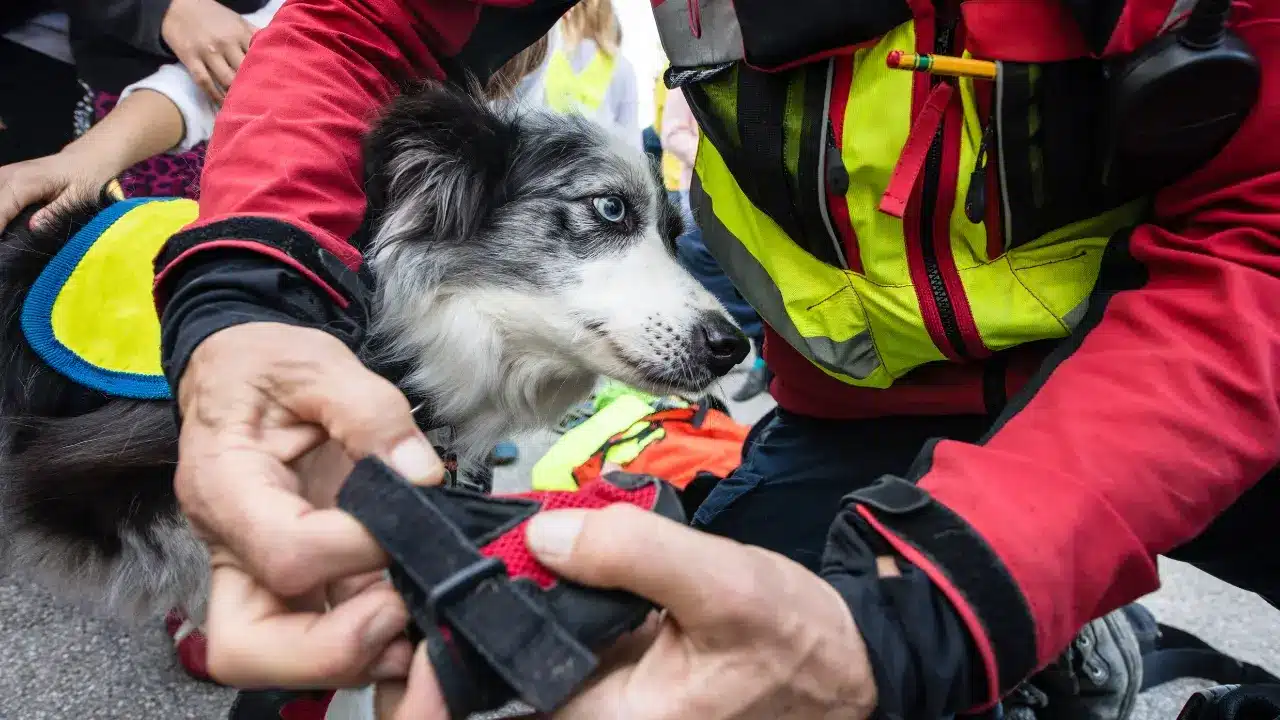
Credit: nodogsleftbehind.com
Step-by-step Trust-building Techniques
Helping an anxious rescue dog trust you involves small, consistent steps. Each dog is unique, so adapt these techniques based on your dog’s reactions.
1. Go Slow With Approach
Always let your dog come to you. Sit sideways, avoid direct eye contact, and keep your movements slow. If your dog backs away or freezes, stop and give them more distance. Patience is more important than speed.
2. Use Positive Reinforcement
Reward desired behaviors immediately with treats, praise, or toys. For example, if your dog walks toward you or sniffs your hand, offer a reward. This encourages them to repeat the behavior.
3. Hand-feeding
Once your dog is comfortable taking treats tossed near them, try offering treats from your hand. Hold your palm flat and avoid sudden movements. This builds positive associations with your hands and presence.
4. Consistent, Gentle Touch
When your dog begins to approach willingly, you can try gentle petting. Start with brief touches on the chest or side, not the top of the head. Watch for signs of stress, and stop if your dog shows discomfort.
5. Short Training Sessions
Introduce simple cues like “sit” or “touch” using positive reinforcement. Keep sessions under five minutes and always end on a positive note. Training builds communication and confidence.
6. Controlled Socialization
Expose your dog to new experiences slowly. New sounds, surfaces, and people should be introduced at a distance and with plenty of rewards. Never force interactions—let your dog choose their comfort level.
7. Use Calming Signals
Dogs respond to calming signals like yawning, blinking slowly, or turning your head away. Use these signals if your dog seems nervous—they’ll often relax in response.
Progress Chart Example
Track your dog’s progress with a simple chart. This helps you spot improvements and adjust your approach.
| Date | Trigger | Dog’s Reaction | Improvement? |
|---|---|---|---|
| March 1 | Vacuum sound | Hid under bed | No |
| March 10 | Vacuum sound | Stayed in room, alert | Yes |
| March 20 | Vacuum sound | Remained calm | Significant |
Tracking even small steps forward can motivate you to keep going, especially when progress feels slow.
Common Mistakes To Avoid
Training an anxious rescue dog comes with challenges, and some missteps can slow down trust-building. Here are pitfalls to watch for:
Rushing The Process
Trying to progress too quickly—like forcing petting or exposure—can make anxiety worse. Respect your dog’s timeline, even if it feels slow.
Punishing Fear
Never punish fearful behaviors. Yelling, scolding, or using physical corrections will only increase anxiety and destroy trust. Focus on rewarding positive choices instead.
Ignoring Medical Issues
Some anxiety stems from pain or illness. Always rule out health problems with a vet visit, especially if your dog’s behavior changes suddenly.
Inconsistent Rules
Everyone in the household should follow the same rules and use the same cues. Mixed messages confuse your dog and can delay progress.
Overwhelming With Attention
Too much affection or handling, especially early on, can flood an anxious dog. Let your dog set the pace for interaction.
Not Seeking Help When Needed
If you’re not seeing progress or the dog’s anxiety is severe, don’t hesitate to contact a certified dog trainer or behaviorist. Professional help can make a big difference.

Credit: www.rescuedogs101.com
Advanced Trust-building Activities
Once your dog feels safer, you can use these activities to deepen your bond and boost their confidence.
Scent Games
Dogs naturally love to sniff. Hide treats around the house or in puzzle toys. Scent games engage their brain and help them focus on positive experiences.
Clicker Training
A clicker is a small device that makes a consistent sound. Pair the click with a treat when your dog does something good. This builds communication and speeds up learning.
Gentle Leash Walks
Start with walks in quiet areas. Let your dog sniff and explore at their own pace. If they seem nervous, stay close to home. Gradually work up to busier environments as their confidence grows.
Teach Tricks And Problem-solving
Simple tricks like “touch,” “find it,” or “sit” aren’t just for fun—they build self-assurance and strengthen your bond. Keep sessions short and positive.
Play Therapy
Toys like tug ropes or soft balls can encourage play. For some dogs, play is more rewarding than treats. Play also helps relieve stress and build positive associations with you.
Exposure To New Experiences
Expose your dog to new environments in small steps. For example, sit in the car with the engine off before taking a drive. Always pair new experiences with treats and praise.
Managing Setbacks
Progress with anxious rescue dogs is rarely linear. Setbacks are normal and don’t mean you’ve failed. Here’s how to handle them:
Recognize Triggers
If your dog regresses, look for new triggers or stressors. Has something changed in the environment? Did a visitor arrive, or did you move furniture? Identifying the cause helps you manage it.
Return To Basics
When setbacks happen, go back to simple trust-building exercises. Reduce exposure to triggers and focus on routine and predictability. Celebrate small wins.
Stay Patient
It’s easy to feel discouraged, but patience is your best tool. Dogs sense frustration, so take breaks and seek support if you need it. Remember, progress is often slow but steady.
Seek Professional Support
If anxiety or aggression escalates, consult a veterinarian or certified behaviorist. Medication or specialized training may be needed for severe cases.
The Role Of Exercise And Enrichment
Physical activity and mental stimulation are vital for anxious dogs. They help burn off nervous energy and provide healthy outlets for stress.
Regular Walks
Even short walks help reduce anxiety. Aim for two or three walks a day, in quiet places at first. Let your dog sniff and explore—this natural behavior is calming.
Puzzle Toys And Chews
Use interactive toys or food puzzles to keep your dog’s mind busy. These tools prevent boredom and redirect anxiety into positive activities.
Socialization With Other Dogs
If your dog is comfortable, supervised play with calm, friendly dogs can help build confidence. Always introduce new dogs slowly and watch for stress signals.
Safe Outdoor Exploration
Let your dog explore a safe, fenced yard or garden. Nature sounds and fresh air can be soothing. Avoid dog parks until your dog is more confident.
Real-life Case Study: Building Trust With “rosie”
To understand how these strategies work in practice, let’s look at Rosie, a two-year-old rescue mix.
Rosie arrived at her new home after months in a shelter. She was terrified of people, hid under the table, and refused to eat if anyone was in the room. Her adopters started by creating a safe spot with a bed and covering her crate with a blanket.
For the first week, they sat quietly near her, tossing treats without trying to touch her.
After a few days, Rosie began taking treats closer to her adopters. They used hand-feeding and gentle praise to reward her bravery. When Rosie finally allowed a gentle touch on her chest, they immediately rewarded her with a high-value treat.
Over several months, Rosie learned to walk on a leash, play with toys, and greet her adopters with tail wags. There were setbacks—loud noises and visitors still made her anxious—but consistent routines and positive reinforcement helped her recover faster each time.
Rosie’s story shows that, with time and the right approach, even the most anxious rescue dogs can learn to trust and thrive in a loving home.
When To Seek Professional Help
Some rescue dogs need extra support. If your dog shows these signs, consider professional help:
- Aggression toward people or animals
- Inability to relax or constant pacing
- Self-harm (e.g., excessive licking, chewing)
- Persistent refusal to eat or drink
- Extreme reactions to common triggers
A certified behaviorist or force-free trainer can design a tailored plan and, if needed, work with your vet to discuss medication. Early intervention prevents problems from becoming worse.
For more information on finding a certified professional, visit the Association of Professional Dog Trainers.
Frequently Asked Questions
How Long Does It Take For An Anxious Rescue Dog To Trust You?
Every dog is different. Some begin to trust in a few weeks, while others may take months or even longer. Consistency, patience, and positive reinforcement are key. Don’t compare your progress to others—focus on your dog’s unique journey.
Can I Ever Let My Anxious Rescue Dog Off-leash?
Never let an anxious rescue dog off-leash in open areas until you’ve built a strong bond and reliable recall. Even then, use long training leashes and secure, fenced spaces. Fear can override training, leading to dangerous situations.
Should I Use Medication For My Dog’s Anxiety?
Medication should only be considered after consulting with a veterinarian or behaviorist. In some cases, short-term medication can help during training, but it’s not a cure-all. Always combine medication with positive training methods.
Is Crate Training Helpful For Anxious Rescue Dogs?
Crates can be helpful if introduced correctly. They should always be a safe retreat—never a punishment. Make the crate comfortable and let your dog enter and leave at their own pace. Some dogs prefer other types of safe spaces.
What If My Dog Doesn’t Like Treats Or Toys?
Try a variety of high-value treats—chicken, cheese, or freeze-dried liver often work. If food isn’t motivating, gentle praise, petting (if tolerated), or play can be used as rewards. Find what your dog loves and use it to build trust.
Building trust with an anxious rescue dog is a journey, not a race. Celebrate every small step forward. With time, patience, and love, even the most fearful dogs can become loyal, happy companions. Your effort gives them a new chance at life—and that’s the greatest reward of all.
We’re the dedicated team behind MyPawSafe.com, with over a decade of combined experience in veterinary care, pet emergency response, and animal behavior. While we prefer to let our work speak for itself, our mission is clear: to provide science-backed, vet-approved advice that helps pet owners prevent accidents and save lives.