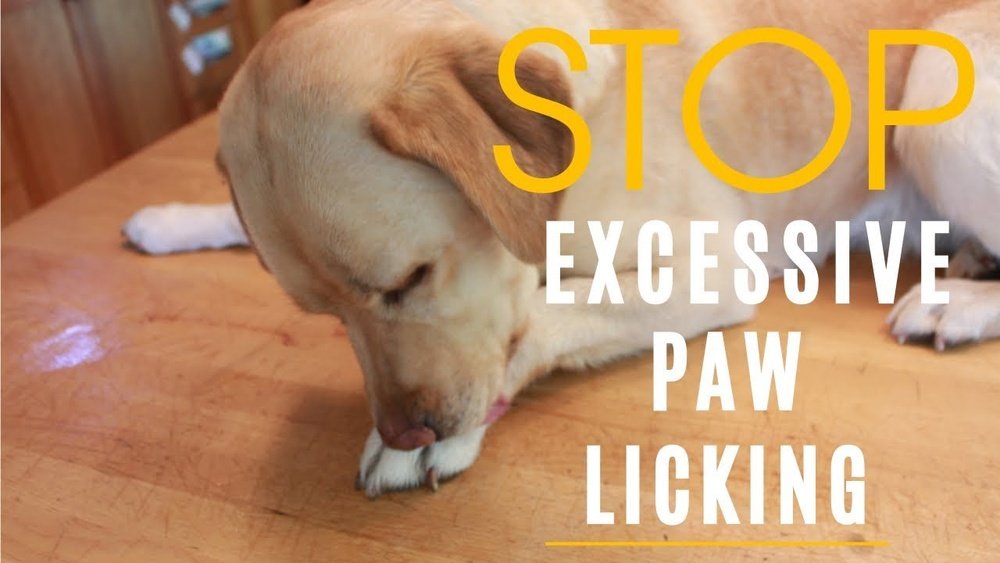
Dogs use their mouths for many things, but when licking becomes excessive, it can leave owners confused or even worried. A few licks are normal—after all, it’s how dogs groom themselves, show affection, and explore their world. But when your dog seems obsessed with licking themselves, you, or even random objects, it’s time to take notice.
Many owners dismiss licking as “just a dog thing,” but sometimes, excessive licking signals underlying problems that need attention. This guide will help you understand why dogs lick too much, what it means, and how to stop excessive licking in dogs with practical, effective strategies.
Why Do Dogs Lick? Understanding Normal Vs. Excessive
Licking is one of the most natural dog behaviors. It starts when puppies lick their mothers and continues throughout their lives. But not every lick is the same. Understanding the difference between normal licking and problematic licking is the first step.
Normal Licking Behaviors
Most dogs lick to:
- Groom themselves (cleaning paws, fur)
- Show affection to humans or other dogs
- Explore new tastes and smells
- Soothe themselves when tired or relaxed
A few licks here and there are not a problem. In fact, it often means your dog feels comfortable.
When Licking Becomes A Problem
Excessive licking means your dog licks:
- The same body part constantly
- Floors, walls, or furniture for long periods
- Your hands or face so much it feels obsessive
This can lead to:
- Red, irritated skin
- Hair loss or bald spots
- Open sores or infection
If your dog’s licking is constant, interrupts daily life, or causes harm, it’s time to act.
Key Insight: Licking Can Be A Symptom
Many owners miss that excessive licking is often a symptom, not the main problem. It’s your dog’s way of trying to solve something that’s bothering them—physically or emotionally.
Common Causes Of Excessive Licking
To stop excessive licking in dogs, you need to know why it’s happening. Here are the main causes, from most to least common.
1. Allergies
Dogs can be allergic to:
- Food (like chicken, beef, wheat)
- Pollen, dust, or mold in the environment
- Fleas or insect bites
Allergies often cause itchy skin, which leads to licking, chewing, or biting.
2. Skin Problems
Issues like:
- Hot spots (moist, red, infected areas)
- Dry skin (often worse in winter)
- Fungal or bacterial infections
These can all trigger licking as your dog tries to soothe the discomfort.
3. Pain Or Discomfort
If a dog hurts somewhere, they may lick the area to try to heal it. For example:
- Arthritis pain in older dogs
- Joint or muscle injuries
- Cuts or splinters
4. Anxiety Or Stress
Dogs often lick to comfort themselves, especially when:
- Left alone for long periods
- There are changes in the household
- They feel bored, under-exercised, or ignored
This is called compulsive licking and can become a hard-to-break habit.
5. Gastrointestinal Issues
Some studies show that dogs with stomach problems (like nausea, acid reflux, or inflammatory bowel disease) may lick unusual surfaces, including floors and walls, as a sign of discomfort.
6. Hormonal Imbalances
Diseases like Cushing’s disease or hypothyroidism can make skin itchy or cause changes that lead to licking.
7. Parasites
Fleas, ticks, and mites are common triggers. Even one bite can start a cycle of itching and licking that’s hard to stop.
8. Boredom And Lack Of Stimulation
A dog with nothing to do may start licking out of sheer boredom.
Non-obvious Insight: Licking Can Be Self-rewarding
Few owners realize licking releases endorphins in a dog’s brain. This means the more they lick, the better they feel—at least for a while. This can turn a medical problem into a habit, even after the original issue is gone.

Credit: www.youtube.com
How To Diagnose The Reason For Excessive Licking
Before you can stop your dog from licking, you need to find the cause. Here’s how to play “dog detective. ”
Watch For Patterns
Note:
- When does the licking start? (After walks, at night, when left alone)
- Where does your dog lick? (Paws, belly, furniture, your skin)
- Any new foods, treats, or cleaning products recently?
Check Their Body
Look for:
- Redness, swelling, or cuts
- Bald patches or skin thickening
- Fleas, flea dirt, or other parasites
Record The Behavior
Keep a simple diary for a week:
- What triggers licking?
- How long does it last?
- Does anything stop it?
This information helps your vet quickly spot patterns and possible causes.
Visit The Vet
If the licking:
- Is constant or lasts more than a few days
- Causes wounds, bleeding, or infection
- Comes with other symptoms (vomiting, limping, mood changes)
Then, a vet visit is essential. Your vet may do skin tests, allergy panels, blood work, or check for pain.
Pro tip: Bring photos or videos to your appointment. It’s hard to describe “how much” your dog licks, but a video gives clear evidence.
Step-by-step Solutions To Stop Excessive Licking In Dogs
Once you know the cause, you can choose the right solution. Below are strategies based on the most common reasons.
1. Treat Medical Problems First
Never try to stop the behavior alone if there’s an underlying medical issue.
- Allergies: Switch to a hypoallergenic diet, use prescribed allergy medications, or control fleas strictly.
- Infections: Antibiotics, antifungal creams, or medicated shampoos may be needed.
- Pain: Pain relievers, joint supplements, or adjusting activity can help.
Your vet will recommend a treatment plan.
2. Prevent Self-injury
While treating the cause, prevent further damage:
- Use an Elizabethan collar (cone) or inflatable collar
- Cover the area with a soft sock or bandage (if safe)
- Use bitter-tasting sprays made for dogs (never use human products)
3. Reduce Anxiety And Stress
Dogs who lick from anxiety need both behavioral help and changes in their environment.
- Increase daily exercise (walks, play)
- Give puzzle toys and chew toys for mental stimulation
- Stick to a routine for feeding, walks, and attention
- Consider calming pheromone diffusers or anxiety wraps
For severe cases, your vet may suggest medication or refer you to a dog behaviorist.
4. Change The Environment
If licking happens in certain places, block access or change things up:
- Use baby gates to keep your dog out of certain rooms
- Clean up spilled food or attractants
- Remove stress triggers (loud noises, too many visitors)
5. Teach Alternative Behaviors
Train your dog to do something else instead of licking.
- When your dog starts to lick, redirect with a favorite toy or command (“sit,” “down”)
- Reward with treats and praise when they stop licking
- Use clicker training for faster learning
6. Give Proper Grooming
Some dogs lick because their fur is dirty or matted. Regular brushing and occasional baths keep skin clean and healthy.
7. Manage Boredom
A tired dog is less likely to lick out of boredom.
- Increase walks and play sessions
- Try new activities (nose work, agility, fetch)
- Rotate toys to keep things interesting
8. Address Gastrointestinal Issues
If licking is focused on floors, walls, or unusual objects, discuss stomach problems with your vet. A change in diet or medication may help.
At-home Remedies: What Works, What Doesn’t
Some owners try home remedies, but not all are safe or effective.
- Coconut oil (small amounts on skin): Can soothe mild dryness but not deep infections
- Oatmeal baths: Good for itchy, dry skin (avoid if open wounds)
- Apple cider vinegar: Not recommended, can sting or worsen wounds
Always ask your vet before trying any home treatment.
Comparing Solutions: What To Try First
To help you choose, here’s a quick comparison of common solutions for excessive licking:
| Solution | Best For | How Fast It Works | Notes |
|---|---|---|---|
| Treating allergies | Itchy, red skin; frequent licking | Days to weeks | May need diet change and meds |
| Using a cone | Preventing licking wounds | Immediate | Temporary, not a cure |
| Behavioral training | Anxiety, boredom cases | Weeks to months | Needs patience and routine |
| Anti-itch sprays | Mild skin irritation | Varies | Use pet-safe products only |
| More exercise | Bored, energetic dogs | Few days | Combine with training for best results |
What Not To Do: Common Mistakes Owners Make
Even with good intentions, it’s easy to make mistakes when trying to stop excessive licking.
1. Punishing The Dog
Yelling, scolding, or spraying water may stop licking for a moment, but it increases anxiety and can make things worse.
2. Ignoring Medical Issues
Assuming all licking is “just behavioral” means you might miss a serious problem like infection, pain, or allergies.
3. Using Unsafe Products
Never use:
- Human creams or ointments (can be toxic if licked)
- Bitter sprays not made for pets
- Homemade mixtures without vet approval
4. Inconsistent Training
Stopping licking takes time and consistency. Skipping days or changing your response confuses your dog.
5. Overusing Cones Or Bandages
Cones are helpful for short-term use but not a long-term solution. Dogs need to learn not to lick, not just be blocked from it.
Prevention: How To Reduce Licking In The Future
Stopping excessive licking is good, but preventing it from coming back is even better. Here’s how:
- Regular Vet Visits: Early detection of skin, allergy, or health problems stops licking before it starts.
- Consistent Grooming: Brush your dog and check their skin weekly.
- Balanced Diet: Feed quality food and avoid sudden changes.
- Flea and Tick Control: Use year-round prevention.
- Daily Exercise and Play: A tired, happy dog is less likely to develop bad habits.
- Mental Stimulation: Rotate toys, teach new tricks, and try puzzle feeders.
- Routine: Dogs love predictability. Keep walks, meals, and bedtime regular.
Case Studies: Real Examples Of Dogs And Licking
Max: The Anxious Licker
Max, a 4-year-old beagle, started licking his paws every evening. His owner thought it was boredom, but a vet visit found mild separation anxiety. By increasing Max’s walks, adding interactive toys, and using a calming diffuser, the licking stopped within a month.
Bella: Allergies Gone Wild
Bella, a golden retriever, licked her belly so much she lost fur. A food allergy was discovered, and switching to a salmon-based diet, plus medicated baths, ended the licking and her fur grew back.
Rocky: Pain In The Paw
Rocky, an older shepherd, licked one paw constantly. X-rays showed mild arthritis. With pain medication and joint supplements, the licking faded and Rocky became more active.
These stories show that licking can have very different causes—and solutions must be tailored for each dog.
When To Seek Professional Help
You should contact your vet if:
- Licking causes bleeding, sores, or infection
- Your dog seems in pain, limps, or cries
- There are other symptoms: Vomiting, diarrhea, weight loss, mood changes
- Licking starts suddenly in an older dog
- Behavior problems don’t improve with home care
If medical issues are ruled out, a certified dog behaviorist can help create a plan to break the habit. Don’t be afraid to ask for help—persistent licking can be stressful for dogs and owners alike.
Products And Tools That Can Help
Many owners ask what products can help stop licking. Here’s a quick comparison of popular options:
| Product | Purpose | Pros | Cons |
|---|---|---|---|
| Elizabethan collar (cone) | Blocks licking after surgery or injury | Effective, affordable | Can be uncomfortable, limits eating/drinking |
| Inflatable collar | More comfort than cone | Better mobility, less stress | Not for all body parts |
| Bitter spray for dogs | Discourages licking of wounds or skin | Easy to use, pet-safe | Not always effective for determined lickers |
| Calming diffusers | Reduces anxiety-triggered licking | Simple, drug-free | Works best with other changes |
| Puzzle toys | Mental stimulation, prevents boredom licking | Engages mind, reduces stress | Needs regular rotation for interest |

Credit: raisingyourpetsnaturally.com
How Vets Diagnose Licking Problems
If you take your dog to the vet for excessive licking, here’s what you can expect:
- History: The vet will ask about your dog’s routine, food, and when licking happens.
- Physical Exam: They’ll check your dog’s skin, paws, mouth, and joints.
- Skin Scrapings: Checks for mites, fungal infections, or bacteria.
- Allergy Testing: May include blood tests or elimination diets.
- Blood Work: Looks for hormonal problems or signs of disease.
- Imaging: X-rays or ultrasound if pain or stomach issues are suspected.
Modern veterinary medicine is very effective at finding the root cause—especially if you provide detailed notes or videos.
The Role Of Diet In Licking Behavior
Food can play a big role in skin health and licking. Here’s what to know:
Common Food Allergens
The most common dog food allergens are:
- Beef
- Dairy
- Chicken
- Wheat
- Soy
Switching to a novel protein (like duck or fish) or a limited-ingredient diet can help if your vet suspects a food allergy.
Nutritional Deficiencies
Lack of key nutrients, like omega-3 fatty acids or zinc, can lead to dry, itchy skin and more licking. High-quality commercial diets are usually balanced, but talk to your vet before adding supplements.
Table: Foods That May Trigger Vs. Help Licking
| Food Type | Effect on Licking | Notes |
|---|---|---|
| Chicken/beef kibble | May increase if allergic | Try limited ingredient diets |
| Fish-based food | May decrease licking | High in omega-3s |
| Grain-free diets | Mixed results | Not always better for skin |
| Home-cooked diets | Depends on recipe | Must be balanced by a vet |

Credit: www.petsbest.com
Practical Tips For Every Dog Owner
- Check your dog’s paws, belly, and tail at least once a week for irritation or injury.
- Keep a regular walking and feeding schedule to reduce stress.
- Use only pet-safe cleaning products on floors and carpets.
- Wash bedding and toys weekly to remove allergens.
- Never ignore changes in your dog’s behavior—early action is best.
The Human Side: Why Licking Can Be Stressful For Owners
Many owners feel guilty or frustrated when their dog licks excessively. It’s natural to worry about your pet’s comfort and health. Remember, you are not alone—excessive licking is one of the top reasons for vet visits. Getting help is a sign of love, not failure.
If you feel overwhelmed, talking with a veterinarian or a dog trainer can make a big difference. There are many resources, and most licking problems can be solved with patience and teamwork.
For more on canine behavior, visit the ASPCA Dog Behavior Resources.
Frequently Asked Questions
Why Does My Dog Lick Me So Much?
Dogs lick people to show affection, get attention, or taste salty skin. If the licking is gentle and not constant, it’s usually harmless. If it becomes obsessive or interrupts your life, look for underlying causes like anxiety or lack of stimulation.
When Should I Worry About My Dog’s Licking?
Be concerned if licking causes red, broken skin, bleeding, or infection. Sudden changes, licking a specific area, or other symptoms (like limping or vomiting) mean you should see a vet.
Can I Use Bitter Spray To Stop My Dog From Licking?
Pet-safe bitter sprays can help discourage licking of specific areas, especially wounds or hot spots. However, they do not solve the root cause—always address medical or emotional reasons first.
Is Excessive Licking A Sign Of Pain?
Yes, dogs may lick a painful joint, paw, or other area. If the licking is focused and your dog seems sore or less active, see your vet for a pain check-up.
Will My Dog Outgrow Excessive Licking?
Most dogs do not simply “outgrow” excessive licking. The behavior usually stops when the cause (itch, pain, anxiety, boredom) is fixed. Early action means a happier, healthier dog.
Excessive licking in dogs can be frustrating, but it’s almost always treatable. By understanding the reasons, working with your vet, and making a few changes at home, you can help your dog break the habit and live more comfortably. With patience and the right approach, your dog will return to happy tail wags—and fewer licks.
We’re the dedicated team behind MyPawSafe.com, with over a decade of combined experience in veterinary care, pet emergency response, and animal behavior. While we prefer to let our work speak for itself, our mission is clear: to provide science-backed, vet-approved advice that helps pet owners prevent accidents and save lives.