Getting a new puppy is exciting, but teaching your little friend to walk calmly on a leash can feel overwhelming. Many new owners picture strolls in the park but quickly realize their puppy wants to pull, bite the leash, or sit stubbornly on the sidewalk.
The good news? With the right approach, patience, and consistency, you can train almost any puppy to walk politely on a leash. This guide will walk you step by step through the process, from choosing the right gear to solving common leash problems.
Whether you live in the city or the country, these tips will help you and your puppy enjoy safe and happy walks together.
Why Leash Training Matters
Leash training is not just about control—it’s about safety, freedom, and communication. In many places, leash laws require dogs to be on a leash in public. More importantly, a well-trained puppy is less likely to run into danger or get lost. Leash training also builds trust between you and your puppy and helps your dog become calm and confident in new environments. Plus, leash walks provide exercise, mental stimulation, and a chance to explore the world safely.
Puppies that learn good leash manners early are less likely to develop bad habits like pulling, lunging, or barking at other dogs. Proper leash training can prevent future frustration and make daily walks enjoyable for both of you.
Choosing The Right Leash And Collar
Before you start training, you need the right equipment. Not all leashes and collars are equal, and using the wrong type can make training harder or even hurt your puppy. Here’s what to consider:
Types Of Collars And Harnesses
Most experts recommend a flat collar or a front-clip harness for leash training puppies. Choke chains or prong collars are not suitable for young dogs as they can cause injury and fear.
| Type | Pros | Cons |
|---|---|---|
| Flat collar | Simple, affordable, good for ID tags | Can slip off, no control for strong pullers |
| Front-clip harness | Reduces pulling, gentle control | May twist if loose |
| Back-clip harness | Comfortable, prevents neck strain | May encourage pulling |
| Martingale collar | Prevents slipping for narrow heads | Not for unsupervised wear |
A front-clip harness is a popular choice for puppies who tend to pull. It gives gentle guidance and makes it harder for your puppy to drag you down the street. For tiny breeds, a soft mesh harness is often best.
Picking The Right Leash
A standard 4-6 foot leash is ideal for training. Retractable leashes give too much freedom and can teach bad habits. Choose a lightweight leash for small puppies.
Leather and nylon are both good choices. Leather is softer on your hands, while nylon is easy to clean. Reflective leashes add visibility for early morning or night walks.
Getting The Right Fit
Fitting the collar or harness is crucial. You should be able to slip two fingers between the collar and your puppy’s neck. Too tight can cause choking, too loose can slip off. Adjust the harness so it’s snug but comfortable.
Preparing Your Puppy For Leash Training
Many people make the mistake of clipping a leash on their puppy and heading out the door. But for most puppies, the leash and collar feel strange and may cause anxiety. Setting up your puppy for success starts at home.
Letting Your Puppy Explore The Gear
Start by letting your puppy sniff and investigate the collar and leash. Lay them on the floor and let your puppy check them out. Give treats and praise so your puppy builds a positive association.
Once your puppy is curious rather than fearful, gently put the collar or harness on. Let your puppy wear it around the house for short periods. Supervise to prevent chewing.
Introducing The Leash Indoors
Clip the leash to your puppy’s collar or harness and let it drag behind while your puppy plays. Watch to make sure the leash doesn’t get caught on anything. Keep sessions short—just a few minutes at first.
Offer treats and gentle petting to reward calm behavior. If your puppy tries to chew the leash, redirect with a toy.
Building Positive Associations
Use high-value treats—tiny bits of chicken, cheese, or commercial puppy treats your dog loves. Every time you put on the collar or harness, reward your puppy. This step helps your puppy see the leash as a fun part of life, not a punishment.
The First Steps: Leash Training At Home
Before you go outside, practice leash skills in a quiet space indoors. Puppies are easily distracted, so start where there are few sights or sounds to compete for attention.
Teaching “follow Me”
Hold the leash loosely and encourage your puppy to follow you. Use a happy voice and move backward a few steps. When your puppy comes toward you, say “yes!” and give a treat. Repeat in different directions.
This “follow me” game teaches your puppy to pay attention and move with you.
Rewarding Good Position
Your goal is for your puppy to walk beside you, not out in front or behind. When your puppy walks at your side, reward with treats and praise. If your puppy gets distracted, gently call their name and lure them back into position.
Short Sessions
Keep early training sessions short—just 5-10 minutes. Puppies have short attention spans. End on a positive note with a treat or favorite toy.

Credit: www.youtube.com
Moving Outdoors: Handling New Sights And Sounds
Taking your puppy outside is a big step. The world is full of distractions—cars, birds, smells, and people. These can overwhelm your puppy if you rush the process.
Making The First Outdoor Experience Positive
Choose a quiet, safe spot like your backyard or a calm sidewalk. Avoid busy streets at first. Clip on the leash and let your puppy explore at their pace. Bring plenty of treats.
If your puppy seems nervous, kneel down and offer comfort. Some puppies freeze or try to run back inside. Be patient—this is normal.
Practicing Short Walks
Start with very short walks—just down the driveway or around the block. Focus on making the experience fun. Talk to your puppy, use treats, and keep the leash loose.
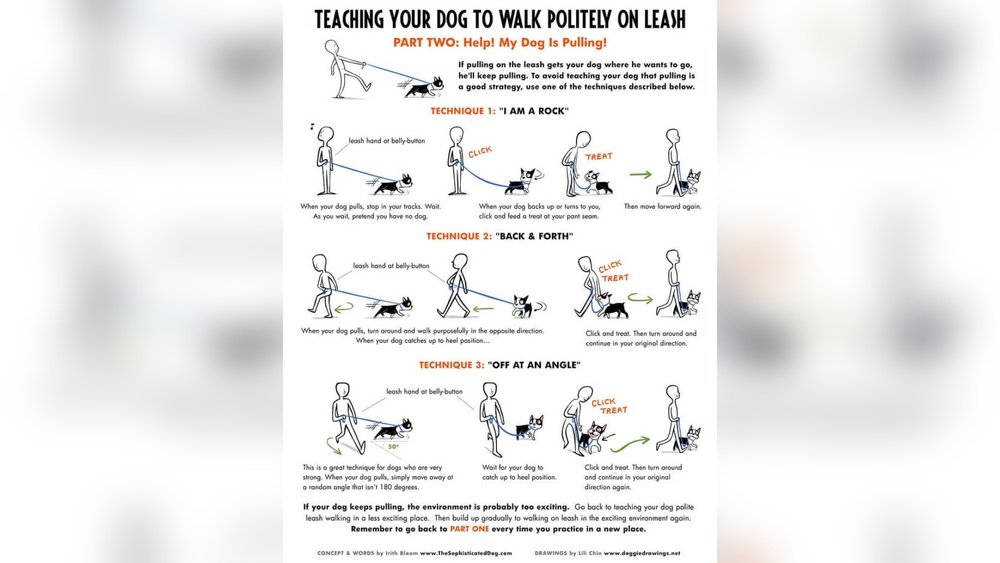
If your puppy pulls ahead, stop walking. Wait for them to come back to you. When the leash slackens, move forward again. This teaches your puppy that pulling means the walk stops, while a loose leash means the walk continues.
Encouraging Engagement
Bring a favorite toy or use a cheerful voice to keep your puppy’s attention. Some puppies walk better when you occasionally change direction or stop for quick games.
Building Consistency: Developing Good Leash Habits
Consistency is key. The more you practice, the more your puppy learns what is expected. Set clear rules and stick to them.
Walking At Your Side
Most owners want their dog to walk beside them. Choose which side you prefer—left or right—and always reward your puppy for staying there. Use treats, praise, and gentle leash guidance.
Using Cues
Teach a cue like “let’s go” or “heel” before you start walking. Say the cue, then move forward. Over time, your puppy will learn to move with you when they hear the cue.
Correcting Gently
If your puppy lunges or pulls, stop walking. Do not yank the leash or scold. Wait for your puppy to return to your side, then continue. This “be a tree” method is effective and humane.
Practicing In Different Places
Gradually practice in new environments—busier streets, parks, or pet-friendly stores. Start in quiet areas and slowly add distractions. This helps your puppy generalize the behavior and listen to you anywhere.
Common Leash Training Problems And Solutions
Leash training is not always smooth. Puppies may pull, bite the leash, or refuse to walk. Here’s how to handle common issues:
Pulling On The Leash
Many puppies want to explore everything at once and end up dragging their owner. To stop pulling:
- Stop walking each time the leash gets tight.
- Wait for your puppy to return to your side.
- Reward with a treat and start walking again.
Consistency is critical. Never let your puppy pull and get where they want. It teaches them pulling works.
Biting Or Chewing The Leash
Puppies explore the world with their mouths. If your puppy chews the leash:
- Use a chew-proof leash (coated steel or chain) temporarily.
- Carry a favorite toy and redirect biting to the toy.
- Avoid tugging the leash away; this can make it a game.
Sitting Or Refusing To Walk
Some puppies plant their feet and refuse to move. If this happens:
- Get down at your puppy’s level and encourage with treats.
- Walk a few steps, then reward.
- Never drag your puppy; it can hurt and create fear.
Lunging At People Or Dogs
If your puppy lunges, block their view with your body and calmly walk in another direction. Reward calm behavior. Over time, your puppy will learn to ignore distractions.
Overexcitement
Some puppies get too excited and jump or bark. Practice calm behavior before starting the walk. Ask your puppy to “sit” before putting on the leash, and reward quiet moments.
Advanced Leash Training: Walking In Challenging Environments
Once your puppy can walk calmly in quiet places, you can introduce more difficult settings. This step helps your puppy become confident in the real world.
Navigating Crowded Areas
Busy sidewalks, parks, or events are full of distractions. Before entering, make sure your puppy can focus on you in quiet places. Bring extra treats and keep sessions short.
Start with less busy times and slowly increase exposure. Reward your puppy for ignoring distractions and staying by your side.
Crossing Streets Safely
Always use a short leash at street crossings. Ask your puppy to “sit” at the curb, then use a release word like “okay” to walk. This habit teaches your puppy not to dash into the street.
Walking With Other Dogs
If you have more than one dog, train each puppy separately first. Walking multiple dogs is more difficult and requires extra control. When both dogs are reliable on leash, you can try walking them together.
Handling Surprises
Trucks, bicycles, or sudden noises can startle a puppy. Stay calm and speak softly. If your puppy panics, move away from the noise and offer comfort. Over time, your puppy will learn to handle surprises.
Socialization And Leash Training
Socialization means exposing your puppy to new people, animals, sights, and sounds in a positive way. Good leash training supports socialization and makes outings safe.
Meeting Other Dogs On Leash
Not every dog wants to say hello. Teach your puppy to wait calmly when you see another dog. Ask the other owner if it’s okay to approach. If not, reward your puppy for staying by your side.
Puppies that rush up to every dog can become difficult to control. Practice “watch me” or “sit” to keep your puppy focused on you.
Greeting People Politely
Puppies love to jump up to greet new people. Teach your puppy to “sit” before saying hello. Ask friends and strangers to only pet your puppy when all four paws are on the ground.
Handling Unfamiliar Environments
Expose your puppy to parks, city streets, and pet stores. Bring treats and keep the first visits short. Over time, your puppy will become confident in new places.
Mistakes To Avoid During Leash Training
Even well-meaning owners make mistakes that can slow progress or create problems. Here are some common pitfalls:
- Using punishment: Yanking the leash or shouting creates fear, not learning. Use positive methods.
- Being inconsistent: Sometimes allowing pulling, sometimes not, confuses your puppy. Be predictable.
- Making walks too long: Puppies get tired easily. Keep early walks short.
- Ignoring your puppy’s signals: If your puppy is scared or overwhelmed, go back a step.
- Skipping practice: Leash skills get rusty without regular training.
Many owners also forget to reward quiet, calm behavior. Praise your puppy when things are going well—not just when there’s a problem.
Credit: www.youtube.com
Tracking Your Progress: Sample Leash Training Timeline
Every puppy learns at their own pace, but most follow a similar timeline. Here’s a sample progression for leash training:
| Age | Training Focus | Expected Progress |
|---|---|---|
| 8-10 weeks | Introduce collar/harness, explore leash indoors | Comfortable wearing gear, beginning to follow you |
| 10-12 weeks | Short leash walks indoors, basic cues | Follows you for a few steps, responds to name |
| 12-16 weeks | Short outdoor walks, working on loose leash | Walks with you, less pulling, sits at stops |
| 16+ weeks | Longer walks, more distractions, advanced cues | Handles busy areas, ignores most distractions |
Some puppies may progress faster or slower. If you hit a setback, go back to an easier step for a few days.
Leash Training For Different Breeds And Personalities
No two puppies are the same. Breed traits, energy level, and personality affect how your puppy learns to walk on a leash.
High-energy Breeds
Breeds like Border Collies, Labrador Retrievers, and Boxers may pull more due to their high energy. Give these puppies extra playtime before walks to burn off excitement.
Small Breeds
Tiny puppies like Chihuahuas or Yorkies can be nervous in busy places. Use a lightweight harness and keep walks short. Carry your puppy if needed in very crowded spots.
Shy Or Fearful Puppies
Some puppies are easily scared by noises, people, or other dogs. Go slowly and use lots of praise. Never force your puppy into a scary situation.
Confident Or Stubborn Puppies
Confident breeds like Terriers or Shiba Inus may try to lead the walk. Be patient and consistent. Use plenty of rewards for walking beside you.
Practical Tips For Successful Leash Training
Many small actions can make leash training easier. Here are practical tips you might not hear everywhere:
- Use a treat pouch: Keep treats handy so rewards are quick and timely.
- Practice in different weather: Rain, wind, or cold can change your puppy’s behavior.
- Try “stop and go” games: Randomly stop, then reward your puppy for looking at you before moving again. This builds focus.
- Switch up your route: New places keep walks interesting and prevent boredom.
- Reward calm at home: Practice putting on the leash and collar calmly before going out.
A non-obvious insight: Some puppies walk better after a short play session, while others do best when a little hungry and eager for treats. Experiment to find what motivates your puppy.
When To Seek Professional Help
Most puppies learn leash skills with time and patience, but some need extra help. Consider a professional dog trainer if:
- Your puppy is very fearful or aggressive on leash.
- You feel overwhelmed or unsafe.
- Pulling or bad habits persist for months despite training.
A good trainer uses positive methods and can create a plan tailored to your puppy. Look for trainers certified by reputable organizations.
You can find more detailed information about professional training programs on the American Kennel Club website.

Credit: magazine.joovy.com
Building A Lifelong Walking Habit
Leash training is not just a puppy task—it’s a life skill. Regular walks provide physical exercise, mental stimulation, and strengthen your bond. As your puppy grows, keep practicing leash manners and exploring new places together.
Remember, the goal is not perfection but progress. Celebrate small wins and enjoy the journey. With patience and consistency, your puppy will become a great walking partner for years to come.
Frequently Asked Questions
How Early Can I Start Leash Training My Puppy?
You can start leash training as soon as your puppy comes home, usually around 8 weeks old. Begin with short sessions indoors, then gradually move outside. Early training helps prevent bad habits.
What If My Puppy Is Scared Of The Leash?
If your puppy is afraid, go slowly. Let your puppy sniff the leash, then reward with treats. Never force the leash on. Short, positive sessions build confidence over time.
How Long Does It Take To Train A Puppy To Walk On A Leash?
Most puppies learn basic leash skills in a few weeks with daily practice. Some may take longer, especially if they are shy or easily distracted. Consistency is more important than speed.
Is It Better To Use A Harness Or A Collar For Leash Training?
A front-clip harness is often best for leash training because it gives gentle control and prevents neck strain. Collars are fine for calm puppies, but avoid choke chains or prong collars.
What Should I Do If My Puppy Won’t Stop Pulling?
Stop walking every time your puppy pulls. Wait for the leash to slacken, then reward and move forward. Consistency is key. If pulling continues, try a front-clip harness or ask a professional trainer for help.
Training your puppy to walk on a leash takes time, but the rewards are worth it. With the right approach, patience, and a bit of creativity, you’ll build a walking routine you both enjoy—and create memories that last a lifetime.
We’re the dedicated team behind MyPawSafe.com, with over a decade of combined experience in veterinary care, pet emergency response, and animal behavior. While we prefer to let our work speak for itself, our mission is clear: to provide science-backed, vet-approved advice that helps pet owners prevent accidents and save lives.