Every dog owner wants their pet to live a healthy, happy life. But many people don’t know how important dog vaccinations are for protecting their furry friend. Vaccines guard against dangerous diseases, some of which can even spread to humans. Still, understanding the right dog vaccination schedule by age can feel confusing. Puppies, adults, and seniors all need different shots at different times. If you’re unsure, you’re not alone. This guide will explain everything you need to know, step by step, to keep your dog safe from puppyhood to old age.
Why Dog Vaccinations Matter
Vaccines work by teaching your dog’s body to recognize and fight certain diseases. Some illnesses, like rabies or parvovirus, are deadly and spread quickly. Others, such as kennel cough, can make your pet sick and uncomfortable. Vaccinations help prevent these problems, saving money and heartache in the long run.
According to the American Veterinary Medical Association, thousands of pets die each year from preventable diseases. Vaccinated dogs are less likely to get sick, and they help stop diseases from spreading in the community. For puppies, vaccines are extra important because their immune system is still developing.
Understanding Core Vs. Non-core Vaccines
Not all vaccines are the same. Vets divide them into two groups:
- Core vaccines: These protect against the most serious, common diseases. Every dog should get core vaccines.
- Non-core vaccines: These are for diseases that are less common or only found in certain places. Your vet may suggest non-core vaccines if your dog is at risk.
Here’s a quick overview of each type:
| Vaccine Type | Diseases Covered | Required? |
|---|---|---|
| Core | Rabies, Distemper, Parvovirus, Adenovirus | Yes |
| Non-core | Bordetella, Lyme, Leptospirosis, Influenza | Depends on risk |
Core vaccines are needed for all dogs, no matter where you live. They protect against diseases that can kill or cause serious health problems. Non-core vaccines depend on your dog’s lifestyle and where you live. For example, dogs in rural areas may need a Lyme disease shot, but city dogs may not.
Puppy Vaccination Schedule
Puppies are most vulnerable to disease. Their immune system is not fully developed, so they need several rounds of vaccines in their first months. Each shot builds stronger protection.
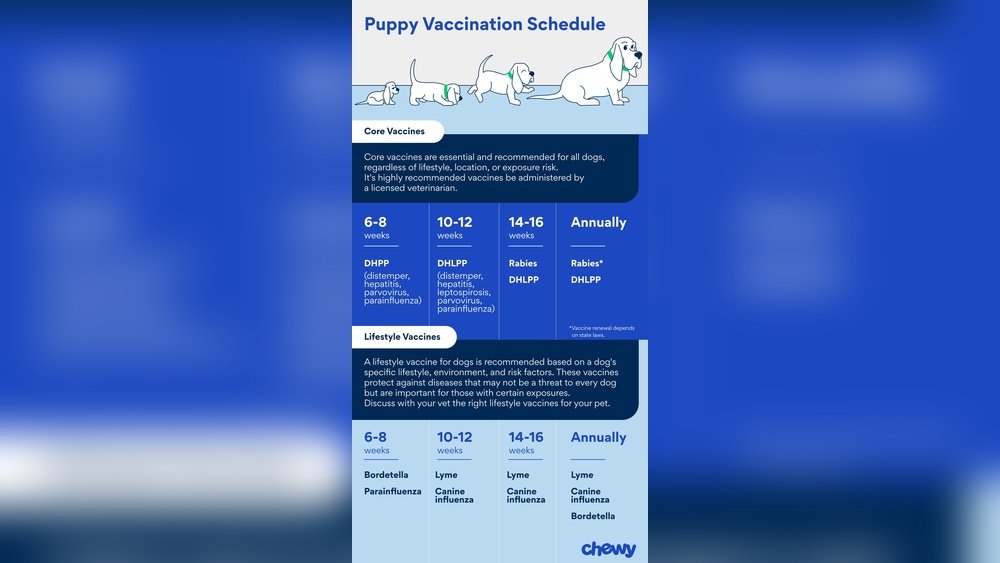
Here’s the typical puppy vaccination schedule:
| Puppy Age | Vaccines Given | Notes |
|---|---|---|
| 6–8 weeks | Distemper, Parvovirus (sometimes Adenovirus, Parainfluenza) | First round of core vaccines |
| 10–12 weeks | Second round: Distemper, Parvovirus, Adenovirus, Parainfluenza | Booster shots |
| 14–16 weeks | Third round: Distemper, Parvovirus, Adenovirus, Parainfluenza, Rabies | Rabies required by law in most states |
| 12+ weeks (as needed) | Non-core vaccines: Bordetella, Lyme, Leptospirosis, Influenza | Based on risk |
Timing Matters
The timing for puppy shots is important. If you wait too long, your puppy may get sick before they’re protected. If you vaccinate too soon, their mother’s antibodies can block the vaccine. Most vets recommend starting at 6–8 weeks and giving boosters every 2–4 weeks until 16 weeks.
What To Expect After Puppy Shots
Most puppies feel fine after vaccinations. Some might be tired, have mild swelling, or act quiet for a day. These side effects are normal and go away quickly. Rarely, a puppy may have a stronger reaction. If you notice vomiting, trouble breathing, or swelling in the face, call your vet right away.
Adult Dog Vaccination Schedule
Once your puppy is fully vaccinated, you need to keep up with booster shots. Adult dogs don’t need shots as often, but skipping boosters can leave them unprotected.
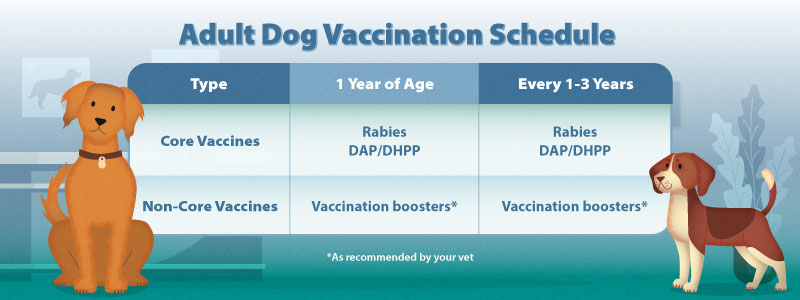
Here is the usual adult dog vaccination schedule:
- Rabies: Every 1–3 years, depending on local laws and vaccine type
- Distemper, Parvovirus, Adenovirus: Every 1–3 years
- Non-core vaccines: As needed, usually yearly
Many vets use a three-year vaccine for core diseases. Some prefer yearly boosters, especially if your dog is at higher risk. Always check with your vet about your dog’s specific needs.
Why Boosters Are Needed
Vaccines don’t last forever. Over time, your dog’s protection fades. Booster shots remind the body to keep fighting the disease. Skipping boosters can leave your dog exposed, especially if you travel or meet other dogs often.
Lifestyle And Location
Your dog’s risk changes as they grow. Dogs that visit parks, boarding kennels, or travel may need extra protection. For example, Bordetella (kennel cough) is common in places with many dogs. Leptospirosis is found in wet, rural areas. If your dog’s habits change, talk to your vet about updating their vaccine schedule.

Credit: knowleswellness.com
Senior Dog Vaccination Schedule
Older dogs have a weaker immune system. They may not respond to vaccines as well, but they still need protection. Some vaccines can be given less often, while others remain important.
Here’s a basic senior dog vaccination schedule:
- Rabies: Every 3 years (or as required)
- Distemper, Parvovirus, Adenovirus: Every 3 years (sometimes less often)
- Non-core vaccines: Depends on lifestyle and health
Some vets suggest skipping non-core vaccines for dogs with health problems. Others recommend regular boosters, especially if your dog is active or travels. Always ask your vet for advice based on your dog’s age and health.
Special Considerations For Seniors
Senior dogs may have other health issues, like kidney disease or arthritis. Vaccines can sometimes cause mild side effects, so your vet may do extra tests before giving shots. If your dog has a history of bad reactions, your vet can make a special plan.
Common Dog Vaccines Explained
Understanding what each vaccine protects against helps you make better choices. Here’s a breakdown of the most important vaccines:
Rabies
Rabies is a deadly virus that attacks the brain. It’s spread by bites from infected animals. There’s no cure, and it’s fatal for both dogs and humans. Rabies shots are required by law in most places.
Distemper
Canine distemper is a virus that affects the lungs, stomach, and brain. Puppies are most at risk. Symptoms include fever, coughing, vomiting, and seizures. Distemper can be fatal, so vaccination is critical.
Parvovirus
Parvovirus causes severe stomach problems, especially in puppies. It spreads easily and can survive in the environment for months. Symptoms include vomiting, diarrhea, and dehydration. Quick treatment is needed, but many puppies die without the vaccine.
Adenovirus (hepatitis)
Canine adenovirus causes liver disease. It spreads through urine and saliva. Symptoms include fever, belly pain, and yellow eyes. The vaccine also protects against kennel cough.
Parainfluenza
This virus causes respiratory infections and is often included in combination shots. It spreads quickly in places where dogs gather.
Bordetella (kennel Cough)
Bordetella bronchiseptica is a bacteria causing kennel cough, a hacking cough seen in dogs in kennels, shelters, or dog parks. The vaccine is often given to dogs that travel or socialize.
Lyme Disease
Lyme disease comes from tick bites. It causes joint pain, fever, and tiredness. Not all dogs need this vaccine. Dogs in wooded or rural areas are at higher risk.
Leptospirosis
Leptospirosis is a bacteria found in water and soil. It can cause kidney and liver problems. Dogs that swim or walk in wet areas may need this vaccine.
Canine Influenza
Dog flu spreads in places with many dogs, like shelters or shows. Symptoms are cough, fever, and runny nose. The vaccine is given to dogs at risk.
How Vaccines Are Given
Most dog vaccines are injected under the skin. Some, like the Bordetella vaccine, can be given as a spray in the nose. The vet will check your dog’s health before giving shots. If your dog is sick, they may wait until your pet feels better.
Combination Vaccines
Some vaccines are combined into one shot, called a multivalent vaccine. For example, the DHPP vaccine protects against distemper, hepatitis (adenovirus), parvovirus, and parainfluenza. Combination shots reduce the number of injections and make scheduling easier.
Here’s how common combination vaccines compare:
| Vaccine Name | Diseases Covered | Age Given |
|---|---|---|
| DHPP | Distemper, Hepatitis, Parvovirus, Parainfluenza | Puppy (6–16 weeks), Adult (boosters) |
| DA2PP | Distemper, Adenovirus-2, Parvovirus, Parainfluenza | Puppy, Adult |
| Rabies | Rabies | 14–16 weeks, then boosters |
How To Keep Track Of Dog Vaccinations
Tracking your dog’s vaccines is important. Many vets give a vaccination record after each shot. This record shows the date, vaccine type, and next booster due.
You can also use smartphone apps or calendars to remind you about booster shots. Some countries require proof of rabies vaccination for travel or licensing. Keeping records avoids problems later.
What To Do If You Miss A Shot
If you miss a vaccine, call your vet. Depending on how late you are, your dog may need an extra booster. Never restart the full series unless your vet recommends it.

Credit: mtv-ilten.de
Vaccine Side Effects And Safety
Vaccines are safe for most dogs. Side effects are usually mild, like soreness or tiredness. Severe reactions are rare but can happen.
Common Side Effects
- Swelling at the injection site
- Tiredness
- Mild fever
- Loss of appetite
These go away in a day or two. If your dog has vomiting, diarrhea, trouble breathing, or swelling in the face, call your vet immediately.
Allergic Reactions
Some dogs are allergic to vaccine ingredients. Signs include hives, vomiting, or collapse. Your vet can treat these reactions quickly. If your dog had a bad reaction before, tell your vet.
Vaccination Laws And Regulations
In the US, rabies vaccination is required by law for all dogs. The rules depend on your state or city. Some places require yearly shots; others allow three-year vaccines. If you travel, check the rules for your destination.
For other vaccines, laws vary. Boarding kennels often require proof of certain shots, like Bordetella or distemper. Dog shows may have their own rules.
International Travel
If you plan to take your dog abroad, you need extra vaccines and paperwork. Many countries require a rabies shot and a health certificate. Some ask for blood tests to prove the vaccine worked. Always check the requirements before traveling.
How Vaccines Protect The Community
Vaccinating your dog does more than just keep your pet safe. It helps protect other dogs and even people. Some diseases, like rabies and leptospirosis, can spread to humans. Vaccines break the chain of infection.
This is called herd immunity. When most dogs are vaccinated, diseases can’t spread easily. It’s especially important for puppies, seniors, and dogs with health problems, who may not respond well to vaccines.
Practical Tips For Dog Owners
Vaccines can feel overwhelming, but a few simple steps make everything easier:
- Find a trusted vet: Your vet can make a custom vaccine plan for your dog.
- Keep records: Always save your dog’s vaccine paperwork.
- Set reminders: Use your phone or calendar to track booster dates.
- Ask questions: Don’t be shy. Your vet wants to help.
- Watch for side effects: Stay alert after shots, especially for puppies.
- Update as needed: If your dog’s lifestyle changes, update their vaccines.
Example: City Vs. Rural Dogs
City dogs often need Bordetella and canine influenza vaccines because they meet lots of other dogs. Rural dogs may need Lyme disease and leptospirosis shots if they play in woods or swim in ponds. Always adjust your dog’s vaccine plan to match their risks.
How Much Do Dog Vaccinations Cost?
Costs vary by location, dog size, and vaccine type. Here’s a rough estimate:
- Core vaccines: $20–$50 per shot
- Non-core vaccines: $15–$35 per shot
- Rabies: $15–$25
- Puppy series (full set): $100–$200
Some clinics offer packages or discounts for multiple shots. Animal shelters may give low-cost vaccines. It’s worth comparing prices, but don’t skip shots to save money. Skipping vaccines can lead to expensive treatments later.
Comparing Vaccine Costs
Here is a comparison of typical costs for dog vaccines:
| Vaccine | Average Cost | Frequency |
|---|---|---|
| Rabies | $15–$25 | Every 1–3 years |
| DHPP | $20–$50 | Yearly or every 3 years |
| Bordetella | $15–$35 | Yearly |
| Leptospirosis | $20–$30 | Yearly |
| Lyme | $20–$40 | Yearly |
Non-obvious Insights For New Dog Owners
Many new owners think vaccines are only for puppies. In truth, adult dogs and seniors also need boosters to stay protected. Another common mistake is believing indoor dogs don’t need shots. Even indoor pets can be exposed to disease through visitors, other animals, or travel.
Also, many people overlook non-core vaccines, thinking they’re less important. But if your dog’s risk changes (like traveling or joining group activities), these vaccines become crucial. Always review your dog’s vaccine plan yearly.
How To Choose The Right Vaccine Plan
Choosing the right dog vaccination schedule by age isn’t just about following a chart. You need to think about:
- Your dog’s age: Puppies need more shots; adults need boosters; seniors may need special plans.
- Breed and health: Some breeds, like Rottweilers and Dobermans, are more sensitive to parvovirus.
- Lifestyle: Does your dog travel, visit parks, or board often?
- Location: Rural, urban, and international travel all change the risks.
Talk openly with your vet. Share your dog’s habits and health history. The best plan is custom-made for your dog.
What Happens If You Don’t Vaccinate?
Skipping vaccines puts your dog at serious risk. Diseases like parvovirus and distemper can kill puppies in days. Rabies is always fatal and can threaten public health.
Unvaccinated dogs can’t go to kennels, shows, or travel easily. Many places require proof of shots for entry. If your dog bites someone and isn’t vaccinated, you could face legal trouble.
Credit: www.carecredit.com
The Role Of Annual Wellness Visits
Vaccination is just one part of keeping your dog healthy. Annual vet visits help find health problems early. Your vet checks your dog’s weight, teeth, and overall health. They also update vaccines and answer your questions.
Some owners skip these visits, thinking their dog is fine. But silent problems, like dental disease or arthritis, can build up. Wellness visits are a chance to protect your pet before problems start.
Vaccine Myths And Facts
There are many myths about dog vaccines. Let’s clear up some common ones:
- Myth: Vaccines cause autism in dogs.
- Fact: There is no evidence of this. Vaccines are safe and tested.
- Myth: Only puppies need shots.
- Fact: Adults and seniors need boosters too.
- Myth: Indoor dogs don’t need vaccines.
- Fact: Even indoor dogs can be exposed.
- Myth: Too many vaccines are dangerous.
- Fact: Vets follow strict rules to avoid over-vaccination.
For more details on vaccine safety and research, visit AVMA: Vaccinations for Dogs.
Frequently Asked Questions
How Often Should I Vaccinate My Dog?
Most dogs need core vaccines every 1–3 years. Puppies get shots every few weeks until 16 weeks old. Adults need boosters based on vaccine type and risk. Ask your vet for a custom schedule.
Can Dogs Have Allergic Reactions To Vaccines?
Yes, but it’s rare. Most reactions are mild, like swelling or tiredness. Severe reactions (vomiting, trouble breathing) need urgent care. Tell your vet if your dog had a bad reaction before.
Are Vaccines Safe For Pregnant Or Sick Dogs?
Vets usually avoid vaccinating pregnant dogs unless needed. Sick dogs may wait until they recover. Always tell your vet about your dog’s health before vaccines.
What Happens If I Miss A Booster Shot?
Don’t panic. Call your vet and ask for advice. Your dog may need an extra booster, but rarely the full series again. Keeping records helps avoid missed shots.
Do Indoor Dogs Need Vaccines?
Yes. Even indoor dogs can be exposed to disease through visitors, other pets, or travel. Core vaccines are always needed, and some non-core shots may be important based on risk.
Dog vaccinations can feel overwhelming, but they’re one of the best ways to keep your pet healthy. By following the right dog vaccination schedule by age, you protect your dog from deadly diseases and help your whole community stay safe. With good records, regular vet visits, and a plan that fits your dog’s life, you can relax knowing your furry friend is protected. Remember, every dog is different—work with your vet to build the best plan for your pet’s needs.

We’re the dedicated team behind MyPawSafe.com, with over a decade of combined experience in veterinary care, pet emergency response, and animal behavior. While we prefer to let our work speak for itself, our mission is clear: to provide science-backed, vet-approved advice that helps pet owners prevent accidents and save lives.