
If your dog suddenly limps or acts strange after play or a walk, it’s natural to worry. Dogs can’t tell us when something hurts, so owners must pay close attention. One common injury is a sprained leg. But how do you know if your dog has a sprain and not something more serious? Spotting the signs early can help your dog heal faster and avoid bigger problems. This article will help you understand what a sprain is, how to recognize it, and what steps you should take. We’ll also cover how to tell a sprain from other leg injuries, what your vet might do, and give answers to common questions.
What Is A Dog Leg Sprain?
A sprain is an injury to the ligaments. Ligaments are strong bands that connect bones at a joint. When a dog’s leg twists or stretches too much, these ligaments can get damaged. Sprains usually happen in the wrist (carpus) or knee (stifle), but any joint can be affected.
Sprains can range from mild (just stretched) to severe (torn). They are different from strains, which affect muscles or tendons. Sprains often happen after jumping, running, or landing awkwardly.
Common Causes Of Sprains
Dogs can sprain a leg in many ways:
- Jumping from high places (sofa, stairs, car)
- Running on slippery or uneven ground
- Playing roughly with other dogs
- Sudden stops while chasing toys
- Accidents or falls
Older dogs may be more likely to sprain a leg because their ligaments are weaker. Puppies can sprain a leg because they are very active and sometimes clumsy.
Signs Your Dog May Have Sprained A Leg
Not every limp means a sprain. Some signs are more obvious, but others are subtle. Watch for these key clues:
- Limping or favoring one leg – Your dog may walk strangely, avoid putting weight on the leg, or lift it off the ground.
- Swelling around the joint – Look for puffiness or a change in shape around the wrist, knee, or ankle.
- Pain when touched – Your dog may yelp, pull away, or act uneasy when you touch the leg.
- Redness or warmth – The injured area may feel hotter than the rest of the body.
- Stiffness or trouble moving – Dogs may struggle to stand, jump, or climb stairs.
- Licking or chewing the leg – Dogs often lick or chew painful spots.
- Less activity – Your dog may be less playful or unwilling to go for walks.
- Sudden change in behavior – Some dogs become quiet or irritable.
Real-life Example
Imagine your dog jumps off the bed and lands awkwardly. Soon after, she walks with a limp and whines when you touch her front paw. She avoids running and spends more time lying down. These are classic signs of a sprain.
How To Tell A Sprain From Other Leg Injuries
Sprains are only one type of leg injury. It’s important to know what else could cause limping:
- Strains – Affect muscles or tendons, not ligaments.
- Fractures – Broken bones; often severe pain, swelling, and may look deformed.
- Dislocations – Joint moves out of place; may look twisted.
- Torn ligaments – More serious than a sprain; dog may not use leg at all.
- Arthritis – Ongoing joint pain; usually affects older dogs and comes on slowly.
- Cuts, bruises, or paw injuries – Sometimes limping is caused by wounds or something stuck in the paw.
Comparison Table: Sprain Vs Other Injuries
| Type of Injury | Main Signs | Urgency |
|---|---|---|
| Sprain | Limping, mild swelling, pain on touch | Moderate; see vet soon |
| Fracture | Severe pain, swelling, no weight on leg, deformity | High; emergency |
| Dislocation | Limping, odd angle, joint looks out of place | High; emergency |
| Strain | Limping, mild pain, less swelling | Moderate; see vet soon |
| Arthritis | Stiffness, gradual limping, worse after rest | Low to moderate |
If you see severe signs like loud yelping, the leg pointing the wrong way, or bone sticking out, get emergency help. Sprains are usually less dramatic, but still painful.
First Steps: What To Do If You Suspect A Sprain
If you think your dog sprained a leg, stay calm. Here are practical steps:
- Check the leg – Gently look for swelling, wounds, or obvious injuries. Don’t force your dog to move the leg.
- Keep your dog quiet – Stop running, jumping, or playing. Let your dog rest in a safe place.
- Apply cold pack – Use a towel-wrapped ice pack for 10–15 minutes to reduce swelling. Never place ice directly on the skin.
- Prevent licking – If your dog keeps licking the leg, use a cone or protective sleeve.
- Limit walks – Only go outside for bathroom breaks. Carry small dogs if needed.
- Call your vet – Describe the symptoms and ask if your dog needs to be seen right away.
When To See A Vet Immediately
Some signs mean you should get help fast:
- Severe pain, screaming, or snapping
- Leg looks deformed or twisted
- No movement or feeling in the leg
- Large wounds or bleeding
- Extreme swelling
Waiting can make things worse. For mild cases, your vet may suggest home care, but serious injuries need prompt treatment.
Diagnosis: How Vets Confirm A Sprain
Vets use several methods to check for sprains:
- Physical exam – The vet will gently move and touch the leg to find pain, swelling, or instability.
- X-rays – These help rule out fractures or dislocations. Sprains may not show up on X-rays, but they help exclude other problems.
- Ultrasound – This can show ligament injuries or swelling inside the joint.
- MRI or CT scan – Used for severe cases; these give a clear picture of soft tissue injuries.
Some injuries are hard to see right away. The vet may recommend rest and then re-check in a few days.
Data Table: Diagnostic Tools
| Tool | What It Shows | When Used |
|---|---|---|
| Physical Exam | Pain, swelling, movement issues | All cases |
| X-ray | Bone injuries, joint position | Suspected fracture/dislocation |
| Ultrasound | Ligament damage, swelling | Suspected sprain/soft tissue injury |
| MRI/CT | Detailed soft tissue images | Severe or unclear cases |
Treatment Options For Dog Leg Sprains
Treating a sprain depends on how bad it is. Most mild sprains heal with rest and simple care. Severe sprains may need more help.
Home Care For Mild Sprains
- Rest – Keep your dog quiet for at least 7–10 days. No running, jumping, or rough play.
- Cold compress – Use cold packs for the first 2–3 days to reduce swelling.
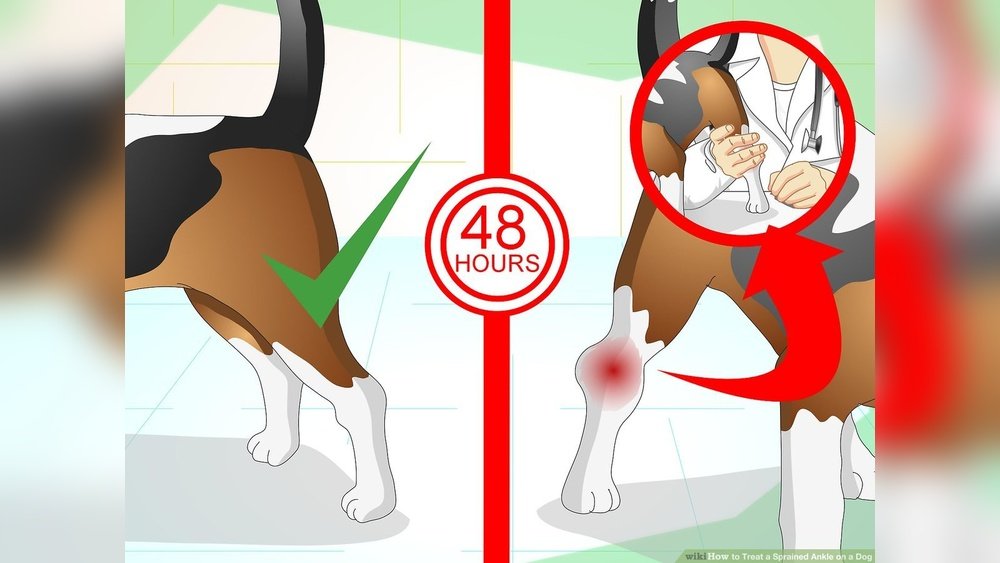
- Warm compress – After 48 hours, switch to warm compresses to help blood flow and healing.
- Limit walks – Short, slow walks on a leash for bathroom breaks only.
- Monitor progress – Watch for improvement. Most mild sprains get better in 1–2 weeks.
Veterinary Treatment For Moderate/severe Sprains
Vets may recommend:
- Anti-inflammatory medications – Reduce pain and swelling. Never use human drugs without a vet’s advice.
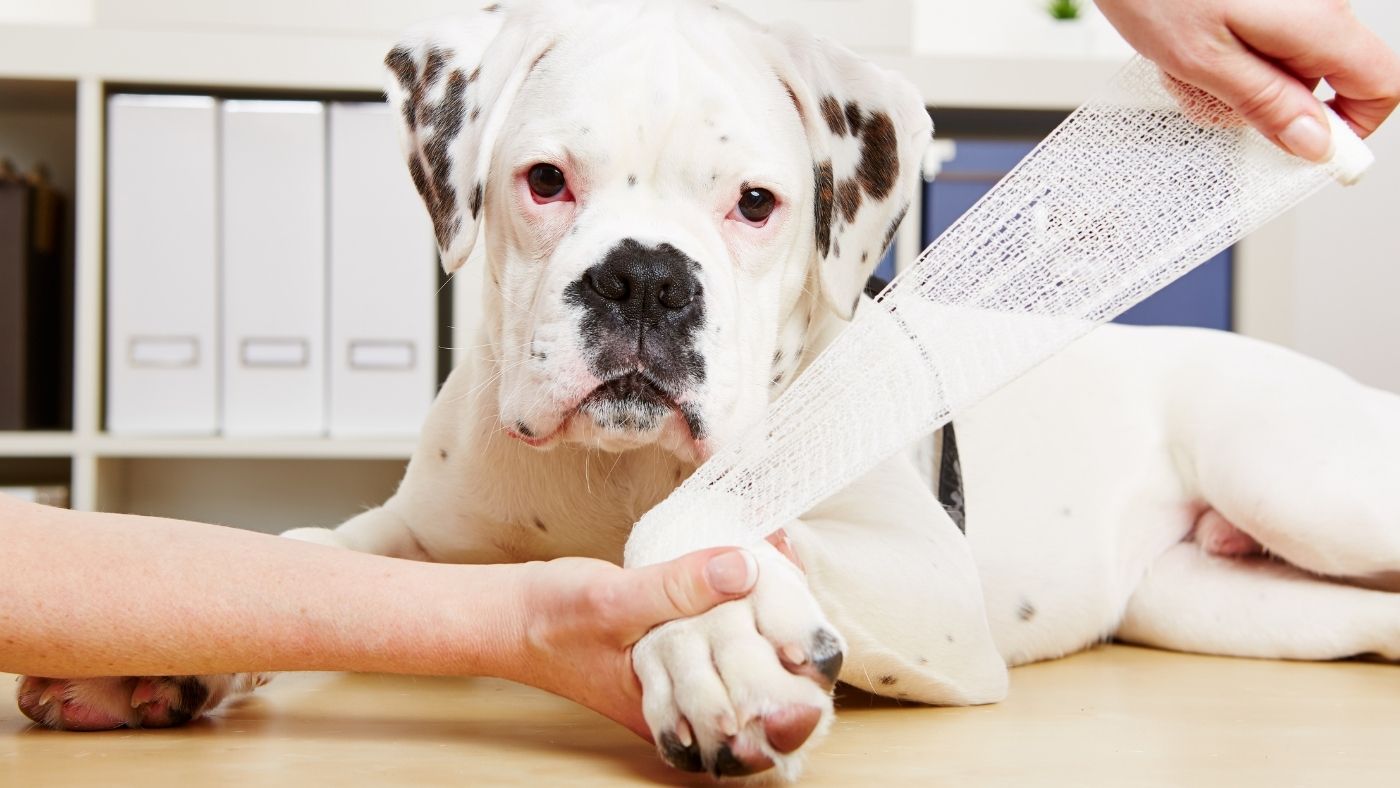
- Joint support wraps or braces – Protect the leg and prevent further injury.
- Physical therapy – Gentle exercises to help regain strength and movement.
- Laser therapy – Speeds healing for some ligament injuries.
- Surgery – Rare, but needed for torn ligaments or severe injuries.
Comparison Table: Home Vs Veterinary Treatment
| Home Care | Vet Treatment |
|---|---|
| Rest, cold/warm compress, limit activity | Medications, braces, therapy, surgery |
| Mild sprains | Moderate/severe sprains |
| Cheap, easy to do | May be costly, needs vet |
| Works in 1–2 weeks | May take longer, depends on injury |
Practical Tips For Better Recovery
- Use a soft bed to keep your dog comfortable.
- Block off stairs or furniture to prevent jumping.
- Give treats and toys to keep your dog calm during rest.
- Watch for signs of infection or new injuries.
Credit: www.naturalfarmpet.com
How Long Does A Dog Sprain Take To Heal?
Healing times vary:
- Mild sprain: 7–14 days with rest.
- Moderate sprain: 2–4 weeks, sometimes longer.
- Severe sprain or torn ligament: May need months and special treatment.
Young, healthy dogs often heal faster. Older dogs or dogs with other health problems may take longer.
Factors That Affect Healing
- Age and overall health
- Severity of the injury
- How quickly you start treatment
- If your dog follows rest instructions
Many owners rush recovery because their dog seems better after a few days. This is a common mistake. Dogs may hide pain or try to play too soon, which can cause new injuries.
When Is Limping Not A Sprain?
Sometimes limping is caused by other issues. Here are a few examples:
- Nail injuries – Broken or torn nails can cause sudden limping.
- Insect bites or stings – Swelling and pain from bites can mimic a sprain.
- Foreign objects – Thorns, glass, or pebbles stuck in the paw.
- Hip or back problems – Issues higher up in the body can cause limping.
If your dog limps for more than 24 hours, has swelling, or seems in pain, always check with your vet.
Preventing Sprains And Leg Injuries In Dogs
While you can’t prevent every accident, you can lower the risk:
- Keep floors clean and dry to avoid slips.
- Use ramps or steps for dogs prone to jumping.
- Supervise rough play, especially with bigger dogs.
- Avoid sudden changes in exercise routine.
- Check your yard for holes, loose boards, or hazards.
- Keep your dog’s nails trimmed and paws healthy.
Breed And Age Factors
Some breeds are more prone to sprains due to their build or activity level. For example:
- Greyhounds, Whippets, and other racing breeds – Fast runners, more likely to twist a leg.
- Small breeds (like Dachshunds) – Jumping from high places increases risk.
- Senior dogs – Weaker ligaments and slower healing.
If your dog is at higher risk, take extra care during play and walks.
Common Mistakes Owners Make
Many owners miss these points:
- Ignoring limping – Waiting too long can make things worse.
- Letting dogs play too soon – Early activity may cause repeat injuries.
- Using human medicine – Some drugs are dangerous for dogs.
- Not preventing licking – Constant licking can slow healing.
- Missing hidden injuries – Sometimes, the problem is deeper than it looks.
Always trust your instincts. If your dog seems “off,” get advice from your vet.
What To Expect At The Vet: Process And Costs
A visit to the vet usually includes:
- Physical exam and questions about how the injury happened.
- Possible X-rays or other scans.
- Treatment plan: Rest, medication, or therapy.
Costs depend on what’s needed. Basic exams are usually $50–$100. X-rays can cost $100–$250. Braces or therapy may add more. Surgery for torn ligaments can cost over $1,000.
Many clinics offer payment plans or pet insurance. If you’re worried about costs, ask your vet about options.
How To Monitor Your Dog’s Progress
Track your dog’s recovery with these steps:
- Keep a daily log of limping, swelling, and activity.
- Take photos of the leg to compare swelling.
- Note any changes in appetite or mood.
- Report new symptoms to your vet.
If your dog gets worse or doesn’t improve after a week, call your vet.
Sprains In Puppies Vs Adult Dogs
Puppies heal faster but can be more difficult to keep still. Adult dogs may take longer to recover and are at higher risk for repeat injuries.
- Puppies: Use playpens to limit activity. Give chew toys and puzzles for mental stimulation.
- Adults: Block off stairs and use leashes for bathroom breaks.
Older dogs may have arthritis or weak ligaments. They need extra care and slower return to normal activity.
Can Sprains Cause Long-term Problems?
Most mild sprains heal without lasting issues. Severe sprains or repeated injuries can lead to:
- Chronic pain
- Joint instability
- Arthritis
- Trouble running or jumping
Early care and proper rest are the best ways to avoid long-term problems.

Credit: www.wikihow.com
How To Safely Return Your Dog To Normal Activity
After a sprain heals, don’t rush back to normal play. Follow these steps:
- Start with slow, short walks.
- Watch for limping or signs of pain.
- Gradually increase activity over 1–2 weeks.
- Avoid stairs, jumping, or rough play until your vet says it’s safe.
- Use leashes and harnesses for better control.
If your dog limps again, stop activity and call your vet.
Real-world Statistics And Data
Sprains are common in active dogs. According to the American Veterinary Medical Association, limping is one of the top reasons dogs are brought to the vet. About 30% of limping cases in young dogs are due to soft tissue injuries like sprains.
Most sprains heal with rest and simple care, but about 10–15% may need more treatment. Dogs that return to normal activity too soon are twice as likely to injure the same leg again.
Additional Insights Most Owners Miss
- Dogs often hide pain – Many dogs will try to act normal, even when injured. Watch for subtle changes like less jumping or slower movement.
- Not all limping is from the leg – Sometimes, hip or back injuries can cause limping. If your vet can’t find a leg injury, ask about other possibilities.
- Repeated sprains weaken joints – Dogs that sprain the same leg more than once can develop joint instability. Talk to your vet about exercises to strengthen the leg.
When To Consider A Second Opinion
If your dog’s limp doesn’t improve after a week, or if symptoms get worse, it’s smart to get another vet’s advice. Some injuries are tricky and may need special tests.
:strip_icc()/why-is-my-dog-limping-4125207-final-2063d54b740d485c9caa789c4b8662ea.jpg)
Credit: www.thesprucepets.com
Frequently Asked Questions
How Can I Tell If My Dog’s Limp Is Serious?
If your dog refuses to use the leg, cries in pain, or the leg looks deformed, it’s serious. Swelling, warmth, and deep wounds also mean you should see a vet right away.
Can A Dog Walk On A Sprained Leg?
Many dogs will still try to walk on a sprained leg, but they usually limp or avoid putting full weight on it. If your dog uses the leg but seems uncomfortable, it may be a mild sprain.
Is It Safe To Give My Dog Pain Medicine For A Sprain?
Only use pain medicine prescribed by your vet. Some human medicines, like ibuprofen, are dangerous for dogs. Your vet can recommend safe options.
How Long Should I Keep My Dog Resting After A Sprain?
Most mild sprains need 7–14 days of rest. For moderate injuries, rest may be needed for up to 4 weeks. Always follow your vet’s advice and don’t rush recovery.
What If My Dog’s Limp Doesn’t Get Better?
If your dog’s limp lasts more than 7 days, gets worse, or new symptoms appear, see your vet again. There may be a deeper injury that needs more treatment.
Spotting a dog sprain early and acting quickly can make a big difference. By watching for signs, limiting activity, and getting the right help, you can help your dog heal and return to normal life. If you’re ever unsure, your vet is your best source of guidance. For more detailed information about canine injuries, visit AVMA Canine Lameness Guide. Your dog depends on you to notice when something is wrong—trust your instincts, and act with care.

We’re the dedicated team behind MyPawSafe.com, with over a decade of combined experience in veterinary care, pet emergency response, and animal behavior. While we prefer to let our work speak for itself, our mission is clear: to provide science-backed, vet-approved advice that helps pet owners prevent accidents and save lives.