Liver disease in dogs is a serious condition that often goes unnoticed until it becomes advanced. The liver is a vital organ responsible for filtering toxins, aiding digestion, storing nutrients, and supporting the immune system. Because the liver can perform its job even when partially damaged, early signs of disease are often subtle and easy to miss. By the time symptoms are obvious, the disease may already be severe. Recognizing the warning signs early can make a big difference in your dog’s health, comfort, and outcome.
This article explores the most common and important signs of liver disease in dogs, explains why they happen, and shows you what to watch for at home. You’ll also find examples, data, and real-life advice that go beyond what most pet owners know.
If you’re worried about your dog, understanding these signs can help you act quickly—sometimes saving your dog’s life.
Why Liver Disease Happens In Dogs
The liver is exposed to many risks because it filters everything the body absorbs. Common causes of liver disease in dogs include:
- Infections (bacterial, viral, or parasitic)
- Toxins (certain medications, plants, or chemicals)
- Cancer (primary or spread from other organs)
- Congenital defects (born with liver problems)
- Autoimmune diseases (body attacks its own liver)
- Age-related changes (older dogs are more at risk)
- Obesity and poor diet
Some breeds, like the Labrador Retriever, Doberman Pinscher, and Bedlington Terrier, are more prone to liver issues. However, any dog can develop liver disease.
How The Liver Works In Dogs
To understand the symptoms, it helps to know what the liver does. The liver’s main jobs include:
- Breaking down and removing toxins from the blood
- Helping digest fats and absorb vitamins
- Storing sugar for energy
- Producing proteins for blood clotting
- Storing iron, copper, and other nutrients
When the liver is damaged, these processes don’t work well. This causes a ripple effect, leading to many different symptoms in the body.
Early Signs Of Liver Disease In Dogs
Liver disease often starts quietly. Dogs may show only mild changes at first. Early symptoms are important but easy to overlook.
1. Loss Of Appetite
A sudden or gradual loss of appetite is often one of the first clues. You may notice your dog:
- Leaves food untouched
- Eats less than usual
- Shows interest in food but doesn’t eat
This happens because liver problems can cause nausea and change your dog’s sense of taste and smell.
2. Lethargy
Dogs with liver disease often become lethargic. They may seem:
- Less playful or energetic
- Sleep more than usual
- Show little interest in walks or toys
Lethargy happens because toxins build up in the blood and affect the brain and muscles.
3. Vomiting And Diarrhea
Digestive upset is common in early liver disease. Look for:
- Occasional or frequent vomiting
- Loose, watery, or unusually colored stools
The liver helps digest food. When it’s not working, the stomach and intestines are affected.
4. Drinking And Urinating More
Increased thirst and urination can appear early. You might notice:
- Your dog emptying the water bowl more often
- Needing to go outside to urinate more frequently
This can also be a sign of other diseases, so it’s important to check with your vet.
5. Subtle Behavior Changes
Some dogs show small changes in personality or routine, such as:
- Hiding or avoiding people
- Acting confused or restless
- Seeming anxious or depressed
These early behavioral changes are easy to miss but are important clues.
Advanced Signs Of Liver Disease In Dogs
As liver disease progresses, the signs become more obvious and serious. Advanced symptoms often mean the liver is struggling to perform its basic functions.
1. Jaundice (yellowing)
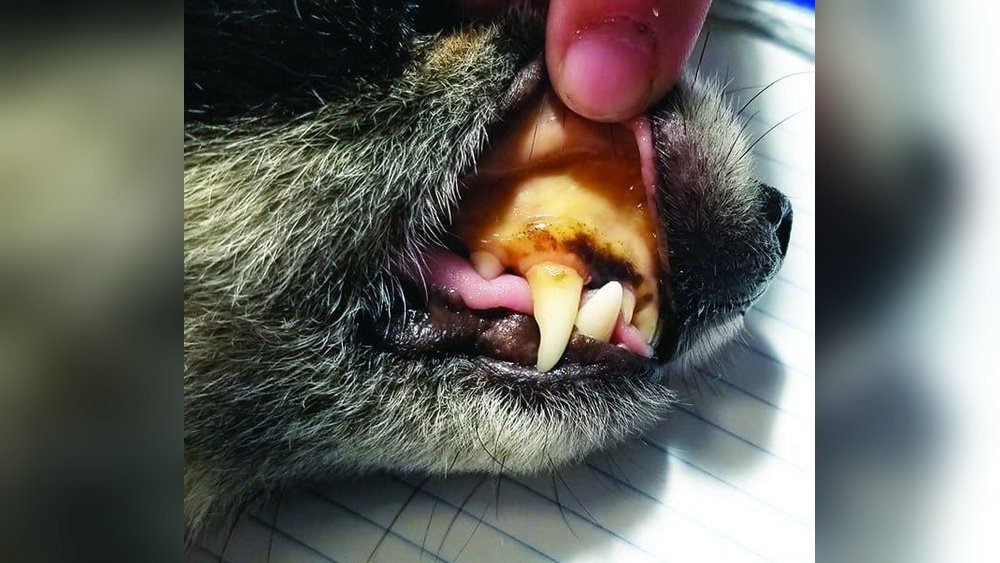
One of the clearest signs is jaundice—a yellow color in the:
- Whites of the eyes
- Gums and inside the ears
- Skin (especially belly and inner thighs)
Jaundice happens because the liver can’t remove bilirubin, a yellow pigment from old red blood cells.
2. Swollen Abdomen (ascites)
A swollen belly is a sign of fluid buildup, called ascites. The liver usually prevents fluid from leaking into the abdomen. When it fails, this fluid collects, making your dog look pot-bellied.
3. Neurological Signs (hepatic Encephalopathy)
When the liver can’t filter toxins, they affect the brain. Signs include:
- Disorientation or confusion
- Head pressing (pushing head against walls)
- Staring into space
- Walking in circles
- Seizures
Not all dogs show these signs, but they are a warning the disease is severe.
4. Bleeding And Bruising
Liver disease affects blood clotting. You might see:
- Nosebleeds
- Bleeding gums
- Blood in vomit or stool
- Bruises on the skin with no clear cause
These symptoms mean the liver isn’t making enough clotting proteins.
5. Weight Loss And Muscle Wasting
Dogs with chronic liver disease often lose weight and muscle. You may notice:
- Ribs, backbone, or hips become more visible
- Loss of muscle in the legs or face
This happens because the body can’t process or store nutrients properly.
6. Bad Breath (fetor Hepaticus)
A musty, sweet, or foul odor on the breath is another sign of liver disease. This is different from typical “dog breath” and happens when toxins build up.
Less Common But Important Signs
While the symptoms above are most common, some dogs show less typical signs. These can also help catch liver disease early.
- Itchy skin (from bile acids building up)
- Dark urine (tea or cola colored)
- Pale or gray stools
- Increased drooling
- Fever (if infection is present)
- Lameness or joint pain (rare, but possible)
Comparing Liver Disease Signs With Other Conditions
Many liver disease symptoms are similar to other health issues. It’s important to compare them so you know what to discuss with your vet.
| Symptom | Liver Disease | Kidney Disease | Diabetes | Pancreatitis |
|---|---|---|---|---|
| Loss of Appetite | Common | Common | Sometimes | Common |
| Vomiting | Common | Common | Sometimes | Common |
| Increased Thirst | Common | Very Common | Very Common | Rare |
| Jaundice | Distinctive | Rare | Rare | Rare |
| Swollen Abdomen | Possible | Rare | Rare | Possible |
Notice how jaundice is much more specific to liver disease, while other signs are shared among several illnesses. Always consult your vet for a proper diagnosis.
How Vets Diagnose Liver Disease
If you notice any of the above signs, your veterinarian will use several methods to confirm liver disease:
- Physical exam: Checking for jaundice, swelling, pain, or muscle loss
- Blood tests: Measuring liver enzymes (ALT, AST, ALP), bilirubin, and proteins
- Urine tests: Checking for bilirubin, protein, or abnormal color
- Imaging: Ultrasound or X-rays to look at liver size and shape
- Biopsy: Taking a small piece of liver tissue for lab analysis (in some cases)
Here’s how some common test results compare in healthy dogs versus those with liver disease:
| Test | Normal Range | In Liver Disease |
|---|---|---|
| ALT (U/L) | 10–100 | Often 2–10x normal |
| ALP (U/L) | 20–150 | Often 3–20x normal |
| Bilirubin (mg/dL) | 0.1–0.5 | Elevated |
| Albumin (g/dL) | 2.6–4.0 | Decreased in chronic disease |
These numbers guide your vet in identifying the stage and type of liver problem.
Progression Of Liver Disease: What To Expect
Liver disease can be acute (sudden onset) or chronic (develops slowly). Here’s what often happens:
- Acute liver disease: Symptoms appear quickly, such as after poisoning or infection. Early treatment is critical.
- Chronic liver disease: Damage builds over months or years. Symptoms are mild at first and worsen over time.
In both cases, early action offers the best chance for recovery or control.
Non-obvious Insights: What Many Dog Owners Miss
Most people know about yellow eyes and vomiting, but here are two important signs often missed:
- Personality Changes Can Be the First Sign: Before appetite loss or vomiting, some dogs become clingy, withdrawn, or seem “not themselves.” These changes are often dismissed as aging or stress. If your dog’s mood or habits shift, especially with any physical symptom, consider a vet visit.
- Stool Color Is a Major Clue: Healthy dog stool is brown. Pale, gray, or clay-colored stool can mean the liver isn’t releasing enough bile. This change can happen before jaundice or other serious signs.
What To Do If You Suspect Liver Disease
If you notice any combination of the signs described, especially if they last more than a day or two, contact your veterinarian right away. You can help your vet by:
- Noting all symptoms, including subtle changes
- Tracking when symptoms started and how they’ve changed
- Mentioning any recent changes in food, medications, or environment
- Bringing a sample of your dog’s stool or urine (if possible)
Early intervention is the best way to prevent further liver damage.

Credit: www.volharddognutrition.com
Treatment Options For Liver Disease In Dogs
Treatment depends on the cause, stage, and severity of the disease. Options may include:
- Medications: To reduce inflammation, support the liver, or control symptoms
- Diet changes: Special diets low in copper, high in antioxidants, and easily digestible proteins
- Fluids: To prevent dehydration
- Supplements: Such as SAMe, silymarin (milk thistle), or vitamin E (only under vet supervision)
- Surgery: Rare, but sometimes needed to remove tumors or correct defects
- Treating underlying causes: Such as antibiotics for infections or stopping toxic drugs
Here’s a quick comparison of common treatments and their goals:
| Treatment | Main Goal | Common Uses |
|---|---|---|
| Medications (e.g., steroids) | Reduce inflammation | Chronic hepatitis, autoimmune cases |
| Special diet | Reduce liver workload | All types of liver disease |
| Supplements (SAMe, silymarin) | Protect liver cells | Adjunct therapy |
| Fluids | Prevent dehydration | Acute episodes |
| Surgery | Remove problem source | Tumors, shunts |
Follow your vet’s instructions carefully. Never give over-the-counter drugs or supplements without guidance, as some can worsen liver damage.
Preventing Liver Disease In Dogs
While not all liver disease is preventable, you can lower your dog’s risk with these steps:
- Vaccinate: Protect against infectious diseases like leptospirosis.
- Avoid toxins: Keep dangerous plants, chemicals, and human medications out of reach.
- Feed a balanced diet: Avoid fatty foods and table scraps.
- Maintain a healthy weight: Obesity increases risk.
- Regular check-ups: Annual bloodwork can catch problems early, especially in older dogs.
- Be breed-aware: If your dog’s breed is prone to liver problems, discuss screening with your vet.
How Fast Does Liver Disease Progress In Dogs?
The speed of liver disease depends on the cause. Acute cases (like poisoning) can worsen in hours or days. Chronic cases may take months or years to show major signs. Early symptoms may come and go, but the disease often worsens over time if not treated.
A study in the *Journal of Veterinary Internal Medicine* found that dogs with chronic hepatitis lived an average of 18–36 months after diagnosis with proper care. However, some forms can progress much faster.
When To Seek Emergency Help
Some signs mean you should seek emergency veterinary care right away:
- Seizures or collapse
- Severe confusion or unresponsiveness
- Large amounts of blood in vomit or stool
- Sudden, severe swelling of the abdomen
- Rapidly yellowing eyes or gums
Don’t wait—these symptoms can be life-threatening.
Living With A Dog With Liver Disease
Many dogs with liver disease live happy lives with the right care. After diagnosis, your vet will create a treatment plan. At home, you can help by:
- Giving medications and food as directed
- Monitoring for new or worsening symptoms
- Keeping a calm, low-stress environment
- Scheduling regular check-ups and blood tests
Some owners find it helpful to keep a daily log of appetite, energy, bathroom habits, and any symptoms. This can help your vet adjust treatment as needed.
Misconceptions About Liver Disease In Dogs
“it Only Happens To Old Dogs.”
While older dogs are at higher risk, liver disease can affect dogs of any age—including puppies with congenital defects or dogs exposed to toxins.
“if My Dog Eats Well, He’s Fine.”
Some dogs maintain their appetite until liver disease is advanced. Watch for other signs such as behavior changes, thirst, or stool color.
“yellow Eyes Always Mean Liver Disease.”
Jaundice can also be caused by blood disorders or severe infections. Only a vet can determine the true cause.

Credit: www.petmd.com
The Importance Of Early Detection
Early detection of liver disease offers the best chance for effective treatment and a longer, better quality of life. If you notice any combination of the signs described in this article, do not wait for them to get worse. Regular vet check-ups, especially for senior dogs, can catch problems before symptoms appear.
For more detailed information on canine liver disease and research updates, visit the Merck Veterinary Manual.
Frequently Asked Questions
What Is The Most Common Cause Of Liver Disease In Dogs?
The most common causes are chronic inflammation (hepatitis), toxins (certain medications, plants, or chemicals), and cancer. Infections and congenital defects can also play a role, especially in younger dogs.
Can Liver Disease In Dogs Be Cured?
Some types, such as mild infections or toxin exposure, can be cured if treated early. Chronic liver disease is usually managed rather than cured, but many dogs live comfortably with good care.
Are Some Breeds More Likely To Get Liver Disease?
Yes, breeds like the Bedlington Terrier, Doberman Pinscher, and Labrador Retriever have genetic risks for certain liver diseases. However, any breed can be affected.
Is Liver Disease In Dogs Contagious?
No, liver disease itself is not contagious. However, some infectious causes (like leptospirosis or certain parasites) can be spread between animals or from animals to humans.
How Often Should I Screen My Dog For Liver Disease?
Most vets recommend annual blood tests for all adult dogs. For senior dogs or breeds at risk, testing every 6–12 months may be best. Early testing can catch problems before symptoms start.
Liver disease is a complex but manageable condition when caught early. By learning the signs and acting quickly, you can protect your dog’s health and happiness for years to come. If you’re ever in doubt, your veterinarian is the best source for advice and support.

Credit: vetic.in
We’re the dedicated team behind MyPawSafe.com, with over a decade of combined experience in veterinary care, pet emergency response, and animal behavior. While we prefer to let our work speak for itself, our mission is clear: to provide science-backed, vet-approved advice that helps pet owners prevent accidents and save lives.