
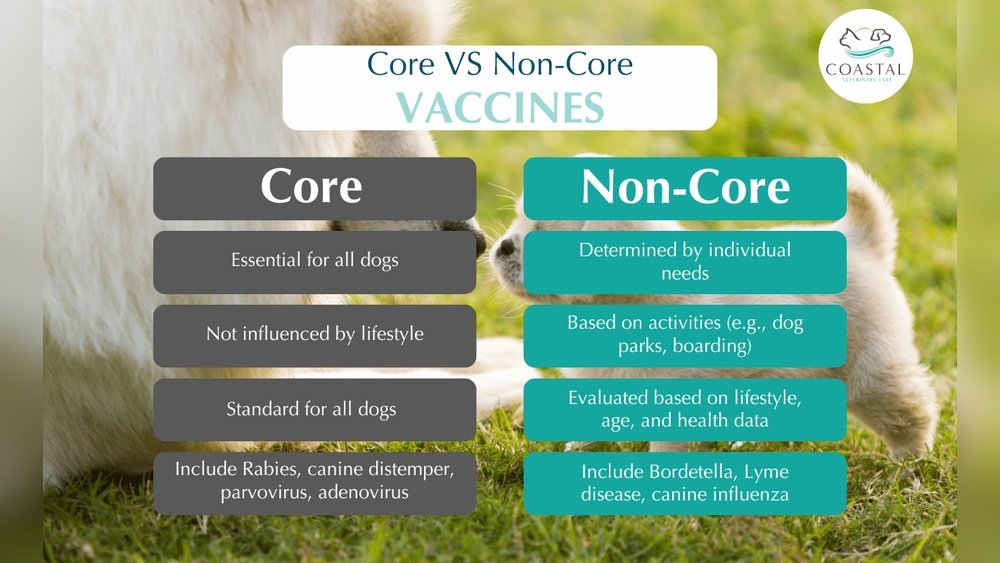
Vaccines are a fundamental part of keeping dogs healthy and safe from serious diseases. If you are a dog owner, you might have heard your vet talk about “core” and “non-core” vaccines. But what do these terms actually mean? Why are some vaccines considered essential, while others depend on your dog’s lifestyle or where you live?
Understanding this difference is key to making smart decisions for your dog’s health.
Vaccination schedules can be confusing, especially with so much information online. Not every vaccine is necessary for every dog, and over-vaccination can lead to problems. On the other hand, skipping important vaccines can put your dog—and sometimes your family—at risk.
This article explains in simple language what core and non-core vaccines are, which diseases they prevent, and how to choose the right plan for your dog. By the end, you’ll feel confident about what your dog really needs, why, and when.
What Are Core Vaccines For Dogs?
Core vaccines are those considered essential for every dog, no matter their age, breed, or lifestyle. These vaccines protect against diseases that are either very common, highly contagious, or extremely dangerous—sometimes all three. Some of these diseases can also affect humans, so vaccinating your dog protects your family too.
Veterinary organizations like the American Animal Hospital Association (AAHA) and the World Small Animal Veterinary Association (WSAVA) agree on which vaccines are core. These recommendations are based on decades of research, disease statistics, and global health risks.
Main Core Vaccines For Dogs
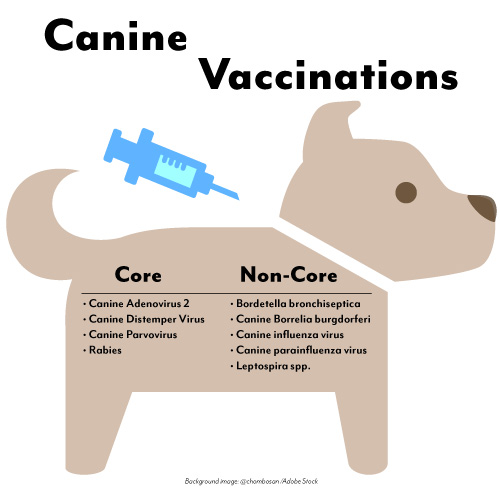
The most important core vaccines for dogs in the US include:
- Rabies
- Canine Distemper
- Canine Parvovirus
- Canine Adenovirus (Hepatitis)
Let’s look at each one in detail.
Rabies
Rabies is a deadly virus that attacks the brain and nervous system. It can infect all mammals, including humans. There is no cure, and it is almost always fatal once symptoms appear. Because rabies can be spread to people through bites, vaccination is required by law in most US states.
- How it spreads: Saliva from bites of infected animals (dogs, bats, raccoons, skunks, foxes)
- Symptoms: Behavior changes, aggression, paralysis, seizures, death
- Vaccine schedule: First shot at 12-16 weeks, then a booster after 1 year, then every 1 or 3 years depending on the vaccine
Canine Distemper
Distemper is a highly contagious viral disease that affects a dog’s respiratory, digestive, and nervous systems. It spreads quickly, especially among puppies and unvaccinated dogs. Distemper can be fatal or cause lifelong problems if the dog survives.
- How it spreads: Airborne droplets, direct contact with infected dogs or wild animals (raccoons, skunks)
- Symptoms: Fever, coughing, runny nose, vomiting, diarrhea, seizures, paralysis
- Vaccine schedule: Part of the “DHPP” or “DA2PP” shot, usually given at 6–8 weeks, then every 3–4 weeks until 16 weeks, then a booster at 1 year, then every 3 years
Canine Parvovirus
Parvovirus, or “parvo,” is one of the most feared diseases in puppies. It attacks the intestines and immune system, causing severe vomiting and diarrhea. Parvo can kill puppies within days if untreated. The virus is very strong and can survive in the environment for months.
- How it spreads: Direct contact with infected feces, contaminated surfaces, or people’s shoes and hands
- Symptoms: Lethargy, loss of appetite, vomiting, bloody diarrhea, dehydration, death
- Vaccine schedule: Included in “DHPP” shots at 6–8 weeks, then every 3–4 weeks until 16 weeks, booster at 1 year, then every 3 years
Canine Adenovirus (hepatitis)
This vaccine protects against canine adenovirus type 1, which causes infectious canine hepatitis—a disease affecting the liver, kidneys, and eyes. It also covers adenovirus type 2, which causes respiratory disease.
- How it spreads: Urine, saliva, or feces from infected dogs
- Symptoms: Fever, abdominal pain, jaundice, eye problems, bleeding, death
- Vaccine schedule: Given as part of the “DHPP” shot on the same schedule as distemper and parvovirus
Why Are These Vaccines “core”?
These diseases are called “core” because:
- They are widespread or have the potential to spread rapidly.
- They are very severe or deadly.
- They can infect many types of animals, not just dogs.
- Some, like rabies, pose a risk to humans.
Skipping core vaccines puts both your dog and the community at risk. Even if your dog stays indoors, these viruses can be brought in on shoes, clothes, or through windows.
Core Vaccine Combinations
Many vets use combination vaccines to protect against several core diseases in one shot. The most common is the DHPP vaccine:
- D – Distemper
- H – Hepatitis (Adenovirus-1, also covers Adenovirus-2)
- P – Parvovirus
- P – Parainfluenza (sometimes included; see non-core below)
This makes vaccination easier, reduces stress for your dog, and ensures full protection.
Non-core Vaccines For Dogs
Non-core vaccines are optional or “lifestyle” vaccines. They protect against diseases that are not a threat to every dog, but may be important for some dogs based on their risk factors. These factors include where you live, your dog’s activities, travel plans, and contact with other animals.
A vaccine is considered non-core if:
- The disease is rare in your area
- The disease causes only mild symptoms in most dogs
- The risk of infection depends on certain exposures
Vets recommend non-core vaccines after discussing your dog’s lifestyle, breed, health, and local disease risks.
Main Non-core Vaccines For Dogs
Common non-core vaccines include:
- Bordetella bronchiseptica
- Leptospirosis
- Lyme disease (Borrelia burgdorferi)
- Canine Influenza (Dog Flu)
- Parainfluenza (sometimes included in core combos, but often non-core)
- Coronavirus
Let’s explore each one.
Bordetella Bronchiseptica
Often called “kennel cough,” Bordetella is a bacteria that causes severe coughing, especially in places with many dogs (boarding, grooming, dog parks). The vaccine is strongly recommended for dogs that go to daycare, boarding, or group classes.
- How it spreads: Airborne droplets, direct contact, contaminated surfaces
- Symptoms: Hacking cough, runny nose, sneezing, mild fever
- Vaccine schedule: Given as a nasal spray, oral, or injection; booster every 6–12 months for at-risk dogs
Leptospirosis
Leptospirosis is a bacterial disease spread through water, soil, or food contaminated with urine from infected animals (rodents, wildlife). It can cause severe kidney or liver failure and can infect humans.
- How it spreads: Contact with contaminated water, mud, or animal urine
- Symptoms: Fever, muscle pain, vomiting, jaundice, kidney/liver failure
- Vaccine schedule: First shot at 12 weeks, booster 3–4 weeks later, then yearly
Leptospirosis risk is higher in rural, farm, or flood-prone areas, but cases have been rising even in cities.
Lyme Disease
Caused by the bacterium Borrelia burgdorferi, Lyme disease is spread by ticks, especially in the Northeast, Midwest, and Pacific US. It can cause joint pain, fever, and kidney problems.
- How it spreads: Bites from infected black-legged ticks (deer ticks)
- Symptoms: Lameness, fever, swollen joints, loss of appetite
- Vaccine schedule: Two initial shots 2–4 weeks apart, then yearly booster for at-risk dogs
The vaccine is mainly recommended if you live or travel in tick-heavy areas.
Canine Influenza
Dog flu is a contagious respiratory disease caused by two main strains (H3N8 and H3N2). Outbreaks happen in places with many dogs, such as shelters or large cities.
- How it spreads: Airborne droplets, direct contact, contaminated objects
- Symptoms: Cough, fever, runny nose, lethargy, pneumonia (rare)
- Vaccine schedule: Two initial doses 2–4 weeks apart, then yearly for at-risk dogs
Parainfluenza
Parainfluenza is a virus that contributes to kennel cough. It is often included in the DHPP core combo, but in some places, it is considered non-core and may be given separately.
- How it spreads: Airborne, close contact with other dogs
- Symptoms: Cough, runny nose, mild fever
- Vaccine schedule: Often included in combo shots; otherwise, schedule depends on risk
Coronavirus
Canine coronavirus causes mild diarrhea, mainly in puppies. It’s not related to COVID-19. The vaccine is rarely recommended, as the disease is usually not serious and the vaccine is only partially effective.
How Vets Decide On Non-core Vaccines
Non-core vaccines are not “one size fits all.” Vets look at:
- Your dog’s risk of exposure (travel, lifestyle, location)
- Local disease outbreaks
- Breed sensitivity (some breeds have higher risk of side effects)
- Health status (puppies, seniors, or immune-compromised dogs may need special consideration)
Some non-core vaccines can cause more side effects, so the benefits must clearly outweigh the risks.
Core Vs Non-core: Key Differences Explained
It’s common to feel unsure about which vaccines to choose. Here’s a clear comparison to help you understand how core and non-core vaccines differ in their purpose, use, and importance.
| Feature | Core Vaccines | Non-Core Vaccines |
|---|---|---|
| Who needs them? | All dogs, regardless of location or lifestyle | Only dogs at risk, based on lifestyle or location |
| Diseases covered | Severe, widespread, or zoonotic diseases | Less common or less severe diseases |
| Risk to humans | Often present (e.g., rabies) | Rarely present |
| Required by law | Sometimes (rabies) | No |
| Vaccination schedule | Set schedule (puppy, 1 year, then every 1–3 years) | Depends on risk; often yearly |
Choosing The Right Vaccines For Your Dog
Every dog is unique, and so is their risk profile. While core vaccines are non-negotiable, non-core vaccines should be tailored to your dog’s situation. Here are steps to help you make informed choices:
1. Assess Your Dog’s Lifestyle
- Does your dog go to daycare, boarding, or grooming?
- Do you visit dog parks or group training classes?
- Does your dog swim in lakes, rivers, or streams?
- Do you live in an area known for ticks or wildlife?
- Do you travel with your dog to different regions or countries?
Dogs who stay mostly indoors and have little contact with other animals have different needs than active, social, or traveling dogs.
2. Understand Local Risks
Some diseases are more common in certain regions. For example, Lyme disease is a big risk in the Northeast US, but rare in the Southwest. Leptospirosis is more common in rainy, flood-prone areas or places with lots of wildlife.
Ask your vet about disease risks in your area. Local animal shelters and health departments can also provide up-to-date information.
3. Consider Your Dog’s Health And Age
- Puppies are more vulnerable to disease and need a full vaccine series.
- Senior dogs or those with chronic illnesses may need a modified schedule.
- Some breeds are more sensitive to certain vaccines (for example, dachshunds and small breeds can react more to leptospirosis shots).
4. Weigh The Benefits And Risks
While vaccines are generally safe, mild side effects like soreness, tiredness, or low fever are common. Serious reactions are rare, but possible. Your vet will help you decide if the benefits of a non-core vaccine outweigh the risks.
5. Stay On Schedule
Missing boosters can leave your dog unprotected. Keep accurate records and set reminders for upcoming shots.
Example: Different Dogs, Different Needs
- Bella, a city apartment dog who never leaves her building, needs only core vaccines.
- Rocky, a Labrador who swims in lakes and hikes with his owner, may need leptospirosis and Lyme disease vaccines.
- Milo, who goes to dog daycare every week, should get the Bordetella and canine influenza vaccines.
Credit: www.animalbehaviorcollege.com
Puppy Vaccine Schedule: Core And Non-core
Puppies are at high risk for many diseases, so starting vaccines early and keeping on schedule is vital. Here’s a sample vaccination plan for a healthy puppy in the US:
| Puppy Age | Core Vaccines | Non-Core Vaccines (if needed) |
|---|---|---|
| 6–8 weeks | DHPP (Distemper, Hepatitis, Parvo, Parainfluenza) | Bordetella (nasal/oral for high-risk puppies) |
| 10–12 weeks | DHPP (booster) | Leptospirosis, Lyme, Influenza (if at risk) |
| 14–16 weeks | DHPP (final puppy booster), Rabies | Leptospirosis, Lyme, Influenza (as needed) |
| 12–16 months | DHPP, Rabies (1 year booster) | Repeat non-core vaccines for at-risk dogs |
Important: Your vet may adjust this schedule based on your dog’s needs and local rules.
Adult Dog Vaccination: Keeping Up To Date
After the puppy series, adult dogs need boosters to maintain protection. The timing depends on the vaccine:
- Rabies: Every 1–3 years (by law)
- DHPP: Every 3 years
- Non-core vaccines: Usually every year, but can vary
Older dogs with full vaccine histories may not need every shot every year. Some vets now recommend titer testing (a blood test measuring immunity) for certain core diseases, especially in older or sensitive dogs.
Are There Risks To Vaccination?
Vaccines are generally very safe, but no medical procedure is risk-free. Most dogs have no problems, but mild side effects can include:
- Soreness at the injection site
- Tiredness or loss of appetite for a day or two
- Mild fever
Rare but serious reactions can include:
- Allergic reactions (swelling, hives, vomiting, collapse)
- Autoimmune issues (very rare)
- Lumps at the injection site
Non-obvious insight: Some small dog breeds are more prone to vaccine reactions, especially when given multiple shots at once. Your vet may suggest spacing out vaccines for these dogs.
Non-obvious insight: Over-vaccination is possible, especially if you lose track of records or see different vets. Always keep your dog’s vaccine history up to date and share it when you change vets.
When To Skip Or Delay Vaccines
There are a few situations where vaccines may be delayed or skipped:
- Very sick dogs: Wait until your dog recovers from illness or surgery.
- Pregnant or nursing dogs: Some vaccines are not safe during pregnancy.
- Severe allergic reaction in the past: Your vet may recommend avoiding that specific vaccine.
- Elderly dogs with health problems: Titer testing may show ongoing protection, letting you skip unnecessary boosters.
Never skip core vaccines without a clear medical reason and your vet’s advice.

Credit: healthyhabitsforpets.com
Vaccine Myths And Misunderstandings
Dog vaccination is sometimes misunderstood, leading to confusion and worry. Let’s clear up some common myths:
- Myth: “Indoor dogs don’t need vaccines.”
Fact: Many viruses, including parvo and distemper, can travel on shoes or clothing. Rabies is required by law.
- Myth: “Vaccines are dangerous for small breeds.”
Fact: Small breeds can react more, but vaccines are still much safer than the diseases they prevent. Schedule adjustments can minimize risk.
- Myth: “Once vaccinated, dogs are protected for life.”
Fact: Immunity fades over time. Boosters or titer tests are needed to ensure ongoing protection.
- Myth: “Natural infection is better than vaccination.”
Fact: Many diseases, like parvo and distemper, are often deadly or cause lifelong problems. Vaccines are much safer.
- Myth: “I can skip non-core vaccines because they’re not important.”
Fact: For some dogs, non-core vaccines are essential. Discuss your dog’s real risk with your vet.
Global Differences In Vaccine Recommendations
Vaccine guidelines can differ by country or region. For example, rabies is not present in some countries (like the UK, Australia, New Zealand), so the vaccine may not be required. Leptospirosis is a bigger problem in tropical climates, while Lyme disease is mostly found in parts of North America and Europe.
Before traveling with your dog or moving to a new country, check local vaccine rules. Some countries require proof of certain vaccines for entry.
For more details, the World Small Animal Veterinary Association offers global vaccine guidelines (WSAVA Vaccination Guidelines).
Cost Of Core And Non-core Vaccines
Vaccine costs can vary widely by location, clinic, and the type of vaccine. Here’s a rough estimate for the US:
- Core vaccine combos (DHPP): $20–$60 per shot
- Rabies: $15–$35 per shot
- Non-core vaccines (each): $20–$50 per shot
Puppies need several visits, so the first year can cost $100–$300 for full protection. After that, annual or triennial boosters are less expensive.
Some clinics offer vaccine “packages” or low-cost vaccine days. Never skip vaccines for cost reasons—many shelters or clinics can help.
Tips For A Stress-free Vaccination Experience
Vaccines are routine, but some dogs (and owners) get nervous. Here are practical tips to make the process smoother:
- Bring treats and rewards to help your dog associate the vet with good things.
- Schedule appointments at quiet times to avoid crowded waiting rooms.
- Hold your dog gently or ask staff for help if your dog is wiggly.
- Stay calm and relaxed—your dog senses your mood.
- Ask your vet to explain each vaccine and why it’s needed.
- Watch for side effects at home and call your vet if you notice anything unusual.
:strip_icc()/vaccines-for-dogs-3384664_color-2549d699cbaa453cbc7f2586c40159cb.jpg)
Credit: www.thesprucepets.com
Frequently Asked Questions
What Happens If My Dog Misses A Vaccine Booster?
If your dog is late for a booster, immunity may fade, increasing the risk of disease. For some vaccines, your dog may need to restart the series, especially if a long time has passed. Always check with your vet if you miss a scheduled shot.
Can A Dog Get Sick From Vaccines?
Most dogs have only mild side effects like soreness or tiredness. Serious reactions are rare, but possible. If you notice swelling, vomiting, or trouble breathing after a shot, contact your vet immediately.
Is Titer Testing A Replacement For Vaccines?
Titer testing measures your dog’s immunity to certain core diseases, like distemper and parvovirus. It can help decide if boosters are needed, especially for adult or senior dogs. However, titer tests are not available for all diseases, and some places still require rabies vaccines by law.
Do Older Dogs Still Need Core Vaccines?
Yes, but the schedule may change. After the initial series and a few boosters, some older dogs can have titers checked instead of automatic shots. Your vet will guide you based on your dog’s health, age, and risk.
Are There Natural Alternatives To Vaccines?
No natural remedy or supplement can replace vaccines for serious diseases like rabies or parvo. Only vaccines provide proven, reliable protection. Always discuss any alternative therapies with your vet before use.
Vaccines are one of the simplest and most powerful ways to protect your dog’s health. Understanding the difference between core and non-core vaccines helps you make the best choices for your pet’s unique needs. Core vaccines are essential for every dog, while non-core vaccines depend on your dog’s lifestyle, activities, and local risks.
Work with your veterinarian to build a vaccination plan that fits your dog, keeps them safe, and avoids unnecessary shots. By staying informed and keeping records up to date, you give your dog the best chance for a long, healthy, and happy life.
If you ever have doubts or questions, never hesitate to ask your vet—that’s what they’re there for. Your dog depends on you, and together, you can keep them protected from preventable diseases.

We’re the dedicated team behind MyPawSafe.com, with over a decade of combined experience in veterinary care, pet emergency response, and animal behavior. While we prefer to let our work speak for itself, our mission is clear: to provide science-backed, vet-approved advice that helps pet owners prevent accidents and save lives.