
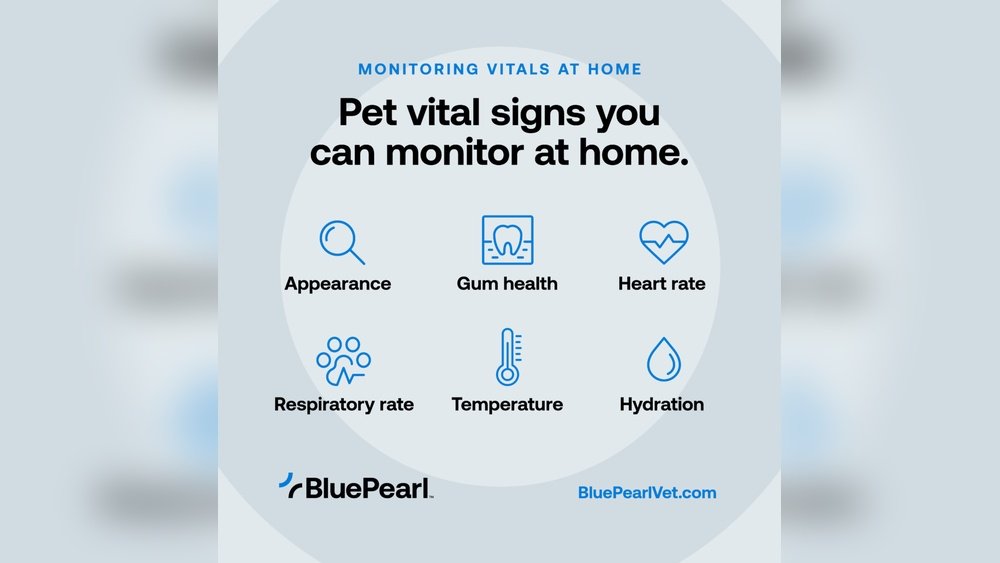
Every dog owner wants to keep their beloved pet safe and healthy. But what happens if your dog suddenly seems unwell at home? Sometimes, a quick check of your dog’s vital signs can help you decide if the situation is urgent or if you can monitor at home. Many people think only vets can do this, but with a little practice, you can learn to check your dog’s vital signs at home.
Understanding how to monitor your dog’s health can help you catch problems early, reduce anxiety during emergencies, and even give your vet crucial information if you need to call or visit. By learning these steps, you’ll become a more confident and prepared dog owner.
Let’s explore how to check a dog’s vital signs at home, what they mean, and when to seek help.
What Are A Dog’s Vital Signs And Why Check Them?
Vital signs are basic body measurements that show how well your dog’s body is working. The main vital signs for dogs are:
- Temperature
- Heart rate (pulse)
- Respiratory rate (breathing)
- Mucous membrane color and capillary refill time (CRT)
- Hydration status
Checking these signs gives a quick picture of your dog’s health. They can reveal shock, pain, heatstroke, poisoning, heart problems, or infection. Even if your dog seems normal, knowing their baseline numbers helps you spot changes.
For example, if your dog’s gums suddenly turn pale or their breathing speeds up a lot, you’ll know something is wrong, even before other symptoms appear. Acting early can make a big difference in emergencies.
Tools You Need To Check Your Dog’s Vital Signs
Before you start, gather some basic tools. You don’t need expensive equipment—just a few simple items found in most homes or bought online.
- Digital thermometer (rectal or ear type made for pets)
- Watch or smartphone with a seconds timer
- Penlight or small flashlight
- Clean tissue or paper towel
- Notebook or phone app to record readings
Some people like to keep a small pet first aid kit with these items. Practicing when your dog is healthy helps both of you feel relaxed when it matters most.
Pro tip: Write down your dog’s normal numbers and keep them in your phone or on your fridge for quick access.
How To Check Your Dog’s Temperature
A dog’s body temperature tells you if they have a fever, are too cold, or just right. Normal body temperature for dogs is 101°F to 102.5°F (38.3°C to 39.2°C). Dogs run hotter than humans!
Measuring Rectal Temperature
This is the most accurate method. Here’s how:
- Use a digital thermometer labeled for pets.
- Lubricate the tip with pet-safe lubricant or plain petroleum jelly.
- Gently lift your dog’s tail and insert the thermometer about 1 inch into the rectum.
- Hold the thermometer steady (do not force) until it beeps.
- Remove, wipe clean, and read the number.
Most dogs tolerate this if you go slowly and offer treats.
Measuring Ear Temperature
Some pet thermometers work in the ear. These are less stressful but can be less accurate if not used properly. Always follow the instructions for your model.
What Temperature Means
- Below 99°F (37.2°C): Possible hypothermia (too cold), shock, or severe illness.
- Over 103°F (39.4°C): Possible fever, heatstroke, infection, or pain.
- Above 104°F (40°C): Emergency—seek vet care fast.
Insight: Many owners worry if their dog feels warm to the touch, but dogs’ noses and ears can be cool or warm for many reasons. Always use a thermometer for real results.
How To Check Your Dog’s Heart Rate (pulse)
The heart rate shows how fast your dog’s heart is beating. Normal rates vary by size and breed, but here’s a general guide:
- Small dogs and puppies: 90–160 beats per minute (bpm)
- Medium/large dogs: 60–120 bpm
- Giant breeds: 60–90 bpm
Finding The Pulse
The easiest spot is the femoral artery inside the hind leg:
- Lay your dog on their side or stand them calmly.
- Place two fingers (never your thumb) on the inside of the thigh, near where the leg joins the body.
- Press gently until you feel a pulsing.
- Count the number of beats in 15 seconds, then multiply by 4 to get beats per minute.
You can also listen with a stethoscope on the left side of the chest just behind the elbow.
What The Heart Rate Tells You
- Too fast (tachycardia): Stress, pain, fever, shock, anemia, heart disease.
- Too slow (bradycardia): Heart problems, severe illness, certain poisons, or being very cold.
- Irregular beats: Arrhythmia (abnormal rhythm)—needs a vet check.
Insight: Excitement or fear can raise your dog’s heart rate. Wait until your dog is calm to check for the most accurate reading.
How To Check Your Dog’s Respiratory Rate
The respiratory rate is how many breaths your dog takes per minute. Normal is 10–35 breaths per minute at rest. Puppies and small breeds breathe faster.
Measuring Breathing
- Watch your dog’s chest or belly rise and fall.
- Count each rise (inhalation) as one breath.
- Time for 30 seconds, then double the number.
Tip: Check breathing when your dog is relaxed and not panting from play.
What To Watch For
- Very fast breathing (over 40/min at rest): May signal pain, fever, heart/lung disease, heatstroke, or shock.
- Very slow breathing: Can mean sedation, illness, or brain problems.
- Labored breathing: If your dog is struggling, wheezing, or making noise, seek help fast.
Insight: Dogs pant to cool off, which can confuse owners. Panting is normal after exercise or in hot weather, but fast, labored breathing at rest is a warning sign.
Checking Mucous Membrane Color And Capillary Refill Time (crt)
Checking the gums tells you a lot about your dog’s blood flow, oxygen, and health. Healthy gums are usually pink and moist.
How To Check
- Gently lift your dog’s upper lip to see the gums (above the teeth).
- Notice the color: Pink, pale, blue, yellow, or brick red.
- Press your fingertip to the gum until it turns white, then release.
- Count how many seconds it takes to turn pink again.
Normal CRT is 1–2 seconds.
What Colors Mean
- Pale/white: Blood loss, shock, anemia.
- Blue/purple: Lack of oxygen—emergency.
- Yellow: Liver problems (jaundice).
- Bright red: Heatstroke, sepsis, poisoning.
- Dry/sticky: Dehydration.
Insight: Some dogs have naturally pigmented (dark) gums. In this case, check inside the lower eyelid or use the tongue, but always compare to your dog’s normal.

Credit: www.vetstreet.com
How To Assess Hydration Status
Dehydration is common in sick dogs. Quick checks help you act early.
Skin Turgor Test
- Gently pinch up a fold of skin over your dog’s shoulder blades or neck.
- Let go and watch how quickly it snaps back.
- Normal: Skin returns instantly.
- Mild dehydration: Skin returns in 2–3 seconds.
- Severe dehydration: Skin stays tented or returns very slowly.
Other Signs
- Dry or sticky gums
- Sunken eyes
- Lethargy
- Loss of appetite
Insight: Older dogs, puppies, and thin dogs may have less elastic skin, making this test less reliable. Always check the gums as well.
Summary Table: Normal Vital Signs For Dogs
Here’s a quick reference to normal values for healthy adult dogs:
| Vital Sign | Normal Range | What to Watch For |
|---|---|---|
| Temperature | 101–102.5°F (38.3–39.2°C) | <99°F or >103°F is abnormal |
| Heart Rate | 60–120 bpm (adult), 90–160 bpm (puppy) | Too fast, too slow, or irregular |
| Respiratory Rate | 10–35 breaths/min (at rest) | >40/min or labored breathing |
| Mucous Membranes | Pink, moist | Pale, blue, yellow, red, or dry |
| Capillary Refill Time | 1–2 seconds | >2 seconds is abnormal |
How To Record And Track Your Dog’s Vital Signs
Keeping records helps you spot trends and gives your vet valuable information. Here’s how to do it:
- Use a notebook or a simple phone app.
- Record the date, time, and what you measured.
- Note any unusual behavior (vomiting, collapse, weakness, etc. ).
- Compare with your dog’s normal values.
Example log entry:
> 4/15, 7:30 am: Temp 102.1°F, HR 90 bpm, RR 20/min, gums pink/moist, CRT 1.5 sec, playful.
If your dog is sick or recovering from surgery, check vital signs twice daily or as your vet recommends.
When To Call The Vet Or Seek Emergency Care
While checking vital signs is useful, some changes mean you need to see a vet right away. Do not wait if your dog shows:
- Temperature below 99°F or above 104°F
- Very pale, blue, or yellow gums
- Capillary refill time over 2 seconds
- Heart rate over 160 (adult) or under 60 (unless a giant breed)
- Very fast, slow, or labored breathing
- Collapse, confusion, or seizures
- Severe dehydration signs
- Bleeding that won’t stop
If you’re not sure, call your vet. It’s better to be safe. Your quick action could save your dog’s life.
Insight: Even if your dog seems “okay,” abnormal vital signs can show a hidden problem—especially with poisons, heatstroke, or shock.
Common Mistakes When Checking Vital Signs
Even careful owners can make mistakes. Here’s what to watch out for:
- Using a human thermometer orally: Dogs can bite and break glass thermometers. Use pet-safe digital types rectally or in the ear.
- Measuring after play/excitement: Wait until your dog has rested for 10–15 minutes for accurate readings.
- Comparing to human values: Dogs run hotter and have different heart rates than people.
- Forgetting breed differences: Greyhounds have lower normal temperatures; puppies and small breeds have faster heart rates.
- Not practicing: Dogs can get nervous if you only check when they’re sick. Practice during calm times for best results.
Pro tip: If you’re ever unsure of your measurements, write them down and call your vet. They can help you interpret the numbers.
Practice Scenario: Checking A Dog With Sudden Illness
Let’s say your dog suddenly seems weak and is breathing fast. Here’s how to approach it:
- Stay calm and keep your dog still.
- Check gum color and CRT: Gums are pale and CRT is 3 seconds—this is a bad sign.
- Take temperature: 100°F—slightly low.
- Check heart rate: 150 bpm—high for a large dog at rest.
- Check respiratory rate: 38/min—high.
Based on these findings, your dog may be in shock. Call your vet or emergency clinic right away and give them the numbers.
Insight: You don’t need to diagnose the problem. Your job is to notice changes and share details with your vet quickly.
How Often Should You Check Your Dog’s Vital Signs?
For most healthy dogs, you only need to check vital signs once every few months to know their normal. It’s good to check after:
- Vaccinations or surgery
- Any illness or accident
- Sudden behavior changes
- Heatwaves or cold snaps
- Exposure to toxins
If your dog has a medical condition (like heart disease or diabetes), your vet may ask you to check certain signs daily.
How To Keep Your Dog Calm During Health Checks
Dogs can get anxious during exams. Here are some tips:
- Use gentle, slow movements
- Offer treats before and after each step
- Try checking vital signs after a walk or play session, when your dog is more relaxed
- Practice regularly when your dog is healthy
If your dog is very fearful, ask a friend to help or speak to your vet about gentle restraint techniques.

Credit: www.amazon.com
Comparing Vital Signs: Puppies Vs. Adult Dogs
Puppies have different normal ranges than adults. See how they compare:
| Vital Sign | Puppy | Adult Dog |
|---|---|---|
| Temperature | 101–102.5°F (38.3–39.2°C) | 101–102.5°F (38.3–39.2°C) |
| Heart Rate | 120–160 bpm | 60–120 bpm |
| Respiratory Rate | 15–40 breaths/min | 10–35 breaths/min |
Insight: Puppies’ hearts and lungs work faster because they are growing. Don’t worry if your puppy’s numbers are a bit higher than an adult’s.
Practical Tips For Checking Vital Signs On Difficult Dogs
Not all dogs are easy patients. Here are solutions for common challenges:
- Wiggly or large dogs: Try checking vital signs while your dog is lying down or resting their head in your lap.
- Long or thick fur: Part the fur to see the skin or gums. Use a small flashlight if needed.
- Dark gums: Check the inner eyelid or tongue for color.
- Brachycephalic breeds (bulldogs, pugs): They may breathe faster and snore. Look for sudden changes, not just the numbers.
Pro tip: If your dog tries to bite, stop and seek help. Never risk getting hurt.
What To Do After Finding Abnormal Vital Signs
If you find something unusual, here’s what to do:
- Double-check: Repeat the measurement to be sure.
- Record: Write down all your findings with the time.
- Watch for other symptoms: Vomiting, collapse, bleeding, or confusion are urgent.
- Call your vet: Share all the numbers and symptoms.
If your dog is stable, your vet may guide you by phone. If your dog is weak, breathing hard, or unconscious, go to the clinic immediately.
The Value Of Knowing Your Dog’s Baseline
Every dog is unique. Some healthy dogs have a slightly high or low heart rate or temperature. That’s why it’s smart to check your dog’s vital signs when they are healthy and not stressed. This becomes your “normal baseline.”
Example: If your vet knows your dog’s usual resting heart rate is 65 bpm, but today it’s 130 bpm with pale gums, they’ll take it very seriously.
Insight: Owners who know their dog’s baseline can spot illness hours before symptoms worsen. This can mean faster treatment and better outcomes.
Real-life Stories: How Checking Vital Signs Helped
Case 1: A Labrador suddenly collapsed during a summer walk. His owner checked his temperature—105.2°F! She rushed him to the ER, where he was treated for heatstroke. Her quick check saved his life.
Case 2: A small terrier acted tired and refused breakfast. The owner noticed pale gums and a slow CRT. A vet found internal bleeding from a ruptured spleen, and surgery saved the dog.
These stories show how a few simple checks can make a life-or-death difference.
Should You Buy Special Devices For Home Use?
Many gadgets promise to measure your dog’s vital signs, like smart collars or wearable monitors. These can be helpful, but they are not always accurate. The best method is still hands-on checking, especially for gum color and CRT.
If you want to buy a device, choose a pet-specific thermometer and ask your vet for recommendations.
Helpful Resources For Dog Owners
Learning how to check vital signs is just one part of home dog care. Other useful skills include:
- Learning basic pet first aid
- Knowing the nearest emergency vet
- Keeping poison control numbers handy
- Preparing a dog-friendly first aid kit
For more details on pet first aid, visit the American Red Cross Pet First Aid page.
Frequently Asked Questions
How Often Should I Check My Dog’s Vital Signs?
For healthy dogs, check vital signs every few months to know their normal values. If your dog is sick, recovering from surgery, or has a medical condition, check as often as your vet advises—often twice daily during illness.
Can I Use A Human Thermometer On My Dog?
Yes, you can use a digital human thermometer, but only rectally for accuracy. Never use a glass thermometer or try to take a dog’s temperature by mouth, as it’s dangerous and inaccurate.
What Is The Most Important Vital Sign To Check First?
If your dog is very ill, start with gum color and capillary refill time. These reveal shock, blood loss, and poor oxygenation quickly. However, all vital signs give valuable clues.
Are There Breed Differences In Normal Vital Signs?
Yes, some breeds (like greyhounds) have lower body temperatures, and small breeds/puppies have faster heart rates. Know your dog’s normal by checking when they are healthy.
What Should I Do If My Dog’s Vital Signs Are Abnormal But They Seem Fine?
If you find something unusual but your dog acts normal, repeat the measurement in 15–30 minutes and watch for symptoms. If the abnormal sign continues, or if you notice vomiting, collapse, or trouble breathing, call your vet.
Caring for your dog means being proactive, not just reactive. By learning to check your dog’s vital signs at home, you become their best advocate for health. These simple steps can help you catch problems early, guide your decisions, and give your vet the best information possible.
With practice and patience, you’ll feel confident and prepared—ready for whatever life brings to you and your loyal friend.

Credit: bluepearlvet.com
We’re the dedicated team behind MyPawSafe.com, with over a decade of combined experience in veterinary care, pet emergency response, and animal behavior. While we prefer to let our work speak for itself, our mission is clear: to provide science-backed, vet-approved advice that helps pet owners prevent accidents and save lives.