If you’ve ever seen your dog acting differently around their bathroom routine, you might wonder if something’s wrong. One common problem is a urinary tract infection (UTI). These infections can cause pain, discomfort, and even serious health issues if left untreated. But dogs can’t tell us what’s wrong—so, how do you know if your furry friend has a UTI? Understanding the signs, causes, and steps to take can make a huge difference for your pet’s health. This guide will walk you through all you need to know about signs of urinary tract infection in dogs, so you can spot trouble early and help your dog get relief.
What Is A Canine Urinary Tract Infection?
A urinary tract infection in dogs happens when bacteria invade part of the urinary system. The urinary tract includes the bladder, urethra, and sometimes the kidneys. UTIs are common in dogs, especially in females, older dogs, and certain breeds. When bacteria take hold, they cause inflammation and pain. If not treated, a simple bladder infection can spread to the kidneys, which is much more serious.
Most canine UTIs are caused by E. coli bacteria. However, other bacteria, fungi, or even parasites can be responsible. The infection often enters through the urethra (the tube urine exits through) and moves up to the bladder. Rarely, infections can start elsewhere and travel to the urinary tract through the bloodstream.
Why Are Dogs Prone To Utis?
Dogs explore the world with their noses and mouths, and they often come into contact with dirt, grass, and other dogs’ waste. This makes their urinary tracts vulnerable to bacteria. Female dogs have a shorter urethra than males, so bacteria have a shorter distance to travel to reach the bladder. Certain breeds, such as Shih Tzus and Miniature Schnauzers, are more likely to get UTIs because of their anatomy or genetics.
Health conditions can also raise the risk. Dogs with diabetes, bladder stones, or weakened immune systems are more likely to get infections. Spayed females and older dogs may have weaker bladder muscles, making it harder to empty the bladder fully—this allows bacteria to multiply.
Common Signs Of Urinary Tract Infections In Dogs
Spotting a UTI in your dog can be tricky. Some signs are obvious, but others are easy to miss or confuse with other problems. Here are the key symptoms to watch for:
1. Frequent Urination
One of the first things you may notice is your dog asking to go outside more often. Instead of waiting for their usual bathroom breaks, they may need to urinate every hour or even more. This happens because the bladder lining gets irritated and sends signals to empty—even if there’s not much urine.
2. Straining To Urinate
If your dog seems to be pushing hard to urinate, but only a small amount comes out, this can be a sign of a UTI. You might see your dog squat or lift their leg for a long time, but only produce a few drops. This straining can be painful and exhausting for your pet.
3. Blood In The Urine (hematuria)
Seeing pink or red urine is a clear warning sign. Blood means the bladder lining is inflamed or damaged. Sometimes, you’ll only notice a slight change in color. In other cases, the urine might look cloudy or have visible drops of blood.
4. Licking The Genital Area
Dogs with UTIs may lick their genitals much more than usual. They do this to soothe irritation or pain. If you notice your dog constantly licking or chewing at their private area, especially after urinating, a UTI could be the reason.
5. Accidents In The House
House-trained dogs who suddenly start having accidents indoors could have a urinary problem. They may not be able to hold their urine, or they might leak small amounts without realizing. This is especially common in older dogs or those with weak bladder control.
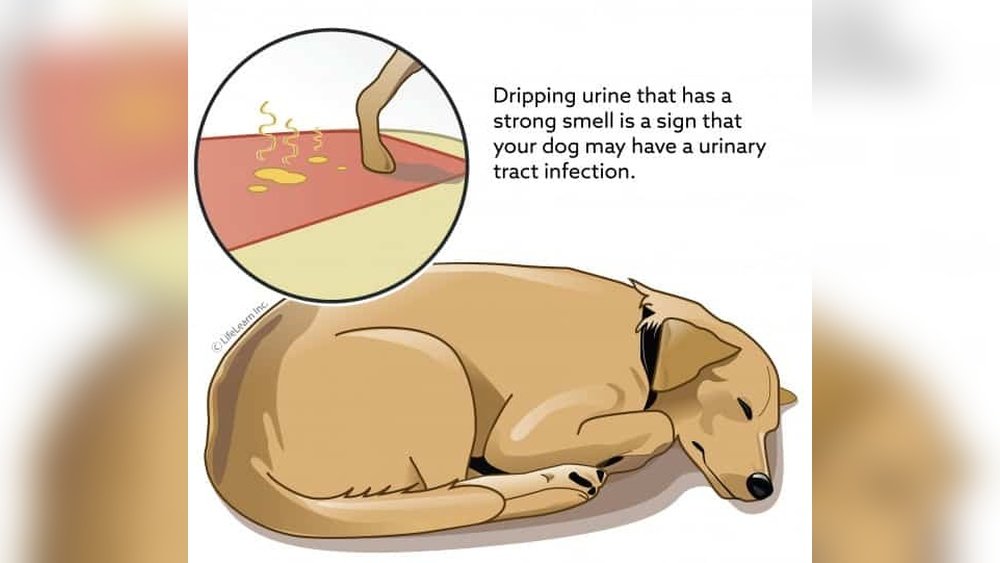
6. Strong Or Foul-smelling Urine
Urine from a healthy dog should have only a mild scent. If you notice strong, foul, or unusual odors coming from your dog’s urine, it could be a sign of infection. Bacteria in the urine create these odors as they multiply.
7. Painful Urination
Dogs with UTIs may yelp, whine, or cry when urinating. You might see them hesitate before peeing or appear uncomfortable during the process. Some dogs will try to avoid urinating altogether because of the pain.
8. Increased Thirst
Some dogs with a UTI will drink more water than usual. This is the body’s way of trying to flush out the infection. While increased thirst can have many causes, it’s a clue to look for, especially if you see other UTI symptoms.
9. Changes In Urine Color Or Clarity
Besides blood, infected urine may look cloudy, dark, or murky. Sometimes, you’ll notice floating debris or pus in the urine. Healthy urine is usually clear and pale yellow.
10. Fever Or Lethargy
In more severe cases, the infection can spread beyond the bladder. If your dog seems tired, weak, or has a fever, it could mean the infection is more advanced. These cases need urgent veterinary care.
Less Obvious Signs And What They Mean
Not every dog with a UTI will show classic symptoms. Some dogs—especially older or very young ones—may act only slightly “off.” Here are a few subtle signs to watch for:
- Restlessness: Your dog might pace, seem unable to settle, or change sleeping spots often.
- Loss of appetite: Some dogs lose interest in food when they feel sick.
- Excessive panting: If your dog is panting more than usual, even when it’s not hot, this can signal discomfort.
- Lower energy: Dogs may want shorter walks or ignore their favorite toys.
- Hiding or withdrawal: Some dogs become clingy, while others hide or avoid family.
These signs are easy to overlook or blame on aging, stress, or weather. But combined with even mild urinary changes, they deserve attention.
How Utis Differ From Other Urinary Problems
Not all urinary issues are caused by infections. Dogs can have similar symptoms from bladder stones, crystals, tumors, or incontinence. Here’s a quick comparison to help you distinguish:
| Sign/Symptom | UTI | Bladder Stones | Incontinence |
|---|---|---|---|
| Frequent urination | Very common | Common | Sometimes |
| Straining to urinate | Common | Very common | Rare |
| Blood in urine | Often | Often | Rare |
| Urine leakage | Sometimes | Rare | Very common |
| Painful urination | Common | Very common | Rare |
If you notice symptoms, don’t try to diagnose at home. Your veterinarian will use urine tests and, if needed, imaging studies to find out what’s wrong.
Risk Factors For Utis In Dogs
Some dogs are more likely to get UTIs than others. Understanding these risks can help you watch for symptoms more closely.
Age And Sex
- Female dogs have a higher risk, especially those who are spayed or middle-aged.
- Older dogs may have weaker immune systems and less bladder control, making infection more likely.
Breed
Certain breeds are prone to urinary problems due to their body structure or genetics. For example, Dachshunds, Yorkshire Terriers, and Bichon Frises are overrepresented in UTI cases.
Health Conditions
- Diabetes mellitus: Sugar in the urine feeds bacteria.
- Cushing’s disease: Weakens the immune system.
- Bladder stones or crystals: Can block urine flow and cause infection.
- Spinal injuries: May affect bladder control.
Hygiene And Grooming
Dogs who are overweight or have long hair around the genitals may get more infections due to bacteria being trapped near the urethra. Poor hygiene or dirty living conditions raise the risk.
How Veterinarians Diagnose Utis In Dogs
When you bring your dog to the vet with urinary symptoms, the first step is a thorough history and physical exam. Your vet will ask about:
- How long symptoms have been present
- Any recent changes in behavior or accidents
- Past history of UTIs or other illnesses
The next steps typically include:
Urine Analysis
Your vet will collect a urine sample to look for:
- Bacteria
- White blood cells
- Red blood cells
- Crystals
- PH changes
A urine analysis can confirm infection and offer clues to the cause.
Urine Culture
To identify the specific bacteria, your vet may send the urine for a culture and sensitivity test. This shows which antibiotics will work best.
Blood Tests
If your dog is very sick, has a fever, or the infection may have spread, bloodwork can check kidney function and overall health.
Imaging (x-rays Or Ultrasound)
Some dogs need an ultrasound or X-rays to check for bladder stones, tumors, or structural problems.
| Test Type | What It Detects | When It’s Needed |
|---|---|---|
| Urine analysis | Bacteria, blood, crystals | First step for all cases |
| Urine culture | Specific bacteria type | Recurrent or severe cases |
| Blood tests | Kidney function, infection spread | Severe illness, fever |
| Imaging | Stones, tumors, anatomy | Chronic or complicated cases |
What To Do If You Suspect A Uti
If you notice symptoms in your dog, don’t wait to see if they get better on their own. Untreated UTIs can lead to kidney infection (pyelonephritis), bladder stones, or even life-threatening illness. Here’s what you should do:
- Call your veterinarian: Describe the symptoms clearly. They’ll advise whether your dog needs to be seen right away.
- Collect a urine sample: If possible, catch a sample of your dog’s urine in a clean container. This helps the vet diagnose the problem faster.
- Don’t give human medicine: Over-the-counter remedies for people can be toxic to dogs.
- Monitor symptoms: Track urination patterns, water intake, and any changes in behavior.
Getting prompt treatment is the best way to relieve your dog’s discomfort and avoid complications.
Credit: www.cliniciansbrief.com
Treatment Options For Canine Utis
The good news is most UTIs are easily treated with antibiotics. Your vet will choose a medication based on the type of bacteria found. Treatment usually lasts 7 to 14 days, but some cases need longer courses.
Antibiotics
Common antibiotics for dog UTIs include:
- Amoxicillin
- Clavamox
- Cephalexin
- Enrofloxacin
It’s important to finish the entire course, even if your dog seems better early.
Pain Relief
If your dog is uncomfortable, your vet may prescribe safe pain medication. Never give human painkillers—many are dangerous for dogs.
Treating Underlying Causes
If your dog has bladder stones, diabetes, or another medical issue, your vet will address these at the same time. For recurring UTIs, further tests may be needed.
Home Care Tips
During treatment, you can help your dog recover by:
- Providing fresh water at all times
- Giving frequent bathroom breaks
- Keeping the genital area clean and trimmed
- Following all medication instructions
Most dogs improve quickly, but always complete the full treatment and return for follow-up tests if advised.
Complications Of Untreated Utis
Ignoring a UTI can lead to serious problems. Here’s what can happen if infections go untreated:
- Kidney infection (pyelonephritis): Bacteria climb from the bladder to the kidneys, causing severe illness.
- Bladder stones: Chronic infection changes urine chemistry, leading to stone formation.
- Incontinence: Ongoing inflammation can damage the bladder muscles.
- Sepsis: In rare, severe cases, bacteria enter the bloodstream and cause life-threatening infection.
Some dogs never show severe symptoms until complications develop. That’s why early detection and treatment are critical.

Credit: www.mdpi.com
Preventing Utis In Dogs
While not all UTIs can be prevented, you can lower your dog’s risk with good habits and care.
Regular Bathroom Breaks
Don’t make your dog “hold it” for long periods. Frequent urination helps flush bacteria from the bladder.
Good Hygiene
- Keep your dog’s genital area clean, especially for long-haired or overweight dogs.
- Groom around the rear and belly to prevent dirt and bacteria buildup.
Fresh Water
Make sure your dog always has clean, fresh water. This dilutes the urine and helps wash away bacteria.
Diet And Supplements
Ask your vet about diets designed to support urinary health. Some supplements, like cranberry extract or probiotics, may help prevent infections, but always use products made for dogs.
Regular Vet Checkups
Annual or twice-yearly vet visits help catch problems early, especially in older or high-risk dogs.
Watch For Recurrence
Some dogs get repeated UTIs. If this happens, your vet may suggest:
- Periodic urine testing
- Imaging for bladder stones
- Special diets or medications
| Prevention Method | How It Helps |
|---|---|
| Frequent walks | Flushes out bacteria |
| Grooming | Reduces bacteria near urethra |
| Fresh water | Dilutes urine, supports kidney health |
| Veterinary checkups | Catches early signs, guides prevention |
Non-obvious Insights For Dog Owners
While many articles focus on the classic signs, there are a few things that even experienced owners sometimes miss:
- UTIs can cause behavior changes before physical symptoms. A normally social dog who becomes withdrawn, anxious, or less playful may be feeling unwell because of a UTI—even before you see changes in urination.
- Some UTIs are “silent.” Especially in senior dogs, there may be no obvious signs until the infection is advanced or causes complications. That’s why routine urine checks for older dogs can catch problems early.
- Recurrence often signals an underlying problem. If your dog gets multiple UTIs in a year, don’t just treat each infection. Ask your vet to investigate for stones, anatomical defects, or chronic diseases.
- Small breed dogs may show milder symptoms. Tiny dogs sometimes show only subtle changes, like “dribbling” urine on bedding or licking after urinating. These are easy to overlook, so pay close attention.
- UTIs can affect house training. If a previously well-trained dog suddenly starts having accidents, always consider a medical cause before assuming it’s a behavioral problem.
Credit: www.cliniciansbrief.com
When A Uti Is An Emergency
Most UTIs cause discomfort but are not immediately life-threatening. However, seek emergency veterinary care if your dog:
- Cannot urinate at all (straining with no urine produced)
- Appears in severe pain
- Has a swollen, hard abdomen
- Vomits or collapses
- Has a high fever or severe lethargy
These signs may mean a blockage, kidney infection, or sepsis—all urgent problems.
Life After A Uti: Monitoring And Recovery
After treatment, most dogs return to normal quickly. But it’s important to:
- Finish all medications exactly as prescribed.
- Return for follow-up urine tests if your vet recommends them.
- Watch for recurring symptoms—especially in high-risk dogs.
Some owners find that after a UTI, their dogs need a little more attention to bathroom habits or hygiene, especially as they age.
Frequently Asked Questions
What Is The Most Common Cause Of Utis In Dogs?
The most common cause is bacteria, usually E. coli, entering the urethra and moving up into the bladder. This can happen after contact with dirty environments, or because of health issues like diabetes or bladder stones.
Can A Dog’s Uti Go Away On Its Own?
Very rarely. Most UTIs need antibiotics to clear up. Ignoring symptoms can lead to kidney infection or more serious problems. Always see a vet if you notice signs of a UTI.
How Can I Help Prevent My Dog From Getting Utis?
Give your dog plenty of bathroom breaks, keep their genital area clean, provide fresh water, and take them for regular vet checkups. For dogs with repeated infections, your vet may recommend special diets or supplements.
Is A Uti In Dogs Contagious To Humans Or Other Pets?
UTIs are not usually directly contagious between dogs or from dogs to people. However, good hygiene is important, especially if there is blood or urine on bedding. Rarely, certain bacteria can spread through contaminated surfaces.
How Do Vets Test For A Uti In Dogs?
Vets use a urine analysis to look for bacteria, blood, and other signs of infection. They may also do a urine culture to find the exact bacteria and choose the right antibiotic. Blood tests or imaging may be needed in severe or recurring cases. For more detailed information, you can visit the American Veterinary Medical Association.
Caring for a dog means being alert to small changes. By understanding the signs of urinary tract infections and acting quickly, you can protect your pet’s health and comfort. Never hesitate to call your veterinarian if you’re worried—your dog depends on you to notice when something isn’t right.
With good care, most dogs bounce back quickly and return to their happy, tail-wagging selves.

We’re the dedicated team behind MyPawSafe.com, with over a decade of combined experience in veterinary care, pet emergency response, and animal behavior. While we prefer to let our work speak for itself, our mission is clear: to provide science-backed, vet-approved advice that helps pet owners prevent accidents and save lives.