Every dog owner wants their pet to be healthy and comfortable. But sometimes, small changes can mean something big is happening inside your dog. One of the most important signs is your dog’s body temperature. It’s easy to overlook, but knowing your dog’s normal temperature—and what counts as a fever or low temperature—can make a big difference.
This guide will help you understand what’s normal, when to worry, and what steps to take if your dog’s temperature is not right. By learning these details, you’ll feel more confident in caring for your dog and be able to spot problems before they become serious.
What Is Normal Dog Temperature?
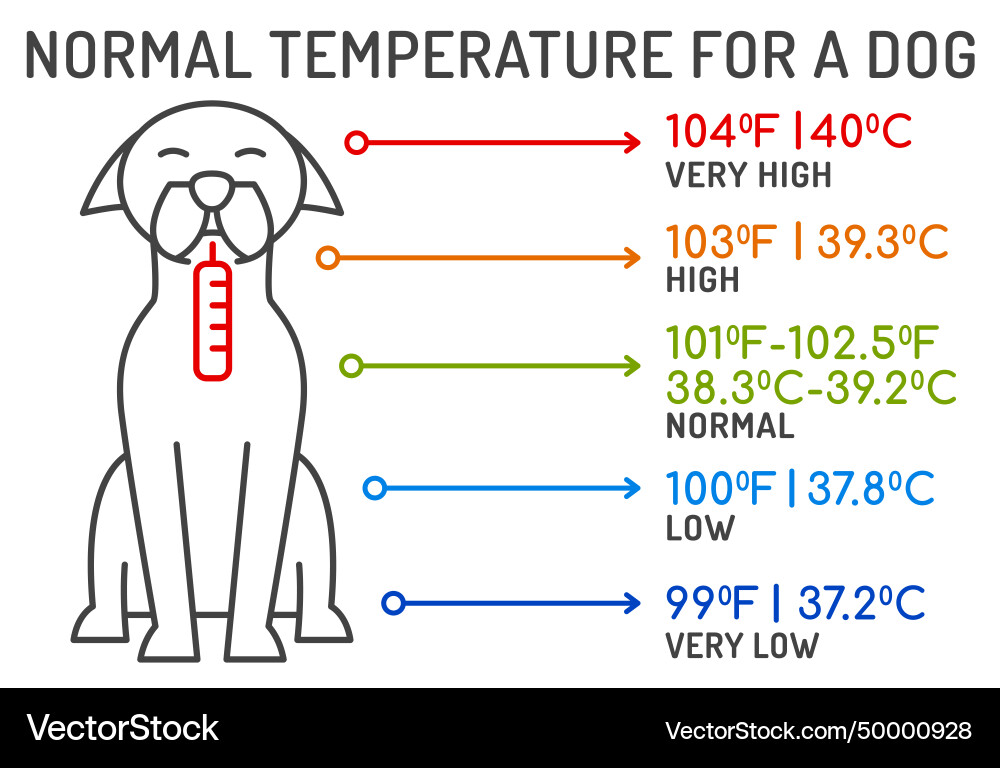
A healthy adult dog’s body temperature is between 101°F and 102.5°F (38.3°C to 39.2°C). Puppies may have slightly different ranges, but most fall close to this. Unlike humans, whose normal temperature is around 98.6°F, dogs run hotter. This higher temperature is a natural part of their biology and helps keep their bodies working well.
Dogs’ bodies work differently from ours. Their normal temperature is higher because their metabolism is faster. This is why they pant instead of sweating—they lose heat mainly through their mouth and paws. Since dogs do not have sweat glands like people, they rely on panting as their main way to cool down.
This means a dog’s body can heat up quickly, especially during exercise or on a hot day, but it also returns to normal faster once they rest.
Why Is Dog Temperature Important?
Temperature tells us a lot about your dog’s health. If your dog’s temperature is above or below normal, it could mean:
- Infection or illness
- Heatstroke or hypothermia
- Reaction to medication
- Stress or anxiety
But temperature alone is not enough. You need to look at other signs, too. Still, temperature is a key signal you shouldn’t ignore. For example, a mild fever with energy loss might be an early sign of infection, while a very high or low temperature can mean a life-threatening emergency.
Another reason temperature is so important is that dogs often hide pain or illness. Unlike people, dogs cannot tell us when they feel sick. Changes in temperature can be one of the first signs that something is wrong, even before other symptoms appear.
Normal Temperature For Puppies
Puppies are a little different. Newborn puppies can have a lower temperature—around 96°F to 98°F (35.6°C to 36.7°C). As they grow, their normal range rises to match adult dogs. If you notice your puppy feels cold or hot, it’s best to check their temperature. Young puppies, especially in their first two weeks, are very sensitive to room temperature and can get cold easily.
For example, if a litter of puppies is left in a cold area, they can become chilled quickly. This can slow their growth or even be deadly if not corrected. On the other hand, if they are kept too warm, it can also cause stress and dehydration.
Monitoring puppy temperature is extra important during the first month of life.
How To Measure Your Dog’s Temperature
Measuring dog temperature is not as simple as touching their nose. It must be accurate, so you should use a thermometer. Many people believe they can judge a dog’s health by feel, but this is not reliable. Using a thermometer is the only way to know for sure.
Tools You Need
- Digital rectal thermometer (most accurate)
- Lubricant (like petroleum jelly)
- Cotton balls or tissue
- Treats (to reward your dog)
Ear thermometers are available, but they are less reliable. Rectal thermometers are best for accuracy. Some pet owners try underarm or mouth readings, but these are not accurate for dogs. If you must use an ear thermometer, make sure it is made for pets and follow the instructions carefully.
Step-by-step Guide
- Calm your dog. Let them relax.
- Lubricate the thermometer tip.
- Gently lift your dog’s tail.
- Insert thermometer about one inch into the rectum.
- Wait until the thermometer beeps (usually under a minute).
- Remove and read the result.
- Clean the thermometer and reward your dog.
If your dog is anxious, ask someone to help hold them. Never force if your dog shows pain or stress. For larger dogs, you may need to insert the thermometer slightly deeper, but never force it. For small dogs and puppies, be especially gentle.
Giving your dog a treat afterward helps them stay calm for future temperature checks. Over time, most dogs get used to the process if you stay calm and gentle. If your dog struggles, stop and try again later or ask your vet for advice.
Common Mistakes
- Using a human oral thermometer (not accurate)
- Measuring after exercise (wait 30 minutes)
- Forgetting to clean the thermometer
It’s also easy to misread the thermometer, so double-check the display. Some thermometers show temperatures in Celsius or Fahrenheit, so make sure you know which one you’re using. Another mistake is not waiting long enough for the thermometer to beep, which can give a false reading.
A less obvious mistake: Some owners forget to record the temperature. Keeping a small notebook of your dog’s temperature readings can help spot patterns or changes over time.
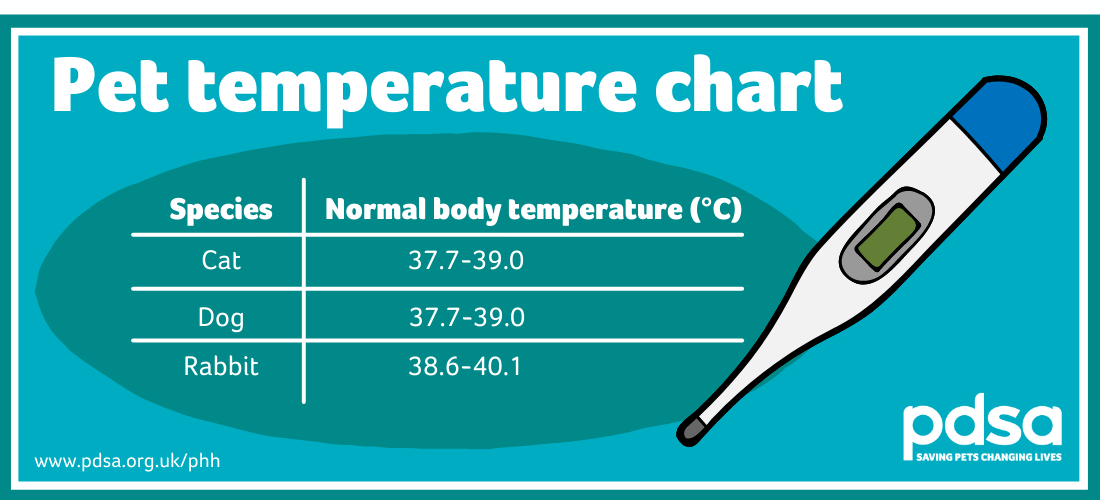
Dog Temperature Compared To Other Pets
To see how dog temperature compares to other common pets, look at this:
| Animal | Normal Temperature (°F) | Normal Temperature (°C) |
|---|---|---|
| Dog | 101–102.5 | 38.3–39.2 |
| Cat | 100.5–102.5 | 38.1–39.2 |
| Rabbit | 101.3–104 | 38.5–40 |
| Human | 97.6–99.6 | 36.4–37.6 |
This shows why you should use pet-specific thermometers, not human ones. Dogs, cats, and rabbits all run warmer than people, so a temperature that is normal for your pet might look like a fever on a human thermometer.
For example, a temperature of 102°F is normal for a dog but would be a fever in a human. If you use a thermometer with preset alerts for human fever, you might get a false warning. Always check what is normal for your pet’s species.
Signs Your Dog’s Temperature Is Not Normal
Sometimes, you don’t have a thermometer handy. But your dog may show signs their temperature is too high or too low. Learning to spot these signs can help you act quickly.
Signs Of High Temperature (fever)
- Panting
- Warm ears or nose
- Lethargy (low energy)
- Shivering or trembling
- Loss of appetite
- Red eyes
- Rapid heart rate
Dogs may also hide or act irritable. Some will seek out cool places or refuse to play. You might notice your dog lying on tile floors more than usual or not wanting to go for walks.
Signs Of Low Temperature (hypothermia)
- Weakness
- Shivering
- Pale gums
- Slow movements
- Cold skin or paws
- Confusion or dullness
Low temperature is especially dangerous in puppies and small breeds. Dogs with hypothermia may seem tired or may not respond to their name. In severe cases, they may collapse or have trouble breathing.
Non-obvious Insights
Many owners think a dry nose means fever, but this is not reliable. The nose can be dry for many reasons. Also, some dogs with fever don’t pant or shiver—especially older or sick dogs. Senior dogs and those with chronic illness may have only small changes in behavior, such as sleeping more or eating less.
Another thing many people miss is that some dogs with low temperature do not shiver at all, especially if they are very sick or very young. Always look at the whole picture, not just one sign.
What Causes Abnormal Dog Temperature?
Temperature changes can be sudden or slow. Here are the main causes:
Fever (above 102.5°f)
- Bacterial or viral infections
- Vaccination reactions
- Autoimmune diseases
- Toxins or poisoning
- Heatstroke
- Cancer
Sometimes, fever is a response to inflammation. After surgery or injury, dogs may have mild fever for a day. Even dental problems can cause a mild fever, so check your dog’s mouth if you notice other symptoms.
Allergic reactions to food or medication can also cause a temporary rise in temperature. In some cases, the fever will go away on its own, but if it lasts more than a day, it may need treatment.
Hypothermia (below 99°f)
- Cold weather exposure
- Wet fur in cold air
- Shock or blood loss
- Metabolic diseases
- Senior dogs or puppies
Short-haired and small dogs lose heat faster. Puppies are at risk because they cannot regulate temperature well. Dogs with certain health problems, like low thyroid or heart disease, are also more likely to get cold.
Sometimes, dogs who have surgery or anesthesia may have a lower temperature for a few hours afterward. Always keep them warm and monitor closely after any medical procedure.
Heatstroke Vs. Fever
Heatstroke is different from fever. Heatstroke means your dog’s body overheats from external heat (hot car, sun). Fever is usually from internal causes, like infection. Heatstroke comes on quickly and can be deadly in minutes. Signs include drooling, red gums, vomiting, and collapse.
If you suspect heatstroke, act fast and cool your dog while calling a vet.
When Should You Worry?
Not every temperature change means danger. But certain numbers or symptoms mean you should act fast.
Dangerous Temperature Ranges
| Temperature (°F) | Status | Action |
|---|---|---|
| Below 99 | Low (hypothermia risk) | Seek vet help |
| 99–101 | Mildly low | Monitor and warm up |
| 101–102.5 | Normal | None |
| 102.6–103.5 | Mild fever | Monitor |
| 103.6–105 | High fever | Contact vet |
| Above 105 | Very dangerous | Emergency |
Temperature above 105°F or below 99°F can cause organ damage. Never wait if your dog reaches these ranges. Fast action can save your dog’s life.
Symptoms To Watch With Temperature Changes
- Vomiting or diarrhea
- Seizures
- Collapse or unconsciousness
- Gums turning blue or gray
- Refusing water
If you see any of these with abnormal temperature, seek help quickly. Even if the temperature is only slightly out of range, these symptoms mean something serious is happening.
Non-obvious Insight
Some dogs with serious illness show only mild temperature changes. For example, immune disorders or chronic infections may cause slow rise in temperature but strong symptoms. Always combine temperature with behavior. If your dog seems “off” but the temperature is only a little high or low, trust your instincts and ask your vet.

Credit: x.com
What To Do If Your Dog’s Temperature Is Abnormal
It’s important to act based on what you find. Here’s what to do:
If Your Dog Has A Fever
- Remove heat sources (sun, blankets)
- Offer cool, clean water
- Move to a cool area
- Wet their paws and ears with cool water (not ice cold)
- Monitor every 30 minutes
- Call your veterinarian if temperature is above 103.5°F or symptoms are severe
Never give human fever medicine like acetaminophen or ibuprofen. These are toxic to dogs. If your dog refuses water or vomits, let your vet know. Dehydration can happen quickly with fever.
A helpful tip: Use a fan to move air around your dog, but do not point it directly at their face. This can help lower temperature safely.
If Your Dog Has Low Temperature
- Move to a warm area
- Wrap in blankets
- Warm with your hands or a heating pad (on low, never directly on skin)
- Monitor temperature every 30 minutes
- Contact your vet if temperature stays below 99°F or your dog is weak
Young puppies need extra warmth. Use a heat lamp or warm water bottle if needed. Make sure the heat source is not too hot. Rotate puppies and check for burns. If your dog is wet, dry them quickly to help bring temperature up.
When To Go To The Vet
Go to the vet if:
- Temperature is above 103.5°F or below 99°F
- Your dog shows serious symptoms (seizures, collapse)
- Fever lasts more than 24 hours
- You suspect poisoning or heatstroke
Vet care may include fluids, medication, and tests. Vets can also give special cooling or warming treatments that are safer than what you can do at home.
Practical Example
If your dog’s temperature is 104°F and they are eating and playing, monitor closely. If it rises to 105°F or your dog stops eating, go to the vet. Always trust your gut—if something seems wrong, it’s better to be safe.
How Vets Diagnose And Treat Temperature Problems
Vets use tests to find the cause. They may check:
- Blood tests (for infection, organ function)
- Urine tests
- X-rays or ultrasound
- Physical exam
Treatment depends on the cause. For fever, vets may use antibiotics if infection is found. For hypothermia, warming and fluids are common. In some cases, your dog may need to stay at the clinic for observation.
Vets also look at other signs, like breathing, heart rate, and gum color. They may give IV fluids for dehydration or medication to treat pain or inflammation.
Data Table: Typical Vet Actions By Temperature
| Temperature (°F) | Vet Actions |
|---|---|
| 102.6–103.5 | Observation, fluids, mild medication |
| 103.6–105 | Blood tests, medication, cooling therapy |
| Above 105 | Emergency care, IV fluids, aggressive cooling |
| Below 99 | Heating, supportive therapy, tests for shock |
Vets also provide advice for home care after treatment, such as how to check temperature and when to return for a recheck.
Preventing Temperature Problems In Dogs
Prevention is easier than treatment. Here’s how to keep your dog’s temperature normal:
Everyday Tips
- Avoid leaving your dog in hot cars
- Provide shade and water in summer
- Dry your dog after bathing in winter
- Dress small dogs in warm clothes during cold weather
- Watch your dog during illness or after vaccination
Exercise your dog during cool parts of the day, like early morning or evening. On hot days, shorten walks and bring water. In cold months, limit time outside for small or thin-coated dogs.
Extra Tips For Puppies And Seniors
- Use heating pads or blankets for puppies in cold rooms
- Check temperature after outdoor walks in winter for older dogs
- Never let puppies sleep on cold floors
Older dogs may not move away from cold or hot spots, so help them stay comfortable. Watch for signs of discomfort, like shivering or seeking out heat sources.
Non-obvious Insight
Many dogs get fever after routine vaccination—this is usually mild and lasts less than a day. It’s normal, but monitor their temperature and behavior. If your dog acts sick for more than 24 hours after a shot, call your vet.
Another insight: Dogs with certain health issues, like heart or thyroid problems, may be more sensitive to temperature changes. Ask your vet if your dog has a condition that puts them at risk.
How Temperature Problems Affect Dog Health
Temperature is not just a number—it affects every part of your dog’s body.
Effects Of Fever
- Dehydration
- Organ stress
- Weakness
- Loss of appetite
Long-lasting fever can damage organs, especially the heart and kidneys. High temperatures make the body work harder. If fever lasts more than a day, your dog may become weak or stop eating, which can slow recovery.
Some dogs, especially seniors, can develop complications like heart failure if fever is not treated quickly. Always watch for changes in breathing or behavior.
Effects Of Hypothermia
- Slowed heart rate
- Low blood pressure
- Impaired brain function
- Shock
Hypothermia is fatal if untreated. Puppies can die within hours in cold conditions. Dogs with low temperature may stop shivering as they get colder, which is a sign things are getting worse.
Hypothermia can also weaken the immune system, making it harder for your dog to fight off infection. If not treated, it can lead to coma or death.
Recovery
Most dogs recover quickly with fast action. But repeated temperature problems may signal chronic disease. If your dog has abnormal temperature often, ask your vet to check for underlying issues. Keeping a log of temperature readings and symptoms can help find patterns.
Temperature And Breed Differences
Some breeds handle temperature changes better. For example, Siberian Huskies tolerate cold. Bulldogs and pugs overheat easily. Knowing your dog’s breed helps you understand their risks.
Breeds At Risk For Heatstroke
- Bulldogs
- Pugs
- Boxers
- Shih Tzus
These have short noses and cannot cool off well. Their airways are not as open as other breeds, making it hard to pant and lose heat. They can get heatstroke even in mild weather.
Breeds At Risk For Hypothermia
- Chihuahuas
- Italian Greyhounds
- Yorkshire Terriers
Small and short-haired breeds lose heat quickly. These dogs may need sweaters or coats in cold weather, even for short walks. Watch for shivering or reluctance to go outside.
Practical Tip
Know your breed’s weaknesses. Adjust care during extreme weather. For example, give extra water and shade in summer for pugs. Use boots and sweaters in winter for Chihuahuas.
Myths About Dog Temperature
There are many myths about dog temperature. Here are a few:
- Cold nose means healthy dog (not true)
- Panting always means fever (dogs pant to cool down, not always fever)
- Dog’s temperature can be checked by touch (not accurate)
- All fevers need antibiotics (not always—viral fevers won’t respond)
Don’t rely on old advice. Use a thermometer and trust science. If you’re unsure, ask your vet instead of relying on hearsay.
Another myth: “Only sick dogs have temperature problems.” In reality, stress, excitement, or even the weather can cause small changes. Knowing what’s normal for your dog helps you avoid worry.
Credit: www.pdsa.org.uk
Real-world Example: Spotting Temperature Problems Early
Emma noticed her Labrador was quieter than usual. She felt his ears were warm and took his temperature—it was 104°F. She moved him to a cool room, offered water, and monitored him. After an hour, his temperature dropped to 102.8°F and he started eating. Emma avoided panic and unnecessary vet trips by checking early.
But her neighbor’s poodle was shivering and weak. The owner wrapped him in blankets but didn’t check temperature. Later, the poodle collapsed—his temperature was 97.8°F. The vet treated him for hypothermia. Early checking could have prevented emergency.
These stories show how acting quickly and knowing what to look for can make a big difference. Trust your instincts, but always use facts and tools, like a thermometer, when you can.
When Not To Worry
Sometimes, mild temperature changes are normal:
- After exercise
- After vaccination
- During heat cycles in female dogs
- After a bath
If your dog acts normal and temperature is only slightly high or low, it’s safe to monitor at home. Give them time to rest and check again in an hour. If the temperature goes back to normal, there’s usually nothing to worry about.
Dogs may also get a mild fever after excitement or stress, such as a car ride or visit to the groomer. This usually passes quickly.
How Often Should You Check Your Dog’s Temperature?
You don’t need to check every day. But check when:
- Your dog acts sick
- After surgery or vaccination
- During extreme weather
- For puppies, check weekly in cold months
Over-checking can cause stress. Use common sense and know your dog’s normal behavior. If your dog has a chronic illness, your vet may ask you to check more often.
For healthy dogs, knowing their normal temperature can help you spot problems early. Try checking once when your dog is healthy, so you know their baseline.
Advanced Tips: For Experienced Owners
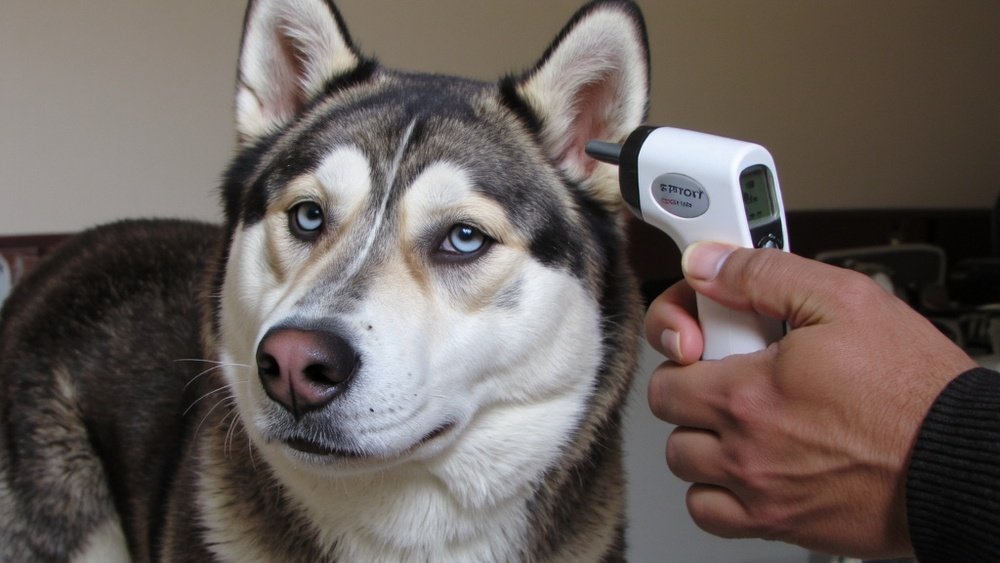
Some owners use infrared thermometers for quick checks. These work on the ear or forehead but are less accurate. Only use them for quick screening. If you get a high or low reading, double-check with a rectal thermometer.
For dogs with chronic illness, keep a log of temperature and symptoms. Share this with your vet—it helps diagnose ongoing problems. This is especially helpful for dogs with autoimmune disease or cancer, where temperature changes may be early warning signs.
A second insight: If your dog has had heatstroke before, they are at higher risk for future episodes. Take extra steps in summer, like avoiding midday walks and always bringing water. Heatstroke can cause long-term damage, so be extra careful.
Credit: www.vectorstock.com
What Not To Do
- Never give human medicine unless prescribed by a vet
- Never use ice baths for fever—cool, not cold, water is safer
- Never ignore severe symptoms even if temperature is only mildly abnormal
- Never force a thermometer if your dog resists strongly
Mistakes here can worsen problems. Always choose safety and comfort for your dog. If you’re unsure, call your vet for advice rather than risking harm.
Extra Resources
For more details on dog health and temperature, you can check AKC Dog Health Guide. This site gives expert advice and practical tips.
Frequently Asked Questions
What Is The Normal Temperature Range For A Healthy Adult Dog?
The normal range is 101°F to 102.5°F (38.3°C to 39.2°C). Dogs are naturally warmer than humans.
How Can I Accurately Measure My Dog’s Temperature At Home?
Use a digital rectal thermometer for best results. Insert gently about one inch into the rectum, wait for the beep, and read the number.
What Should I Do If My Dog Has A Fever?
Move your dog to a cool area, offer water, and monitor closely. If the fever is above 103.5°F or lasts more than a day, contact your vet.
Can My Dog’s Temperature Be Affected By Exercise Or Excitement?
Yes, after exercise or excitement, temperature may rise slightly. Wait 30 minutes before measuring for a true reading.
What Are Signs That My Dog’s Temperature Is Dangerously High Or Low?
Dangerously high: panting, collapse, vomiting, seizures. Dangerously low: weakness, shivering, pale gums, confusion. Both need fast vet care.
Dogs depend on us to notice changes. Knowing about normal dog temperature—and when to worry—can save your pet’s life. Stay alert, act fast, and never hesitate to ask your vet for advice. With the right knowledge, you can keep your dog safe, comfortable, and healthy for years to come.
We’re the dedicated team behind MyPawSafe.com, with over a decade of combined experience in veterinary care, pet emergency response, and animal behavior. While we prefer to let our work speak for itself, our mission is clear: to provide science-backed, vet-approved advice that helps pet owners prevent accidents and save lives.