

Planning to breed your dog is a big responsibility. It’s not just about letting two dogs mate; you need to think about health, genetics, timing, and the well-being of both animals. Many beginners imagine dog breeding as simple, but there’s much more to it. If you want healthy puppies and a stress-free process, you need careful preparation. This guide will help you get ready for planned dog breeding with practical advice, clear steps, and expert tips. Whether you’re a first-timer or want to improve your approach, you’ll find everything needed to breed responsibly.
Understanding Dog Breeding: Why Preparation Matters
Breeding dogs is a serious commitment. It’s about creating new life, and it affects not just your pets but also future owners and the breed as a whole. Poor planning can lead to health issues, unwanted puppies, or behavior problems.
Proper preparation reduces risk and increases the chance of healthy, happy puppies.
Dog breeding is more than just physical mating. It involves:
- Choosing the right pair
- Checking genetics and health
- Preparing for pregnancy and birth
- Planning for puppy care and placement
Many people overlook the importance of genetics and health screening. For example, some breeds have hidden problems that only appear after breeding. Responsible breeders use vet checks and genetic tests to avoid these issues.
Even small mistakes early in the process can have a big impact later. For example, not checking for inherited diseases can lead to puppies suffering from lifelong problems. If you skip socialization, you may end up with dogs that are fearful or aggressive.
The best breeders see themselves as caretakers for their breed. They work to improve health, temperament, and quality in every generation.
Most experts agree that preparation is just as important as the act of breeding itself. Before you begin, educate yourself about your breed’s common issues and standards. Spend time reading breed club guidelines, and ask experienced breeders for advice. You will be more confident and better prepared to handle any challenges.
Choosing The Right Pair: Health, Genetics, And Temperament
Picking the right dogs to breed is the most important step. You want to match dogs with healthy backgrounds, good temperament, and strong genetics. This helps avoid passing on diseases or bad behavior.
Health Screening
Both dogs should have up-to-date vaccinations and regular vet checks. Tests for common diseases (such as canine parvovirus, distemper, and heartworm) are vital. Also, check for breed-specific conditions. For example, hip dysplasia is common in large breeds.
| Test Type | Purpose | Recommended Breeds |
|---|---|---|
| Hip/Elbow X-ray | Detect joint problems | Large breeds (Labrador, German Shepherd) |
| Heart Screening | Check for heart disease | Boxer, Cavalier King Charles Spaniel |
| Eye Exam | Identify vision issues | Poodle, Siberian Husky |
| Genetic Testing | Reveal inherited diseases | All breeds |
Responsible breeders also check for parasites like fleas, ticks, and intestinal worms. Not treating these can risk the health of puppies. Many vets recommend testing for brucellosis, a bacterial infection that can cause infertility or miscarriage. You should ask your vet about this before breeding.
Genetic Compatibility
Use genetic testing to avoid hereditary diseases. Some breeders use DNA tests to check for genes that cause illness. Matching dogs with different genetic backgrounds reduces risk.
For example, progressive retinal atrophy (PRA) is common in some breeds. If both parents carry PRA genes, puppies can be blind. Avoiding such pairs is key.
Genetic screening is not just for obvious diseases. It can also identify traits like coat color, length, and size. This helps you predict what puppies will look like and avoid unwanted surprises. Some breeders use tools called genetic calculators to compare two dogs’ DNA profiles. This helps ensure compatibility and reduces the risk of genetic defects.
If you’re unsure how to interpret genetic test results, ask your vet or a canine geneticist. Many beginners miss the importance of recessive genes, which can be hidden for generations and suddenly appear in puppies. A professional can help you understand and avoid such risks.
Temperament And Behavior
Temperament is often overlooked but very important. Dogs with aggressive or anxious behavior can pass this to puppies. Choose calm, friendly dogs for breeding.
Many breeders interview owners and observe dogs in different situations. If a dog shows unpredictable behavior, it’s better not to breed.
You can also ask for temperament testing from a certified behaviorist. These tests measure confidence, friendliness, and reaction to stress. If your dog passes, it’s a good sign they’ll produce puppies with stable personalities.
Another practical tip: meet the parents of your breeding pair if possible. The behavior of grandparents and siblings can give clues about what to expect in puppies. If you see patterns of aggression or extreme shyness, reconsider your choice.
Age And Physical Condition
Dogs should be mature but not too old. Female dogs are usually ready at 18-24 months. Males can breed at about 12 months. Avoid breeding dogs over 7 years, as risks increase.
Good physical condition is essential. Underweight or overweight dogs may have trouble with fertility and pregnancy. Make sure both dogs have a healthy weight and strong muscle tone. Some breeds need extra checks, such as thyroid testing, before breeding.
Preparing The Female Dog: Health And Environment
Before breeding, focus on the female dog’s health and comfort. A healthy mother means healthy puppies.
Physical Health
Schedule a vet visit to confirm the dog is ready for breeding. Check for:
- Hormone balance
- Reproductive health
- No infections
Vaccinations must be current. Deworming is essential, as worms can pass to puppies.
If your dog has had previous pregnancies, ask your vet to check for uterine health. Scarring or infection can affect fertility and birth. Regular blood tests can help spot hidden problems.
Some breeds are prone to specific issues, such as pyometra (uterine infection) or mammary tumors. Watch for early signs and treat quickly.
Nutrition
Feed your dog a balanced, high-protein diet. Increase food quality, not just quantity. Some breeders add supplements like folic acid and omega-3 for better health.
A practical tip: begin improving your dog’s diet at least two months before breeding. This allows time for nutrients to build up and strengthens the body for pregnancy. Avoid sudden diet changes, which can upset digestion.
Ask your vet about special prenatal vitamins. Some recommend adding calcium, but too much can cause problems. Always follow professional advice.
Timing The Heat Cycle
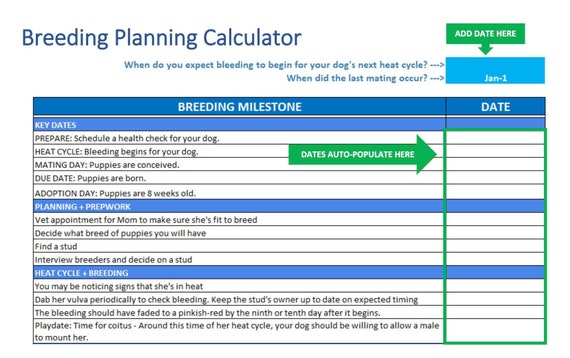
Female dogs are fertile during their estrus (heat) cycle. This lasts about 2-3 weeks and happens every 6-8 months. The best time for mating is usually day 10-14 of the cycle.
Many breeders use progesterone tests to pinpoint the best time. This is more accurate than watching for physical signs.
Watch for signs like swelling, increased urination, and changes in behavior. If unsure, keep a calendar and record each cycle. Accurate timing improves chances of pregnancy and reduces stress.
Another insight: some females have silent heats or irregular cycles. If your dog doesn’t show typical signs, ask your vet about hormone tests.
Comfortable Environment
Prepare a quiet, clean space for mating and pregnancy. Stress can lower fertility, so avoid loud noises and sudden changes.
If your household is busy, try to limit guests or noisy activities during breeding. Use calming aids like pheromone diffusers or soft music. This helps your dog relax and increases chances of success.
Preparing The Male Dog: Health, Readiness, And Handling
Male dogs also need preparation. Their health and behavior affect the breeding process.
Health Checks
The male should have recent vet exams and vaccinations. Test for infectious diseases and check sperm quality. Some vets offer semen analysis to check fertility.
Ask your vet about testing for brucellosis, which can affect fertility and cause disease. Even healthy-looking males can carry hidden infections. Sperm quality tests can check for mobility and count, both important for successful breeding.
Nutrition And Exercise
Feed a high-quality diet. Regular exercise keeps the dog fit and reduces stress. Avoid sudden diet changes before breeding.
Some breeders add zinc or vitamin E to improve fertility, but only do this after consulting your vet. Over-supplementing can cause problems.
Maintain a regular exercise routine, but avoid exhausting activities before mating. Rest and relaxation help the male focus during breeding.
Handling During Mating
Male dogs can be nervous or excited. Train the dog to follow basic commands and stay calm. Practice gentle handling to avoid stress during mating.
If your male is inexperienced, introduce him slowly to the female. Let them meet and play before mating. This builds trust and reduces anxiety. Some breeders use treats or gentle praise to create positive associations.
Another tip: keep other dogs away during mating. Distractions can cause stress or aggression.
Credit: funnyfuzzy.com
Planning The Breeding: Timing, Location, And Method
Breeding is not just about putting two dogs together. Timing, location, and method matter.
Timing
Accurate timing increases success. Use hormone tests or watch for signs:
- Swelling of the vulva
- Clear discharge
- Behavioral changes
Some breeders use progesterone blood tests. These are more precise than physical signs and help avoid missed opportunities.
If you’re unsure, ask your vet to help with timing. Artificial insemination can be scheduled with more precision, but natural mating depends on both dogs’ readiness.
Location
Choose a neutral, quiet place for breeding. If possible, use the female’s home. Avoid busy or noisy areas. Clean the space well before mating.
Dogs are sensitive to environment. Familiar smells and surroundings help them relax. Some breeders use separate rooms for introductions and mating. Make sure the area is free of hazards and distractions.
Method
There are three main methods:
- Natural Mating: Most common. Dogs mate naturally. Watch closely to avoid injury or stress.
- Artificial Insemination: Used if natural mating fails or dogs are far apart. Requires vet assistance.
- Surgical Insemination: Rare, used only for medical reasons.
Natural mating is best for most cases. If you use artificial methods, work with an experienced vet.
Some breeds, like Bulldogs, often require artificial insemination due to physical limitations. Discuss with your vet which method suits your dogs.
| Method | Best For | Success Rate |
|---|---|---|
| Natural Mating | Healthy, compatible dogs | 70-85% |
| Artificial Insemination | Distance, health issues | 60-75% |
| Surgical Insemination | Medical need only | 50-60% |
Monitoring Pregnancy: Signs And Care
After successful mating, watch for pregnancy signs. Dogs show changes about 2-4 weeks after mating.
Early Signs
- Increased appetite
- Swollen nipples
- Tiredness
- Mild mood changes
Some dogs may have morning sickness, vomiting, or loss of appetite in the early weeks. This is normal, but monitor closely.
Vet Confirmation
Vets use ultrasound or blood tests to confirm pregnancy. Ultrasound is reliable after 25 days.
Blood tests check for pregnancy hormones, but ultrasound gives more information about puppy count and health. Ask your vet to schedule checks at key points.
Pregnancy Care
Feed the female dog a nutritious diet. Increase calories gradually. Avoid heavy exercise but encourage gentle walks.
Keep the dog stress-free. Prepare a comfortable spot for birth, called a whelping area. Clean the area and use soft bedding.
Monitor your dog’s weight and health weekly. Sudden weight loss or gain can indicate problems. Some breeders keep a pregnancy diary to record changes and vet visits.
Another insight: avoid giving medication unless prescribed by your vet. Some common drugs are unsafe during pregnancy.
Credit: www.etsy.com
Preparing For Whelping: Setup, Supplies, And Emergency Plans
Whelping (birth) needs careful planning. Puppies and mother need a safe, clean place.
Whelping Area
Choose a quiet room away from family activity. Use a whelping box with low sides so the mother can enter easily. Line with clean towels or sheets.
Make sure the area is warm (about 75°F/24°C). Cold rooms can make puppies weak or sick. Use a thermometer to check temperature regularly.
Supplies Needed
- Clean towels
- Puppy pads
- Thermometer
- Gloves
- Scissors (for umbilical cords)
- Antiseptic solution
- Heating pad (for cold rooms)
Add a flashlight for better visibility during birth. Some breeders keep a scale to weigh puppies after birth.
Stock extra bedding and cleaning supplies. Birth can be messy, and you may need to change sheets often.
Emergency Plans
Have your vet’s number ready. Know signs of trouble:
- Prolonged labor (over 2 hours per puppy)
- Heavy bleeding
- Weak or unresponsive puppies
Prepare for emergencies. If unsure, call your vet quickly.
Keep a car ready for trips to the vet if needed. Some breeders arrange for a vet to be on standby during whelping, especially for first-time mothers or high-risk breeds.
Puppy Care: First Weeks And Placement
Puppy care starts right after birth. The first weeks are crucial.
Neonatal Care
Puppies need warmth and food. The mother usually cleans and feeds them. Watch for weak or cold puppies. Use a heating pad if needed.
Weigh puppies daily to check growth. Healthy puppies gain weight steadily.
Check for signs of dehydration or infection. Puppies should nurse often and be active. If you see any problems, contact your vet right away.
Vaccinations And Vet Checks
Puppies need vaccines at 6-8 weeks. Schedule vet visits for health checks and deworming.
Record each puppy’s health and growth. Some breeders microchip puppies for identification and safety.
Socialization
Early socialization helps puppies grow into friendly adults. Handle puppies gently and expose them to mild sounds and sights.
Invite visitors to meet the puppies, but limit numbers. Introduce gentle handling, different textures, and sounds like music or TV. This builds confidence and reduces fear later.
Placement And Adoption
Plan for puppy placement before breeding. Find responsible owners. Interview potential adopters and explain puppy needs.
Many breeders use contracts to ensure puppies go to good homes. Some require owners to return puppies if they can’t care for them.
Share puppy care tips and offer ongoing support to new owners. This helps puppies adjust and prevents returns.
Legal And Ethical Considerations
Dog breeding has legal and ethical sides. Follow local laws and breed club rules.
Registration
Register puppies with breed clubs (AKC, UKC). This proves pedigree and helps owners.
Registration also allows puppies to participate in shows or sports. It gives buyers confidence in your breeding quality.
Breeding Limits
Some areas limit the number of litters per year. Check local regulations to avoid fines.
You may need special licenses or inspections. Contact your local animal control office or breed club for details.
Ethical Breeding
Never breed for profit only. Focus on health, temperament, and improving the breed. Avoid puppy mills and irresponsible practices.
Some breeders participate in breed improvement programs or donate puppies for service work. This helps your reputation and benefits your breed.
Cost Planning: Budgeting For Breeding
Breeding is expensive. Costs include health checks, food, supplies, and vet bills.
| Expense | Estimated Cost (USD) |
|---|---|
| Health Screening | $150 – $500 |
| Genetic Testing | $100 – $300 |
| Pregnancy Care | $250 – $600 |
| Whelping Supplies | $100 – $250 |
| Veterinary Emergencies | $200 – $1,000 |
| Puppy Vaccinations | $75 – $200 per puppy |
| Registration Fees | $30 – $50 per puppy |
Many beginners forget about emergency costs. Always have extra funds for unexpected vet visits.
You should also budget for cleaning supplies, puppy food, and advertising for placement. If you travel for breeding, include transport costs.
A non-obvious insight: some breeders invest in pet insurance for pregnant mothers. This can reduce costs if emergencies happen.

Credit: www.thedogkennelcollection.com
Common Mistakes And How To Avoid Them
Even experienced breeders make errors. Avoid these common mistakes:
- Skipping health checks: Leads to sick puppies.
- Poor timing: Mating at the wrong time reduces success.
- Stressful environment: Stress lowers fertility.
- Neglecting puppy placement: Unwanted puppies are hard to place.
- Not preparing for emergencies: Delays can risk lives.
Plan ahead and ask for help if unsure. Beginners often miss hidden genetic issues, so use professional testing.
Some breeders try to cut costs by skipping vet visits or using cheap food. This usually causes bigger problems later. Invest in quality from the start.
Another common mistake: not socializing puppies early. Puppies kept isolated may develop fear or aggression. Begin socialization as soon as possible.
Practical Tips For A Smooth Breeding Process
You can make breeding easier with simple tips:
- Keep detailed records: Track dates, health checks, and costs.
- Meet other breeders: Learn from their experience.
- Visit your vet often: Catch problems early.
- Prepare for sleepless nights: Birth and puppy care need attention.
- Use contracts: Protect puppies and owners.
A non-obvious insight: Some breeders use pheromone diffusers to calm dogs during mating and whelping. This reduces stress and improves outcomes.
Another tip: Use video cameras to monitor whelping. You can watch without disturbing the mother.
Keep a list of contacts for help, such as local breeders, trainers, and emergency vets. Having support makes the process safer and less stressful.
Learning From Experienced Breeders
Talk to breeders with years of practice. They often know tricks and tips not found in books. For example, some breeds need special diets or have unusual behavior during pregnancy. Joining breed clubs helps you stay updated.
You can find helpful information and connect with experts at the American Kennel Club.
Attend local dog shows or seminars if possible. You’ll learn from experts and see different approaches to breeding and puppy care.
Frequently Asked Questions
What Age Should A Female Dog Be For Breeding?
Female dogs should be at least 18 months old. Breeding too young can risk health. Wait until the dog is fully mature.
How Many Times Can I Breed My Dog?
Most experts suggest no more than 3-4 litters in a lifetime. Overbreeding risks health and reduces quality.
What Are Signs Of Pregnancy In Dogs?
Early signs include swollen nipples, increased appetite, tiredness, and mild mood changes. Vets confirm pregnancy with ultrasound.
How Do I Find Good Homes For Puppies?
Interview potential owners, check references, and explain puppy needs. Use contracts to protect puppies. Responsible placement is key.
Is Dog Breeding Profitable?
Dog breeding is expensive and risky. Most breeders do not make a profit. Costs include health checks, food, supplies, and emergencies.
Planning dog breeding is a journey, not a quick task. With the right preparation, you can enjoy a smooth process and healthy puppies. Remember, responsible breeding protects your dogs and improves the breed. Take your time, ask experts, and always put animal welfare first.
If you follow the steps above, you’ll be ready for a successful and ethical breeding experience.

We’re the dedicated team behind MyPawSafe.com, with over a decade of combined experience in veterinary care, pet emergency response, and animal behavior. While we prefer to let our work speak for itself, our mission is clear: to provide science-backed, vet-approved advice that helps pet owners prevent accidents and save lives.