Choosing the right dry dog food is one of the most important decisions for your pet’s health. Today, many owners face the choice between grain free and grain inclusive dry dog food. Both types are popular, but they have key differences. Some pet owners believe grain free is healthier, while others prefer traditional formulas with grains. With so much conflicting advice, it’s easy to feel confused.
This guide will help you understand everything about grain free vs grain inclusive dry dog food. You’ll learn what these terms mean, how they affect your dog, the pros and cons, and which option may be best for your pet.
We’ll also cover common myths, scientific studies, and practical tips for choosing the right food. By the end, you’ll feel confident about making the best choice for your dog’s needs.
What Is Grain Free Dry Dog Food?
Grain free dog food means the formula does not contain any grains such as wheat, corn, rice, barley, oats, or sorghum. Instead, the carbohydrate sources are usually potatoes, sweet potatoes, peas, lentils, or chickpeas. Some brands use tapioca or pumpkin.
Grain free formulas first became popular around 2010. They were marketed as more “natural,” based on the idea that wild dogs (wolves) did not eat grains. Many brands claimed grain free was better for allergies, digestion, and overall health.
But grain free does not mean carbohydrate free. Some formulas actually have more carbs than grain inclusive foods because potatoes and peas are used as fillers. Always check the ingredient list and nutritional breakdown.
What Is Grain Inclusive Dry Dog Food?
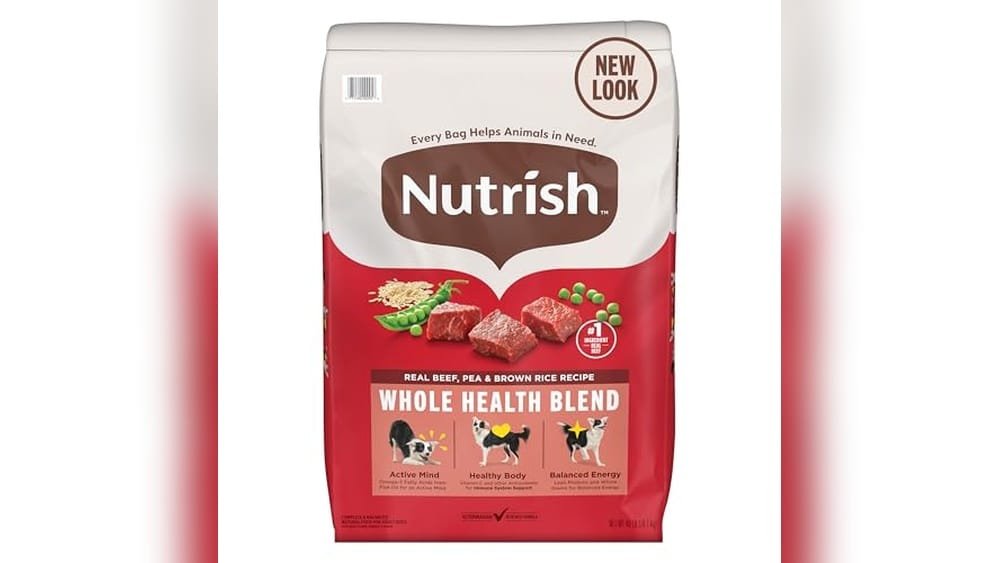
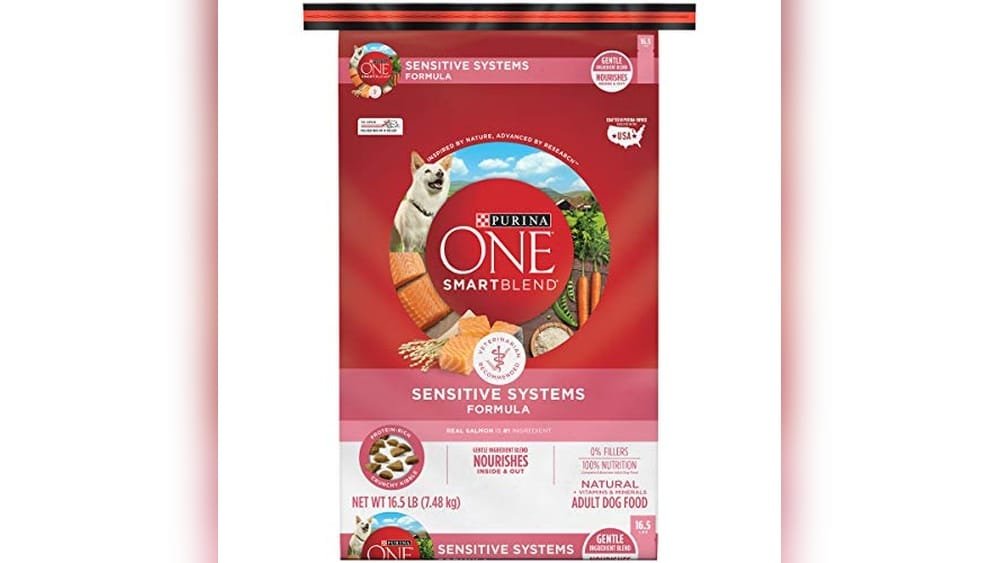
Grain inclusive dog food contains one or more grains. Common grains include brown rice, whole wheat, barley, oats, and corn. These grains are used as a source of energy, fiber, and some vitamins. Grain inclusive formulas have been used for decades and are the traditional choice.
Grains are not just fillers. They provide nutrients like B vitamins, iron, and magnesium. Some grains, like brown rice and oats, are easy to digest and offer extra health benefits.
Most veterinarians agree that healthy dogs with no allergies or sensitivities can eat grains without problems. Grain inclusive foods are often more affordable and easier to find.

Credit: petfolk.com
Key Differences Between Grain Free And Grain Inclusive Dog Food
To help you compare, here’s a side-by-side look at the main differences:
| Feature | Grain Free | Grain Inclusive |
|---|---|---|
| Main Carbohydrate Source | Potatoes, peas, lentils, chickpeas | Brown rice, oats, barley, wheat |
| Protein Level | Usually higher | Moderate |
| Digestibility | Variable, depends on formula | Usually stable |
| Price | Often higher | Usually lower |
| Availability | Wide but less than grain inclusive | Very wide |
This comparison shows the basic differences. But each brand and formula can vary a lot, so always check the packaging.
Nutritional Value: How Grains And Alternatives Affect Your Dog
Grains As Nutrients
Grains are not just empty fillers. Whole grains like brown rice and oats provide:
- Complex carbohydrates for energy
- Fiber for digestion
- B vitamins (thiamin, niacin, riboflavin)
- Minerals such as magnesium, iron, and selenium
Dogs are omnivores and can digest cooked grains. Most grains used in dog food are processed and easy for dogs to digest.
Alternatives In Grain Free Foods
Grain free formulas use other sources, mainly:
- Potatoes and sweet potatoes: Good energy, but low protein
- Peas and lentils: Higher protein, also fiber
- Chickpeas: Protein and fiber
These alternatives offer nutrition, but sometimes cause digestive issues in sensitive dogs.
Protein Content
Grain free dry dog food usually contains more animal protein. This is because grains are replaced by meat, poultry, or fish. Some formulas reach 32% or more protein. Grain inclusive brands are often 22-28% protein.
However, more protein is not always better. Dogs need a balance of protein, fat, and carbs. High protein diets can stress kidneys in senior dogs or those with health issues.
Fiber And Digestibility
Fiber helps digestion and stool quality. Both grain free and grain inclusive can offer good fiber, depending on the ingredients. Some dogs do better with grains, while others benefit from pea or chickpea fiber.
Grain free diets sometimes cause loose stools or gas. Grain inclusive foods are often easier on the stomach, especially for puppies and older dogs.
Common Myths About Grain Free And Grain Inclusive Dog Food
Many myths exist about grain free and grain inclusive foods. Here are some of the most common, and the truth behind them.
Myth 1: Dogs Are Carnivores And Should Not Eat Grains
Truth: Dogs are omnivores, not strict carnivores. Their ancestors (wolves) ate meat, but also berries, plants, and even leftover grains from human settlements. Modern dogs digest cooked grains well.
Myth 2: Grain Free Food Prevents Allergies
Truth: Grain allergies are rare in dogs. Most food allergies are caused by beef, chicken, or dairy. Only 10% of dog food allergies are linked to grains. Grain free diets may help dogs with specific grain allergies, but most dogs do not need them.
Myth 3: Grain Free Is Always Healthier
Truth: Grain free foods are not automatically healthier. Some brands use more fillers like potatoes or peas, which can be less nutritious. The quality of protein, fat, and micronutrients matters more than whether grains are included.
Myth 4: Grains Are Just Fillers
Truth: Many grains are packed with nutrients. Whole grains provide B vitamins, minerals, and fiber. Cheap brands may use corn as filler, but quality brands use grains for their nutritional value.
Scientific Studies And Fda Warnings
In 2018, the U.S. Food and Drug Administration (FDA) began investigating a possible link between grain free dog food and canine dilated cardiomyopathy (DCM), a heart disease. Some cases showed dogs eating grain free diets developed DCM, especially those with high amounts of peas, lentils, or potatoes.
The exact cause is still not clear, but some grain free formulas may lack taurine, an amino acid important for heart health. Many veterinarians recommend grain inclusive diets unless your dog needs grain free for allergies.
According to the FDA, the risk is highest in large breeds and dogs eating boutique grain free brands. For more information, see the official FDA update: FDA Investigation.
Pros And Cons Of Grain Free Dog Food
Grain free dry dog food has both advantages and disadvantages. Here’s a breakdown.
Advantages
- May help dogs with specific grain allergies or sensitivities
- Often contains more animal protein
- Can be easier for some dogs to digest
- Popular among owners seeking “natural” diets
- Useful for dogs with certain medical conditions (e.g. Inflammatory bowel disease)
Disadvantages
- More expensive than grain inclusive food
- Not all formulas are nutritionally balanced
- May increase risk of DCM in some dogs
- Some dogs develop digestive issues (loose stool, gas)
- Less research on long-term effects
Pros And Cons Of Grain Inclusive Dog Food
Grain inclusive dry dog food is the traditional choice. Here are its pros and cons.
Advantages
- Widely available and often cheaper
- Balanced nutrition for most dogs
- Grains provide useful nutrients (fiber, B vitamins, minerals)
- Less risk of DCM linked to grain free formulas
- Easier for puppies and senior dogs to digest
Disadvantages
- Not suitable for dogs with true grain allergies (rare)
- Some cheap brands use grains as fillers (corn, wheat)
- May not suit owners seeking “natural” diets
Which Dogs Should Eat Grain Free Food?
Grain free diets are not for every dog. They are best for:
- Dogs with diagnosed grain allergies or sensitivities
- Dogs with certain digestive issues (after vet recommendation)
- Owners who prefer a higher protein diet
Grain allergies are rare, so most dogs do not need grain free food. Always talk to your vet before switching.
Which Dogs Should Eat Grain Inclusive Food?
Most dogs thrive on grain inclusive dry dog food. This includes:
- Puppies and growing dogs
- Senior dogs needing easy digestion
- Dogs with no allergies or sensitivities
- Owners seeking affordable, balanced nutrition
If your dog is healthy and shows no signs of allergies, grain inclusive is usually a safe choice.

Credit: shop.wishbonepet.com
How To Choose The Best Dry Dog Food: Practical Steps
1. Check The Ingredient List
Look for:
- High-quality animal proteins as the first ingredient (chicken, lamb, fish)
- Whole grains or healthy alternatives (brown rice, oats, sweet potatoes)
- Avoid food with “meat by-products” or “animal digest” as main ingredients
- Check for artificial colors, flavors, or preservatives
2. Review The Nutritional Analysis
Dogs need:
- Protein: 18-32% (higher for active dogs)
- Fat: 8-18%
- Fiber: 3-6%
- Adequate vitamins and minerals
Compare the guaranteed analysis on the packaging.
3. Consider Your Dog’s Age, Breed, And Health
Puppies, adults, and seniors need different nutrition. Large breeds need food that supports joint health. Some breeds are prone to allergies or digestive issues.
4. Watch For Allergies Or Sensitivities
Signs of food allergies include:
- Itchy skin or paws
- Ear infections
- Vomiting or diarrhea
- Poor coat condition
If you see these signs, talk to your vet. They may recommend an elimination diet or allergy testing.
5. Avoid Common Mistakes
- Switching foods too quickly (can cause stomach upset)
- Choosing food based only on marketing claims
- Ignoring the ingredient list
- Not considering your dog’s specific needs
Price And Availability
Grain free dog food is usually more expensive. The production costs are higher, and many brands market them as premium. Grain inclusive foods are more affordable and found in most supermarkets, pet stores, and online.
Some grain free brands cost up to $70 for a large bag, while grain inclusive bags may cost $30–$50 for similar size.
Taste And Palatability
Dogs have preferences, just like people. Some love grain free formulas, while others prefer grain inclusive. Taste depends on the protein source, fat content, and flavor enhancers.
To test, offer your dog small samples of each type. Watch for excitement, appetite, and stool quality.
Brand Examples: Popular Grain Free And Grain Inclusive Dry Dog Foods
Here’s a look at popular brands and their features.
| Brand | Type | Main Protein | Main Carb | Price Range (USD) |
|---|---|---|---|---|
| Blue Buffalo Wilderness | Grain Free | Chicken | Sweet Potato | 50-70 |
| Orijen Original | Grain Free | Chicken, Fish | Peas, Lentils | 65-90 |
| Hill’s Science Diet | Grain Inclusive | Chicken | Brown Rice | 40-60 |
| Purina Pro Plan | Grain Inclusive | Salmon | Rice | 35-55 |
| Nutro Ultra | Grain Inclusive | Lamb, Chicken | Oats, Brown Rice | 45-65 |
Real-life Examples: Dogs Who Switched Diets
Case 1: Allergy Relief
A Labrador named Bella had itchy skin and frequent ear infections. Her owner tried grain free food (with salmon and peas), and Bella’s symptoms improved. The vet confirmed a grain sensitivity.
Case 2: Digestive Issues
Max, a senior Golden Retriever, developed loose stool after switching to grain free food with lentils. Returning to grain inclusive food with brown rice improved his digestion.
Case 3: Weight Control
A young Boxer, Luna, gained excess weight on grain inclusive food. Switching to a high-protein grain free formula helped her lose weight, but only after careful portion control.
These examples show that diet changes should be based on your dog’s unique needs.
Grain Free Vs Grain Inclusive For Puppies
Puppies need special nutrition for growth. Most puppy foods are grain inclusive, as grains are easy to digest and provide energy. Grain free puppy foods exist, but some vets recommend caution due to the risk of DCM and lack of long-term studies.
If your puppy has allergies, talk to your vet before choosing grain free. Otherwise, grain inclusive is usually safer.
Grain Free Vs Grain Inclusive For Senior Dogs
Senior dogs often have weaker digestion and need easy-to-digest food. Grain inclusive formulas with brown rice or oats are gentle on the stomach. Grain free formulas may be too rich in protein for older dogs.
Some seniors benefit from grain free diets if they have allergies, but for most, grain inclusive is recommended.
Grain Free Vs Grain Inclusive For Working And Active Dogs
Dogs who run, hunt, or work need extra energy. Grain free formulas offer more protein and fat, which can help active dogs recover and build muscle. However, grain inclusive foods with high-quality grains also support sustained energy.
Active dogs do well on either type if the food is balanced.
Non-obvious Insights Beginners Miss
- Not all grain free diets are high quality. Many brands use potatoes or peas as fillers. Always check the protein and fat levels, not just the “grain free” label.
- Grain free diets may affect stool quality. Some dogs experience loose stools or gas when switching to grain free food. Gradually transition and monitor your dog’s response.
- Brand matters more than grain type. Some grain inclusive foods are healthier than grain free, depending on the ingredients and processing.
- Veterinarians often prefer grain inclusive diets unless there is a medical need. The risks of DCM are still being studied, so follow your vet’s guidance.
Making The Transition: How To Switch Dog Foods Safely
Switching dog food should be gradual. Sudden changes can cause stomach upset.
Follow this plan:
- Mix 75% old food with 25% new food for 3 days
- Mix 50% old food with 50% new food for 3 days
- Mix 25% old food with 75% new food for 3 days
- Move to 100% new food
Watch for signs of digestive trouble. If your dog vomits or has diarrhea, slow down the transition.

Credit: nutrisourcepetfoods.com
Reading Dog Food Labels: What To Look For
Dog food labels can be confusing. Here’s how to decode them:
- Ingredients are listed by weight. The first ingredient should be real animal protein.
- “Complete and balanced” means the food meets AAFCO standards.
- Look for clear protein sources (chicken, salmon, lamb), not vague terms like “meat meal.”
- Avoid artificial colors or preservatives.
Summary Table: Grain Free Vs Grain Inclusive
Here’s a final summary to help you decide:
| Factor | Grain Free | Grain Inclusive |
|---|---|---|
| Best for | Dogs with grain allergies, active dogs | Most healthy dogs, puppies, seniors |
| Risk | Possible DCM, digestive issues | Rare allergies, filler grains in cheap brands |
| Price | Higher | Lower |
| Nutrition | High protein, variable carbs | Balanced, stable |
| Availability | Wide but limited | Very wide |
Frequently Asked Questions
What Is The Main Difference Between Grain Free And Grain Inclusive Dog Food?
The main difference is the carbohydrate source. Grain free dog foods use potatoes, peas, lentils, or chickpeas instead of grains like brown rice, wheat, or oats. Grain inclusive foods use grains as a key ingredient.
Is Grain Free Dog Food Better For Dogs With Allergies?
Grain free diets may help dogs with specific grain allergies, but most dog allergies are caused by animal proteins (beef, chicken, dairy). Grain allergies are rare. Always consult your vet before switching.
Can Grain Free Dog Food Cause Heart Problems?
Some studies link grain free diets with canine dilated cardiomyopathy (DCM), especially in large breeds and foods high in peas, lentils, or potatoes. The cause is not fully known. Ask your vet about risks.
Are Grains Just Fillers In Dog Food?
Not always. Whole grains like brown rice and oats provide energy, fiber, and nutrients. Cheap brands may use corn or wheat as fillers, but quality brands use grains for nutrition.
How Do I Know Which Food Is Best For My Dog?
Choose based on your dog’s age, breed, health, and activity level. Check the ingredient list and nutritional breakdown. If your dog has allergies or sensitivities, ask your vet for advice.
Choosing between grain free and grain inclusive dry dog food can feel overwhelming, but now you have the facts. Both types can be healthy options, depending on your dog’s needs. Remember, each dog is unique. Pay attention to how your dog responds, check labels carefully, and don’t hesitate to ask your vet for guidance.
With the right choice, your dog will enjoy a happy, healthy life.

We’re the dedicated team behind MyPawSafe.com, with over a decade of combined experience in veterinary care, pet emergency response, and animal behavior. While we prefer to let our work speak for itself, our mission is clear: to provide science-backed, vet-approved advice that helps pet owners prevent accidents and save lives.