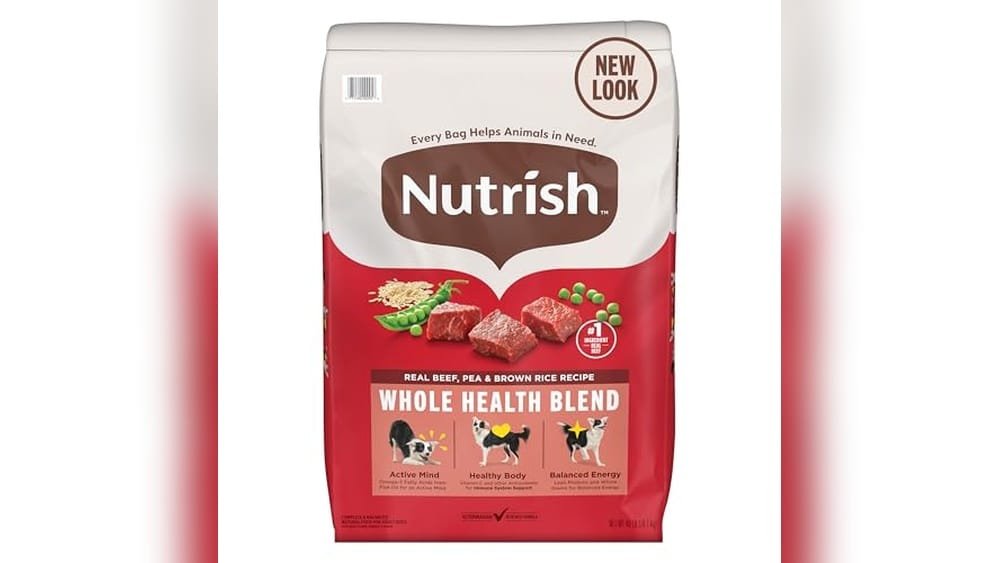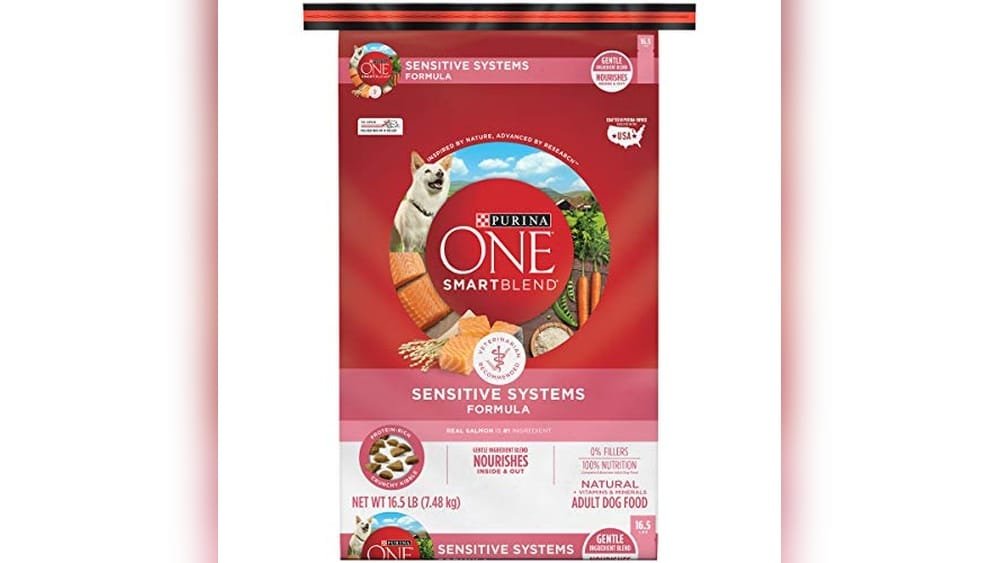
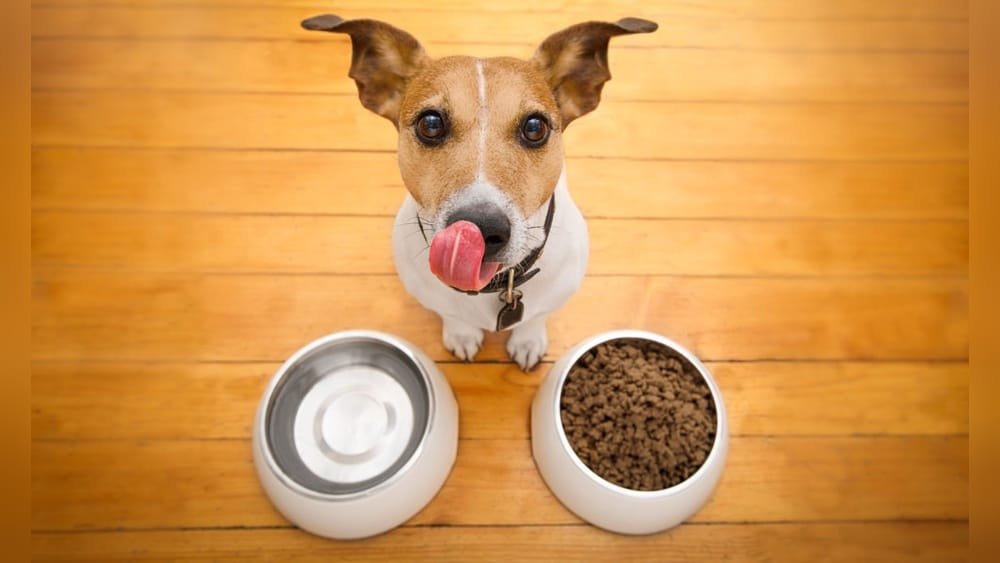
Choosing the best dry dog food for your pet can feel overwhelming. With so many brands, flavors, and ingredients on the shelves, even experienced dog owners sometimes feel lost. But picking the right food is one of the most important decisions you can make for your dog’s health, energy, and happiness.
The right dry dog food supports a shiny coat, strong muscles, and a long, healthy life.
If you are new to buying dog food or want to upgrade your current choice, this guide will help you understand what matters most. You’ll learn how to read labels, spot marketing tricks, and match food to your dog’s age, breed, and special needs.
By the end, you’ll feel confident choosing the best dry dog food for your loyal friend.
Why Dry Dog Food Is Popular
Dry dog food, also called kibble, is the most common type of dog food. There are good reasons for this. Dry food is easy to store and measure. It usually costs less than wet or raw food. Many dogs enjoy the crunchy texture, which can help clean their teeth.
Dry dog food also stays fresh for weeks after opening, compared to wet food that spoils faster.
But not all dry dog foods are equal. Some are made with high-quality ingredients, while others have fillers and low-nutrition content. That’s why choosing carefully is so important.
Understanding Your Dog’s Needs
Every dog is unique. The best dry dog food for one dog is not always the best for another. To start, think about your dog’s:
- Age (puppy, adult, senior)
- Size (small, medium, large)
- Breed and activity level
- Health conditions (allergies, sensitive stomach, medical issues)
For example, a small puppy and a large senior dog need different nutrients. Some breeds are more prone to allergies. Active dogs need more calories and protein. Knowing your dog’s profile helps you choose food that matches their needs.
Key Ingredients To Look For
The ingredient list gives you important clues about the food’s quality. Good dry dog food starts with real, whole ingredients.
1. Meat As The First Ingredient
The first ingredient should be a named animal protein, such as chicken, beef, or lamb. This means the food has a high meat content, which is essential for most dogs. Watch for vague terms like “meat meal” or “animal by-product” without a clear source. These are often lower quality.
2. Whole Grains Or Grain-free Options
Some dogs do well on foods with whole grains like brown rice or oats. Others need grain-free formulas, especially if they have allergies. Both types can be healthy if the grains or alternatives are high quality.
3. Healthy Fats
Look for healthy fats from sources like chicken fat or fish oil. These support a shiny coat and brain health. Avoid foods with only vegetable oils or unnamed animal fat.
4. Fruits And Vegetables
Ingredients such as sweet potatoes, carrots, and blueberries add natural vitamins, minerals, and antioxidants.
5. Vitamins And Minerals
Check for added nutrients like calcium, phosphorus, and vitamin E. These ensure your dog gets a balanced diet.
Example Of A Quality Ingredient List
Let’s compare two sample ingredient lists to see the difference:
| High-Quality Dog Food | Low-Quality Dog Food |
|---|---|
| Deboned chicken, chicken meal, brown rice, peas, chicken fat, sweet potatoes, carrots, blueberries, vitamins & minerals | Meat by-product, corn, wheat, animal fat, artificial color, preservatives |
Notice how the high-quality food lists real, specific ingredients, while the low-quality food uses vague or cheap fillers.
Reading The Guaranteed Analysis
Every dry dog food bag has a “guaranteed analysis.” This shows the percentages of key nutrients like protein, fat, and fiber. It helps you compare foods quickly.
Typical minimums for adult dogs:
- Protein: At least 18%
- Fat: At least 8%
- Fiber: Around 3-5%
Puppies and highly active dogs may need higher protein and fat. Senior or less active dogs may do better with lower fat.
Comparing Guaranteed Analysis
Here’s a quick look at two foods for active and less active dogs:
| Nutrient | Active Dog Food | Senior Dog Food |
|---|---|---|
| Protein | 28% | 20% |
| Fat | 16% | 10% |
| Fiber | 4% | 6% |
Higher protein and fat help active dogs build muscle and stay energetic. Extra fiber in senior formulas supports digestion.
Life Stages And Breed Sizes
Dog food is not “one size fits all. ” Good brands offer formulas for puppies, adults, and seniors. They may also make special foods for small, medium, or large breeds.
- Puppy food: More calories, protein, and nutrients for growth.
- Adult food: Balanced for maintenance and energy.
- Senior food: Fewer calories, extra joint support.
- Large breed formulas: Special calcium and phosphorus for bone health.
- Small breed formulas: Smaller kibble pieces, more calories per bite.
Special Diets: Allergies And Sensitivities
Some dogs have allergies or sensitive stomachs. Signs include itching, ear infections, diarrhea, or vomiting. If your dog has these problems, look for:
- Limited ingredient diets: Fewer ingredients to lower allergy risk.
- Novel proteins: Uncommon meats like duck or venison.
- Grain-free or gluten-free: For dogs sensitive to wheat or corn.
Remember, not all itchy dogs have food allergies. Always talk to your vet before changing diets for medical reasons.

Credit: www.houndsy.com
Common Fillers And Ingredients To Avoid
Some dry dog foods use cheap fillers or harmful additives. These may add bulk but give little nutrition.
- Corn, wheat, and soy: Used as cheap fillers, can cause allergies.
- Animal by-products: Low-quality protein sources.
- Artificial colors and flavors: No health value, possible allergens.
- BHA, BHT, ethoxyquin: Chemical preservatives linked to health risks.
A short, simple ingredient list is often best.
Price Vs. Quality: Does Expensive Mean Better?
Price is a major factor, but expensive food is not always better. Some high-priced foods have fancy packaging but average ingredients. Some affordable brands use real meat and whole grains.
How do you judge value? Look at the ingredient list, guaranteed analysis, and the company’s reputation.
Price Comparison Example
| Brand | Price per Pound | Main Protein | First 3 Ingredients |
|---|---|---|---|
| Brand A (Premium) | $3.50 | Chicken | Chicken, chicken meal, brown rice |
| Brand B (Mid-range) | $1.80 | Lamb | Lamb, rice, barley |
| Brand C (Budget) | $0.90 | Meat by-product | Meat by-product, corn, wheat |
Brand B offers good quality at a reasonable price, while Brand C uses cheaper ingredients. Brand A is high-quality but costs more.
How To Read Dog Food Labels
Dog food labels can be tricky. Brands often use marketing words like “premium” or “natural” with little meaning. What should you focus on?
- Ingredients list: Shows what’s inside, from most to least.
- AAFCO statement: Check for “complete and balanced.” This means the food meets basic nutrition standards.
- Guaranteed analysis: Compare protein, fat, and fiber.
- Feeding guidelines: Tells you how much to feed, but adjust for your dog’s needs.
- Calories per cup: Important if your dog needs to gain or lose weight.
Non-obvious Label Tip
If the food says “with chicken,” it only needs 3% chicken. “Chicken dog food” means more chicken inside. Watch for these wording tricks.
Popular Myths About Dry Dog Food
Many people believe myths about dog food. Let’s clear up some common ones.
- Myth 1: Grain-free is always best.
Grain-free is not needed for most dogs. Some grain-free foods use potatoes or peas, which are not always better.
- Myth 2: Raw is healthier than kibble.
Dry food is safe and balanced. Raw diets can be risky without careful planning.
- Myth 3: By-products are always bad.
Some by-products (like liver) are healthy, but they must be clearly named.
- Myth 4: You should never switch foods.
Dogs can eat a variety of foods, but always switch slowly to avoid stomach upset.
How To Transition To A New Dry Dog Food
When you find the best dry dog food, don’t change your dog’s diet overnight. Switching too fast can cause diarrhea or vomiting.
- Start with 75% old food and 25% new food for 2-3 days.
- Mix 50/50 for another 2-3 days.
- Mix 25% old and 75% new for 2-3 days.
- All new food after about a week.
Watch your dog for signs of upset stomach. If problems happen, slow down the switch.
Signs You Chose The Right Food
How do you know if your dry dog food is a good choice? Look for these positive signs:
- Shiny, healthy coat
- Bright eyes and clean ears
- Small, firm stools
- Good energy and playful attitude
- Steady weight
If you see vomiting, itching, or diarrhea, talk to your vet and consider changing foods.
Mistakes To Avoid When Choosing Dry Dog Food
Even caring owners make mistakes. Here are some to watch out for:
1. Buying Based On Tv Ads Or Packaging
The best-looking bag is not always the healthiest. Always check the label.
2. Choosing Only By Flavor
Dogs do not need fancy flavors. Focus on nutrition first.
3. Ignoring Your Dog’s Age And Size
Puppy, adult, and senior dogs have different needs.
4. Not Measuring Portions
Overfeeding leads to obesity and health problems. Use a measuring cup.
5. Skipping Vet Advice
Your vet knows your dog’s health. Always ask if you’re unsure.
When To Switch Your Dog’s Food
Sometimes you need to change your dog’s dry food. Good times to switch include:
- Moving from puppy to adult, or adult to senior food
- New allergies or health issues
- Changes in activity or weight
- Recalls or discontinued brands
Always switch slowly to protect your dog’s stomach.
Recognized Dry Dog Food Brands
While there are many brands to choose from, some have a strong reputation for safety and quality. Examples include:
- Wellness
- Orijen
- Blue Buffalo
- Hill’s Science Diet
- Royal Canin
- Purina Pro Plan
- Acana
- Nutro
These brands often test their food and publish research. But always check the specific formula, as not all lines are equal.
Understanding Dog Food Recalls
Dog food recalls happen when a food is found to be unsafe. This could be from contamination, bacteria, or missing nutrients. Recalls are rare but important.
Check the FDA’s pet food recall list every few months. If your food is recalled, stop feeding it right away and call your vet.
How To Store Dry Dog Food
Proper storage keeps your dog’s food fresh and safe.
- Store in a cool, dry place.
- Keep food in the original bag inside an airtight container.
- Close the bag tightly after each use.
- Use food within 6 weeks of opening.
Never store food in damp areas or in the sun.
Homemade Vs. Commercial Dry Dog Food
Some people want to make their own dog food. This is possible but needs careful planning to avoid missing nutrients. Most dogs do well on commercial dry food from a trusted brand.
Homemade diets can be unbalanced unless made with help from a vet. If you want to try, read more from reliable sources like the FDA Pet Food page.
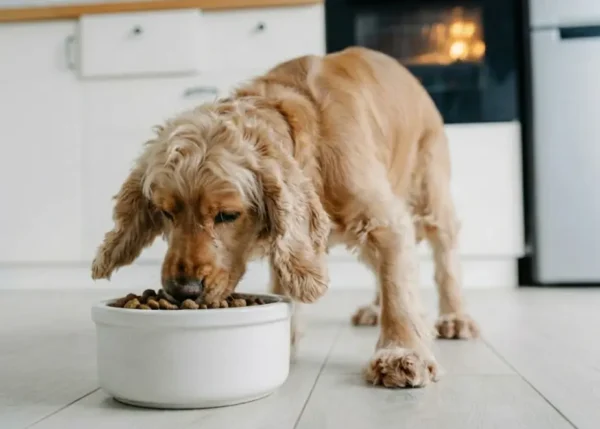
Credit: www.charmpetfood.com
The Role Of Your Veterinarian
Your vet is your best resource for advice. They know your dog’s medical history and can suggest the best food for special needs. Bring the dog food bag or a picture of the ingredient list to your next visit.
Environmental And Ethical Concerns
Some owners care about the environment and animal welfare. Look for foods with:
- Responsibly sourced meat and fish
- Eco-friendly packaging
- Brands that donate to animal charities
Research the company’s values before you buy.
Non-obvious Insights Most Beginners Miss
1. Kibble Shape And Size Matters
Small dogs may struggle with large kibble pieces, while large dogs need bigger kibble to chew safely. Always check the kibble size on the bag.
2. Digestibility Is Key
Two foods with the same protein percent can digest differently. If your dog’s stool is often loose or huge, the food may not be well digested. Try another brand or formula.
Frequently Asked Questions
What’s The Difference Between Grain-free And Regular Dry Dog Food?
Grain-free dry dog food replaces grains like wheat or corn with alternatives such as potatoes or legumes. Some dogs with allergies or sensitivities do better on grain-free, but most dogs can eat grains without problems. Grain-free is not automatically healthier, and recent studies link some grain-free diets to heart issues.
Always talk to your vet before switching.
How Much Dry Dog Food Should I Feed My Dog Each Day?
The amount depends on your dog’s age, weight, and activity level. Check the feeding guide on the bag, but use it as a starting point. Watch your dog’s body condition and adjust up or down as needed. Active dogs and puppies need more food, while seniors and less active dogs need less.
Can I Mix Dry Dog Food With Wet Food Or Other Foods?
Yes, mixing dry and wet foods is safe and can make meals more tasty for picky eaters. Just make sure the total daily calories match your dog’s needs. Some owners also add cooked vegetables or a little plain meat. Avoid spicy, salty, or fatty human foods.
How Can I Tell If My Dog Is Allergic To Their Dry Food?
Signs of a food allergy include itching, red skin, ear infections, vomiting, or diarrhea. These can also be caused by other problems, so see your vet to confirm. If a food allergy is likely, your vet may suggest an elimination diet to find the cause.
Is It Okay To Buy Dry Dog Food Online?
Buying dry dog food online is safe if you choose trusted stores. Make sure the food is in date, sealed, and stored properly. Check for recalls and reviews before buying a new brand. Delivery can be convenient, but always inspect the bag when it arrives.
Choosing the best dry dog food takes some research, but it is one of the most loving things you can do for your pet. Focus on high-quality ingredients, match the food to your dog’s needs, and don’t be fooled by marketing.
If you pay attention to the details and listen to your dog’s response, you’ll make a choice that supports a long, healthy, and happy life together.
Credit: www.supremesourcepet.com
We’re the dedicated team behind MyPawSafe.com, with over a decade of combined experience in veterinary care, pet emergency response, and animal behavior. While we prefer to let our work speak for itself, our mission is clear: to provide science-backed, vet-approved advice that helps pet owners prevent accidents and save lives.