Switching your dog’s dry food might seem like a simple task—just pour new kibble into the bowl and you’re done, right? In reality, changing your dog’s dry food is more complex and requires careful planning. Dogs have sensitive stomachs and digestive systems, and a sudden food switch can lead to stomach upset, diarrhea, or even refusal to eat.
Whether you’re changing brands, introducing a new formula, or addressing a health concern, knowing the right steps is critical for your dog’s well-being. This guide explains everything you need to know about how to switch dry dog food safely, comfortably, and successfully.
Why Switch Dry Dog Food?
There are many reasons dog owners decide to change their pet’s food. Sometimes, it’s due to a vet’s recommendation, a recall, or a dog’s allergies. Other times, it’s about moving to a more nutritious or budget-friendly option.
Common reasons include:
- Health issues: Allergies, obesity, diabetes, or sensitive stomachs can require a new food formula.
- Life stage changes: Puppies, adults, and seniors need different nutrients.
- Taste preferences: Some dogs lose interest in their food.
- Ingredient improvements: Switching to grain-free, high-protein, or special diets.
- Price or availability: Your old brand isn’t available, or you found a better value.
No matter the reason, the process matters more than the reason. Dogs need time to adjust to new food, and owners must watch for signs of trouble during the transition.
Understanding Dog Digestion And Food Sensitivity
Dogs have unique digestive systems. Unlike humans, their gut bacteria adapt slowly to new foods. Dry kibble formulas differ in protein, fat, fiber, and ingredient types. Switching suddenly can shock their system.
Key facts about dog digestion:
- Average digestion time is 8–12 hours for dry food.
- Stomach sensitivity varies by breed, age, and health.
- Puppies and senior dogs are more prone to food reactions.
- Changes in stool, vomiting, or loss of appetite may mean the switch is too fast.
Many owners overlook the importance of gut adaptation. A slow transition allows your dog’s body to build the right enzymes and bacteria for the new food.
Credit: www.petco.com
When Is The Best Time To Switch?
Timing is important. Avoid switching during stressful periods such as:
- Moving homes
- Boarding or travel
- Sickness or recovery from surgery
- During heatwaves or cold snaps
The best time is when your dog is healthy, routines are stable, and you can monitor their eating and bathroom habits closely. If a vet has prescribed an immediate switch for medical reasons, follow their instructions even if it’s not an “ideal” time.
Preparing For The Switch
Before you start, gather the following:
- A supply of the old dry food
- The new dry dog food (enough for at least 1–2 weeks)
- Measuring cups for accuracy
- Notebook or phone app to track your dog’s reaction
Read both food labels. Check protein, fat, and fiber levels. Compare the top ingredients to anticipate changes in taste or digestibility.
Here’s a simple comparison table to help you check the main differences between your old and new dry food:
| Nutrient | Old Food | New Food |
|---|---|---|
| Protein (%) | 22 | 26 |
| Fat (%) | 12 | 14 |
| Fiber (%) | 3.5 | 4.0 |
| Main Protein Source | Chicken | Lamb |
| Grain-Free | No | Yes |
This comparison gives you a quick look at the differences that could impact your dog’s digestive comfort.
The Gradual Transition Method
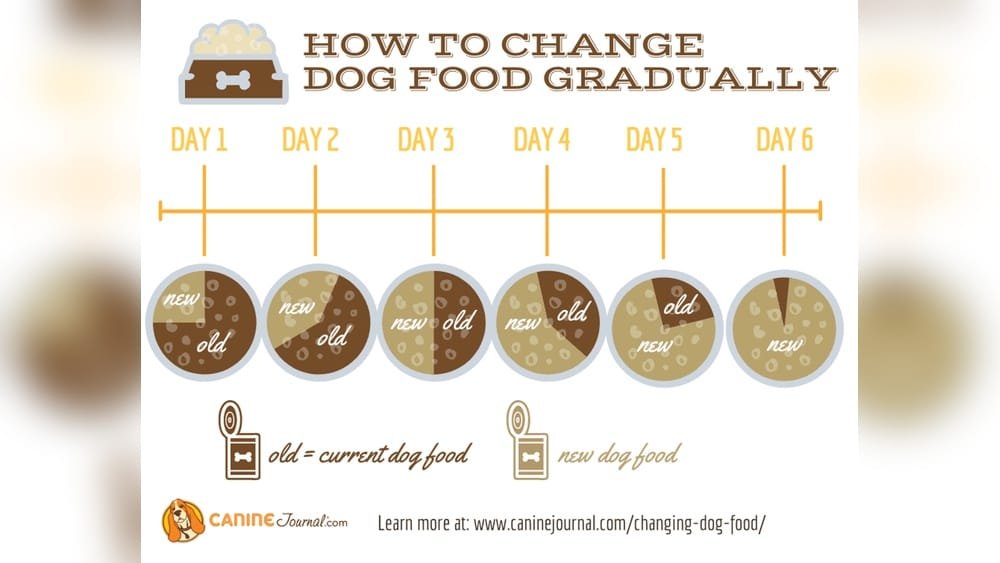
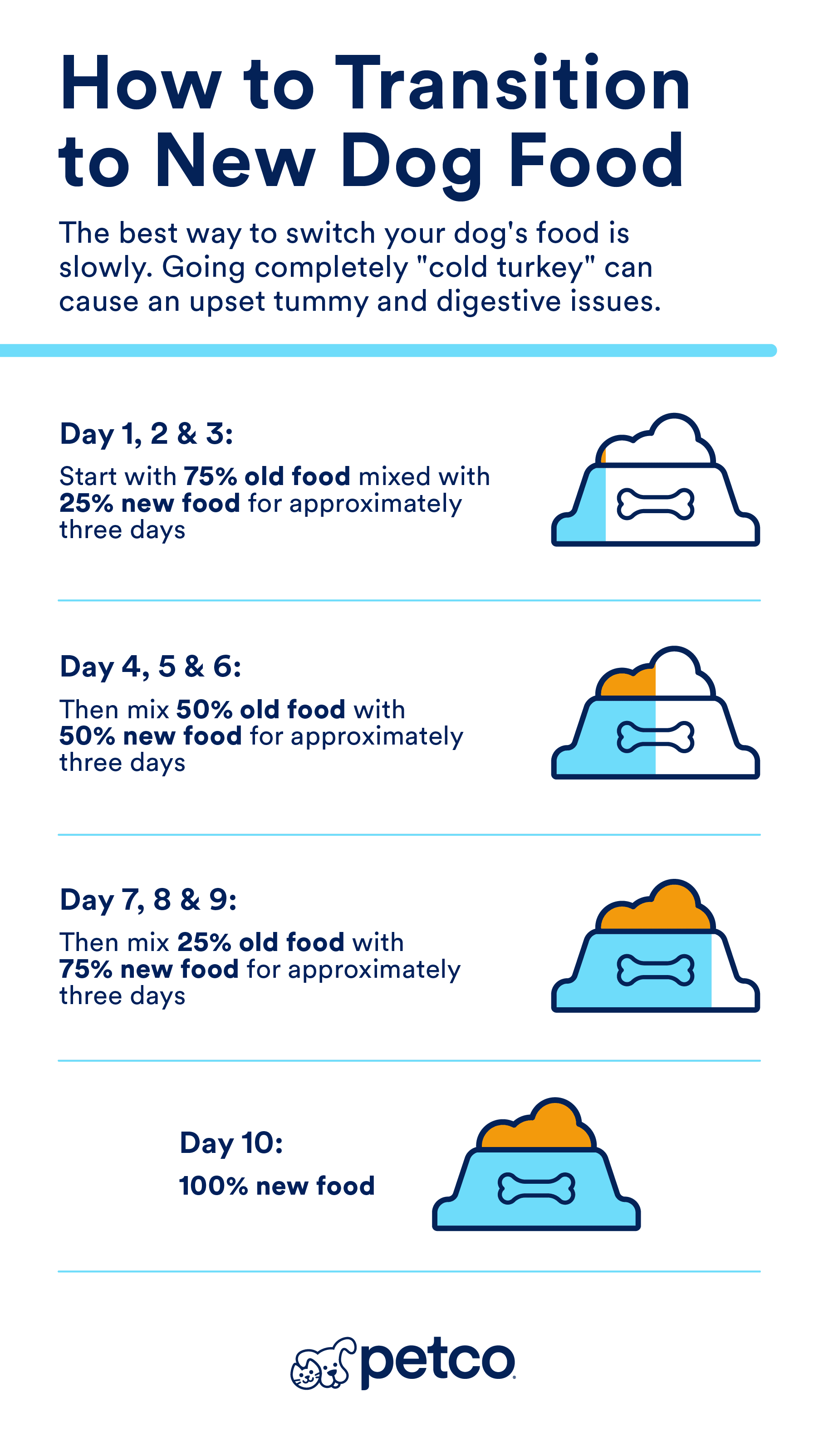
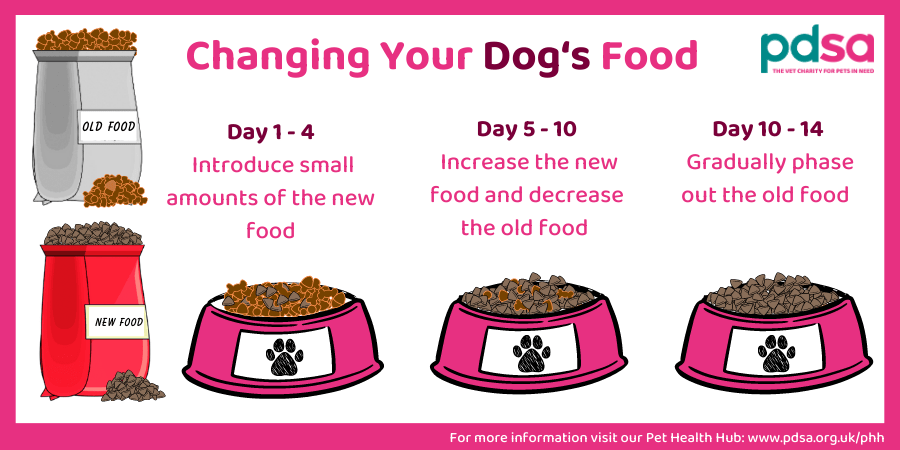
The safest way to switch dry dog food is through a gradual transition. This method mixes the old and new food over several days. It allows your dog’s digestive system to adjust slowly.
Standard 7-day Transition Plan
Most veterinarians recommend a 7-day plan:
- Days 1–2: 75% old food, 25% new food
- Days 3–4: 50% old food, 50% new food
- Days 5–6: 25% old food, 75% new food
- Day 7 and beyond: 100% new food
Here’s a table showing how to mix portions for a dog eating 2 cups per day:
| Day | Old Food (cups) | New Food (cups) |
|---|---|---|
| 1–2 | 1.5 | 0.5 |
| 3–4 | 1.0 | 1.0 |
| 5–6 | 0.5 | 1.5 |
| 7+ | 0 | 2.0 |
This mixing method helps your dog’s body adapt without shock.
When To Take It Slower
Some dogs need a slower switch. If your dog is:
- Senior or puppy
- Has a sensitive stomach
- Prone to allergies
- Recovering from illness
Extend each phase to 3–4 days or longer. Watch for signs of digestive stress and adjust as needed.
Monitoring Your Dog During The Switch
Careful observation is key. Keep a daily record of:
- Appetite and enthusiasm for food
- Stool consistency (firm, soft, or loose)
- Vomiting or gas
- Energy levels
If you notice mild diarrhea or soft stool, pause at your current mix for a few days before moving forward. If symptoms worsen or last more than 2–3 days, consult your veterinarian.
Many owners miss subtle changes—such as less tail wagging at mealtime or slightly softer stools. These small signs can warn you to slow down.
Handling Common Problems
Diarrhea Or Loose Stools
This is the most common issue. It happens when the gut isn’t ready for the new formula. Slow the transition, add a bit more old food, and consider a probiotic supplement (ask your vet first). Extra water intake is important to prevent dehydration.
Refusal To Eat
Dogs can be picky. If your dog refuses the new mix, try:
- Warming the food slightly
- Adding a tablespoon of wet food or low-sodium broth
- Feeding smaller, more frequent meals
Never force your dog to eat. Pushing too hard can create food aversion.
Vomiting
Occasional mild vomiting can be a sign of sensitivity. Return to the old food for 2–3 days, then restart the switch even more slowly. Persistent vomiting needs a vet’s attention.
Itching Or Allergy Symptoms
Some food changes reveal allergies—itchy skin, ear infections, or excessive licking. If symptoms appear, stop the new food and consult your vet about hypoallergenic options.
Tips For A Smooth Transition
- Stick to a routine: Feed at the same times each day.
- Measure carefully: Use the same cup or scale each time.
- Keep extra water available: New foods can make dogs thirstier.
- Limit treats: Too many extras can upset the stomach during a switch.
- Clean bowls daily: Prevents bacteria that could confuse the cause of tummy troubles.
- Stay patient: Some dogs need two weeks or longer to adapt.
A common mistake is mixing in “human” foods to encourage eating. This can confuse the transition and may create new digestive issues.
Credit: www.bibliotecaoscura.com
Special Situations
Puppies
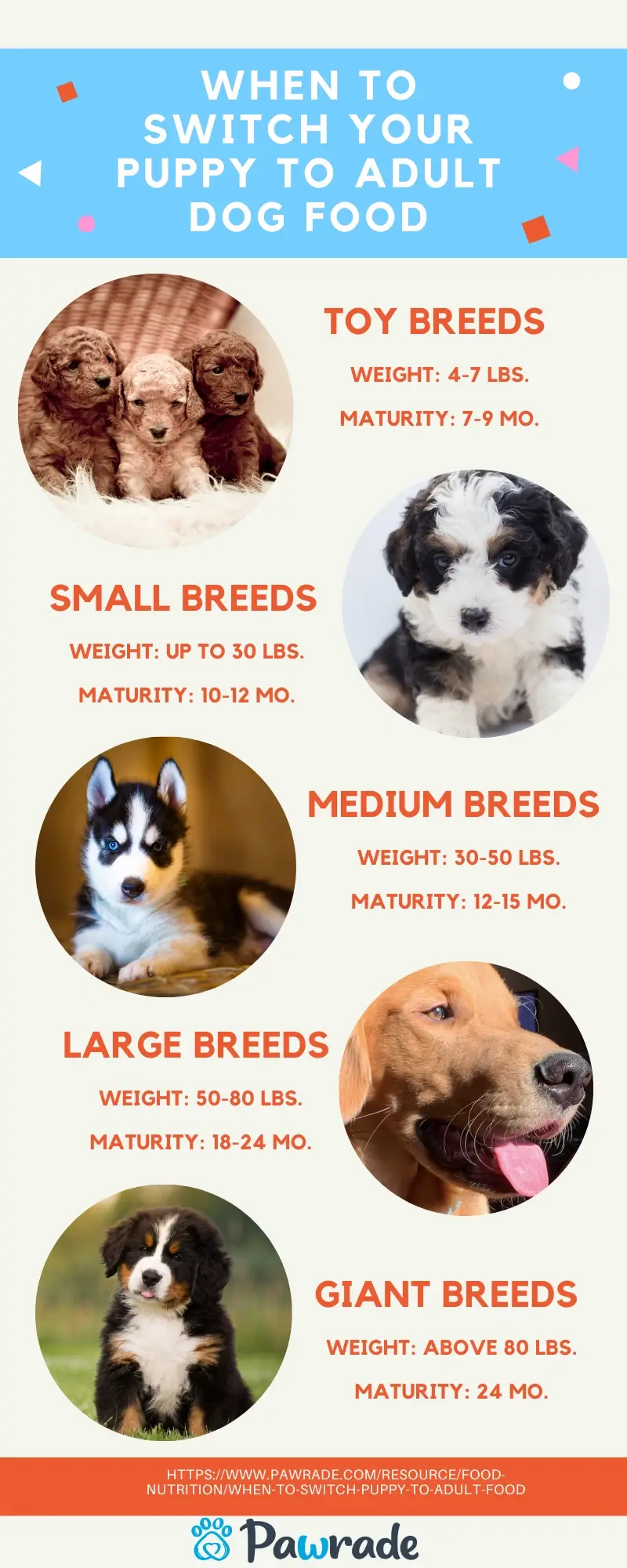
Puppies need extra care due to their rapid growth and sensitive digestion. Only switch foods when moving from “puppy” to “adult” formulas—usually around 12 months, depending on breed size. Always consult your vet before switching a puppy’s food.
Senior Dogs
Older dogs often have slower digestion and may react more strongly to changes. Choose senior-specific formulas and transition even more gradually. Watch for arthritis pain, which can reduce appetite and complicate the switch.
Dogs With Medical Conditions
For dogs with kidney disease, diabetes, or allergies, only switch foods under veterinary guidance. Prescription diets must be handled very carefully, sometimes with immediate changes that require close monitoring.
Switching After Illness
If your dog has been sick, wait until they’re fully recovered before changing food. Their gut needs time to heal. If you must switch during or after illness, ask your vet about adding plain boiled chicken or white rice for a few days to help the gut adjust.
Mistakes To Avoid
Many owners make errors during the switch. Here are some of the most common:
- Changing too quickly: Skipping the gradual mix and switching overnight.
- Not monitoring reactions: Missing signs like lethargy or subtle changes in stool.
- Feeding expired or stale food: Always check dates and store food in a sealed container.
- Ignoring water intake: Dehydration makes digestion harder.
- Switching multiple foods at once: Only change one thing—don’t swap treats, wet food, or supplements at the same time.
- Not consulting a vet: Especially with puppies, seniors, or dogs with health issues.
Paying attention to these details can prevent weeks of stomach upset and stress for both you and your dog.
How Food Quality And Ingredients Affect Switching
Not all dry dog foods are the same. Higher-quality foods often contain more digestible proteins and fewer fillers, making transitions easier. Cheaper foods can have corn, soy, or artificial colors that upset sensitive stomachs.
Look for:
- Named meat sources (chicken, lamb, beef) as the first ingredient
- Whole grains like brown rice or oats
- No artificial preservatives or colors
Switching to a food with more fiber or fat can cause loose stool at first. This is normal but should improve within a week.
The Role Of Probiotics And Supplements
Adding a probiotic supplement during the switch can help balance gut bacteria. Some dry foods now contain added probiotics. Discuss with your vet before adding any supplements, as not all are suitable for every dog.
Digestive enzymes, pumpkin puree (plain, no sugar), or a spoonful of plain yogurt can sometimes ease the transition, but always introduce these one at a time.
Recognizing A Successful Switch
You’ll know the transition is complete when:
- Your dog eats the new food eagerly
- Stools are firm and regular
- Energy and mood remain stable or improve
- Skin and coat look healthy
The whole process, from planning to completion, often takes 7–14 days. For especially sensitive dogs, a full month is not unusual.
What To Do If The Switch Fails
Sometimes, even with careful planning, your dog can’t tolerate the new food. Signs of failure include:
- Ongoing vomiting or diarrhea past 7 days
- Loss of appetite for more than 48 hours
- Skin problems or itching that don’t improve
In these cases, stop the new food and return to the old brand. Call your veterinarian to discuss alternatives or consider a different formula.
How To Read Dog Food Labels
Many owners struggle with confusing labels. Key details to check:
- AAFCO statement: Ensures food meets basic nutrition standards.
- Main protein source: Should be a named animal, not “meat by-product.”
- Guaranteed analysis: Compare protein, fat, and fiber percentages.
- Ingredient order: Ingredients are listed by weight; the first five matter most.
Understanding these basics helps you pick the right food and avoid future switches.
Cost Considerations When Switching
Higher-quality food can cost more, but often you need to feed less due to better nutrition. Here’s an example cost comparison:
| Brand | Bag Size (lbs) | Cost per Bag ($) | Daily Feeding (cups) | Cost per Day ($) |
|---|---|---|---|---|
| Budget Brand | 30 | 35 | 2.5 | 0.88 |
| Premium Brand | 28 | 55 | 1.8 | 1.05 |
Premium foods often last longer and can reduce vet bills due to better health. Don’t just look at the bag price—consider feeding amounts and your dog’s needs.
Real-world Example: Switching For Food Allergies
Let’s say your dog has developed itchy skin and your vet suspects a chicken allergy. You choose a salmon-based dry food. Using the gradual switch, you notice mild soft stools on day 3. You pause at 50/50 for three days.
The itching decreases, and stools firm up by day 10. Within two weeks, your dog is fully switched, and both skin and digestion improve. This careful approach prevents setbacks and helps your dog adapt comfortably.
Involving Your Veterinarian
Your veterinarian should always be part of major diet changes, especially if your dog has:
- Chronic health problems
- Allergies
- Poor appetite or weight loss
Vets can recommend the best formulas, suggest supplements, and help you monitor progress. If you ever see blood in stool, severe vomiting, or rapid weight loss, call your vet immediately.
For more details on safe dog food switching and digestive health, check the guidance from the American Kennel Club.
Credit: www.pdsa.org.uk
Frequently Asked Questions
How Long Does It Take For A Dog To Adjust To New Dry Food?
Most dogs adjust in 7–14 days with a gradual transition. Sensitive dogs or those with health issues may need up to a month. Watch for firm stools and normal appetite to confirm the switch is complete.
Can I Switch My Dog’s Food Without Mixing?
It’s not recommended unless your vet tells you to do so for a medical reason. Sudden switches often cause diarrhea, vomiting, or refusal to eat. Mixing is safer for your dog’s digestive health.
What Signs Mean The New Food Isn’t Right For My Dog?
Watch for persistent diarrhea, vomiting, itching, hair loss, or refusing to eat. These signs mean the food may not suit your dog. Stop the new food and call your vet if these symptoms last more than 2–3 days.
Is It Okay To Switch Between Dry And Wet Food?
Switching between dry and wet food is possible, but it also needs a gradual change. The different moisture and fat content can upset digestion if changed suddenly. Always introduce new types slowly, just like with dry food.
Should I Add Anything To Help My Dog’s Digestion During The Switch?
Some dogs benefit from probiotics or a spoonful of plain pumpkin or yogurt. However, only add one thing at a time to avoid confusion. Always ask your vet before introducing supplements.
Switching your dog’s dry food is a process that requires patience, observation, and the right information. By understanding your dog’s needs, planning carefully, and following a gradual transition plan, you can help your pet enjoy their new food safely. The extra effort pays off in better health, happier mealtimes, and a stronger bond with your dog.
We’re the dedicated team behind MyPawSafe.com, with over a decade of combined experience in veterinary care, pet emergency response, and animal behavior. While we prefer to let our work speak for itself, our mission is clear: to provide science-backed, vet-approved advice that helps pet owners prevent accidents and save lives.