Is Grain Free Dry Dog Food Better?
Choosing the right food for your dog can be confusing. Walk into any pet store, and you’ll see bags labeled “grain free” stacked next to regular kibble. Some pet owners swear that grain free dry dog food is the best option for every dog.
Others say it is just a marketing trend. So, is grain free dry dog food actually better? Or is it just hype?
Let’s take a deep look at what grain free dog food really means, what the science says, and how it could affect your furry friend’s health. You’ll discover the truths most owners miss, plus practical advice to make the right choice for your dog.
What Does “grain Free” Mean In Dog Food?
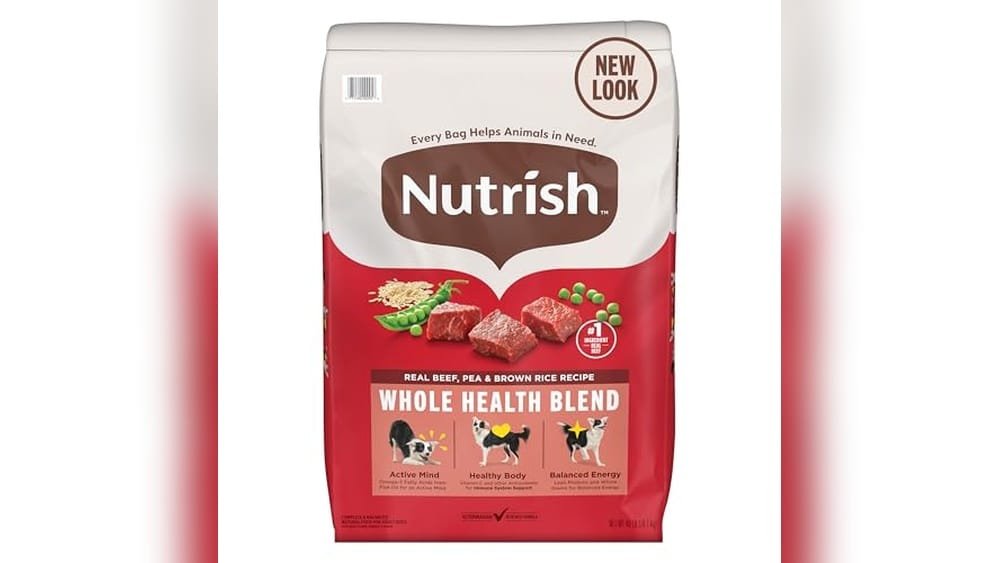
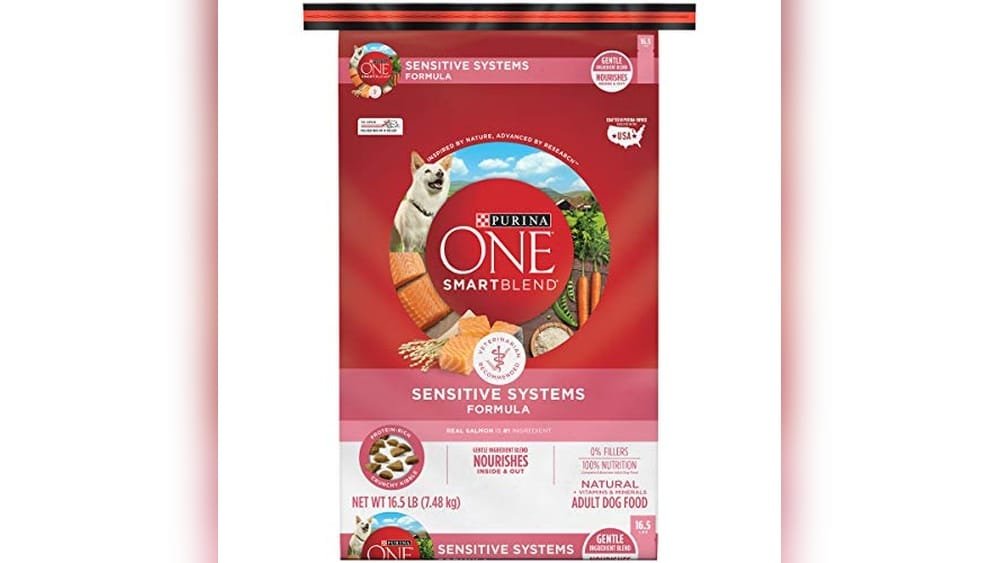
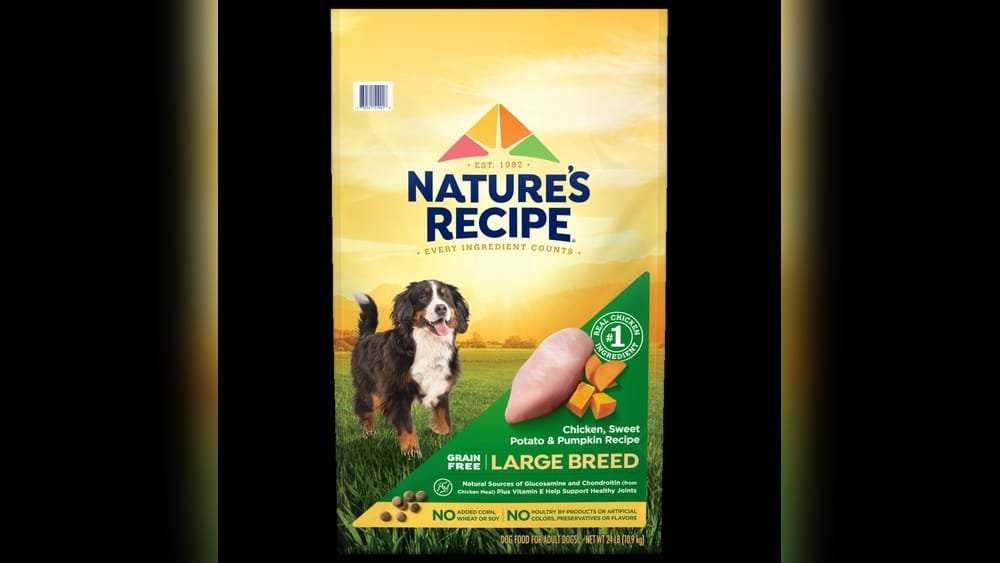
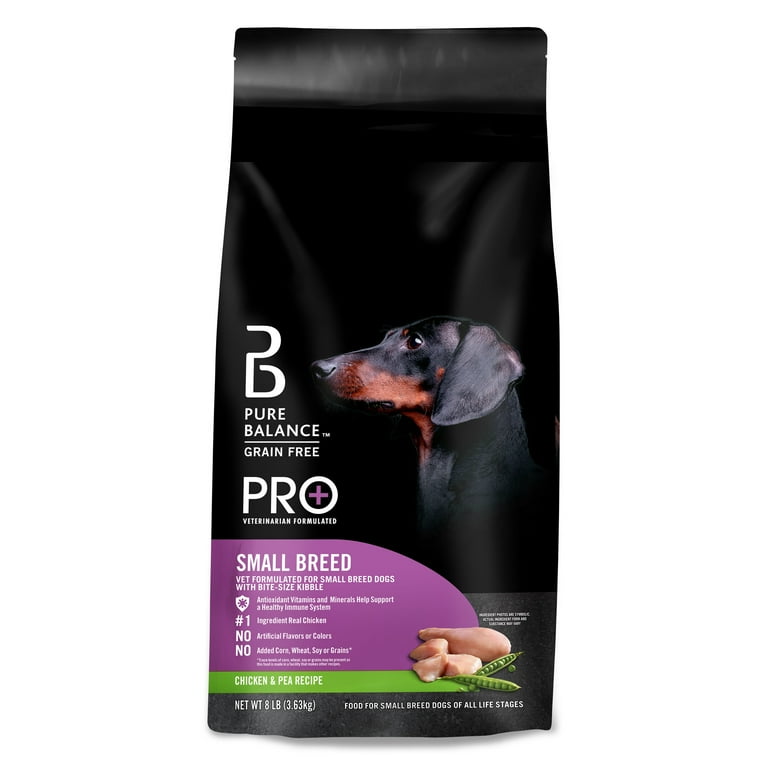
“Grain free” sounds simple, but it’s important to understand what you’re really buying. Grain free dry dog food is made without grains like wheat, corn, rice, barley, or oats. Instead, these foods use other ingredients such as potatoes, peas, lentils, or chickpeas to provide carbohydrates and hold the kibble together.
But “grain free” does not mean “carbohydrate free. ” Many grain free foods still have a high amount of carbs—just from different sources. This surprises many owners who think grain free means low carb.
Why Did Grain Free Dog Food Become Popular?
The grain free trend started for a few reasons:
- Human health trends: As gluten free and paleo diets grew popular with people, pet food companies followed the trend.
- Belief in ancestral diets: Some say dogs should eat more like wolves, who do not eat grains in the wild.
- Concerns about allergies: Many owners believe grains cause allergies or digestive problems in dogs.
Marketing also plays a role. Grain free food is often sold as “premium” or “healthier,” making it attractive even if the science is unclear.
Credit: www.walmart.com
Ingredients: Grain Free Vs Regular Dog Food
How do grain free and grain-inclusive dry dog foods really differ? Here’s a comparison:
| Grain Free Dog Food | Regular Dog Food |
|---|---|
| Uses potatoes, peas, lentils, chickpeas, tapioca for carbs | Uses rice, corn, wheat, barley, oats as carb sources |
| Often higher in protein and fat (but not always) | Can be higher in carbs, lower in protein/fat |
| No wheat, corn, rice, or other grains | Contains one or more grains |
| May use more legumes (peas, beans) | Usually lower in legumes |
Most grain free foods replace grains with ingredients that act similarly. The main difference is the type of carbohydrate rather than the amount.
Are Grains Bad For Dogs?
Many people think grains are harmful for dogs, but is that true?
Dogs And Digestion
Dogs are not wolves. Over thousands of years, dogs have developed the ability to digest grains and starches much better than their wild ancestors. Their bodies make more of the enzymes needed to break down these foods.
Common Myths About Grains
1. Grains cause allergies.
This is one of the most common beliefs. But research shows that food allergies in dogs are rare (only about 1% of all allergies), and when they do occur, they are usually caused by beef, dairy, or chicken—not grains.
2. Grains are just fillers.
While some low-quality foods use cheap grains as fillers, many grains are actually good sources of fiber, vitamins, and minerals. Whole grains like brown rice and oats offer nutrition, not just empty calories.
3. Grain free is always healthier.
Just removing grains does not make a food healthy. The replacement ingredients can be just as high in starch or even less nutritious.
Pros Of Grain Free Dry Dog Food
Grain free dog foods do have some benefits for certain dogs and situations:
1. Allergy Management
If your dog has a true grain allergy or sensitivity (confirmed by your vet), grain free food can help. Symptoms of food allergies can include itchy skin, ear infections, or digestive upset. However, such allergies are rare.
2. Variety For Dogs With Special Needs
Some dogs have special dietary needs due to health problems. For example, a dog with inflammatory bowel disease or chronic diarrhea may do better on a food with fewer ingredients, which sometimes means avoiding grains.
3. Taste And Palatability
Many grain free foods are higher in meat content or use different fats and flavors, which some dogs prefer. Picky eaters may find grain free more appealing.
4. Specific Breeds Or Cases
A few breeds (like some Irish Setters) have genetic problems with digesting certain grains. In these rare cases, grain free food is necessary.
Cons Of Grain Free Dry Dog Food
While grain free diets can help in special cases, there are also risks and downsides:
1. Possible Heart Health Risks
In 2018, the U.S. Food and Drug Administration (FDA) began investigating a possible link between grain free foods (especially those high in peas, lentils, and potatoes) and a type of heart disease called canine dilated cardiomyopathy (DCM). Some dogs eating these diets developed heart problems.
The research is not finished, and the issue is complex. But it raises a big question: are grain free diets always safe for every dog?
2. Higher Cost
Grain free foods are often more expensive than regular kibble. You may pay 20–50% more per bag, even when the nutrition is similar.
3. Not Always Better Nutrition
Some grain free foods use potato starch or pea flour as main ingredients, which are not always more nutritious than grains. Just because the food is grain free doesn’t mean it’s higher quality.
4. May Cause Digestive Issues
Switching to grain free food can cause loose stools or stomach upset in some dogs, especially if the food is high in certain fibers or starches.
5. Risk Of Imbalanced Diets
Some grain free foods are not balanced properly for long-term health. If they lack the right vitamins, minerals, or amino acids, your dog could develop health problems over time.
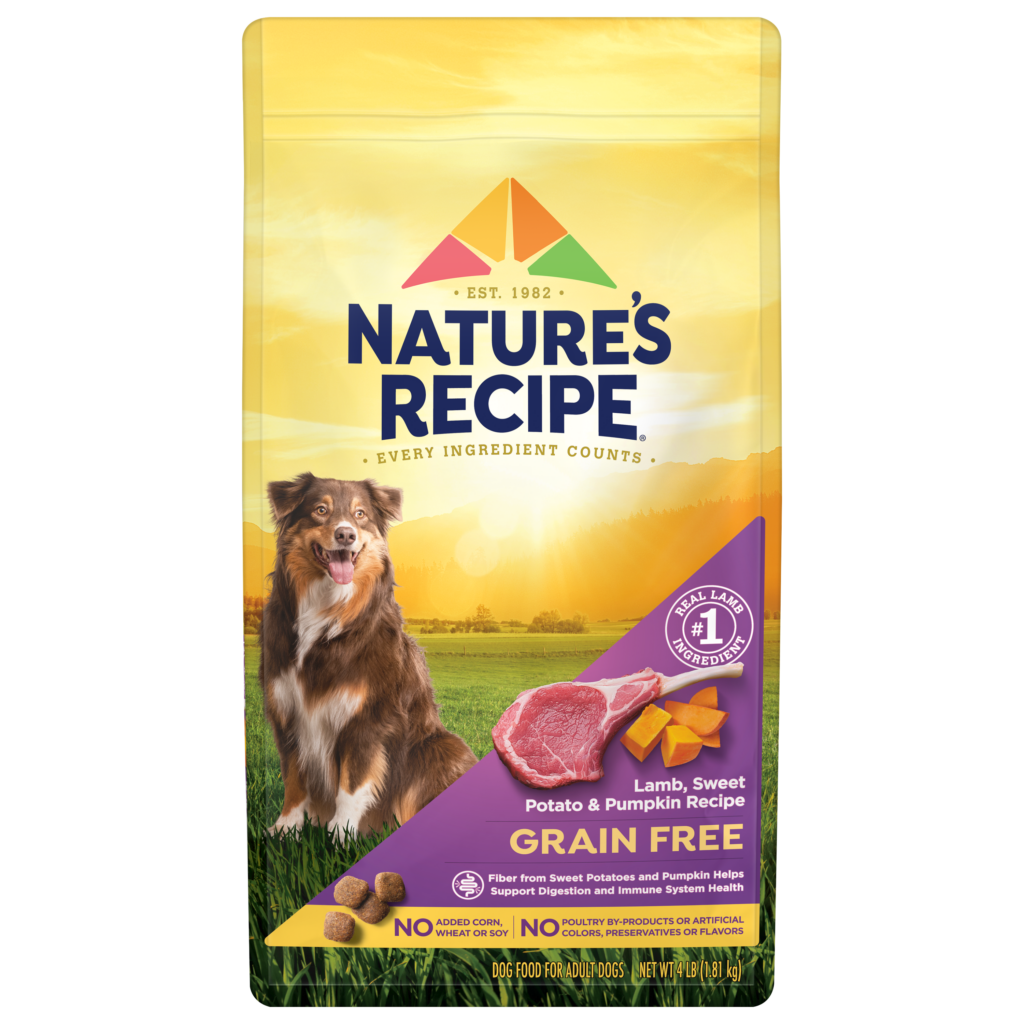
Credit: www.naturesrecipe.com
Heart Disease And Grain Free Foods: The Dcm Concern
One of the biggest reasons for concern is the link between grain free diets and dilated cardiomyopathy (DCM). DCM is a serious heart disease that can lead to heart failure.
What Is Dcm?
DCM causes the heart muscle to become thin and weak, making it harder to pump blood. Some breeds (like Dobermans and Boxers) are more likely to get DCM due to genetics. But starting in 2018, vets noticed more cases of DCM in breeds not usually affected.
What Did The Fda Find?
The FDA reported that many of these dogs were eating grain free foods, especially those with peas, lentils, or potatoes in the top ingredients.
While a clear cause has not been proven, the FDA recommends caution when feeding grain free diets, especially those heavy in legumes.
Theories Behind The Problem
Some scientists think that high levels of peas and legumes could lower the body’s ability to use taurine, an amino acid important for heart health. Others suggest that the way these foods are processed may play a role.
What Should Dog Owners Do?
If your dog is not allergic to grains and is healthy on their current food, there is no proven reason to switch to grain free. If you do use grain free food, check with your vet, especially for breeds at risk of heart problems.
Comparing Popular Grain Free And Regular Dog Foods
To make it clearer, let’s compare some typical ingredients and nutrition profiles:
| Feature | Grain Free Dry Food (Example) | Regular Dry Food (Example) |
|---|---|---|
| Main protein | Chicken meal | Chicken meal |
| Main carbs | Pea starch, potatoes, lentils | Brown rice, barley, corn |
| Crude protein | 26% | 24% |
| Fat | 14% | 12% |
| Fiber | 4.5% | 3.5% |
| Calories per cup | 380 kcal | 350 kcal |
| Top ingredients | Chicken meal, peas, lentils, chicken fat, tapioca | Chicken meal, brown rice, barley, chicken fat, corn gluten meal |
Notice that the differences are not always dramatic. Both types can provide complete nutrition if well-formulated.
How To Decide: Is Grain Free Food Better For Your Dog?
The simple answer is: it depends on your dog.
When Grain Free Might Be Better
- Your dog has a vet-confirmed grain allergy (rare).
- Your dog has a special medical issue that improves on grain free (as advised by your vet).
- Your dog does poorly on regular foods and improves on a grain free formula.
When Regular Dog Food Is Just Fine
- Your dog is healthy, with no food allergies.
- You want to avoid the higher price of grain free.
- You’re concerned about the DCM heart disease risk.
What Matters Most In Dog Food
No matter which you choose, quality ingredients and proper balance are more important than just “grain free” or “grain inclusive.” Look for:
- Real meat as the first ingredient
- Complete and balanced nutrition (look for AAFCO statement)
- No unnecessary fillers or artificial colors
- Trusted brand with good safety record
Common Mistakes When Choosing Grain Free Dog Food
Many owners switch to grain free food without understanding the real reasons. Here are mistakes to avoid:
1. Switching For The Wrong Reasons
Don’t change just because of marketing or because you think all grains are bad. Most dogs digest grains well.
2. Not Consulting Your Vet
Sudden diet changes or using grain free foods for medical problems should always be discussed with a vet. They can help you decide what’s best for your dog’s individual needs.
3. Ignoring The Ingredient List
Just because a food is grain free doesn’t mean it’s high quality. Always read the ingredient list and check for real meat, healthy fats, and natural sources of vitamins and minerals.
4. Believing Grain Free Means Low Carb
Many grain free foods use potatoes or peas as the main ingredient, which can be just as high in carbs as grains.
5. Not Monitoring Your Dog’s Health
Always watch for any changes in your dog’s coat, energy, stool, or appetite when switching foods. If you see problems, talk to your vet.
How To Safely Switch To Grain Free Or Regular Dog Food
Changing your dog’s food should be done carefully to avoid digestive upset. Here’s how:
- Start slowly: Mix a small amount of the new food with the old food.
- Increase gradually: Over 7–10 days, slowly increase the new food and decrease the old.
- Watch for reactions: Look for signs of stomach upset, like vomiting or diarrhea.
- Keep portions steady: Don’t overfeed just because the new food looks different.
Dogs can be sensitive to changes, especially if the new food is higher in fat, protein, or fiber.
Real-life Examples: Dogs Who Need Grain Free Food
While most dogs do well on regular diets, here are some situations where grain free is helpful:
- Case 1: A young Labrador with itchy skin and ear infections. After allergy testing, the vet confirms a rare wheat allergy. Switching to a grain free food clears up symptoms.
- Case 2: An older mixed-breed with chronic diarrhea on grain-based foods. A limited-ingredient grain free diet helps the dog’s digestion.
- Case 3: A rare breed with a genetic problem digesting gluten. Grain free, gluten free food keeps the dog healthy.
But in these examples, a vet’s diagnosis is key. Self-diagnosing food allergies can lead to unnecessary changes.
The Role Of Whole Grains In Dog Nutrition
Not all grains are created equal. Whole grains (like brown rice, oats, and barley) are healthier than highly processed grains. They provide:
- Fiber for healthy digestion
- B vitamins for energy
- Antioxidants for immune support
A food with whole grains can be just as nutritious as a grain free option, sometimes even better.
Reading Labels: What To Look For
Whether you choose grain free or grain-inclusive food, label reading is important. Here’s what to check:
- First ingredient: Should be a real animal protein (chicken, lamb, fish).
- AAFCO statement: Shows food is complete and balanced.
- Carbohydrate sources: If grain free, look for sweet potatoes, chickpeas, or peas—not just potato starch.
- No artificial colors or preservatives: Avoid BHA, BHT, or artificial dyes.
- Company reputation: Buy from brands with good safety records and transparent sourcing.

Credit: headsupfortails.com
Grain Free Diets For Puppies, Seniors, And Special Cases
Puppies
Puppies need more protein, fat, and calories than adults. Some grain free foods are too high in protein for young puppies or have imbalanced calcium. Always check the label for “puppy” or “all life stages. ”
Senior Dogs
Older dogs may benefit from easily digestible grains for energy. Grain free diets are not automatically better for seniors unless there is a medical need.
Dogs With Health Problems
Dogs with diabetes, kidney disease, or heart conditions need special diets—sometimes grain free, sometimes not. Always work with your vet.
Grain Free Vs Grain-inclusive: Myth Busting
Let’s clear up some common myths:
- Myth: Grain free dog food is always higher in protein.
- Fact: Not always. Some grain free foods use plant proteins or are still high in carbs.
- Myth: Dogs can’t digest grains.
- Fact: Most dogs digest grains well, especially cooked grains.
- Myth: All grains are just cheap fillers.
- Fact: Whole grains offer nutrients and fiber.
- Myth: Grain free food prevents all allergies.
- Fact: Most dog allergies are to animal proteins, not grains.
Questions To Ask Before Choosing Grain Free Dog Food
- Has my dog been tested for food allergies by a vet?
- Does my dog have symptoms that could be linked to grains (skin, ears, digestion)?
- Is the grain free food from a trusted brand with a good track record?
- Does my vet support this choice for my dog’s health?
How To Find Reliable Information
The pet food world is full of marketing. For honest, science-based advice, talk to your veterinarian or a veterinary nutritionist. Trusted sources like the FDA can also help you make an informed decision.
Key Takeaways For Dog Owners
- Grain free dry dog food is not always better—it depends on your dog’s needs.
- Most dogs do well on regular, balanced foods with or without grains.
- Grain allergies are rare; protein allergies are much more common.
- The link between grain free food and heart disease is still being studied.
- Always talk to your vet before making big changes to your dog’s diet.
Frequently Asked Questions
Is Grain Free Dog Food Better For All Dogs?
No. Grain free food is only better for dogs with a confirmed grain allergy or special medical need. Most dogs do well on regular, balanced food with grains.
Do Grains Cause Allergies In Dogs?
True grain allergies are very rare. Most dog food allergies are caused by animal proteins like beef or chicken.
Is Grain Free Dog Food Low In Carbohydrates?
Not always. Many grain free foods use potatoes or peas as main ingredients, which can be just as high in carbs as grains.
Can Grain Free Dog Food Cause Heart Problems?
Some studies suggest a possible link between grain free diets and a heart disease called DCM, especially foods with lots of peas or lentils. The science is still ongoing. Always check with your vet.
Should I Switch My Dog To Grain Free Food?
Only switch if your vet recommends it for a medical reason. For most dogs, regular food with grains is safe and healthy.
Choosing the best food for your dog is a big decision. Focus on quality, balance, and your dog’s unique needs—not just marketing labels. When in doubt, your veterinarian is the best guide for your dog’s long-term health and happiness.

We’re the dedicated team behind MyPawSafe.com, with over a decade of combined experience in veterinary care, pet emergency response, and animal behavior. While we prefer to let our work speak for itself, our mission is clear: to provide science-backed, vet-approved advice that helps pet owners prevent accidents and save lives.