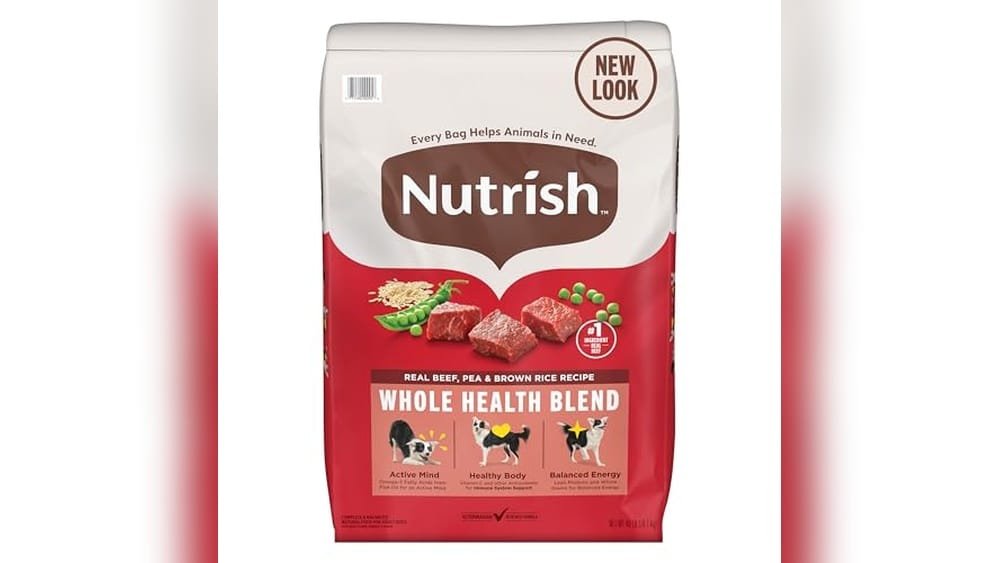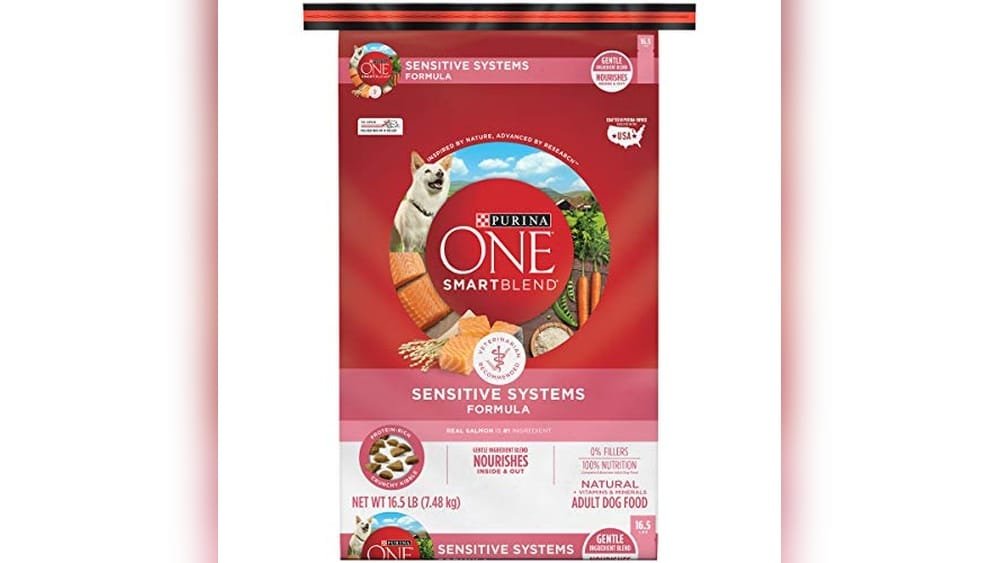
Many dog owners want to give their pets the healthiest food possible. In recent years, high protein dry dog food has become very popular. You see it in pet stores and in ads online. Some brands even say their food will make your dog stronger, more active, or give them a shiny coat. But is high protein dry dog food really better for all dogs? The answer is not simple.
Dogs, like humans, have different needs. Their age, size, breed, activity level, and health conditions all matter. Feeding the wrong type of food can cause problems, even if it’s considered “premium. ” In this article, you’ll learn what high protein dry dog food is, when it helps, when it can harm, and how to choose what’s right for your dog.
You’ll also see expert advice, scientific facts, and practical examples to help you make a confident choice for your furry friend.
What Is High Protein Dry Dog Food?
High protein dry dog food is kibble that contains more protein than regular dog foods. But what does “high protein” mean? Most regular dry dog foods have about 18% to 22% protein. High protein formulas usually have 25% to 35% protein or more.
Protein in dog food comes from animal sources (like chicken, beef, fish, lamb) or plant sources (like peas, lentils, soy). Animal protein is usually easier for dogs to digest and contains all the essential amino acids dogs need.
Kibble is dry and crunchy because the water is removed during processing. This makes it last longer on the shelf, which is why many owners like it.
Why Do Some Brands Add More Protein?
Brands add more protein because:
- Many pet owners believe more protein means better health
- Protein helps build and repair muscles
- Active or working dogs need more protein to stay strong
But more is not always better. Too much protein can be wasteful or even harmful for some dogs.
How Does Protein Affect A Dog’s Health?
Protein is an important nutrient for all dogs. It helps with:
- Muscle growth and repair
- Making enzymes, hormones, and antibodies
- Healthy skin and hair
But, excess protein can put stress on the kidneys, especially in older dogs or those with kidney disease. Dogs can only use so much protein. The rest is broken down and leaves the body as waste.
Protein Needs Change With Age
A puppy needs more protein than a senior dog. Growing dogs use protein to build new tissue. Adult dogs need enough to maintain their body, but not so much that it stresses their organs.
| Life Stage | Recommended Protein % | Notes |
|---|---|---|
| Puppy | 22-32% | Needed for growth |
| Adult | 18-25% | Maintenance |
| Senior | 18-23% | Lower kidney function |
Which Dogs Benefit From High Protein Dry Dog Food?
Not every dog needs a high protein diet. But some groups do benefit more:
1. Active Dogs And Working Dogs
Dogs that run, jump, or work (like herding, hunting, or police dogs) burn more calories and damage more muscle tissue. They need more protein to recover and stay healthy.
2. Pregnant Or Nursing Dogs
Mother dogs use more protein to support their puppies, especially during pregnancy and lactation.
3. Growing Puppies
Puppies need extra protein to build new muscles, organs, and bones. But the amount must be right. Too much can cause growth problems in large breeds.
4. Dogs Recovering From Illness Or Injury
If a dog is healing from surgery or illness, extra protein can help repair tissues.
5. Underweight Dogs
For dogs who have lost muscle or are too thin, extra protein can help rebuild their body.
Real-life Example
A Border Collie who competes in agility trials will need more protein than a senior Chihuahua who sleeps most of the day. Feeding both the same high protein food could help one but harm the other.
Which Dogs Should Not Eat High Protein Dry Dog Food?
Some dogs do not do well with high protein diets. These include:
1. Senior Dogs With Kidney Problems
Older dogs often have weaker kidneys. Too much protein makes the kidneys work harder, which can make problems worse.
2. Dogs With Liver Disease
A damaged liver cannot process protein waste well. High protein diets may cause toxins to build up.
3. Overweight Or Obese Dogs
Extra protein can mean extra calories. For dogs who need to lose weight, a balanced, lower-calorie diet is often better.
4. Low Activity Dogs
Dogs who sleep a lot and don’t exercise much do not need as much protein.
Special Case: Large Breeds
Large breed puppies (like Great Danes, Labradors, or German Shepherds) can have bone problems if they grow too fast. Too much protein, especially with too many calories, can speed up growth and cause joint issues.
Is More Protein Always Better?
People often believe more protein means better health. But this is not always true for dogs. The body uses what it needs, and the rest is filtered out.
Scientific Research
A study by the National Research Council (NRC) showed that adult dogs only need about 18% protein in dry food for maintenance. More is not always better. Very high protein diets can lead to dehydration and stress on the kidneys, especially in older dogs.
Another study found that working dogs (like sled dogs) need more protein—sometimes up to 35%—because their muscles break down faster with heavy activity.
What To Check On A Dog Food Label
Choosing the best food means reading the label carefully. Here’s what to look for:
- Protein Percentage: Check the “Guaranteed Analysis” for crude protein.
- Protein Source: Look for named meats (chicken, beef, salmon) as the first ingredients. These are better than unnamed “meat meal.”
- AAFCO Statement: The label should say it meets AAFCO (Association of American Feed Control Officials) standards for your dog’s life stage.
- Ingredient List: High protein foods sometimes use fillers like peas, lentils, or potatoes. These can increase protein, but not all plant proteins are complete.
Example Label Comparison
Here’s a side-by-side look at two dog foods:
| Brand | Protein % | First Ingredient | AAFCO Approved? |
|---|---|---|---|
| Brand A (High Protein) | 32% | Deboned Chicken | Yes |
| Brand B (Regular) | 22% | Whole Grain Corn | Yes |
Brand A uses real meat and has higher protein. Brand B uses corn and less protein. Both are AAFCO approved, but the source of protein is better in Brand A.
Risks Of Too Much Protein
Most healthy dogs can handle extra protein if they drink enough water. But there are risks:
- Kidney Stress: Excess protein can make the kidneys work harder. This is a real concern in older dogs or those with kidney disease.
- Dehydration: More protein means more waste in urine. Dogs need more water to flush it out.
- Weight Gain: High protein foods are sometimes high in calories. Dogs who don’t exercise may gain weight.
- Digestive Upset: Sudden changes to high protein food can cause diarrhea or gas.
Non-obvious Insight: Not All Proteins Are Equal
Some owners miss that animal proteins are more complete than plant proteins. A food with 30% protein from peas is not as good as 28% protein from chicken. Dogs need certain amino acids found mostly in animal meat.
How To Choose The Right Protein Level
Here’s how to decide what’s best for your dog:
1. Know Your Dog’s Life Stage
Puppies need more. Adults need less. Seniors may need less or special formulas.
2. Consider Activity Level
Active dogs burn more calories and protein. Couch potatoes need less.
3. Check For Health Issues
Talk to your vet if your dog has kidney, liver, or other health problems.
4. Read The Label
Look for high-quality animal protein as the first ingredient.
5. Watch Your Dog
Notice changes in energy, weight, or poop. These are clues if the food is right.
6. Transition Slowly
If switching to a high protein food, mix old and new for a week to avoid stomach upset.
Real Example: Transitioning To High Protein
A 2-year-old Labrador who starts a new high protein kibble may get diarrhea for a few days. Mixing 25% new with 75% old, then slowly increasing, helps avoid problems.
How Much Protein Is Too Much?
There’s no one perfect answer, but most vets agree:
- For regular adult dogs, over 30% protein is rarely needed.
- For very active or working dogs, 25–35% protein may be good.
- For seniors or dogs with kidney problems, 18–22% protein is safer.
More is not always better. Dogs can’t store extra protein for later.
Non-obvious Insight: Protein Quality Over Quantity
Some foods boost protein with plant sources because it’s cheaper. But dogs need animal protein for best health. A food with 22% protein from chicken is better than 28% from peas.
Comparing High Protein And Regular Dry Dog Food
Let’s look at the main differences:
| Feature | High Protein Kibble | Regular Kibble |
|---|---|---|
| Protein % | 25-35% | 18-22% |
| Main Ingredients | Meat, fish, eggs | Grains, some meat |
| Best For | Active, working, growing dogs | Average adult dogs |
| Cost | Higher | Lower |
| Possible Risks | Kidney stress, weight gain | Less muscle support for active dogs |
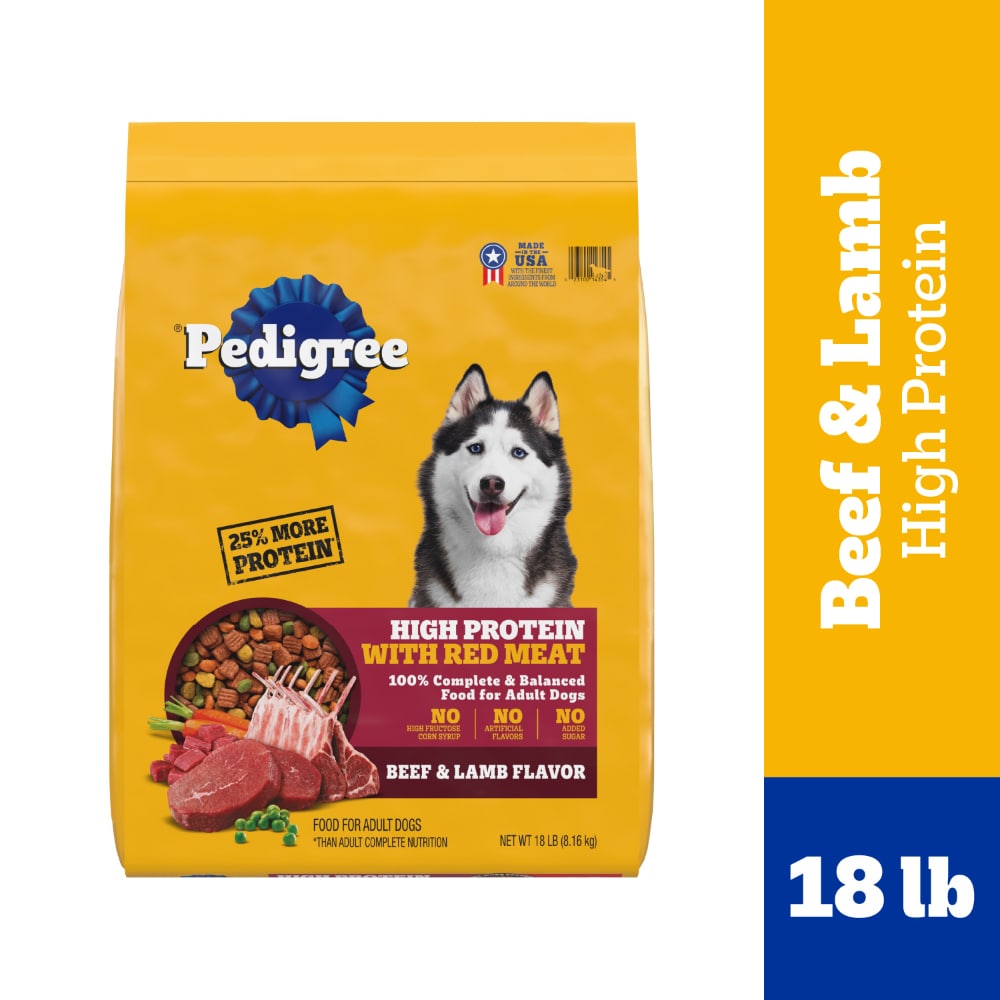
Credit: www.fredmeyer.com
Common Myths About High Protein Dog Food
Many owners believe myths about dog food. Let’s clear up a few:
1. All Dogs Need High Protein
False. Only some dogs benefit from it. Many do well on regular protein.
2. High Protein Makes Dogs Aggressive
No scientific proof supports this. Behavior comes from training and environment.
3. More Protein Means More Energy
Extra protein does not mean extra energy. Dogs use carbs and fat for most energy.
4. High Protein Is Always More Natural
Wolves eat high protein, but pet dogs live differently. They are less active and have different needs.
5. Plant Protein Is Just As Good As Animal Protein
Dogs use animal protein better. Plant proteins miss some key amino acids.
Mistakes Owners Make With High Protein Dog Food
Even with good intentions, owners sometimes make mistakes:
- Switching Too Fast
Sudden changes can upset your dog’s stomach.
- Ignoring Water Needs
High protein diets need more water. Always have fresh water ready.
- Not Watching for Allergies
Some dogs react to certain meats or protein sources. If your dog scratches or gets sick, check the ingredients.
- Feeding Based on Trends
Not every new trend is right for your dog. Choose based on their needs, not advertising.

Credit: www.k9natural.com
How To Introduce High Protein Food Safely
If you decide to try high protein dry dog food, take it slow:
1. Mix Old And New Food
Start with 25% new, 75% old for a few days.
2. Increase New Food Gradually
Move to 50/50, then 75/25, and finally 100% over 7–10 days.
3. Watch For Changes
Check your dog’s stool, energy, and skin. Loose stool or itching can mean problems.
4. Offer Extra Water
High protein means more waste. Dogs need more water to stay healthy.
5. Talk To Your Vet
Ask your vet if your dog is older, sick, or has a medical condition.
Real-world Example: Two Dogs, Different Needs
Meet Max and Bella. Max is a 4-year-old German Shepherd who runs daily. Bella is an 8-year-old Cocker Spaniel who likes to nap.
Max eats a high protein kibble (30%) and stays fit and energetic. Bella tried the same food, but gained weight and had softer poop. Her vet recommended switching to a lower protein, lower fat diet. This shows that the same food is not right for every dog.
What Do Veterinarians Say?
Most vets agree: match the food to the dog. High protein dry dog food is great for some dogs but not all.
Vets warn against:
- Feeding high protein to dogs with kidney or liver problems
- Switching foods without a reason
- Believing that more protein is always better
Vets recommend:
- Checking protein sources (animal > plant)
- Watching your dog for signs of problems
- Adjusting the diet as your dog ages or changes activity
How To Tell If Your Dog Is Doing Well On High Protein Dry Food
Watch for these signs of good health:
- Shiny coat
- Firm muscles
- Good energy
- Normal weight
- Regular, firm stools
If your dog gets diarrhea, gains weight, or seems tired, the food may not be right.
Cost And Value
High protein dry dog foods often cost more. That’s because meat is more expensive than grains. But price does not always mean better quality.
Look for:
- Real meat as the first ingredient
- No cheap fillers or by-products
- AAFCO approval for your dog’s life stage
Spending more does not guarantee better health. Sometimes, a regular protein food is best.
Environmental Impact
High protein foods, especially those with a lot of meat, use more resources to make. If you want to be eco-friendly, choose foods with sustainable meat sources or look for brands that care about the environment.
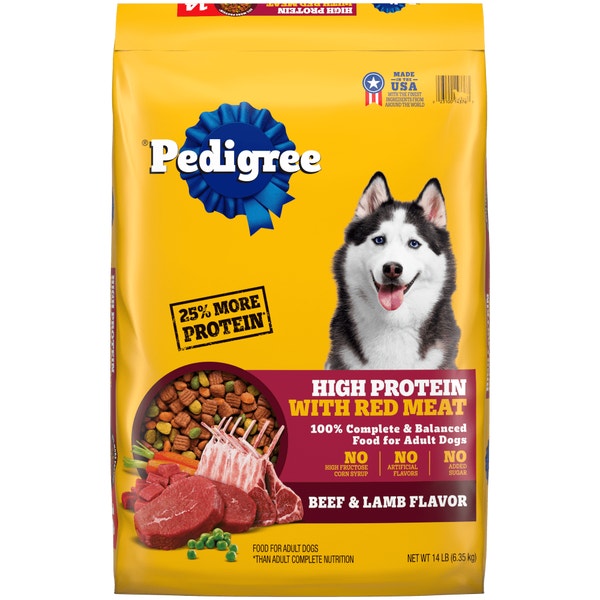
Credit: www.pedigree.com
When To Talk To Your Vet
Always ask your vet before making big changes, especially if your dog:
- Is over 7 years old
- Has health problems
- Is a large breed puppy
- Is pregnant or nursing
Vets can do blood tests to check kidney and liver health if you are unsure.
Summary: Is High Protein Dry Dog Food Better For All Dogs?
High protein dry dog food can be very good for some dogs—especially those who are active, growing, pregnant, or underweight. But for many pet dogs, especially seniors or those with health issues, regular protein is safer and healthier.
The most important thing is to match the food to your dog’s needs. Always check the label, look for quality ingredients, and watch your dog’s health closely. Trends come and go, but your dog’s needs are unique.
If you want more details about protein in pet food, you can read the Dog food article on Wikipedia.
Frequently Asked Questions
What Is Considered High Protein In Dry Dog Food?
Dry dog food with more than 25% protein is usually called high protein. Some go as high as 35%. Always check the “Crude Protein” on the label.
Is High Protein Dry Dog Food Safe For Senior Dogs?
For healthy seniors, a little more protein may help keep muscles strong. But for those with kidney or liver problems, too much protein can be risky. Always ask your vet.
Can High Protein Dry Dog Food Cause Allergies?
Some dogs are allergic to certain meats or protein sources. Chicken, beef, and fish are common allergens. If your dog scratches or gets sick after eating, talk to your vet and try a different protein.
How Do I Know If My Dog Needs High Protein Food?
Dogs who are very active, growing, or recovering from illness may need more protein. Watch for signs like low energy, weight loss, or slow healing. Ask your vet if you’re unsure.
How Should I Switch My Dog To A High Protein Diet?
Change food slowly over 7–10 days. Mix the new food with the old, increasing the amount each day. Watch for stomach upset or other problems.
Giving your dog the right food is one of the best ways to keep them healthy and happy. Remember, high protein dry dog food is not better for all dogs—but it can be the best choice for some. Always focus on your dog’s unique needs.
We’re the dedicated team behind MyPawSafe.com, with over a decade of combined experience in veterinary care, pet emergency response, and animal behavior. While we prefer to let our work speak for itself, our mission is clear: to provide science-backed, vet-approved advice that helps pet owners prevent accidents and save lives.