
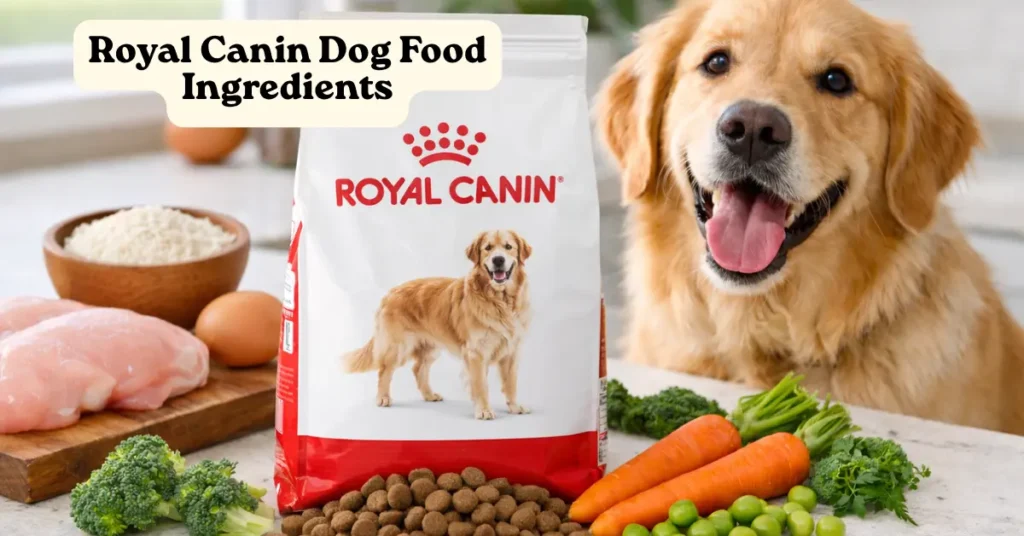
For many dog owners, choosing the right food means more than just picking a popular brand. You want to know exactly what goes into your dog’s bowl every day. Royal Canin dog food is one of the most recognized names worldwide, but what are the real ingredients behind that reputation? This article gives you a deep look into every part of Royal Canin dog food: the proteins, grains, vitamins, minerals, and more. Whether your dog is a playful puppy, a senior with a special diet, or has allergies, understanding these ingredients can help you make the best choice for your pet’s health and happiness.
What Makes Royal Canin Dog Food Different?
Royal Canin stands out because it offers breed-specific and condition-specific formulas. This means each recipe is designed for dogs with unique needs, such as size, age, or health issues. Unlike generic dog foods, Royal Canin often uses a scientific approach, analyzing what nutrients certain breeds or dogs at certain life stages require. Their ingredient lists reflect this focus on tailored nutrition.
Another thing that sets Royal Canin apart is its transparent labeling. Each bag lists out ingredients and nutrients, allowing owners to better understand what their dog is eating. This attention to detail has helped Royal Canin gain trust from both veterinarians and pet owners around the world.
The Main Ingredients In Royal Canin Dog Food
Royal Canin uses a combination of animal proteins, grains, vegetables, fats, vitamins, and minerals. Here’s a closer look at each category and what they provide for your dog’s nutrition.
1. Animal Proteins
The protein source is the most important ingredient in any dog food, and Royal Canin uses a mix of animal-based proteins. You’ll often see:
- Chicken meal
- Poultry by-product meal
- Fish meal
- Pork meal
- Egg powder
These proteins are chosen for their high digestibility and amino acid content. For example, chicken meal is made by cooking and grinding chicken to remove water and fat, leaving a dense protein powder. Poultry by-product meal uses parts of the bird not usually eaten by humans but still rich in nutrients, such as necks and organs.
Fish meal is included in some recipes, especially for dogs with sensitive skin or allergies. It’s a good source of omega-3 fatty acids, which support skin and coat health. Egg powder is used for its easily digestible protein and vitamins.
Non-obvious Insight
Some owners worry about by-products, but poultry by-product meal used by Royal Canin is carefully regulated and provides important nutrients like glucosamine, which supports joint health. The company follows strict quality controls to ensure these ingredients are safe and nutritious.
2. Grains And Carbohydrates
Carbohydrates provide energy, and Royal Canin uses a variety of grains and starches, including:
- Brown rice
- Corn
- Wheat
- Barley
- Oat groats
- Brewers rice
- Maize gluten
These grains are carefully selected to provide energy, fiber, and certain vitamins. Brown rice and barley are especially digestible and can help regulate blood sugar. Some owners worry about corn and wheat, but Royal Canin uses these in forms that are easy for dogs to digest, and they are rich in essential amino acids and fatty acids.
Brewers rice is the small, broken pieces of rice left after milling. While it’s not as nutrient-dense as whole rice, it’s very digestible and often used in sensitive stomach formulas.
Non-obvious Insight
Many Royal Canin recipes combine several carbohydrate sources. This blend helps avoid over-reliance on a single grain, reducing the risk of allergies and digestive upsets.
3. Fats And Oils
Dogs need fats for energy, skin, and coat health. Royal Canin uses several fat sources:
- Chicken fat
- Fish oil
- Vegetable oils (such as soybean oil, sunflower oil)
- Animal fat
Chicken fat is high in omega-6 fatty acids (like linoleic acid), while fish oil is rich in omega-3s (EPA and DHA). These support brain function, reduce inflammation, and promote shiny fur.
Some formulas may include vegetable oils for extra plant-based fatty acids. All fats used are highly digestible and provide flavor, making the food more appealing.
Practical Example
A dog with dry, flaky skin may benefit from a Royal Canin formula high in fish oil, as the extra omega-3s help restore skin moisture and shine.
4. Fiber And Vegetables
Fiber is important for digestion and healthy stools. Royal Canin includes:
- Beet pulp
- Psyllium husk
- Dried tomato pomace
- Pea fiber
- Chicory root
- Pumpkin (in some formulas)
Beet pulp is a gentle fiber that supports gut health without causing loose stools. Psyllium husk helps regulate digestion, especially in sensitive dogs. Chicory root is a source of inulin, a prebiotic that helps feed beneficial gut bacteria.
These fibers are not just fillers. They are carefully balanced to help with stool quality, prevent constipation, and support gut flora.
5. Vitamins And Minerals
Every Royal Canin formula is fortified with a blend of essential vitamins and minerals, such as:
- Vitamin E
- Vitamin C
- Vitamin D3
- B vitamins
- Zinc
- Copper
- Iron
- Selenium
- Manganese
These micronutrients support the immune system, help with energy production, and keep your dog’s skin, coat, bones, and organs healthy. The ratios are adjusted for each formula, depending on the age, size, and needs of the dog.
Example
Puppy formulas have more calcium and phosphorus for bone development, while senior formulas may include extra vitamin E for immune support.
6. Added Amino Acids
To ensure your dog gets all the necessary building blocks for muscle and organ health, Royal Canin adds essential amino acids such as:
- Taurine
- Methionine
- Lysine
- L-carnitine
Taurine is important for heart health, especially in certain breeds. L-carnitine helps convert fat into energy and supports lean muscle.
7. Other Additives
Royal Canin sometimes includes special additives for specific health concerns:
- Glucosamine and chondroitin (for joint health)
- Antioxidants (like rosemary extract)
- Chelated minerals (for better absorption)
- DL-methionine (for urinary health)
- Yucca schidigera extract (to reduce stool odor)
These extras are especially common in formulas for older dogs, large breeds, or those with medical conditions.
Analyzing Royal Canin’s Ingredient Quality
It’s not just what’s in the food, but also how the ingredients are processed. Royal Canin uses both fresh and dried ingredients, and their manufacturing facilities meet high safety standards.
- Ingredient sourcing: Royal Canin works with trusted suppliers and tests raw materials for contaminants.
- Processing: Ingredients are cooked at controlled temperatures to preserve nutrients and ensure safety.
- Quality control: Each batch is tested for nutrition, safety, and taste.
Comparison: Royal Canin Vs. Generic Dog Food
To see how Royal Canin’s ingredient approach compares with standard dog foods, consider the following:
| Aspect | Royal Canin | Generic Dog Food |
|---|---|---|
| Protein Source | Named meats/by-products, tailored to formula | Often generic ‘meat’ or ‘meat meal’ |
| Carbohydrates | Multiple grains, selected for digestibility | Often corn or wheat as main ingredient |
| Fats | Named animal/plant oils for balanced omega fats | Usually animal fat, type not specified |
| Vitamins/Minerals | Targeted blends for breed/age/health | Basic supplementation, one-size-fits-all |
| Special Additives | Glucosamine, L-carnitine, antioxidants | Rarely included |
Ingredient Breakdown By Formula Type
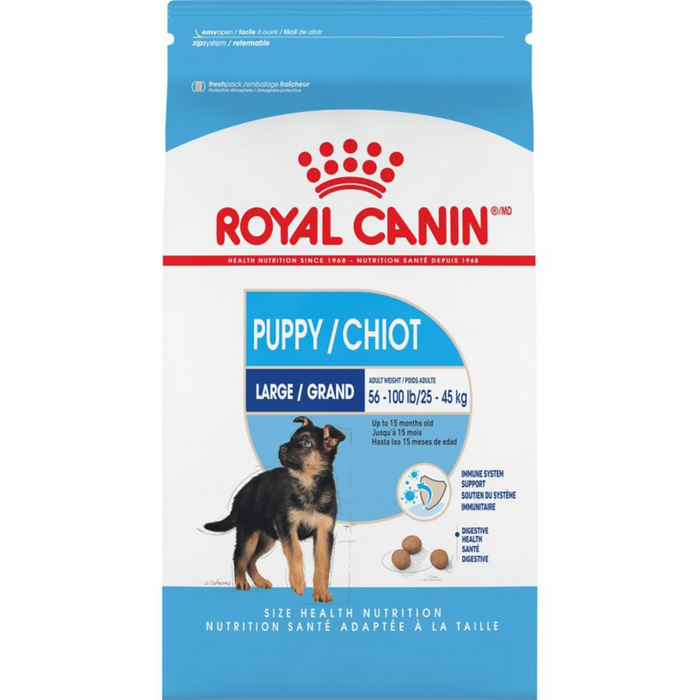
Royal Canin produces many types of dog food, including puppy, adult, senior, breed-specific, and veterinary diets. Each has a slightly different ingredient profile.
Puppy Formulas
- Higher protein and fat for growth
- More calcium and phosphorus
- Often contains DHA for brain development
Puppy formulas use more digestible grains and proteins to support sensitive stomachs and developing bodies.
Adult Maintenance Formulas
- Balanced protein and fat for everyday activity
- Fiber blends for healthy digestion
- Targeted vitamins for skin and coat
Adult formulas aim for steady energy and a shiny coat, using a mix of animal and plant proteins.
Senior Formulas
- Lower calories, but high in antioxidants
- Extra joint support: Glucosamine and chondroitin
- Easy-to-digest proteins and fibers
Older dogs need less energy but more support for joints and organs.
Breed-specific Formulas
- Unique kibble shapes for jaw size
- Custom nutrient blends (e.g., taurine for Boxers, L-carnitine for Dachshunds)
- Adjusted protein and fat for breed activity levels
Breed-specific foods use research on breed health risks to tweak ingredients.
Veterinary Diets
- Hydrolyzed proteins for allergies
- Controlled minerals for kidney or urinary problems
- Special fiber blends for digestive issues
These formulas are used for dogs with medical needs and are only available through veterinarians.
Credit: concordpetfoods.com
Ingredient Controversies And Common Questions
Some ingredients in Royal Canin dog food often raise questions from pet owners. Let’s address the most common concerns.
Animal By-products
Many Royal Canin recipes use poultry by-product meal. Some owners think by-products are poor quality, but when sourced and processed correctly, they are safe and nutritious. They include parts like liver, which is rich in vitamins and minerals.
Grains: Corn And Wheat
Corn and wheat have a bad reputation because some believe they cause allergies or are just fillers. However, true grain allergies are rare in dogs. Corn and wheat are energy-dense, provide protein, and are processed to be digestible. Royal Canin uses these grains in balanced amounts, not as cheap fillers.
Artificial Colors And Preservatives
Most Royal Canin foods do not use artificial colors. Preservatives, if present, are approved for pet food use and keep the food fresh. Some formulas use natural antioxidants like rosemary extract instead.
Soy Ingredients
Soy is present in some Royal Canin foods, usually as soy protein isolate. This provides a high-quality, plant-based protein that is very digestible. It’s used mainly in special veterinary diets, such as those for dogs with severe allergies.
Ingredient Sourcing
Royal Canin sources ingredients globally, but all are tested for safety and quality. Their factories are in Europe, the US, Canada, and Asia, following strict guidelines.
Typical Ingredient List Example
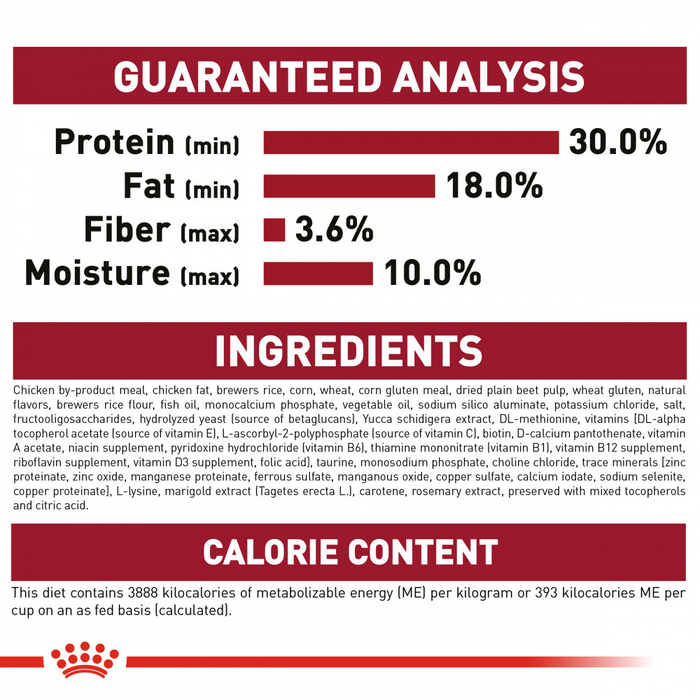
To help you see what a real Royal Canin ingredient list looks like, here’s a sample from one of their popular adult formulas:
Chicken by-product meal, brewers rice, corn, chicken fat, wheat gluten, natural flavors, dried beet pulp, fish oil, vegetable oil, potassium chloride, salt, fructooligosaccharides, vitamins (Vitamin E, B vitamins, Vitamin D3), minerals (zinc, iron, manganese, copper, selenium), taurine, L-carnitine, choline chloride, rosemary extract, preserved with mixed tocopherols.
Each ingredient serves a purpose—none are there just for bulk or flavor.
Ingredient Comparison: Royal Canin Vs. Grain-free Brands
Some dog owners prefer grain-free diets. How does Royal Canin compare to these foods?
| Ingredient | Royal Canin | Grain-Free Brand |
|---|---|---|
| Main Carbohydrate | Rice, corn, wheat | POTATO, PEAS, LENTILS |
| Protein Source | Chicken, poultry meal, fish | Chicken, beef, fish, or novel meats |
| Fiber Source | Beet pulp, psyllium, chicory root | Pea fiber, potato fiber |
| Special Additives | Glucosamine, L-carnitine, antioxidants | Sometimes added, not always |
| Grain Content | Yes | No |
Insight: Some grain-free brands use a lot of peas and potatoes, which can raise concerns about heart health in dogs. Royal Canin keeps its formulas balanced, and each ingredient is chosen for a reason, not just to replace grains.
How To Read A Royal Canin Ingredient Label
Reading an ingredient label can be confusing. Here’s how to understand the key parts:
- First ingredient: This is usually the main protein source (e.g., chicken meal).
- Middle ingredients: Grains and fats provide energy.
- Last ingredients: Vitamins, minerals, and special additives.
- Order: Ingredients are listed by weight, including their water content.
If your dog has allergies, look for the specific protein or grain that might cause problems. Royal Canin offers hypoallergenic formulas with hydrolyzed proteins (broken into small pieces to avoid allergic reactions).
Ingredient Insights For Specific Needs
Sensitive Stomach Or Skin
Royal Canin’s sensitive formulas use easily digestible proteins and special fibers. Fish oil and beet pulp help reduce stomach upset and improve skin health.
Weight Management
Weight-control formulas use higher fiber and protein to keep dogs full with fewer calories. L-carnitine is often added to help burn fat.
Urinary Health
Urinary formulas limit certain minerals (like magnesium and phosphorus) to reduce the risk of stones. DL-methionine acidifies urine to prevent crystal formation.
Dental Health
Some Royal Canin foods have unique kibble shapes and contain calcium binders to reduce tartar.
How Royal Canin Develops Its Formulas
Royal Canin works with veterinarians, nutritionists, and breeders to create each formula. They conduct research and feeding trials to make sure the food supports dogs’ health at every stage. The formulas are updated as new science emerges.
Example: Breed-specific Research
For example, Royal Canin found that Bulldogs often have sensitive digestion, so they use highly digestible proteins and special fibers in Bulldog formulas. For Yorkies, the food includes more omega-3s for skin and coat health.

Credit: www.businessinsider.com
Ingredient Safety And Recalls
Food safety is a big concern for pet owners. Royal Canin has a solid record of quality control, but like all major brands, it has had recalls in the past. These are usually limited and managed quickly. Ingredient testing and traceability are a priority, and Royal Canin publishes recall information on their website.
For more on pet food recalls and safety, you can visit the FDA Pet Food Recall Page.
Common Myths About Royal Canin Ingredients
Let’s clear up some myths:
- Myth: All by-products are bad. Reality: Nutrient-rich organs and parts are beneficial when processed safely.
- Myth: Corn and wheat are always fillers. Reality: They provide energy and nutrients, and allergies are rare.
- Myth: Royal Canin is all chemicals. Reality: Most ingredients are natural, and added vitamins/minerals are needed for complete nutrition.
Ingredients To Avoid: What Royal Canin Leaves Out
Royal Canin avoids some ingredients that are common in lower-quality foods:
- No artificial colors in most recipes
- Rarely uses artificial flavors
- Avoids cheap fillers like generic meat or bone meal
- No added sugars
These choices help maintain consistent quality and support dog health.
Customer Experiences: What Owners Notice
Many owners report that after switching to Royal Canin:
- Dogs have smaller, firmer stools (thanks to balanced fiber)
- Itchiness and flaky skin improve (omega fatty acids)
- Dogs with sensitive stomachs vomit less
- Senior dogs move more easily (joint support additives)
However, not every formula suits every dog. Some may not like the taste, or a particular grain may not agree with them. Always transition slowly when changing foods.
Credit: concordpetfoods.com
Selecting The Right Royal Canin Formula For Your Dog
With so many choices, how do you pick the right formula? Consider:
- Age: Puppy, adult, or senior
- Size: Small, medium, large breed
- Breed: Some breeds have their own formulas
- Health needs: Weight, joints, digestion, allergies
If you’re unsure, ask your veterinarian. Royal Canin also offers an online tool to help match your dog’s needs with the right formula.
Price And Value: Is It Worth It?
Royal Canin Is Usually More Expensive Than Supermarket Brands. Why?
- More research and development per formula
- Higher quality controls and ingredient testing
- Targeted nutrition for specific needs
For many owners, the improved health and fewer vet visits make the cost worthwhile. However, if your dog is healthy and does well on a less expensive food, that’s okay too.
How Royal Canin Stands In The Market
Royal Canin is one of the top veterinary-recommended brands. Its focus on science-based nutrition and safety has earned it a strong reputation. While not every dog needs a specialized formula, those with medical or breed-specific needs often do better on Royal Canin.
Ingredient Trends: How Royal Canin Adapts
Pet food trends change quickly. Royal Canin adapts by:
- Offering grain-free options for sensitive dogs
- Adding more natural antioxidants
- Using novel proteins (like hydrolyzed soy) for allergies
Their research teams regularly update formulas as new studies are published.
How Ingredients Affect Your Dog’s Health
The right ingredients can mean:
- Better digestion
- Shinier coat
- More energy
- Fewer allergies
- Stronger bones and joints
But no food is perfect for every dog. Watch your dog’s health and talk to your vet if you see problems.
Summary: Are Royal Canin Ingredients Good For Your Dog?
Royal Canin uses a mix of animal proteins, grains, fats, fibers, vitamins, and minerals—all chosen based on research and safety. Their breed- and condition-specific formulas are unique in the pet food world. While some ingredients are debated, Royal Canin’s approach is balanced, cautious, and based on decades of science.
If you want a food that is more than just a generic mix, Royal Canin is a strong choice. Always consider your own dog’s needs, read the label, and consult with your vet.
Frequently Asked Questions
What Is The Main Protein In Royal Canin Dog Food?
Most Royal Canin formulas use chicken meal, poultry by-product meal, or fish meal as the main protein source. The exact protein depends on the formula and may include novel proteins in special diets.
Does Royal Canin Use Artificial Colors Or Preservatives?
Royal Canin avoids artificial colors in most recipes. Preservatives used are safe and approved for pet food. Some formulas use natural preservatives like rosemary extract.
Are The Grains In Royal Canin Bad For Dogs?
No. The grains used, like rice, corn, and wheat, are processed for digestibility. Grain allergies are rare in dogs, and these ingredients provide important nutrients.
Is Royal Canin Good For Dogs With Allergies?
Royal Canin makes hypoallergenic formulas with hydrolyzed proteins and limited ingredients for dogs with food allergies. Always consult your vet before switching.
Where Does Royal Canin Source Its Ingredients?
Royal Canin sources ingredients globally, but all are tested for safety and quality. Their factories in Europe, the US, Canada, and Asia follow strict guidelines. For more details, check their official website or the Royal Canin Quality Page.
Choosing the right dog food is an important decision. Now that you know what’s inside Royal Canin dog food, you can make the best choice for your furry friend’s health and happiness.

We’re the dedicated team behind MyPawSafe.com, with over a decade of combined experience in veterinary care, pet emergency response, and animal behavior. While we prefer to let our work speak for itself, our mission is clear: to provide science-backed, vet-approved advice that helps pet owners prevent accidents and save lives.