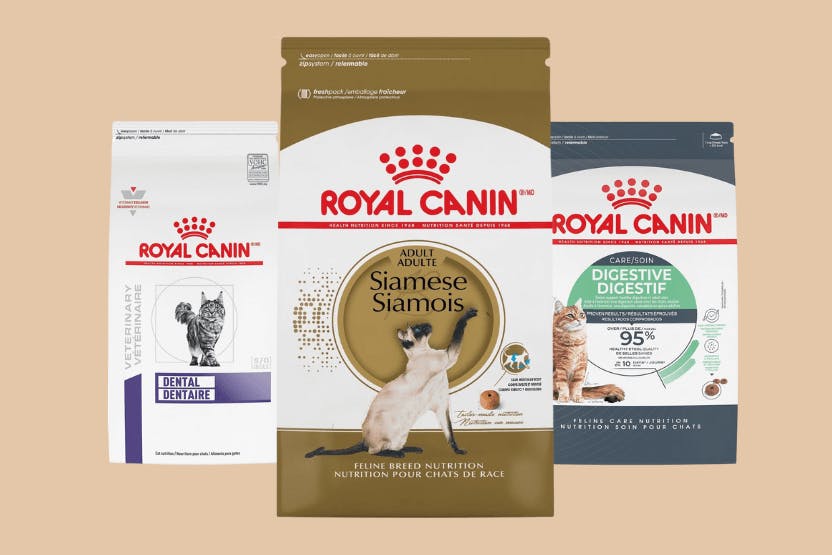
Every pet owner wants the best for their dog. Food is a big part of that care, and many trust Royal Canin as a premium brand. Known for scientific formulas and breed-specific options, Royal Canin has a strong place in the market. But safety is always a concern, especially when you hear about pet food recalls in the news. What is Royal Canin’s recall history? Has it ever faced safety issues? If you feed your dog Royal Canin or are thinking about it, understanding the facts is important for your peace of mind and your pet’s health.
In this article, you will learn the full story of Royal Canin dog food recalls. We will look at when and why recalls happened, how the company responded, and what lessons pet owners can take from these events. You will see real data, practical advice, and tips on how to stay informed. Whether you are a loyal Royal Canin customer or just researching, you will find all the details you need.
The Royal Canin Brand: Background And Reputation
Royal Canin started in France in 1968 with a mission to advance pet nutrition. Today, it is one of the most recognized brands worldwide. Its parent company, Mars, Inc. , owns other famous pet food lines, but Royal Canin stands out for its scientific approach.
The company works with veterinarians, breeders, and pet experts to design formulas for different breeds, life stages, and health conditions.
Royal Canin’s reputation for quality is strong, but no brand is immune to recalls. Pet food is a tightly regulated industry. Even brands with the best intentions can face problems due to ingredient suppliers, manufacturing errors, or evolving safety standards.
What Is A Dog Food Recall And Why Does It Happen?
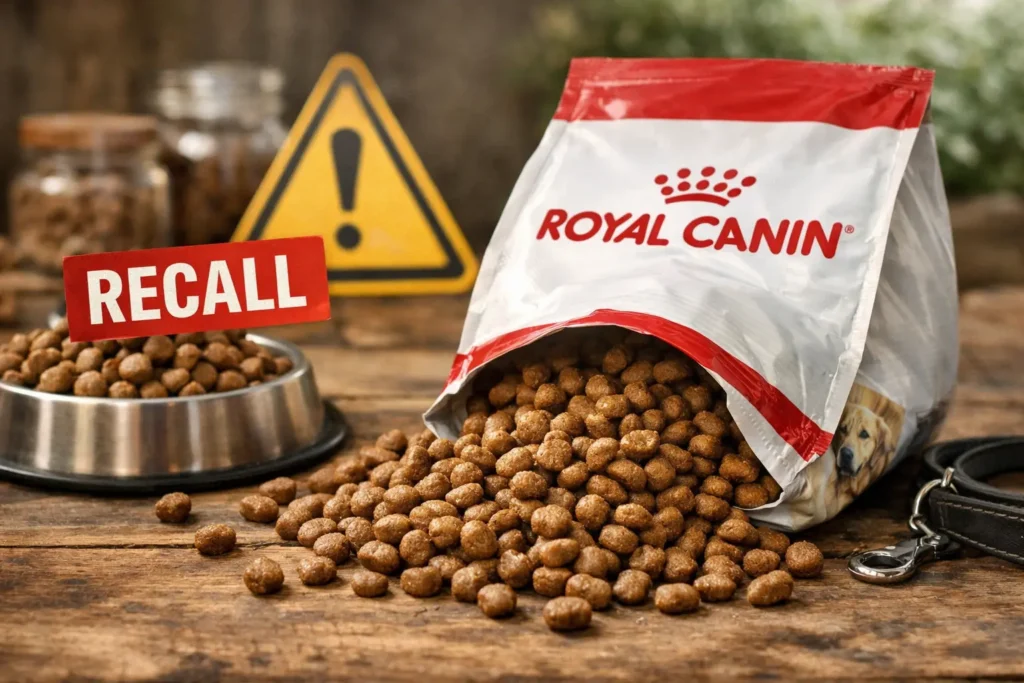
A pet food recall means a product is removed from stores and homes because it might be unsafe. Recalls can be voluntary (started by the company) or ordered by government agencies like the FDA. They usually happen for reasons such as:
- Contamination (bacteria like Salmonella or Listeria)
- Chemical hazards (melamine, excessive vitamins, or minerals)
- Mislabeling (wrong ingredients, missing allergens, or undeclared drugs)
- Manufacturing errors (foreign objects, off-spec batches)
When a recall is announced, quick action is key. Companies must notify stores, inform the public, and tell pet owners how to return or dispose of the product.
Credit: www.greggio.com
Complete History Of Royal Canin Dog Food Recalls
Royal Canin has a long global history, but dog food recalls have been rare compared to some competitors. Still, there have been several notable events in the U.S. and elsewhere. Understanding these moments helps owners make informed choices.
2007: The Melamine Recall
The most significant recall in Royal Canin’s history happened in 2007. This was not just a Royal Canin issue—the entire pet food industry was shaken. The problem started when melamine, a toxic chemical, was found in wheat gluten imported from China. Hundreds of pet food brands, including Royal Canin, were affected.
What Happened:
- Melamine was added to wheat gluten to fake higher protein levels.
- The contaminated gluten was used in many pet foods, leading to kidney failure and deaths in pets.
Royal Canin’s Response:
- Voluntary recall of several lines in North America.
- Products included: Veterinary Diet Canine and Feline formulas, specifically dry dog and cat foods.
- The company worked with the FDA, issued press releases, and updated their website.
Lasting Impact:
- The recall led to major changes in how Royal Canin sourced ingredients.
- Stricter testing and supplier checks were put in place.
- Pet food regulations tightened industry-wide.
Non-obvious insight: Many dog owners do not realize the 2007 melamine recall was an industry-wide crisis, not just a Royal Canin failure. Ingredient supply chains can affect even the most careful brands.
2006: Excess Vitamin D3 Recall
In April and May 2006, Royal Canin recalled several Veterinary Diet dry dog and cat foods due to excess vitamin D3. High vitamin D can cause health issues like vomiting, loss of appetite, and even kidney failure in pets.
Details:
- A supplier’s ingredient error led to too much vitamin D3 in some batches.
- Affected products were sold through veterinary clinics.
Royal Canin’s Actions:
- Immediate recall of the affected lots.
- Direct communication with veterinarians and pet owners.
- Offered refunds and replacements.
Key lesson: Even “therapeutic” or prescription diets can face risks if supplier quality slips.
Other Recall Events And International Cases
Royal Canin’s U.S. recalls have been rare, but there have been a few minor international incidents. For example:
- 2019, South Africa: Small recall due to possible contamination in a batch of dog food. No reports of illness were confirmed, and the recall was precautionary.
- Isolated reports in Europe and Asia, usually involving mislabeling or packaging errors, not contamination.
Non-obvious insight: Pet food recalls in one country may not affect products in another, because recipes and factories vary by region.
Recalls Vs. Product Withdrawals
It’s important to know the difference:
- A recall is a public safety issue.
- A withdrawal often means the company found a minor quality issue (like wrong bag weight) and quietly removed products before anyone was at risk.
Royal Canin has had more withdrawals than recalls, which is normal for major brands.
How Royal Canin Handles Recalls: Transparency And Safety Steps
Royal Canin’s approach to recalls has improved over time. Their process now includes:
- Rapid traceability: Barcodes and batch numbers let the company track products quickly.
- Supplier controls: Audits and tests of ingredient suppliers are now stricter.
- Public communication: Press releases, website updates, and veterinarian alerts.
- Customer support: Refunds, replacements, and hotlines for worried pet owners.
Example: During the 2007 recall, Royal Canin added a recall section to its website to answer questions and list affected products.
Comparing Royal Canin’s Recall History To Other Dog Food Brands
How does Royal Canin compare to other major brands? Here’s a simple comparison:
| Brand | Major Recalls (Last 20 Years) | Common Reasons |
|---|---|---|
| Royal Canin | 2 | Melamine, Excess vitamin D3 |
| Hill’s Science Diet | 3 | Excess vitamin D, salmonella |
| Purina | 5+ | Contamination, mislabeling |
| Blue Buffalo | 4+ | Propylene glycol, aluminum, mold |
Key takeaway: Royal Canin has had fewer recalls than many competitors, though no brand is recall-free.
How To Check If Your Royal Canin Dog Food Is Affected By A Recall
If you are worried about your dog’s food, you can:
- Check the company website: Royal Canin lists active recalls and safety news.
- Look for recall notices: The FDA and other agencies post all active recalls.
- Contact customer service: Have your bag’s batch code, expiration date, and product name ready.
- Sign up for alerts: Many pet advocacy groups offer free recall email alerts.
What Dog Owners Should Do During A Recall
If you learn your Royal Canin dog food is recalled:
- Stop using the food immediately.
- Check your bag’s lot number against the recall notice.
- Contact your vet if your dog shows any signs of illness (vomiting, diarrhea, lethargy).
- Call Royal Canin’s support line for a refund or replacement.
- Safely dispose of the food as directed—don’t donate or give it to other pets.
Practical tip: Always keep the bag or a photo of the label and batch code until the food is finished. This makes recall checks easy.
The Science Behind Dog Food Safety
Royal Canin uses strict quality control methods, but understanding the basics helps owners trust the process.
- Ingredient testing: Each batch is tested for toxins, bacteria, and nutritional content.
- Factory audits: Regular checks at factories ensure rules are followed.
- Nutritional analysis: Royal Canin’s labs test for proper protein, fat, vitamins, and minerals.
- Storage safety: Temperature and humidity are monitored to prevent spoilage.
Example: After the 2007 recall, Royal Canin invested in new testing equipment to spot contaminants before products leave the plant.
Common Misconceptions About Royal Canin Recalls
Many pet owners worry that a single recall means a brand is unsafe. But the reality is more complex.
- Myth: “One recall means I can never trust this brand.”
Truth: Recalls can happen to any brand, even those with high standards. The key is how the company responds.
- Myth: “Royal Canin has had lots of recalls.”
Truth: Compared to the size of the company and years in business, Royal Canin’s recall history is limited.
- Myth: “All Royal Canin products are affected during a recall.”
Truth: Usually, only certain batches or lines are recalled, not everything.
Are Royal Canin Dog Foods Currently Safe?
As of mid-2024, Royal Canin dog foods have no active recalls in the U.S. or Canada. The company’s enhanced safety measures have worked well since the last major recalls over a decade ago. While no pet food is risk-free, the current risk level is low.
Important note: Always check for updates, as new recalls can happen at any time.
How To Identify A Quality Dog Food Brand
If you are comparing Royal Canin with other brands, look for:
- Transparent recall history: Brands that admit mistakes and fix them are more trustworthy.
- Ingredient sourcing: Ask where proteins, grains, and supplements are from.
- Scientific backing: Brands with veterinary research are more reliable.
- Customer support: Fast, honest answers matter during a crisis.
Staying Informed: Resources For Pet Owners
Staying updated on recalls is easier than ever. Here are some trusted resources:
- FDA Pet Food Recall List: Official updates on all recalls.
- Royal Canin’s own recall page: Direct from the company.
- The American Veterinary Medical Association (AVMA): Posts alerts on major recalls.
- Pet food review sites: Some offer text or email alerts.
Extra tip: Consider bookmarking FDA Pet Food Recalls for the latest updates.
Real-life Examples: How Recalls Affect Dogs And Owners
Hearing about a recall is one thing—dealing with it is another. Here are a few real stories:
- Case 1: In 2007, a family in California noticed their dog became lethargic after eating Royal Canin food. They saw a recall notice, stopped feeding the food, and took their pet to the vet. Early action led to a full recovery.
- Case 2: A veterinary clinic in Texas used Royal Canin’s prescription diet for kidney disease. After the vitamin D recall, they worked with Royal Canin to switch patients to safe batches and report any health issues.
- Case 3: In South Africa, a batch recall was announced before any illnesses were reported. Owners got refunds and advice on switching formulas, and no dogs were harmed.
Lesson: Quick action, good communication, and support from both vets and the company make a big difference.
The Role Of Veterinarians During Recalls
Veterinarians are often the first to spot problems when pets get sick. They can:
- Recognize symptoms linked to food problems (like kidney failure from melamine or vitamin D toxicity).
- Advise owners on safe alternatives.
- Report cases to the FDA or Royal Canin for investigation.
If your dog becomes ill and you suspect food is the cause, always involve your vet.
What Has Changed In The Pet Food Industry Since The Royal Canin Recalls?
Both Royal Canin and the whole industry learned from past mistakes. Changes include:
- Stricter supplier standards: Companies now visit and test suppliers more often.
- More frequent product testing: Random batch testing is common.
- Improved recall systems: Faster notification and better tracking.
- Transparency: Brands are more open about recalls and safety checks.
Can You Avoid All Dog Food Risks?
No food is 100% risk-free, but you can lower the chances by:
- Choosing brands with few recalls and good transparency.
- Keeping up-to-date with recall news.
- Watching your dog for signs of illness after changing food.
- Keeping packaging info for reference.
Credit: www.greggio.com
Royal Canin’s Recall Track Record: A Summary Table
For a clear view, here’s a table of Royal Canin’s major dog food recalls:
| Year | Reason | Products Affected | Region |
|---|---|---|---|
| 2007 | Melamine contamination | Veterinary Diets (dry) | North America |
| 2006 | Excess vitamin D3 | Veterinary Diets (dry) | North America |
| 2019 | Possible contamination | Selected formulas | South Africa |
Why Pet Food Recalls Should Not Be Ignored
Some owners feel that if their pet seems fine, recalls don’t matter. But risks can be silent—some toxins cause slow damage. Ignoring a recall can lead to:
- Long-term health problems (kidney, liver, or digestive issues)
- High vet bills later
- Risk to other pets if food is shared
Always act fast when you hear about a recall.

Credit: www.greggio.com
How To Switch Dog Foods Safely After A Recall
If you need to stop feeding Royal Canin suddenly, follow these steps:
- Consult your vet before switching, especially for prescription diets.
- Pick a similar formula (same protein source, same life stage).
- Transition slowly if possible—mix new and old food over a week. If a recall is due to contamination, switch immediately but watch for stomach upset.
- Monitor your dog for changes in appetite, stool, or behavior.
Royal Canin’s Communication: How Good Is It?
In the past, Royal Canin was sometimes slow to update U.S. pet owners, but their recent approach is much more proactive:
- They use email, social media, and website banners during recalls.
- Customer service is available by phone and email.
- Vets are notified directly for prescription diets.
Pro tip: If you don’t see any recall news, check the FDA or major pet news sites for updates.
Understanding Batch Codes And Expiry Dates
To check if your bag is part of a recall, you need to read the batch code (lot number) and expiry date. This info is usually printed near the bag’s seal.
- Batch code: Identifies the production run; used to track recalls.
- Expiry date: Ensures you don’t use old, possibly unsafe food.
Save this info until you finish the bag or can.
What Makes A Good Recall Response?
Not all recalls are handled equally. The best companies:
- Announce the recall quickly and clearly.
- Offer refunds or replacements.
- Explain the reason honestly.
- Work with vets and regulators to prevent repeat issues.
Royal Canin’s response in 2007 was praised for being open and thorough after the initial shock.
Royal Canin Dog Food Recall Statistics
Pet owners often want to know the numbers. Here is a breakdown:
- Major recalls since 2000: 2 in North America (2006, 2007)
- Minor/precautionary recalls: 1-2 (mostly outside North America)
- Product withdrawals: Occasional, usually for non-safety issues
- Reported illnesses/deaths: Far fewer than some competitors, but still a risk during the 2007 crisis
Is Royal Canin Dog Food Right For Your Pet?
If you have a breed with special needs, a medical condition, or want a formula backed by science, Royal Canin can be a good choice. The recall record is not perfect, but it compares well to other global brands. Always talk to your vet about the best option for your dog.
What To Watch For In The Future
Pet food safety will keep improving, but new risks will appear as supply chains change. Owners should:
- Stay informed on recalls.
- Watch for new research on pet food safety.
- Choose brands that are open about sourcing and quality.
Frequently Asked Questions
What Should I Do If My Royal Canin Dog Food Is Recalled?
Stop feeding the food right away. Check the batch code against the recall notice. Contact your vet if your dog seems sick. Call Royal Canin’s support line for a refund or replacement. Dispose of the product safely, as directed.
How Can I Find Out If My Royal Canin Dog Food Is Safe?
Visit the Royal Canin website or the FDA’s recall page for updates. Keep the bag with batch code until the food is used up. Sign up for pet food recall alerts through trusted sites.
Are Prescription Royal Canin Diets Safer Than Regular Foods?
Prescription diets are made with extra care and testing, but they are not risk-free. Past recalls have included prescription lines. Always monitor your pet and check for safety updates.
How Often Has Royal Canin Recalled Its Dog Food In The U.s.?
Royal Canin has had two major recalls in the past 20 years (2006 and 2007) in the U. S. There have been a few minor recalls outside the U. S. , but overall, the brand’s recall rate is low compared to others.
Where Can I Learn More About Pet Food Recalls?
You can check official sources like the FDA Pet Food Recalls page, the Royal Canin website, and veterinary associations for real-time updates.
Royal Canin’s recall history shows that no pet food brand is perfect, but some handle challenges better than others. By staying informed, checking labels, and working with your vet, you can give your dog the safest nutrition possible. Pet food safety is a team effort—between companies, vets, and caring owners like you.
We’re the dedicated team behind MyPawSafe.com, with over a decade of combined experience in veterinary care, pet emergency response, and animal behavior. While we prefer to let our work speak for itself, our mission is clear: to provide science-backed, vet-approved advice that helps pet owners prevent accidents and save lives.