📋 Table of Contents
1. Eukanuba Brand Overview — Who Makes It & What Sets It Apart?
Eukanuba has been a fixture in the premium pet food market since 1969, when it was introduced by Iams (now owned by Mars Petcare following a 2014 acquisition). The brand’s name is American slang for “the best” — and for decades, that aspiration has driven its positioning as a scientifically formulated, performance-oriented dog food.
Unlike many brands that market primarily on taste appeal, Eukanuba’s entire identity is built around biological appropriateness and veterinary science. The brand has invested significantly in canine nutrition research, partnering with veterinary institutions and employing animal nutritionists to refine its formulas.
What Makes Eukanuba Different From “Standard” Pet Food Brands?
The average dog owner scanning the pet store shelf sees dozens of brands promising health and happiness. What distinguishes Eukanuba is a set of formulation commitments that most mass-market brands don’t maintain: real meat as the first ingredient in every recipe, a DentaDefense system backed by independent dental health studies, precise calcium-to-phosphorus ratios calibrated by breed size, and published digestibility research — not just label claims.
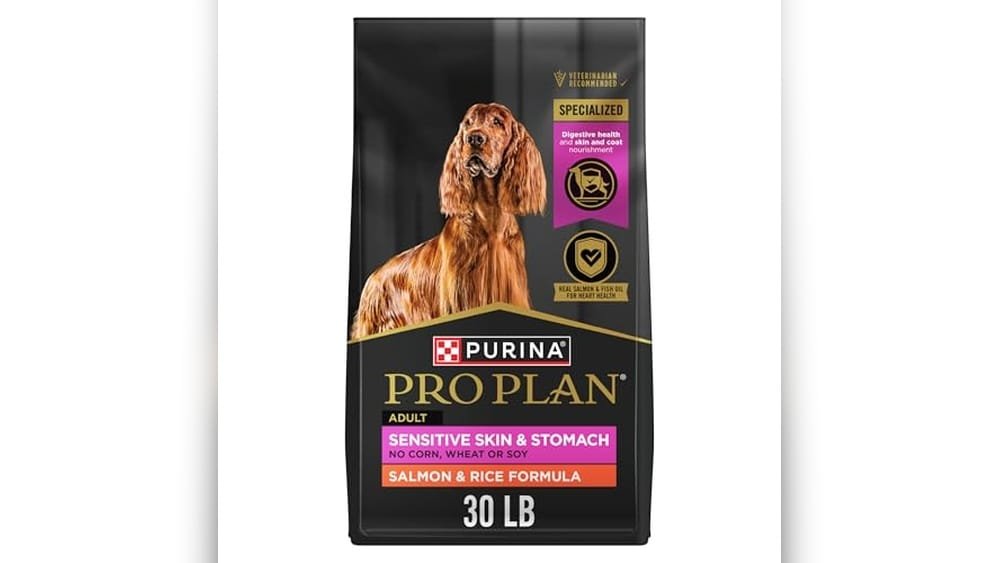
This is why Eukanuba is often categorised alongside brands like Purina Pro Plan, Royal Canin, and Hill’s Science Diet as veterinary-recommended premium nutrition — a tier above supermarket brands in both ingredient quality and clinical backing.
2. Ingredients & Nutrition Science — What’s Actually in the Bag?
Understanding a dog food label is half the battle. Here’s how Eukanuba’s formulations break down at the ingredient level, and why those choices matter for your dog’s health.
Protein Sources
The vast majority of Eukanuba formulas lead with chicken or lamb as the first ingredient — a genuine protein-first commitment. The brand also incorporates chicken by-product meal, which is a concentrated protein source that, contrary to popular belief, is considered a nutritionally valuable ingredient by veterinary nutritionists (it includes organs that provide essential amino acids and micronutrients).
The American College of Veterinary Nutrition (ACVN) notes that “by-product” in pet food labels does not indicate low quality — organ meats are nutrient-dense. What matters is the overall digestibility and amino acid profile of the food. Eukanuba’s average dry matter protein digestibility has been reported at approximately 84–88% across tested formulas. Source: ACVN Nutrition Notes
Carbohydrate & Grain Composition
Most Eukanuba formulas use corn and barley as primary carbohydrate sources. These are not “filler” ingredients in the pejorative sense — corn provides highly digestible linoleic acid (an essential omega-6 fatty acid) and barley is a low-glycemic whole grain with good fibre content. Neither ingredient is associated with food allergies in dogs at a population level; food allergies in dogs are far more commonly triggered by protein sources (particularly beef and dairy) according to dermatology research.
Key Functional Ingredients
| Ingredient / System | Purpose | Evidence Level |
|---|---|---|
| Chicken / Lamb (1st ingredient) | High-quality protein; muscle development & satiety | Strong |
| DHA (from fish oil) | Brain & vision development — critical in puppy formulas | Strong |
| Glucosamine + Chondroitin | Joint health — particularly relevant in large breed & senior formulas | Moderate |
| Vitamin E & C (antioxidants) | Immune system support; oxidative stress reduction | Strong |
| DentaDefense (calcium carbonate texture) | Mechanical plaque reduction via kibble abrasion | Moderate |
| L-Carnitine | Fat metabolism; lean muscle maintenance — in weight management formulas | Moderate |
| Prebiotic FOS | Gut microbiome support; stool quality | Moderate |
| Omega-3 & Omega-6 fatty acids | Coat shine, skin barrier health, anti-inflammatory | Strong |
3. Full Eukanuba Product Line — Every Formula Explained
Eukanuba’s product catalog is intentionally broad, covering every life stage, breed size, and dietary need. Here’s a complete map of what exists and who it’s designed for.
Eukanuba Adult Dry Dog Food
The flagship formula — chicken as #1 ingredient, balanced for healthy adult dogs aged 1–7. Available in regular and small bites.
Read Full Review →Eukanuba Puppy Dog Food
Higher protein, DHA-enriched, and calcium-balanced. Sets the nutritional foundation for lifelong health from weaning to 12 months.
Read Full Review →Eukanuba Puppy Large Breed
Controlled calcium:phosphorus ratio critical for preventing developmental orthopedic disease in breeds over 55 lbs adult weight.
Read Full Review →Eukanuba Senior Dog Food
Adjusted protein, added joint support (glucosamine/chondroitin), and L-carnitine for weight management in dogs 7+.
Read Full Review →Eukanuba Weight Control
Reduced fat, maintained protein to preserve lean muscle. L-carnitine inclusion supports healthy fat metabolism without starvation-level calorie cuts.
Read Full Review →Eukanuba Lamb & Rice
Novel protein formula for dogs with chicken sensitivities. Lamb provides complete amino acid profile; rice is a gentle, highly digestible carbohydrate.
Read Full Review →Eukanuba Wet Dog Food
Higher moisture content (~78%) supports hydration. Ideal as a mixer, for picky eaters, or dogs with dental issues requiring softer textures.
Read Full Review →Eukanuba Medium Breed
Targeted for dogs 24–54 lbs. Balanced energy density and kibble size optimised for medium-breed jaw structure and chewing habits.
Read Full Review →Eukanuba Large Breed
Joint support nutrients, lower calorie density to prevent obesity-related joint strain, and larger kibble encouraging slower eating.
Read Full Review →Eukanuba Small Breed
Higher calorie density per cup (small dogs burn energy faster), small kibble size, and enhanced DentaDefense to combat small-breed dental disease risk.
Read Full Review →Not Sure Which Formula Fits Your Dog?
Use the deep-dive reviews linked above, or browse by your dog’s specific situation below. Each page includes detailed ingredient analysis, feeding guides, and honest pros & cons.
4. Best Eukanuba Formula by Breed Size
Why Breed Size Matters More Than You Think
A Chihuahua and a Great Dane are both dogs, but their nutritional needs are radically different. Small breeds have faster metabolisms and need calorie-dense food in small portion sizes. Large breeds are prone to skeletal disorders if calcium intake is too high during puppyhood — a risk that Eukanuba’s size-specific formulas directly address. Research published in the Journal of Nutrition has demonstrated that puppies of large breeds fed standard puppy food (higher in calcium and phosphorus than breed-size-specific formulas) show higher rates of developmental bone abnormalities.
Hazewinkel et al. (1991) demonstrated in controlled studies that excess dietary calcium during skeletal development in large breed dogs leads to impaired bone remodelling, higher rates of osteochondrosis, and increased hip dysplasia risk. Feeding a large-breed-specific formula from puppyhood through growth is a primary prevention strategy recommended by veterinary orthopaedics. Source: PubMed — Veterinary Orthopaedic Research
5. Best Eukanuba Formula by Life Stage
| Life Stage | Age Range | Recommended Formula | Key Nutritional Focus |
|---|---|---|---|
| Puppy (Small/Med) | Weaning – 12 months | Eukanuba Puppy | DHA, higher protein, calcium balance |
| Puppy (Large Breed) | Weaning – 18 months | Eukanuba Puppy Large Breed | Controlled Ca:P ratio, controlled calories |
| Adult (General) | 1 – 7 years | Eukanuba Adult | Maintenance nutrition, dental health |
| Overweight Adult | Any age | Eukanuba Weight Control | L-Carnitine, reduced fat, maintained protein |
| Sensitive Stomach | Any age | Eukanuba Lamb & Rice | Novel protein, gentle digestibility |
| Senior | 7+ years | Eukanuba Senior | Joint support, metabolic support, adjusted protein |
6. Special Dietary Needs — What Eukanuba Can and Can’t Address
Weight Management
Canine obesity is now considered the most common preventable disease in companion animals, affecting an estimated 56% of U.S. dogs according to the Association for Pet Obesity Prevention (APOP). Eukanuba Weight Control addresses this through calorie reduction without sacrificing the protein levels necessary to maintain lean muscle mass during weight loss. The L-carnitine inclusion is a notable differentiator — this amino acid derivative facilitates the transport of long-chain fatty acids into mitochondria for energy, effectively helping the body burn fat more efficiently.
If your dog is classified as obese (body condition score ≥ 7/9), a veterinary-diet weight management food (available only through vets) may be more appropriate than an over-the-counter formula. Always have your vet assess ideal target weight before beginning a weight loss program. The APOP’s free Body Condition Score guide is available at petobesityprevention.org.
Dental Health
Periodontal disease affects over 80% of dogs by age three, and is a primary driver of systemic health issues (heart, kidney, and liver disease). Eukanuba’s DentaDefense system works through the physical texture of the kibble — the interlocking fibre matrix provides mechanical abrasion against tartar — and through added calcium carbonate, which binds to calcium in saliva to inhibit scale formation. It’s not a substitute for brushing, but the independent research behind this system is more rigorous than most brands’ “dental health” label claims.
Sensitive Stomachs & Food Sensitivities
Dogs suspected of food sensitivities should ideally undergo a strict veterinary elimination diet trial before being placed on a “limited ingredient” or novel protein diet. Eukanuba Lamb & Rice can serve as part of a rotation or management diet for dogs with known chicken sensitivities, though it is not a formal hydrolysed protein diet suitable for confirmed food allergy cases. For those, a prescription hydrolysed formula from your vet is the evidence-based approach.
7. Eukanuba vs. Competitors — Honest Head-to-Head Comparisons
How does Eukanuba stack up against the brands dog owners most commonly compare it to? Below is a synthesised comparison table drawn from our detailed head-to-head reviews. Our methodology: we compare ingredient lists, guaranteed analyses, AAFCO compliance, pricing per pound, recall history, and veterinary recommendation prevalence.
| Brand | Protein Quality | Ingredient Transparency | Breed-Size Formulas | Price Point | Recall Record | Vet Rec. | Winner |
|---|---|---|---|---|---|---|---|
| Eukanuba | ★★★★★ | ★★★★☆ | ★★★★★ | $$ | Clean | High | — |
| Purina Pro Plan | ★★★★★ | ★★★★☆ | ★★★★★ | $$ | Clean | Very High | Draw |
| Royal Canin | ★★★★☆ | ★★★☆☆ | ★★★★★ | $$$ | Clean | Very High | Draw |
| Blue Buffalo | ★★★★☆ | ★★★★★ | ★★★☆☆ | $$ | Multiple | Moderate | Eukanuba |
| Hill’s Science Diet | ★★★★☆ | ★★★★☆ | ★★★★★ | $$ | Mostly Clean | Very High | Draw |
| Iams | ★★★☆☆ | ★★★☆☆ | ★★★☆☆ | $ | Clean | Moderate | Eukanuba |
| Orijen | ★★★★★ | ★★★★★ | ★★☆☆☆ | $$$$ | Clean | Moderate | Draw |
| Kirkland (Costco) | ★★★☆☆ | ★★★☆☆ | ★★☆☆☆ | $ | Mostly Clean | Low | Eukanuba |
The Most Important Comparison: Eukanuba vs. Purina Pro Plan
This is the comparison dog owners agonise over most. Both are genuinely excellent brands with veterinary endorsement, real protein sources, and strong formulation science. The honest answer: for most dogs, the differences are marginal. Purina Pro Plan has a larger body of published clinical research and more formula variations. Eukanuba edges ahead on ingredient simplicity and is often priced competitively. Read our full breakdown: Eukanuba vs. Purina Pro Plan — Complete Comparison.
See All Head-to-Head Comparison Reviews
We’ve put Eukanuba side-by-side against every major brand dog owners compare it with. Click below to read the full analysis for each matchup.
8. Eukanuba Recall History & Safety Record
A brand’s recall record is one of the clearest indicators of manufacturing quality control — not because recalls are always the brand’s fault, but because how a brand responds and how frequently issues arise tells you a great deal about their operational standards.
- 2021–2025: No Recalls Eukanuba has maintained a clean safety record across this five-year period, with no FDA Class I, II, or III recalls issued.
- 2013: Voluntary Recall (Aflatoxin Risk) Eukanuba participated in an industry-wide voluntary recall related to potential aflatoxin contamination from a corn ingredient supplier. No confirmed illness cases were reported in Eukanuba-specific products. The recall was precautionary.
- 2007–2012: Clean Record No recalls of note during this period.
- 2007: Salmonella Contamination (Limited) A limited recall involving dry pet food products including some Eukanuba SKUs. FDA action was taken promptly; the issue was isolated to a specific production run.
For the most current and complete recall information, always verify with the FDA’s official pet food recall database. Read our full detailed review: Eukanuba Dog Food Recall History — Complete Timeline.
9. Overall Eukanuba Pros & Cons
✓ Strengths
- Real meat (chicken or lamb) as first ingredient in all formulas
- Scientifically formulated with veterinary nutrition input
- Breed-size-specific and life-stage-specific formulas available
- DentaDefense system backed by independent dental research
- Excellent digestibility scores vs. comparable brands
- Clean recall record relative to brand scale
- DHA inclusion in puppy formulas for brain development
- Available in both dry and wet formats
- Widely available — most pet stores and online retailers
✗ Limitations
- Contains corn and by-products — a concern for some label-conscious owners
- Not grain-free (not a con from a vet standpoint, but a buyer consideration)
- Fewer formula options than Purina Pro Plan or Royal Canin
- No raw, freeze-dried, or fresh-food options in the lineup
- Wet food range is limited compared to some competitors
- Owned by Mars Petcare — some owners prefer independent brands
- Not ideal for confirmed food allergy dogs (no hydrolysed formulas)
Board-certified veterinary nutritionists (DACVN) generally view Eukanuba as a “nutritionally sound” choice. The brand’s formulas consistently meet AAFCO nutrient profiles, their feeding trials are legitimate (not just formulated-to-meet-profiles), and the breed-size-specific formulations reflect genuine understanding of canine developmental physiology. If your dog is healthy and thriving on Eukanuba, there is no evidence-based reason to switch based solely on marketing from other brands. If you’re uncertain about your dog’s nutritional needs, consult a board-certified veterinary nutritionist via the ACVN’s Find a Nutritionist directory.
11. How to Choose the Right Eukanuba Formula — A 4-Step Framework
Step 1: Identify Your Dog’s Life Stage
Start here — not with brand, not with marketing. Puppies need different macronutrient ratios than adults, and seniors need different joint and metabolic support. Life stage is the primary filter because the AAFCO recognizes distinct nutritional requirements for “growth,” “adult maintenance,” and “all life stages.”
Step 2: Factor in Breed Size
If you have a large or giant breed puppy, breed size is actually more critical than life stage branding. The Ca:P ratio in standard puppy food can cause permanent skeletal damage in large breeds during growth. This is not marketing — it’s documented veterinary science. For large breed puppies: use the Large Breed Puppy formula until your dog reaches approximately 80% of their adult weight.
Step 3: Consider Any Health or Dietary Considerations
Does your dog have a documented chicken sensitivity? → Lamb & Rice. Overweight? → Weight Control. Picky eater or dental problems? → Wet food or mixed feeding. Active working dog? → High-protein adult formula. Once these specific considerations are identified, the right formula becomes obvious.
Step 4: Transition Slowly
Regardless of which formula you choose, never switch dog food overnight. A 7–10 day gradual transition (increasing new food from 25% → 50% → 75% → 100% across the transition period) prevents gastrointestinal upset. This applies even to premium foods like Eukanuba — it’s about microbiome adaptation, not food quality.
12. Our Expert Ratings — Eukanuba by Category
Overall Score: 86/100 — Highly Recommended
Eukanuba is a genuinely premium dog food with real science behind it. For dog owners who want veterinary-endorsed nutrition, breed-specific formulations, and a clean safety record without crossing into the stratospheric price range of raw or fresh food, Eukanuba represents one of the best value propositions in the premium dry dog food market. It’s not perfect — the formula variety could be broader, and confirmed food allergy dogs need veterinary-prescription options — but for the vast majority of healthy dogs, it is an excellent choice.
13. Frequently Asked Questions About Eukanuba Dog Food
14. All Eukanuba Reviews & Related Articles
Explore every in-depth review and comparison we’ve published on Eukanuba. Each page includes a full ingredient breakdown, guaranteed analysis, feeding guide, pros & cons, and our verdict.
Your Dog’s Nutrition Is Worth Getting Right
Eukanuba offers a well-researched, veterinarian-trusted approach to dog nutrition backed by decades of formulation science. Whether you’re feeding a new puppy, managing a senior dog’s joint health, or navigating a weight problem — there’s a formula in the Eukanuba lineup designed with that exact challenge in mind. Use this guide alongside our detailed reviews and, when in doubt, talk to your veterinarian. Your dog’s long-term health is worth more than any single food decision — but making evidence-based choices, one meal at a time, adds up to a healthier, longer life together.
This guide is for informational purposes only and does not constitute veterinary medical advice. Always consult your veterinarian for guidance specific to your dog’s health.

We’re the dedicated team behind MyPawSafe.com, with over a decade of combined experience in veterinary care, pet emergency response, and animal behavior. While we prefer to let our work speak for itself, our mission is clear: to provide science-backed, vet-approved advice that helps pet owners prevent accidents and save lives.