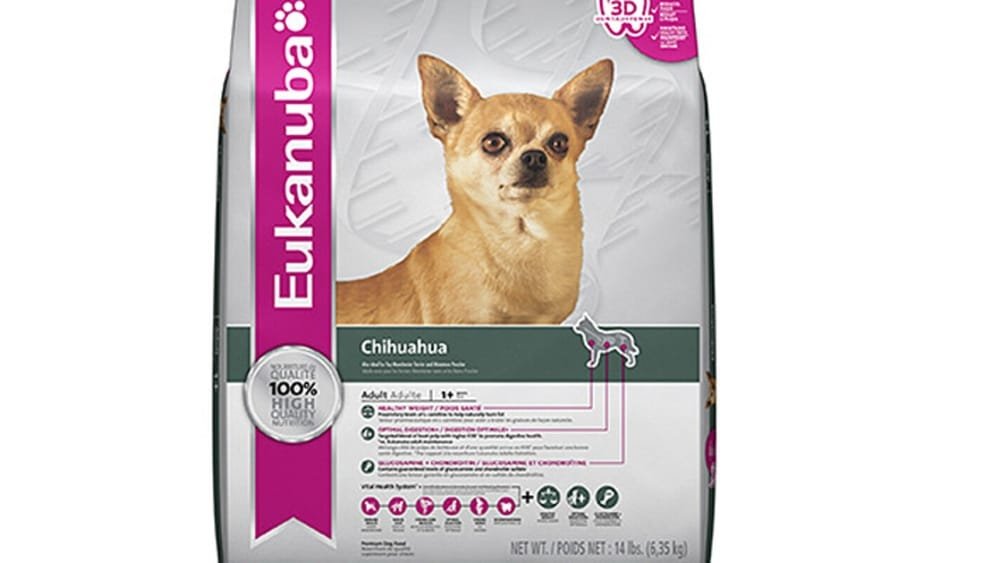
Many dog owners trust Eukanuba dog food for their pets’ health and nutrition. When the word “recall” appears in the news about a pet food brand, it can cause serious worry. Understanding the facts about Eukanuba’s recall history, safety issues, and what steps you can take if you are concerned is essential for every responsible pet owner. This article will explain the background, reasons, and outcomes of Eukanuba dog food recalls, along with practical guidance for dog owners.
What Is A Dog Food Recall?
A dog food recall happens when a manufacturer or government authority removes pet food from stores due to safety risks. These risks can include contamination, mislabeling, or the presence of harmful substances. Recalls aim to protect pets and their owners from potential harm. Sometimes recalls are voluntary, initiated by the company, and sometimes they are required by agencies like the U.S. Food and Drug Administration (FDA).
Recalls should not always mean a brand is unsafe, but they are important signals that something did not meet safety standards. Knowing the details helps you make informed decisions about your dog’s diet.
Eukanuba Dog Food: Brand Overview
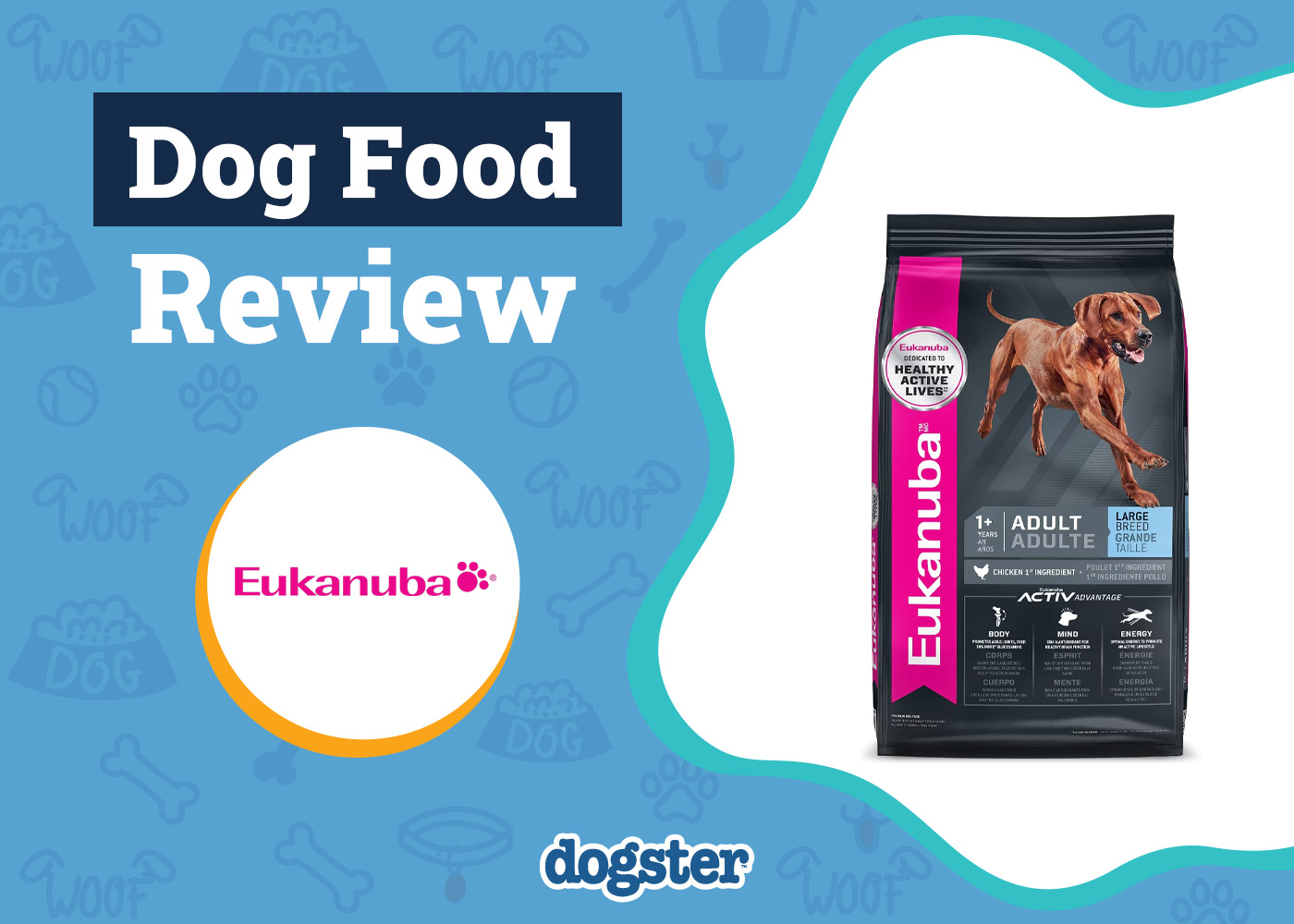
Eukanuba is a well-known pet food brand that started in 1969. It is owned by Mars, Incorporated, one of the world’s largest pet food companies. Eukanuba focuses on high-protein, animal-based nutrition for dogs at different life stages and sizes. Their products are sold in over 70 countries.
Eukanuba has built a reputation for quality, but like many large brands, it has faced recalls over the years. Understanding when and why these recalls happened is crucial for concerned dog owners.
Eukanuba Dog Food Recall History
Eukanuba has experienced a few notable recalls in its history. These events were important both for the company and for consumers who trust the brand. Below is a detailed look at the most significant recalls, their causes, and outcomes.
1. The 2013 Eukanuba Dog Food Recall
In August 2013, Eukanuba announced a voluntary recall of several dry dog food products. This was one of the largest and most publicized recalls in the brand’s history.
Reason For Recall
The recall was issued due to possible Salmonella contamination in the manufacturing facility. Salmonella is a type of bacteria that can cause illness in dogs and humans. The risk was discovered during routine testing, and the company decided to recall affected products as a precaution.
Affected Products
The recall included specific lots of Eukanuba dry dog foods produced at a single manufacturing site. Not all Eukanuba products were affected. The recall included:
- Eukanuba Adult Maintenance Small Breed
- Eukanuba Adult Maintenance Large Breed
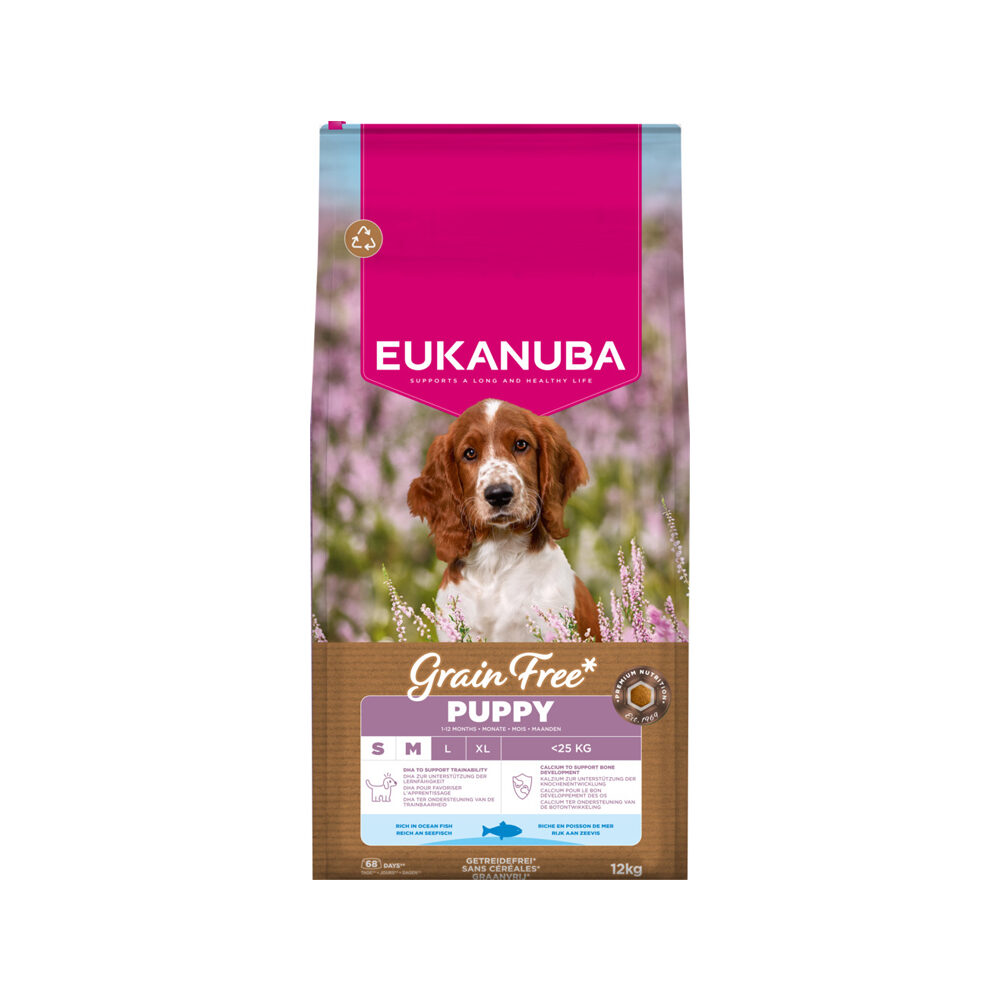
- Eukanuba Puppy
- Eukanuba Weight Control formulas
Affected bags could be identified by specific lot codes and expiration dates. The company provided detailed information for consumers to check their products.
Scope And Distribution
Over 20,000 bags of Eukanuba and Iams dry pet food were recalled. The products were distributed in the United States and Canada.
Health Risks
Salmonella can cause vomiting, diarrhea, fever, and abdominal pain in dogs. Infected animals may appear tired and have a reduced appetite. The bacteria can also spread to humans, especially children or elderly people, through handling contaminated food or touching surfaces.
Outcome
No confirmed cases of illness were reported in pets or humans linked to the recalled products. The company acted quickly, and the recall was limited to a specific production period. This event highlighted the importance of regular safety checks and transparency with consumers.
2. The 2010 Eukanuba Recall (aflatoxin)
In December 2010, Eukanuba (then part of Procter & Gamble) recalled a small batch of dog food due to aflatoxin contamination.
Reason For Recall
Aflatoxins are toxic substances produced by certain molds that grow on corn and other grains. High levels can cause liver damage in dogs. The recall was initiated after internal testing found higher-than-normal aflatoxin levels in a single product batch.
Affected Products
This recall was limited in scope. Only one formula, Eukanuba Naturally Wild Dog Food, with certain expiration dates, was involved. The recall did not affect other products.
Health Risks
Aflatoxin poisoning can cause:
- Sluggishness
- Loss of appetite
- Yellowing of eyes or gums
- Severe cases: Death
Dog owners were advised to stop feeding the affected product immediately and monitor their pets for symptoms.
Outcome
No illnesses were officially reported from this incident. The recall was precautionary, and the company worked with the FDA to remove all affected products from stores.
3. The 2007 Melamine Recall
In 2007, a massive pet food recall affected dozens of brands, including Eukanuba, after the discovery of melamine contamination in wheat gluten sourced from China.
Reason For Recall
Melamine is a chemical sometimes illegally added to pet food ingredients to boost the appearance of protein content. It can cause kidney failure in pets. The contamination was traced to a supplier in China.
Affected Products
A limited number of Eukanuba wet dog food products containing Chinese wheat gluten were affected. These included several canned and pouch formulas.
Health Risks
Melamine exposure can cause:
- Kidney problems
- Vomiting and lethargy
- Death in severe cases
Outcome
This was a nationwide recall involving many brands. Eukanuba removed all affected products. The incident led to stricter import and safety regulations across the industry.
Recalls Vs. Product Withdrawals
It is important to note the difference between a recall and a product withdrawal. Recalls are due to safety risks, while withdrawals may happen for reasons like mislabeling or quality concerns, but not always due to direct health dangers.
Eukanuba has had very few recalls relative to its size and production volume. Occasional product withdrawals or formula changes are common in the pet food industry and do not always indicate a safety problem.
Summary Of Eukanuba Dog Food Recall Events
To help clarify the recall history, here is an overview of Eukanuba’s main recall events:
| Year | Reason | Affected Products | Health Risk | Outcome |
|---|---|---|---|---|
| 2013 | Salmonella | Dry Dog Food (selected lots) | Digestive issues, illness in pets and humans | No reported illness, recall contained |
| 2010 | Aflatoxin | Naturally Wild Dog Food (selected batch) | Liver damage | No reported illness, small batch |
| 2007 | Melamine | Wet Dog Food (with Chinese wheat gluten) | Kidney failure | Industry-wide recall, stricter rules |
Key Safety Concerns With Eukanuba Dog Food
Recalls can be scary, but understanding the real risks is important. Here are the main safety concerns related to Eukanuba dog food:
Salmonella Contamination
Salmonella is a bacteria that can infect both dogs and humans. It is most dangerous for puppies, older dogs, or those with weak immune systems. Common symptoms are:
- Diarrhea
- Vomiting
- Fever
- Loss of appetite
In humans, infection can happen by touching contaminated food, surfaces, or pets. Washing hands and cleaning bowls is important after handling dog food.
Aflatoxin Risk
Aflatoxins are natural toxins from mold that affect grains, especially corn. Most reputable pet food companies, including Eukanuba, test for aflatoxins. The risk is low, but large doses can be deadly.
Symptoms of aflatoxin poisoning include:
- Tiredness
- Not eating
- Yellow eyes or gums
- Bleeding problems
Immediate veterinary care is necessary if these signs appear after eating recalled food.
Melamine Contamination
Melamine is a synthetic chemical. It is not allowed in pet food. The 2007 recall affected the entire pet food industry, not just Eukanuba. The risk today is much lower due to stricter ingredient sourcing and regular testing.
Manufacturing And Supply Chain Risks
Large pet food brands like Eukanuba use complex supply chains. Ingredients may come from many countries. Sometimes, problems in the supply chain can lead to contamination or mislabeling, which may cause recalls.
Cross-contamination
Shared equipment between different food products can sometimes lead to cross-contamination. For example, a facility making both dog and cat food must clean equipment thoroughly to prevent accidental mixing of ingredients.
How Eukanuba Handles Safety And Recalls
Eukanuba, like most major pet food brands, follows strict safety and quality controls. Here’s how they manage risks and respond to safety issues:
Quality Control Measures
- Ingredient Testing: All raw materials are tested for contaminants.
- Production Controls: Plants follow hygiene and safety protocols.
- Regular Audits: Facilities are inspected regularly by internal and external auditors.
- Batch Tracking: Every bag or can has a code, so the company can trace problems quickly.
Recall Response Process
If a problem is found, Eukanuba:
- Identifies affected products by batch code
- Notifies retailers and distributors
- Issues a public recall notice
- Provides information for customers to check their products
- Works with the FDA and other authorities
Communication With Customers
Eukanuba posts recall alerts on their website and works with the FDA to notify the public. They also answer questions through customer service hotlines and social media. Staying informed is easier than ever for pet owners.
What Should Dog Owners Do During A Recall?
If you hear about an Eukanuba dog food recall, take the following steps:
- Check Product Codes: Look at the lot number and expiration date on your bag or can. Compare it with the recall notice details.
- Stop Feeding Immediately: If your product is affected, stop using it right away.
- Contact the Company: Reach out to Eukanuba’s customer service for instructions. They may offer a refund or replacement.
- Watch for Symptoms: Monitor your dog for any signs of illness, especially digestive problems.
- Consult Your Veterinarian: If your dog shows symptoms like vomiting, diarrhea, or lethargy, call your vet.
- Clean Up: Wash your hands, clean food bowls, and sanitize any surfaces that touched the recalled food.
- Report to FDA: If your dog becomes sick, report the case to the FDA’s consumer complaint system.
Signs Your Dog May Be Affected By Recalled Food
Not every dog will get sick from eating recalled food, but you should know the warning signs. Common symptoms depend on the contaminant:
- Salmonella: Diarrhea, vomiting, fever, loss of appetite, sluggishness
- Aflatoxin: Lack of energy, yellow eyes or gums, loss of appetite, bruising, vomiting
- Melamine: Lethargy, vomiting, increased thirst, urination problems
If your dog has these symptoms and ate recalled food, visit a vet immediately.
Credit: www.lumat.sk
How To Stay Informed About Recalls
Being proactive can help protect your dog. Here are ways to stay updated:
- Register Your Purchase: Some pet food brands, including Eukanuba, offer product registration so they can contact you directly in case of a recall.
- Follow Official Websites: Check the Eukanuba website and the FDA’s pet food recall page for updates.
- Sign Up for Alerts: Many animal health organizations send email alerts about recalls.
- Ask Your Veterinarian: Vets often receive recall notifications before the public.
How Eukanuba Compares To Other Brands In Recall History
Some owners wonder if Eukanuba is less safe than other brands. Comparing recall frequency can help put things into perspective.
| Brand | Total Recalls (2007-2024) | Most Common Reason |
|---|---|---|
| Eukanuba | 3 | Salmonella, Aflatoxin, Melamine |
| Purina | 4 | Vitamin imbalance, Salmonella |
| Blue Buffalo | 6 | Metal contamination, Vitamin D excess |
| Hill’s Science Diet | 5 | Vitamin D excess |
Eukanuba’s recall history is similar to other major brands. The most important factor is how the company responds, not just the number of recalls.
What Eukanuba Owners Can Learn From Past Recalls
Transparency and quick action matter most during a recall. Eukanuba has shown a pattern of responding quickly, communicating clearly, and cooperating with authorities.
Here are two less obvious insights for dog owners:
- Don’t Panic Over Old Recalls: News about old recalls can resurface online years later. Always check the recall date and product code. Not all recalls are recent or apply to your product.
- Monitor Ingredient Sourcing: Changes in where ingredients come from can affect safety. Ask brands about their suppliers, especially if your dog has allergies or sensitivities.
Preventive Steps For Safer Dog Feeding
While recalls can’t be predicted, you can reduce risks with good habits:
- Buy Smaller Bags: Use food within a few weeks to reduce spoilage risk.
- Store Properly: Keep food in a cool, dry place. Seal bags tightly to avoid mold.
- Check Before Feeding: Look for odd smells, discoloration, or bugs before feeding.
- Keep Packaging: Save the bag until it’s finished so you can check lot codes if needed.
- Use Clean Scoops and Bowls: Wash feeding tools regularly to avoid bacteria buildup.
Credit: www.dogster.com
What To Do If You Suspect A Problem With Eukanuba Dog Food
If your dog is unwell and you suspect their food is the cause, follow these steps:
- Save a Sample: Keep some of the food for testing. Do not throw it all away.
- Document Everything: Write down when symptoms started and what batch your dog ate.
- Contact Your Vet: Bring the food and your notes for review.
- Contact Eukanuba: Report the issue and give them details for investigation.
- Report to the FDA: Your report helps other pet owners and can trigger further testing.
Real Stories: How Recalls Impact Dog Owners
Some pet owners have shared their experiences during past Eukanuba recalls. For example, in 2013, a family in Ohio noticed their dog became ill after eating a recalled bag. They reported the incident, and the company quickly responded with a refund and covered veterinary costs.
Their story highlights the importance of acting fast and contacting both the company and a veterinarian.
Another owner in Texas signed up for recall alerts after the 2010 event and received quick email updates, which helped her feel more confident about her food choices.
How To Read Dog Food Recall Notices
Recall notices can seem technical, but here’s how to read them:
- Product Name and Size: Make sure it matches what you have.
- Lot Number/Date Code: Located on the bag or can.
- Expiration Date: Cross-check with your product.
- Reason for Recall: Salmonella, aflatoxin, etc.
- Instructions: What to do if you have the affected product.
Keeping the bag or can until finished is important in case you need to check codes later.
Industry-wide Lessons From Eukanuba Recalls
Eukanuba’s recalls, especially in 2007 and 2013, led to industry changes:
- Better Testing: Companies increased Salmonella and toxin checks.
- Improved Traceability: Bags now have clear codes to track problems.
- Stricter Import Rules: After the 2007 melamine incident, ingredient sourcing is more controlled.
Today, the risk of large-scale contamination is lower, but recalls still happen due to the complexity of global supply chains.
Credit: dogtime.com
The Role Of The Fda And Other Agencies
The FDA is the main agency overseeing pet food safety in the US. They conduct inspections, issue recall notices, and test products. In Canada, the Canadian Food Inspection Agency (CFIA) plays a similar role.
Owners can check the FDA’s recall page for up-to-date information. The FDA also investigates reports from veterinarians and pet owners.
You can find more about the FDA’s pet food recall process at the official FDA website.
Frequently Asked Questions
What Should I Do If I Have Eukanuba Food From A Recalled Batch?
Stop feeding it to your dog immediately. Check the lot number and expiration date to confirm if your product is affected. Contact Eukanuba’s customer service for a refund or replacement. Clean all bowls and surfaces that touched the food. If your dog shows any signs of illness, contact your veterinarian.
How Can I Find Out About New Eukanuba Dog Food Recalls Quickly?
Sign up for recall alerts on the Eukanuba website or the FDA’s recall page. You can also ask your veterinarian to notify you about important recalls. Following Eukanuba on social media is another way to get updates.
Is Eukanuba Less Safe Than Other Dog Food Brands?
Eukanuba’s recall history is similar to other major pet food brands. No brand is completely risk-free, but Eukanuba acts quickly and openly when recalls happen. What matters most is how the company handles safety and communicates with customers.
What Symptoms Should I Watch For If My Dog Ate Recalled Food?
Look for vomiting, diarrhea, loss of appetite, tiredness, yellow eyes or gums, increased thirst, or urination problems. If you notice these symptoms, seek veterinary help as soon as possible and bring the food packaging to your vet.
How Can I Reduce Recall Risk For My Dog?
Buy smaller bags, store food in a cool and dry place, check food before each feeding, and save the packaging until finished. Register your purchase for recall alerts, and stay informed through official websites and your veterinarian.
Final Thoughts
Dog food recalls, including those involving Eukanuba, are a reality in the pet industry. Understanding the facts behind each recall, the actual risks, and the steps you can take to protect your pet is vital. Eukanuba’s recall history shows that while incidents have occurred, the brand responds quickly and works with authorities to ensure safety.
By staying informed, practicing good storage and feeding habits, and acting fast if problems arise, you can keep your dog safe and healthy—even during uncertain times.
We’re the dedicated team behind MyPawSafe.com, with over a decade of combined experience in veterinary care, pet emergency response, and animal behavior. While we prefer to let our work speak for itself, our mission is clear: to provide science-backed, vet-approved advice that helps pet owners prevent accidents and save lives.