Teaching basic obedience commands at home can transform life with your dog. It builds trust, improves safety, and creates a calm, happy environment. Many dog owners believe obedience training is only for professionals, but with the right approach, anyone can guide their dog to listen and behave well.
This article will show you practical steps, clear examples, and useful tips for teaching basic obedience commands at home. Whether you have a puppy or an adult dog, you’ll find easy-to-follow advice that suits your needs.
Why Teach Basic Obedience Commands?
Obedience training offers more than just control. It keeps your dog safe, strengthens your bond, and makes daily life easier. Basic commands like “sit,” “stay,” and “come” can prevent accidents, stop unwanted behaviors, and help your dog understand what you want. According to the American Kennel Club, dogs who learn basic commands are less likely to develop behavioral problems and are more welcome in public places.
In a survey by the ASPCA, 78% of dog owners said their dogs’ behavior improved after regular home training. This shows that simple, consistent practice can make a big difference.
Understanding Your Dog’s Learning Style
Before starting obedience training, it’s important to recognize how dogs learn. Dogs respond best to clear cues, consistent routines, and positive reinforcement. Each dog has a unique personality. Some are eager to please, while others are stubborn or shy. Observing your dog’s reactions can help you adjust your methods.
Dogs do not understand language the way humans do. They learn through repetition, rewards, and tone of voice. Dogs can also sense your mood and body language. If you’re calm and patient, your dog will feel more comfortable and ready to learn.
Choosing The Right Training Tools
You don’t need expensive equipment to teach basic commands. However, a few simple tools can make the process smoother:
- Treats: Use small, tasty treats for rewards.
- Clicker: A clicker helps mark the correct behavior.
- Leash and Collar: Useful for control during training.
- Training Mat: Gives your dog a clear spot to focus.
Avoid using tools that cause pain or fear, like shock collars. Positive training creates lasting results and a happy dog.
Setting Up For Success: The Training Environment
The right environment helps your dog focus. Choose a quiet place with few distractions. This could be a living room, backyard, or even a hallway. Remove toys and other pets during training, so your dog can concentrate.
Train at times when your dog is calm—not too excited or tired. Sessions should be short, about 5–10 minutes each. This prevents boredom and helps your dog remember the lessons.
What Are Basic Obedience Commands?
There are five main commands every dog should learn:
- Sit
- Stay
- Come
- Down
- Leave It
Each command serves a purpose. “Sit” helps control excitement. “Stay” keeps your dog safe in busy places. “Come” is vital for recall. “Down” encourages calmness. “Leave it” stops your dog from picking up unsafe objects.
Let’s break down how to teach each command step by step.
Teaching “sit”: The Foundation Command
The “sit” command is often the first step in obedience training. It’s simple and sets the stage for other commands.
Step-by-step Instructions
- Get your dog’s attention. Hold a treat in front of their nose.
- Move the treat upwards. Slowly raise your hand, so your dog’s head follows.
- As the head goes up, the bottom goes down. The dog will sit naturally.
- Say “Sit” clearly as your dog sits.
- Reward immediately. Give the treat and praise.
Practical Tips
- If your dog jumps or backs away, restart calmly.
- Practice several times in short sessions.
- Use a cheerful tone and gentle touch.
Common Mistakes
- Saying “sit” before your dog learns the action.
- Not rewarding quickly enough.
- Training when your dog is distracted.
Example
Imagine you’re in your kitchen. You show your dog a treat, lift it slowly above their head, and they sit. You say “Sit!” and give the treat. Repeat this 3–5 times, then stop. Your dog will start connecting the word with the action.
Teaching “stay”: Building Self-control
“Stay” is essential for safety, especially near roads or in busy places.
Step-by-step Instructions
- Ask your dog to sit.
- Show your palm and say “Stay.”
- Take one step back. If your dog remains, reward.
- Gradually increase distance and duration.
- Use a release word like “Okay” to end the stay.
Practical Tips
- Start with short stays (2–3 seconds).
- Increase time and distance slowly.
- Always return to your dog before rewarding.
Common Mistakes
- Moving too fast. Dogs need time to learn.
- Forgetting to use a release word.
- Training in noisy places too soon.
Example
Your dog sits by the door. You say “Stay,” show your palm, step back, and reward if your dog waits. Over time, you step farther and wait longer.
Teaching “come”: Reliable Recall
“Come” is one of the most important commands. It can prevent your dog from running away or getting hurt.
Step-by-step Instructions
- Put your dog on a long leash.
- Crouch down and call your dog’s name, then say “Come!”
- Use a happy, excited voice.
- When your dog comes, reward with treats and praise.
- Practice in different locations.
Practical Tips
- Never punish your dog for coming, even if they were misbehaving.
- Make coming to you fun and rewarding.
- Gradually practice off-leash in safe areas.
Common Mistakes
- Calling “Come” when angry.
- Not rewarding every time, especially early in training.
- Using the command only when ending fun.
Example
At the park, you call “Buddy, Come!” He runs to you, and you reward him with a treat and petting. Repeat this often to build a strong habit.
Teaching “down”: Promoting Calm Behavior
The “down” command helps your dog relax and stay under control.
Step-by-step Instructions
- Ask your dog to sit.
- Hold a treat to their nose, then move your hand to the floor.
- Your dog should follow, lying down.
- Say “Down” as your dog lies.
- Reward immediately.
Practical Tips
- Use a calm, slow movement.
- Practice on a comfortable surface.
- If your dog resists, try again later.
Common Mistakes
- Forcing your dog into position.
- Saying “down” before your dog does the action.
- Practicing only when your dog is hyper.
Example
You sit on the floor, show your dog a treat, and move it down. Your dog lies flat, and you say “Down!” Reward and praise right away.
Teaching “leave It”: Preventing Dangerous Behaviors
“Leave it” teaches your dog to ignore things they shouldn’t touch. This command is vital for safety.
Step-by-step Instructions
- Place a treat in your closed fist.
- Let your dog sniff, but don’t open your hand.
- Say “Leave it.”
- When your dog stops sniffing, reward with a different treat.
- Practice with objects on the ground.
Practical Tips
- Use different items, not just treats.
- Practice in various environments.
- Always reward with something better.
Common Mistakes
- Giving the treat they were told to leave.
- Using “leave it” for everything—be specific.
- Not practicing enough.
Example
You drop a toy and say “Leave it. ” Your dog looks away, and you reward with a treat. Over time, your dog learns to ignore unsafe items.
How To Combine Commands For Real-life Situations
Teaching commands separately is useful, but life often needs combinations. For example, you may want your dog to “sit” and “stay” while you answer the door.
Practical Scenarios
- Sit-Stay: Before crossing the street.
- Come-Down: When calling your dog away from guests.
- Leave it-Come: Preventing your dog from picking up food on walks.
Step-by-step Approach
- Teach each command well.
- Practice combining commands in simple situations.
- Reward after your dog completes both actions.
Example
When guests arrive, ask your dog to “Sit” and “Stay. ” If your dog tries to jump, use “Down” or “Leave it. ” Reward for calm behavior.
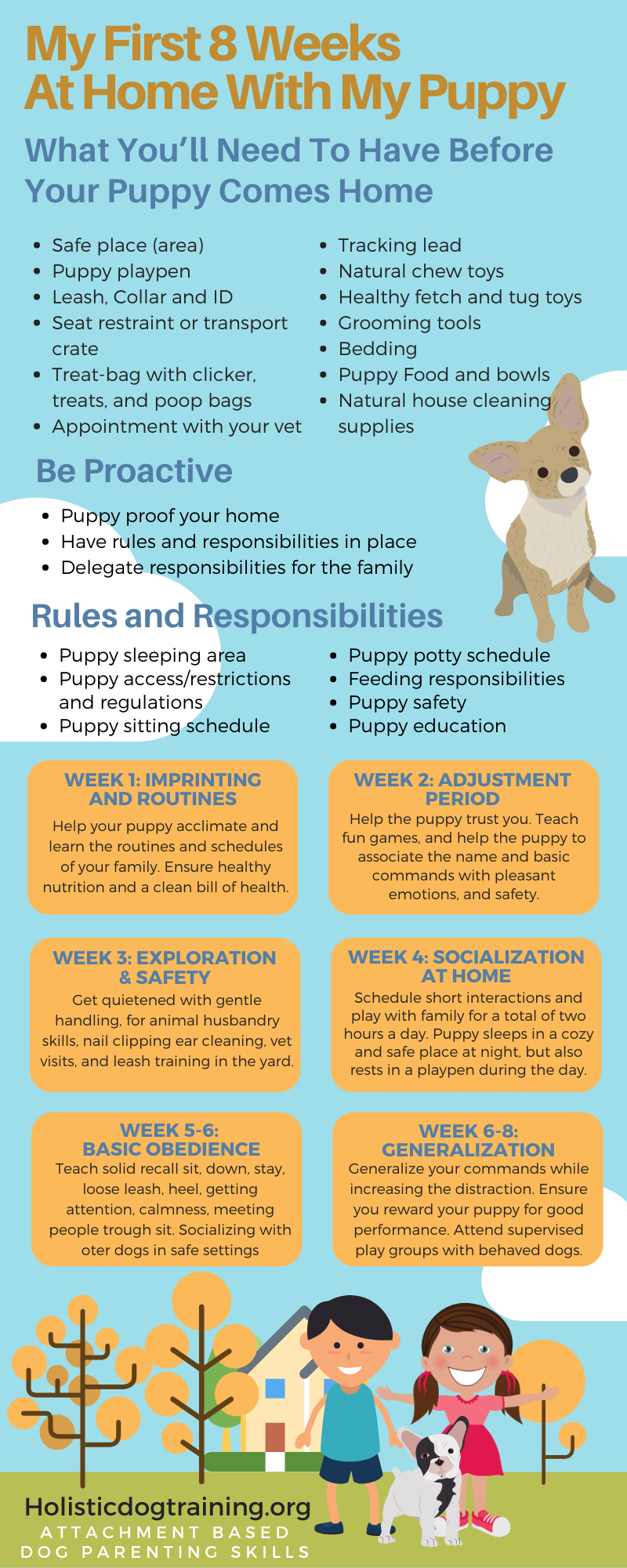
Credit: hilinelaw.com
Using Positive Reinforcement For Best Results
Positive reinforcement means rewarding good behavior. This is the most effective way to train dogs.
Types Of Rewards
- Treats: Small, tasty snacks.
- Praise: Kind words and petting.
- Play: Favorite toys or games.
Why It Works
Dogs repeat behaviors that bring rewards. Positive reinforcement creates trust and enthusiasm.
Tips For Success
- Reward immediately, so your dog connects the action with the reward.
- Change rewards to keep your dog interested.
- Avoid punishment, which can cause fear and confusion.
Non-obvious Insight
Many beginners forget that timing matters. If you reward too late, your dog might not understand what they did right. Practice rewarding within two seconds after the correct action.
How Often Should You Train?
Consistency is key. Short, daily sessions work better than long, occasional ones.
Training Schedule
- 5–10 minutes per session
- 2–3 sessions per day
- Practice commands in different places
Why Short Sessions Are Best
Dogs learn faster when training is frequent and brief. Long sessions can cause boredom and frustration.
Non-obvious Insight
Change the location often. Dogs may only obey in the training spot if you never practice elsewhere. Try training in the kitchen, backyard, or park.
Tracking Progress: Using Data To Improve Training
Keeping records helps you see improvement and spot problems.
Here’s a sample table to track your dog’s progress:
| Command | Success Rate (%) | Session Duration (min) | Location |
|---|---|---|---|
| Sit | 90 | 8 | Living Room |
| Stay | 60 | 10 | Backyard |
| Come | 70 | 7 | Park |
Review your records weekly. Adjust your training based on which commands need more practice.
Comparing Training Methods
There are different ways to teach obedience. Let’s compare positive reinforcement with punishment-based training.
| Method | Effectiveness | Risk of Fear | Long-Term Results |
|---|---|---|---|
| Positive Reinforcement | High | Low | Lasting |
| Punishment-Based | Medium | High | Short-Term |
Studies show dogs trained with positive reinforcement are happier and more reliable. Punishment can cause fear and aggression.
Troubleshooting Common Training Challenges
Even with good technique, you might face some obstacles. Here’s how to solve common problems.
Dog Doesn’t Respond
- Check if your dog is tired, hungry, or distracted.
- Make sure your rewards are appealing.
- Repeat commands calmly and patiently.
Dog Ignores Commands In Public
- Practice in new places with fewer distractions first.
- Gradually add more distractions.
- Reward every successful response.
Dog Gets Bored Or Frustrated
- Keep sessions short.
- Mix up commands and rewards.
- End on a positive note.
Dog Only Obeys One Person
- Have other family members practice commands.
- Use the same words and rewards.
Non-obvious Insight
Many owners forget to proof commands. This means practicing in different situations, with distractions, and with other people. Proofing makes sure your dog listens everywhere, not just at home.
How Age And Breed Affect Training
Dogs of different ages and breeds learn at different speeds.
| Dog Age/Breed | Learning Speed | Recommended Approach |
|---|---|---|
| Puppy (2–6 months) | Fast | Short, playful sessions |
| Adult Dog (1–7 years) | Medium | Consistent, clear commands |
| Senior Dog (8+ years) | Slower | Gentle, patient training |
| Working Breed | Fast | Challenge with advanced tasks |
| Toy Breed | Medium | Use small treats, gentle handling |
Some breeds, like Border Collies and German Shepherds, learn quickly. Others, like Bulldogs or Basset Hounds, may need more patience.
What To Do If Progress Is Slow
Don’t worry if your dog takes longer to learn. Every dog is different. Here’s what you can try:
- Change rewards to something more exciting.
- Review your timing and technique.
- Ask family members to help with practice.
- Take a break and return later.
If you’re stuck for weeks, consider consulting a professional trainer or reading trusted resources like the American Kennel Club.
Building Good Habits Beyond Commands
Obedience commands are just the beginning. Teaching routines and manners helps your dog feel secure and behave well.
Examples
- Feeding at the same times each day.
- Waiting at doors before going outside.
- Calm greeting when visitors arrive.
Good habits prevent problem behaviors and make life smoother for everyone.
Handling Setbacks And Regression
Sometimes dogs forget commands or develop new bad habits. This is normal.
Steps To Recover
- Return to basics. Practice commands as you did in the beginning.
- Reduce distractions.
- Increase rewards.
- Stay patient—progress will return.
Socialization And Obedience: How They Work Together
Obedience training and socialization are connected. Socializing your dog—meeting other dogs, people, and places—helps them learn to listen everywhere.
Tips
- Use commands during walks and playdates.
- Reward calm behavior around strangers.
- Practice obedience in new environments.
Dogs who are well-socialized are less fearful and more responsive to commands.

Credit: www.amazon.com
When To Seek Professional Help
Most owners can teach basic commands at home. However, some dogs need expert guidance, especially if they show aggression, fear, or serious behavior issues.
Look for certified trainers who use positive methods. Avoid trainers who use punishment or force. Professional help can speed up learning and solve tough problems.
Frequently Asked Questions
How Long Does It Take To Teach Basic Obedience Commands?
Most dogs learn basic commands in 2–4 weeks with daily practice. Puppies may learn faster, while adult or stubborn dogs can take longer. The key is consistency and patience.
What If My Dog Doesn’t Like Treats?
Try other rewards like praise, play, or favorite toys. Some dogs respond better to affection or games. Experiment to find what motivates your dog.
Can I Train My Dog If They Are Older?
Yes, senior dogs can learn new commands. Use gentle, patient training and smaller steps. Older dogs may need more time, but they can still benefit from obedience training.
Is It Necessary To Use A Clicker?
A clicker is helpful but not essential. The main goal is to mark the correct behavior with a sound or word. You can use “Yes!” or a gentle tap instead.
How Do I Know If My Training Is Working?
Watch for signs like quick responses, calm behavior, and reliable obedience in different places. Tracking progress with notes or tables can help. If your dog enjoys training and improves, your methods are working.
Teaching basic obedience commands at home is a rewarding journey. It builds a strong bond and makes life safer and happier for both you and your dog. With clear steps, positive reinforcement, and consistent practice, anyone can guide their dog to listen and behave well.
Remember to adjust your approach for your dog’s personality and needs. Celebrate small successes, stay patient, and enjoy the process. Your dog will thank you with loyalty and love.

Credit: www.whole-dog-journal.com
We’re the dedicated team behind MyPawSafe.com, with over a decade of combined experience in veterinary care, pet emergency response, and animal behavior. While we prefer to let our work speak for itself, our mission is clear: to provide science-backed, vet-approved advice that helps pet owners prevent accidents and save lives.