When you see a Husky Malamute mix, you notice a striking dog. Their eyes are sharp, their fur thick, and their attitude bold. But looks are only the beginning. This breed mix, sometimes called an Alusky, is the result of crossing the Siberian Husky with the Alaskan Malamute. Both parent breeds are famous for their stamina, intelligence, and loyalty. Together, they make a hybrid that is unique but not always easy for beginners. If you want a dog that’s energetic, smart, and needs plenty of attention, the Husky Malamute mix could be a good choice—but you need to know what you’re getting into.
This guide will help you understand the Husky Malamute mix, from their history and appearance to their care, temperament, and health. Whether you’re thinking about adopting, or you already have one, you’ll find clear advice and facts here. Let’s explore what makes this hybrid special, and what you need to do to keep them happy and healthy.
The Origins Of The Husky Malamute Mix
The Siberian Husky and Alaskan Malamute share roots as sled dogs from cold northern climates. Huskies come from Siberia, while Malamutes were bred by the native Mahlemut people in Alaska. Both breeds were created to work, pull sleds, and survive tough conditions.
Mixing these two breeds is not new, but it’s grown more popular in the last 20 years. Breeders wanted a dog with the stamina of both breeds, and the friendly, outgoing personality of the Husky. Some people also liked the larger size and strength of the Malamute, hoping for a dog that looked imposing but acted gentle.
Most Husky Malamute mixes are first-generation crosses. This means their parents are purebred Husky and purebred Malamute, not two Aluskies. There isn’t an official breed standard for the mix, so each dog can look and act a bit different.
Physical Appearance
A Husky Malamute mix can vary in size, shape, and color. Some dogs look more like Huskies; others look like Malamutes. But there are common features you can expect.
Size And Weight
These dogs are usually medium to large. Most weigh between 60 and 100 pounds. Males are often larger than females. Huskies are smaller (35–60 lbs), while Malamutes can reach 85–100 lbs or more. The mix tends to fall in the middle, but some can be as big as the Malamute parent.
Coat And Color
The coat is thick, double-layered, and helps them survive in cold climates. It sheds heavily twice a year. Common colors include:
- Black and white
- Gray and white
- Red and white
- Solid white
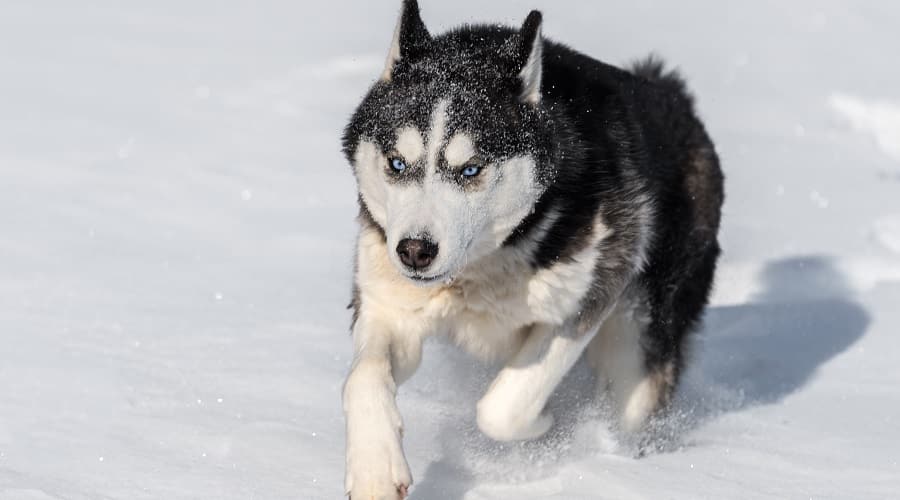
Some mixes have the Husky’s striking facial mask and blue eyes. Others have brown eyes, or even one blue and one brown (heterochromia). The Malamute’s coat is more coarse, while the Husky’s is softer. The mix often has a combination of both.
Facial Features
Many Husky Malamute mixes have upright ears, a wolf-like face, and a bushy tail. The tail can curl over the back, especially when excited. Their expression is alert and friendly.
Comparison Table: Husky Vs Malamute Vs Mix
Here’s a quick look at the differences and similarities:
| Feature | Siberian Husky | Alaskan Malamute | Husky Malamute Mix |
|---|---|---|---|
| Weight | 35–60 lbs | 75–100 lbs | 60–100 lbs |
| Height | 20–24 in | 23–27 in | 22–26 in |
| Coat | Soft, double | Coarse, double | Thick, double |
| Eye Color | Blue, brown, mixed | Brown | Blue, brown, mixed |
| Tail | Curled | Plume, often flat | Curled or plume |
Temperament And Personality
The Husky Malamute mix is known for being friendly, energetic, and intelligent. But they also have strong personalities, and sometimes stubborn streaks. Understanding their temperament is key to raising them well.
Energy Levels
These dogs have high energy. They need lots of exercise every day—at least 1–2 hours. If they don’t get enough, they can become bored and destructive. Some owners underestimate this, thinking a big yard is enough. In truth, they need walks, runs, and playtime.
Social Nature
Both parent breeds are social. The mix usually enjoys being around people, kids, and other dogs. They don’t like being left alone for long periods. Separation anxiety is common. Early socialization helps them become more confident and less nervous.
Intelligence And Trainability
Husky Malamute mixes are smart but can be independent. They learn commands quickly, but sometimes choose not to obey. This is typical for northern breeds. Consistent training, positive reinforcement, and patience are vital. They respond well to treats, praise, and games.
Protective Instincts
Malamutes are more protective; Huskies are more curious. The mix can be a good watchdog, alerting you to strangers, but they’re not aggressive by nature. They rarely make strong guard dogs.
Voice And Communication
These dogs are vocal. Huskies are famous for their howls, “talking,” and whining. Malamutes are quieter but can bark deeply. The mix often inherits the Husky’s love for howling and “chatting.” Some owners find this charming; others find it noisy.
Unique Insight: Motivational Drives
Beginners often miss that these dogs are not motivated by pleasing people. Instead, they respond to fun, food, and curiosity. If training isn’t interesting, they lose focus. This is different from breeds like Golden Retrievers.
Exercise And Activity Needs
If you want a Husky Malamute mix, be ready for an active lifestyle.
Daily Exercise Requirements
These dogs need at least 60–120 minutes of activity every day. This can include:
- Long walks
- Running or jogging
- Hiking
- Playing fetch
- Agility training
Skipping exercise leads to behavior problems. Chewing, digging, and escaping are common signs of boredom.
Mental Stimulation
Physical activity isn’t enough. The mix needs mental challenges. Puzzle toys, training sessions, and learning new tricks keep their minds sharp. Without this, they can become restless and hard to manage.
Safe Outdoor Time
These dogs have strong prey drives and love to roam. Always use a secure leash or fenced area. They can jump fences or dig under them if motivated. Some have escaped and run for miles, following their instincts.
Unique Insight: Weather Adaptation
Many owners assume these dogs can only handle cold weather. In fact, they adapt well to warmer climates if given shade, water, and rest. Avoid intense exercise in high heat, but don’t think they must live in the snow.
Grooming And Coat Care
The thick double coat is beautiful but takes work.
Brushing
Husky Malamute mixes need brushing 2–3 times a week. During “blowing coat” season (spring and fall), daily brushing is best. Use a slicker brush and undercoat rake for best results. This removes dead hair and prevents mats.
Bathing
Bathe them only every 2–3 months unless they get dirty. Over-bathing can strip natural oils, causing dry skin.
Shedding
Be ready for heavy shedding. You’ll find fur on clothes, furniture, and floors. Investing in a good vacuum is wise.
Nails, Ears, Teeth
Trim nails monthly. Clean ears weekly to prevent infection. Brush teeth at least twice a week.
Grooming Table: Tools And Frequency
| Task | Tool | Frequency |
|---|---|---|
| Brushing | Slicker brush, rake | 2–3 times/week |
| Bathing | Dog shampoo | Every 2–3 months |
| Nail trimming | Nail clipper | Monthly |
| Ear cleaning | Ear wipes | Weekly |
| Teeth brushing | Dog toothbrush | 2 times/week |
Unique Insight: Blow Coat Season
During spring and fall, the mix loses its undercoat in huge amounts. Owners often underestimate the mess and time needed. Plan for extra brushing and cleaning during these months.
Nutrition And Diet
Proper food keeps your Husky Malamute mix healthy and active.
Calorie Needs
A typical adult needs 1,500–2,500 calories per day, depending on size and activity level. Puppies and active dogs need more; older or less active dogs need less.
Protein And Fat
Choose food with high protein (25–30%) and moderate fat (12–20%). Avoid fillers like corn and soy. Look for real meat as the first ingredient.
Feeding Schedule
Feed adults twice daily. Puppies eat 3–4 times a day. Don’t free-feed, as this mix can gain weight quickly if not active.
Common Mistakes
Many owners give too many treats or table scraps. This leads to obesity and health problems. Stick to healthy treats like carrot sticks or lean meat.
Sample Feeding Plan
- Morning: 1–1.5 cups of high-quality dry food
- Evening: 1–1.5 cups of dry food
- Occasional: Wet food or cooked chicken as a topper
Unique Insight: Water Intake
This mix drinks more water than you expect, especially after exercise. Always provide fresh water. Dehydration can cause serious problems.
Health And Lifespan
The Husky Malamute mix is generally healthy, but they inherit some risks from both parents.
Average Lifespan
Most live 10–14 years. Good care can extend this.
Common Health Issues
- Hip dysplasia
- Elbow dysplasia
- Eye problems (cataracts, progressive retinal atrophy)
- Hypothyroidism
- Bloat
- Arthritis in older age
Prevention And Care
Regular vet checkups are vital. Early screening for hip and eye issues helps. Keep their weight stable and exercise them regularly.
Vaccinations And Parasite Control
Follow standard vaccinations: rabies, distemper, parvo, and others. Use flea, tick, and heartworm prevention year-round, even in winter.
Data Table: Health Risks And Prevention
| Health Issue | Prevention | Signs to Watch |
|---|---|---|
| Hip dysplasia | Controlled weight, exercise | Limping, difficulty rising |
| Eye problems | Annual eye exams | Cloudy eyes, vision loss |
| Hypothyroidism | Blood tests | Weight gain, lethargy |
| Bloat | Small meals, no exercise after eating | Swollen belly, restlessness |
Unique Insight: Early Detection
Many owners don’t notice health problems until they’re serious. Pay attention to small changes: limping, cloudy eyes, or sudden tiredness. Early vet visits save money and heartache.
Training And Socialization
Training a Husky Malamute mix is rewarding but needs patience.
Puppy Training
Start early. Use positive reinforcement: treats, toys, praise. Basic commands like sit, stay, and come are essential. Socialize with other dogs and people to prevent nervousness.
Adult Training
If adopted as an adult, be patient. The mix may have habits you need to change. Use short training sessions—10–15 minutes at a time. Consistency is key.
Leash Training
These dogs pull hard. Use a no-pull harness and teach loose-leash walking. Never use harsh corrections; it makes them resistant.
Recall Training
Many mixes have poor recall, meaning they don’t always come when called. Practice in safe spaces. Use high-value rewards.
Unique Insight: Leadership
This breed respects confident leaders. If you act nervous or inconsistent, they will ignore commands. Be calm and firm.
Living Environment
The Husky Malamute mix isn’t suited for every home.
Space
They need room to run. Apartments are possible if you commit to daily exercise, but a house with a yard is better.
Climate
Their coat handles cold well. In hot climates, provide shade and limit midday activity.
Fencing
A secure fence is vital. Minimum height: 6 feet. Check for digging spots.
Family Fit
They do well with families, especially active ones. Not ideal for elderly owners or those who can’t exercise regularly.
Unique Insight: Escape Artists
Many owners are surprised by their mix’s ability to escape. Double-check gates and fences.
Cost And Ownership
Owning a Husky Malamute mix is not cheap.
Adoption And Purchase
Adoption fees: $150–$400. Buying from a breeder: $800–$2,000. Always check breeder reputation.
Annual Expenses
- Food: $400–$800
- Vet care: $300–$600
- Grooming tools: $100–$200
- Training: $150–$500
- Toys and accessories: $100–$200
Unexpected Costs
Emergency vet bills, fence repairs, or professional training can add up.
Unique Insight: Insurance Value
Pet insurance is often overlooked. It can save thousands if your dog gets sick or injured.

Credit: www.infinibandta.org
Breeding And Genetics
Understanding the genetics helps explain their traits.
Parent Breed Influence
Some mixes look and act more like Huskies, others like Malamutes. Genetics are random, so littermates can be very different.
Genetic Testing
Ask breeders for health screening results. This lowers the risk of inherited problems.
Unique Insight: Hybrid Vigor
First-generation mixes often have fewer health problems due to hybrid vigor. But this isn’t guaranteed.
Activities And Sports
The Husky Malamute mix excels in dog sports.
Sledding And Pulling
They love pulling sleds, carts, or bikes (urban mushing). Even in non-snowy areas, you can try carting or bikejoring.
Agility And Obedience
These dogs enjoy agility courses and obedience competitions. It’s a good way to burn energy and build bonds.
Hiking
Perfect hiking companions. They can carry backpacks and help you explore trails.
Unique Insight: Job Satisfaction
This mix is happiest with a “job. ” Even simple chores like carrying a backpack make them feel useful.
Credit: www.infinibandta.org
Husky Malamute Mix Vs Other Hybrids
There are many “designer” dog mixes, but the Husky Malamute stands out for its stamina and personality.
Compared To Husky German Shepherd Mix
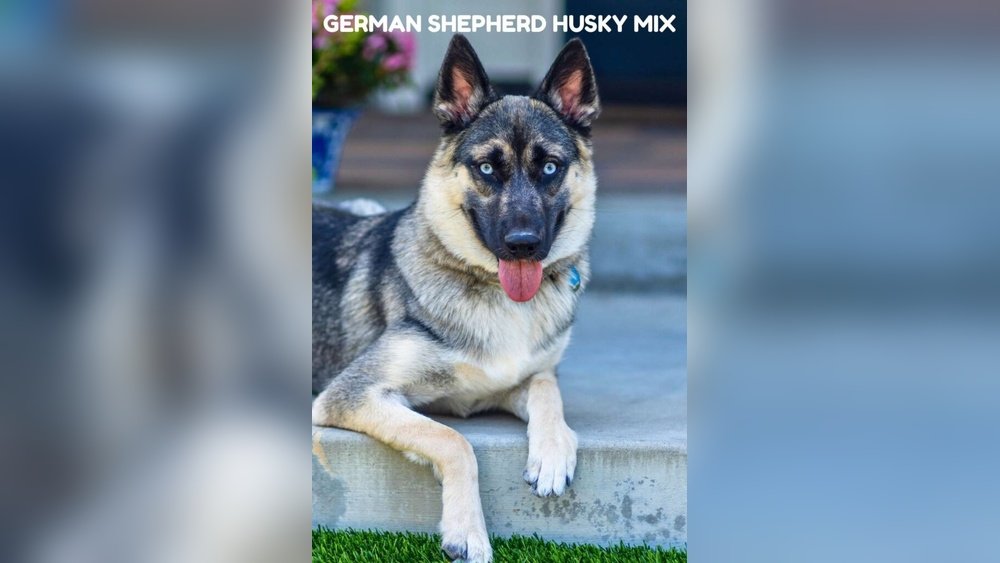
The Husky German Shepherd mix is more focused and easier to train but less social.
Compared To Malamute Golden Retriever Mix
The Malamute Golden Retriever mix is more gentle, better for families with small kids.
Unique Insight: Not For Everyone
Some people choose the Husky Malamute mix for looks, but don’t realize the work involved. This breed needs commitment.
Husky Malamute Mix Adoption Tips
If you decide to adopt, keep these tips in mind:
- Meet the dog first. Look for signs of friendliness and confidence.
- Ask about background. Find out health history, temperament, and previous training.
- Check for breed-specific rescues. They often know more about northern breeds.
- Prepare your home. Secure fences, buy grooming tools, and plan for exercise.
- Commit to training. Start early and keep sessions short and positive.

Credit: www.infinibandta.org
Frequently Asked Questions
What Is The Typical Lifespan Of A Husky Malamute Mix?
Most Husky Malamute mixes live 10–14 years. Good nutrition, regular vet care, and lots of exercise help them stay healthy longer.
Are Husky Malamute Mixes Good With Children?
Yes, if socialized early. They are friendly and playful but can be strong. Supervise play with small children to prevent accidental knocks.
How Much Exercise Does A Husky Malamute Mix Need?
They need 1–2 hours of exercise every day. This includes walks, runs, and play. Without enough activity, they can become bored and destructive.
Do Husky Malamute Mixes Shed A Lot?
Yes, they shed heavily, especially during spring and fall. Regular brushing and vacuuming help manage the fur.
Where Can I Learn More About Northern Breed Mixes?
A great resource is the Alaskan Malamute Wikipedia page. It offers detailed breed history and care advice.
Owning a Husky Malamute mix is a big adventure. They’re loyal, energetic, and intelligent—but also demanding. With the right knowledge and effort, they can be an amazing addition to your family. If you’re ready for the challenge, this hybrid may reward you with years of fun, friendship, and unforgettable moments.

We’re the dedicated team behind MyPawSafe.com, with over a decade of combined experience in veterinary care, pet emergency response, and animal behavior. While we prefer to let our work speak for itself, our mission is clear: to provide science-backed, vet-approved advice that helps pet owners prevent accidents and save lives.