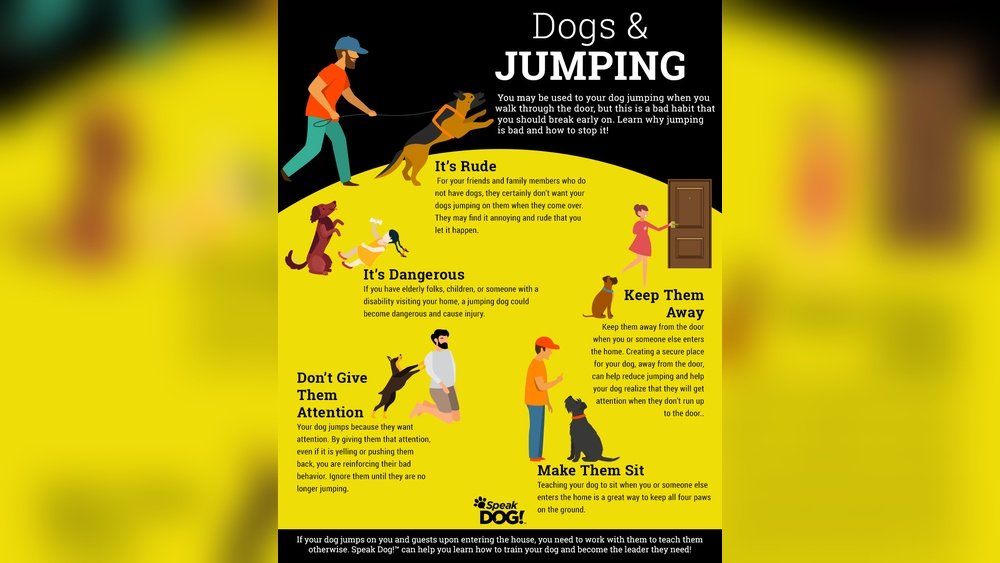
A dog jumping up to greet guests is a common problem for many pet owners. It may look cute when your puppy leaps up in excitement, but as your dog grows, this behavior can become annoying, embarrassing, or even dangerous—especially for children or elderly visitors.
If you want a calm, polite dog that keeps all four paws on the floor, you are not alone. Many owners struggle with this issue, but the good news is that jumping can be managed and even stopped with the right approach.
You do not need to be a professional trainer to teach your dog better manners. With patience, consistency, and a clear plan, you can help your dog greet guests without jumping. This article will guide you step by step through why dogs jump, how to prevent it, and practical training methods that really work.
Whether you have a young puppy or an older dog, these strategies will help you create a more peaceful home for everyone who visits.
Why Dogs Jump On Guests
Understanding why dogs jump is the first step to solving the problem. Dogs are social animals. When guests arrive, your dog feels excitement, curiosity, and sometimes anxiety. Jumping is often a way to:
- Greet people at face level
- Get attention (positive or negative)
- Release pent-up energy
- Express happiness
Puppies naturally jump on their mothers and siblings for attention. This behavior can continue into adulthood if not properly managed. Dogs also learn that jumping sometimes brings rewards: petting, laughter, or even being spoken to. Even scolding can feel like attention to a dog.
The Risks And Problems Of Jumping
While a little jump may seem harmless, it can cause real problems:
- Injuries: Dogs can accidentally scratch, knock over, or frighten guests, especially children or elderly people.
- Reinforcement of Bad Habits: If guests pet or greet the dog while it jumps, it rewards the behavior.
- Stress for Owner and Visitors: Owners may feel embarrassed or anxious, and guests may become uncomfortable or even fearful.
According to the American Veterinary Medical Association, more than 4.5 million people are bitten by dogs in the US each year, and uncontrolled jumping can sometimes lead to bites out of excitement or fear.
Setting Realistic Expectations
Stopping a dog from jumping on guests is not an overnight fix. Training requires:
- Consistency from everyone in the household
- Patience with your dog’s learning pace
- Clear communication with family and visitors
Some breeds, like Labradors and Boxers, are naturally more enthusiastic greeters. Age also matters—puppies have less impulse control than older dogs. But any dog can learn to greet politely with the right guidance.
Preparing Your Home And Guests
Before you start training, set your dog up for success. Here’s how you can prepare:
- Communicate with Guests: Let friends and family know you are training your dog and need their help. Ask them to ignore your dog if it jumps and follow your training instructions.
- Leash Your Dog: Keep your dog on a leash or behind a baby gate when guests arrive. This gives you more control and prevents the dog from practicing bad habits.
- Remove Temptations: Put away toys or food near the entryway to keep your dog focused on training.
- Have Treats Ready: High-value treats will help you reward calm behavior quickly.
Foundation Training: Basic Commands
Teaching your dog basic obedience commands makes all other training easier. Commands like “sit,” “stay,” and “down” give your dog alternative behaviors instead of jumping.
Teaching “sit” To Prevent Jumping
“Sit” is a simple command, but it’s powerful in stopping jumping. Here’s how to teach it:
- Hold a treat close to your dog’s nose.
- Move your hand up, allowing your dog’s head to follow the treat, causing their bottom to lower.
- As soon as your dog sits, say “sit” and give the treat.
- Practice in short sessions daily.
Ask your dog to “sit” every time you or someone else enters the house. Reward calm sitting with treats and gentle praise.
Using “stay” And “place”
Once your dog can sit, add “stay” or send your dog to a special spot, like a mat or bed (“place”). This keeps your dog calm and out of the way when guests arrive.
- Teach “stay” by having your dog sit, then holding your palm out and saying “stay.” Take a step back, reward, and slowly increase the distance and time.
- For “place,” guide your dog to a mat, say “place,” and reward. Practice until your dog understands to stay there.
Training Methods To Stop Jumping
There are several proven ways to stop a dog from jumping on guests. Not every method works for every dog, so you may need to try a few or combine techniques.
Ignore The Jumping
Dogs jump because it works. If every person ignores the jumping—no eye contact, no touching, no talking—the reward is removed. Here’s how:
- When your dog jumps, turn away and fold your arms.
- Do not speak, look, or touch your dog.
- Wait for your dog to calm down or place all four paws on the floor.
- As soon as your dog is calm, reward with attention or treats.
This method takes time but is very effective. The key is consistency—everyone must follow this rule.
Teach An Incompatible Behavior
A dog cannot jump and sit at the same time. Teaching your dog to do something else, like “sit” or “down,” when guests arrive replaces the jumping behavior.
- Ask your dog to “sit” as soon as the doorbell rings.
- Only allow guests to greet the dog when it is sitting.
- If your dog stands up, guests should immediately stop attention until the dog sits again.
Controlled Greetings
Practice greeting routines with family and friends before real guests arrive.
- Put your dog on a leash.
- Have someone come to the door and enter.
- If your dog starts to jump, the guest steps back outside.
- When your dog is calm and sitting, the guest comes in and greets the dog.
- Repeat until your dog learns that only calm greetings get attention.
Reward Calm Behavior
Many owners only pay attention to their dogs when they misbehave. Make an effort to notice and reward your dog whenever they are calm or polite—especially around guests.
- Use treats, praise, or gentle petting.
- Calmly say “good dog” when all four paws are on the floor.
- Ignore hyper or jumping behavior.
Use Of Leash Or Baby Gate
A leash gives you control during greetings. A baby gate can separate your dog from guests until the excitement dies down.
- Keep your dog leashed and ask for a “sit” before allowing any greeting.
- If your dog jumps, gently guide them back and wait for calm.
- With a baby gate, let guests enter while your dog watches, then let the dog out when calm.
Management Vs. Training
Sometimes, management tools are needed while you train. These include:
- Crate training: Give your dog a safe space to calm down during arrivals.
- Tethering: Secure your dog to a sturdy object near the entrance to prevent lunging.
- Interactive toys: Keep your dog busy with a chew or puzzle toy as guests arrive.
Management does not replace training but can prevent accidents as you work on new behaviors.

Credit: www.youtube.com
Common Mistakes To Avoid
Even the most caring owners make errors that slow down training. Watch out for these common mistakes:
- Inconsistent rules: If some people allow jumping and others do not, your dog will be confused.
- Punishing after the fact: Scolding or pushing your dog after it jumps may seem like attention and can increase excitement.
- Lack of practice: Only training when guests come over is not enough. Practice greetings daily with family or volunteers.
- Not controlling excitement: A tired dog is less likely to jump. Make sure your dog gets enough exercise before guests arrive.
Advanced Tips For Persistent Jumpers
If your dog is still struggling after basic training, try these advanced strategies:
- Clicker Training: Use a clicker to mark the exact moment your dog keeps all four paws on the floor. Follow with a treat. This method makes it clear what you want.
- Desensitization to Doorbell or Knocking: Some dogs get excited at the sound of the doorbell. Practice ringing the bell, then rewarding calm behavior. Repeat until your dog no longer reacts with jumping.
- Practice with Props: Use a fake door or have someone dress as a “guest” to create more realistic practice sessions.
- Professional Help: If jumping is linked to anxiety or aggression, consult a certified dog trainer or behaviorist.
Comparing Training Methods
Different training methods work for different dogs. Here is a comparison of some popular approaches.
| Method | Pros | Cons | Best For |
|---|---|---|---|
| Ignoring Jumping | Simple, no tools needed | Needs total consistency | Most friendly dogs |
| Teaching “Sit” | Clear replacement behavior | Requires prior training | Dogs who know basic commands |
| Leash/Management | Immediate control | Doesn’t teach new behavior | Strong or excitable dogs |
| Professional Trainer | Expert guidance | Higher cost | Severe or persistent cases |
The Role Of Exercise And Mental Stimulation
A tired dog is a better-behaved dog. If your dog has too much energy, it will be harder for them to stay calm when guests arrive.
- Take your dog for a walk or play fetch before expecting polite greetings.
- Use puzzle toys, training games, or scent work to keep their mind busy.
- Dogs need both physical and mental exercise to stay balanced.
Some breeds, like Border Collies or German Shepherds, need more activity than others. Tailor your dog’s routine to their needs.
Teaching Children And Guests
Children often react to jumping with squeals or laughter, which can reinforce the behavior. Teach kids to:
- Stand still and cross their arms if the dog jumps (“be a tree”).
- Only pet the dog when it is sitting calmly.
- Never run away or shout, as this excites most dogs.
Ask adult guests to follow your training plan. If someone encourages jumping, politely remind them you are working on your dog’s manners.
When To Seek Professional Help
Most jumping problems can be solved at home, but sometimes outside help is needed. Consider a certified dog trainer or behaviorist if:
- Your dog’s jumping is aggressive or linked to fear.
- You feel overwhelmed or frustrated.
- Your dog does not respond to basic training over several weeks.
Look for trainers who use positive reinforcement methods. Avoid any who suggest harsh punishment or physical force.
Example Training Plan For A Week
Here is a sample schedule to help you practice polite greetings with your dog:
| Day | Activity | Goal |
|---|---|---|
| Monday | Practice “sit” at front door with family | Dog sits when door opens |
| Tuesday | Practice “stay” while someone knocks | Dog stays calm during noise |
| Wednesday | Controlled greeting with a neighbor | No jumping during greeting |
| Thursday | Review and reward calm behavior throughout the day | Reinforce good manners |
| Friday | Practice with two guests at once | Dog greets multiple people calmly |
| Saturday | Test with unexpected visitor (planned in advance) | Dog applies skills to real-life situation |
| Sunday | Rest and reward, review progress | Celebrate improvements, adjust plan if needed |
Progress Tracking And Celebrating Success
Tracking your dog’s progress helps keep you motivated and highlights what still needs work. Keep a simple log:
- Date and time of training
- Who practiced with the dog
- What happened (jumping, sitting, staying)
- Rewards used and the dog’s reaction
Celebrate small wins! Success may come slowly, especially with older dogs or those with strong habits. But each polite greeting is progress.
Real-life Example
Maria had a two-year-old Labrador, Bella, who jumped on every guest. At first, Maria tried yelling “no” and pushing Bella down, but it only made things worse. She started using the “ignore and reward” technique. Maria told her guests to turn away when Bella jumped and only pet her when she sat.
She practiced with neighbors and used treats for calm behavior. After two weeks, Bella started sitting as soon as the doorbell rang. Maria kept rewarding this, and now guests are greeted with a happy, sitting dog.
Frequently Asked Questions

Credit: www.youtube.com
What If My Dog Only Jumps On Certain Guests?
Some dogs are more excited by specific people, like children or guests who react with excitement. Use the same training approach: have those guests ignore jumping and reward calm behavior. Practice with different types of visitors so your dog learns to greet everyone politely.
How Long Does It Take To Stop Jumping?
It depends on your dog’s age, energy, and history. Puppies may learn in a few weeks, while older dogs with strong habits may take longer. Consistency is key. Most owners see progress within 2–4 weeks with daily practice.

Credit: www.usadogbehavior.com
Can I Use Punishment To Stop Jumping?
Punishment, like kneeing your dog or yelling, often backfires. It can make dogs more excited, anxious, or even afraid. Positive reinforcement—rewarding good behavior—is more effective and builds trust between you and your dog.
Will Neutering/spaying Help With Jumping?
Neutering or spaying can reduce some hormone-driven behaviors, but jumping is usually about excitement and learned habits, not hormones. Training is the most effective way to stop jumping on guests.
Are There Breeds That Are Harder To Train Not To Jump?
Some breeds, like Boxers, Labradors, and Spaniels, are known for their enthusiasm and friendliness, which can mean more jumping. However, with patience and the right methods, any breed can learn polite greetings. Consistent training and exercise are especially important for high-energy dogs.
For more on positive dog training, visit the ASPCA Dog Training page.
Helping your dog learn to greet guests politely can take time, but the rewards are worth it. Not only will your guests feel more comfortable, but your dog will also be calmer and more confident. Remember, every dog can learn new manners with patience and consistency.
Stay positive, celebrate progress, and enjoy the peace that comes with a well-trained canine companion.
We’re the dedicated team behind MyPawSafe.com, with over a decade of combined experience in veterinary care, pet emergency response, and animal behavior. While we prefer to let our work speak for itself, our mission is clear: to provide science-backed, vet-approved advice that helps pet owners prevent accidents and save lives.