Chow Chow Complete Guide: Temperament, Size, And Care
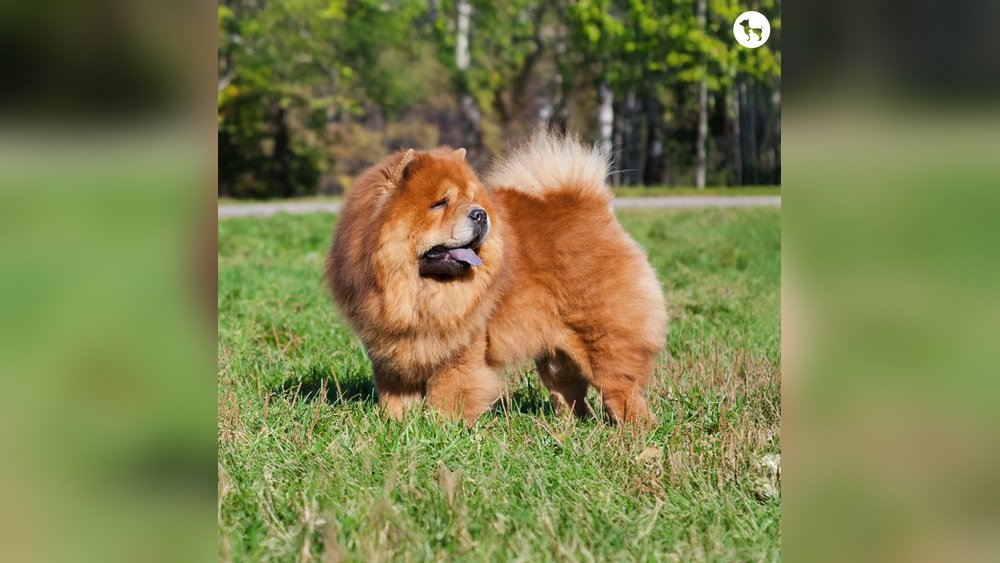
The Chow Chow is one of the most fascinating dog breeds in the world. With its lion-like mane, unique blue-black tongue, and calm presence, this breed stands out in any crowd. But there’s much more to the Chow Chow than its looks. If you’re thinking about owning a Chow Chow, or just want to learn about the breed, understanding its temperament, size, and care needs is essential. In this guide, you’ll discover everything you need to know, from how they behave to how big they get, and what daily life with a Chow Chow is really like.
The Chow Chow’s Origins And History
The Chow Chow is an ancient breed, believed to have existed for over 2,000 years. Native to northern China, these dogs were used for hunting, guarding, and even pulling carts. Their name in Mandarin, “Songshi Quan,” means “puffy-lion dog.” The breed’s unique appearance and temperament come from centuries of selective breeding.
Chow Chows were often seen in Chinese imperial palaces, and their image appears in ancient art and pottery. Over time, they spread to other countries, especially in the late 1800s, when Queen Victoria received a Chow Chow as a gift.
Today, they are popular around the world for their beauty and loyal nature.
Understanding Chow Chow Temperament
Chow Chows are known for their strong personality. Unlike many other breeds, they are not always outgoing or eager to please strangers. Their temperament makes them excellent companions for the right owner.
Loyalty And Bonding
Chow Chows often form a deep bond with one or two people in the family. They are very loyal and protective. They may not be friendly with everyone, but they love their chosen humans. This loyalty can sometimes turn into possessiveness, so socialization is important.
Independence
Many owners describe Chow Chows as independent and sometimes stubborn. They like to make their own decisions and may not always follow commands quickly. This trait comes from their history as working dogs who needed to think for themselves.
Aloofness With Strangers
Chow Chows are usually reserved around strangers. They rarely seek attention from people they don’t know. This can be a good thing if you want a dog that won’t jump on guests, but it also means the Chow Chow is not ideal for families who want a highly social pet.
Calmness And Quiet Behavior
Most Chow Chows are calm and quiet. They do not bark much unless there is a reason. This makes them good dogs for apartments or homes where noise is a concern. However, their calm nature can sometimes be mistaken for laziness.
Aggression And Protective Instincts
Chow Chows can be protective, sometimes to the point of aggression if they feel their family is threatened. Early training and socialization can reduce this risk. They are not naturally aggressive, but their guarding instincts are strong.
Notable Insights
- Chow Chows often use body language more than barking to show their feelings. They may turn away or ignore someone they dislike.
- Unlike some breeds, Chow Chows are not motivated by food or toys. Positive reinforcement works, but patience is required.
Chow Chow Size And Physical Traits
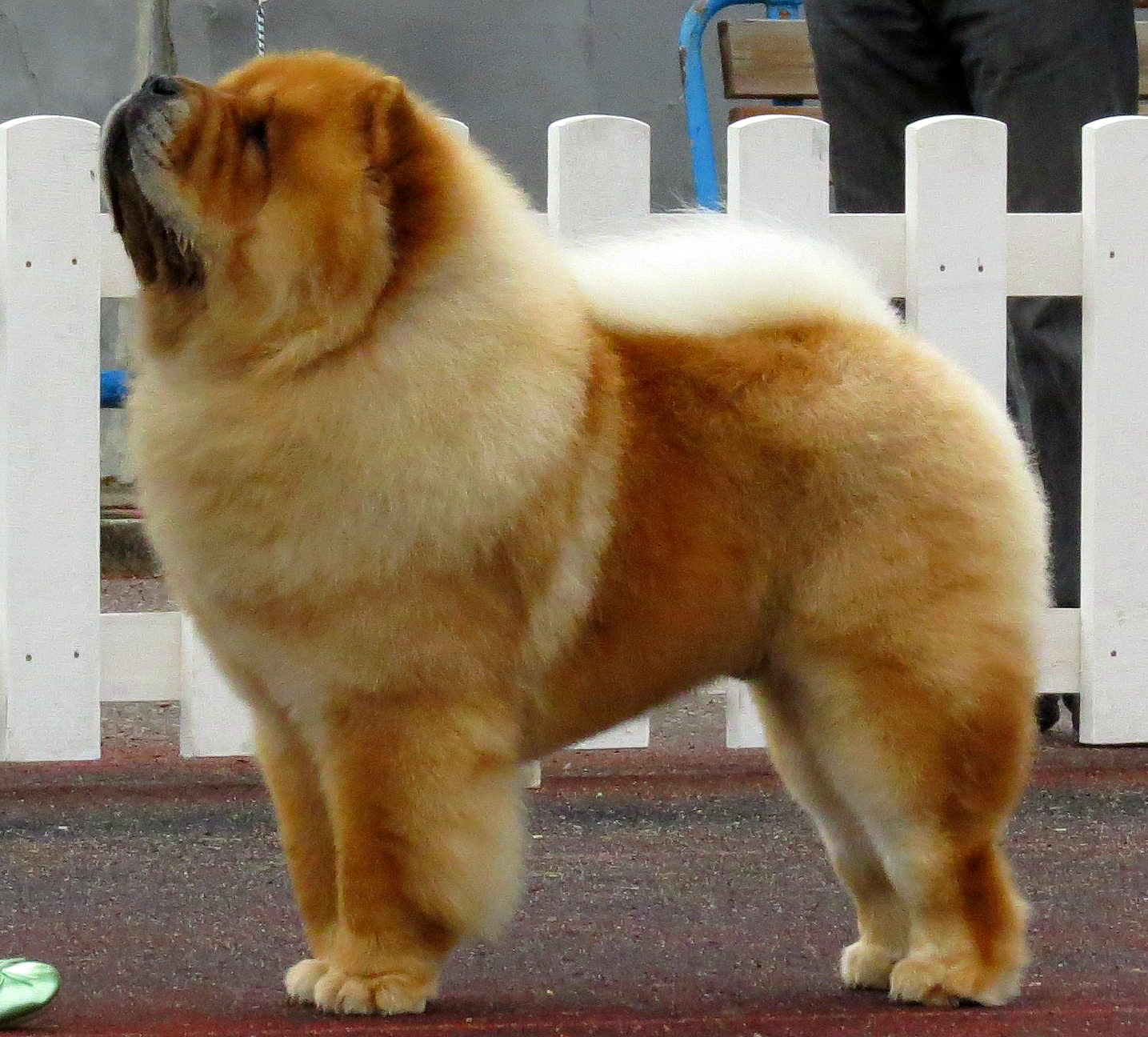
Chow Chows are medium-sized dogs, but their thick fur makes them appear larger. Their unique look comes from several distinct physical features.
Height And Weight
Adult Chow Chows usually stand between 17–20 inches (43–51 cm) at the shoulder. Their weight can range from 40–70 pounds (18–32 kg), depending on gender and genetics.
| Gender | Height (inches) | Weight (pounds) |
|---|---|---|
| Male | 18–20 | 55–70 |
| Female | 17–19 | 40–55 |
Coat And Colors
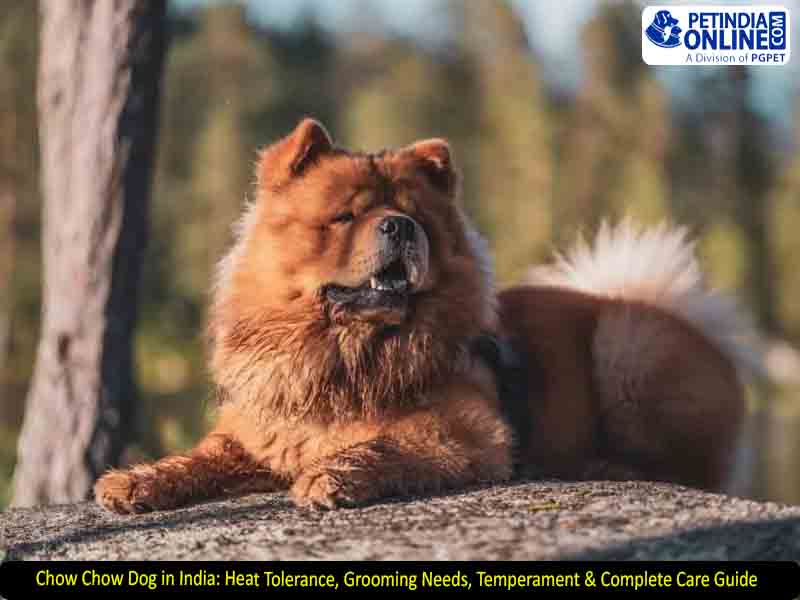
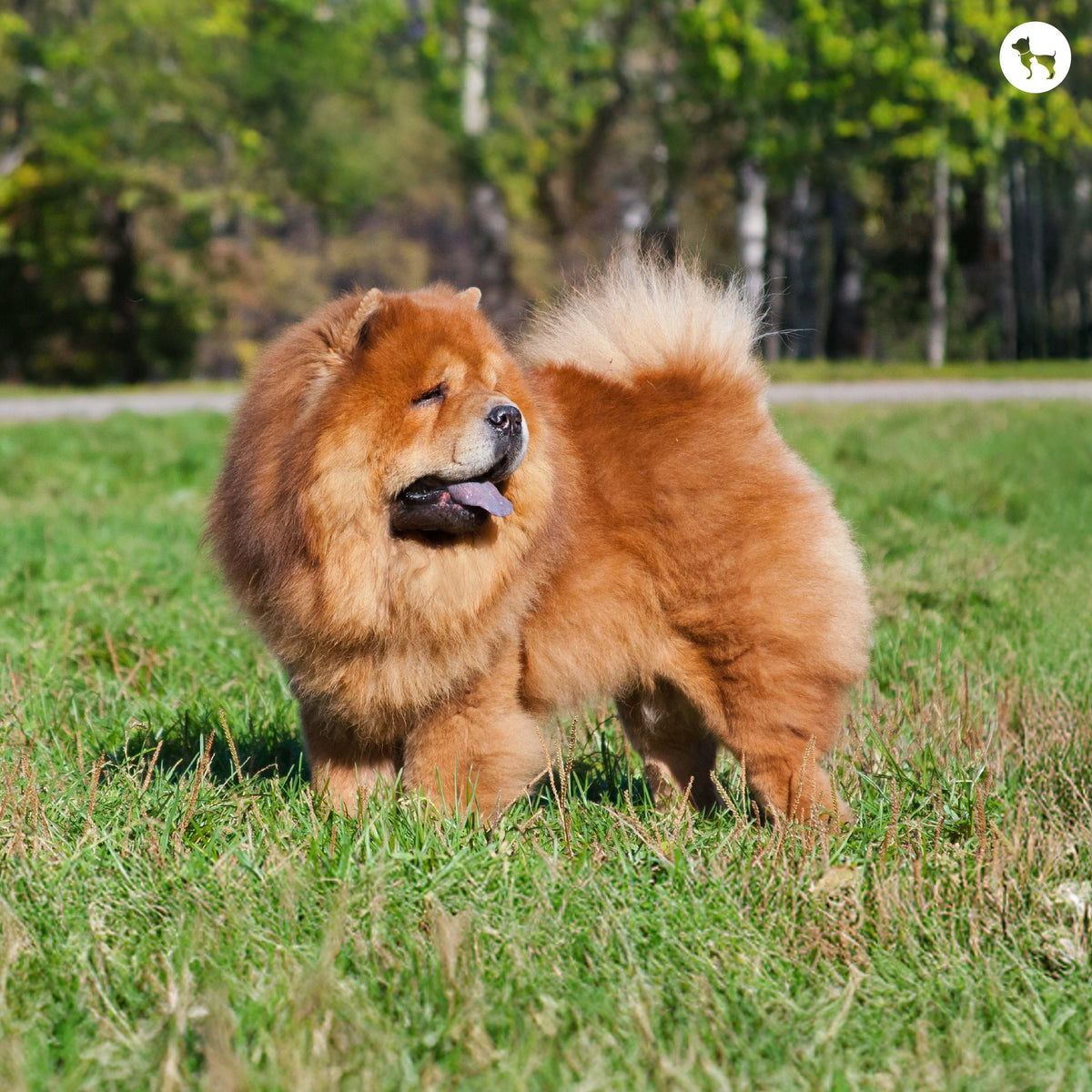
The Chow Chow’s coat is one of its most recognizable features. There are two types: rough (long and thick) and smooth (shorter and dense). Both require regular care. Common colors include:
- Red (most popular)
- Black
- Cream
- Blue
- Cinnamon
The blue-black tongue is unique to the breed, and even puppies are born with pink tongues that darken as they grow.
Facial Structure And Body
Chow Chows have a broad head, deep-set eyes, and a distinctive scowl. Their bodies are compact and muscular, with a tail that curls over their back. The mane around their neck gives them a “lion” appearance.
Lifespan
The typical lifespan of a Chow Chow is 8–12 years. With proper care, some live longer, but their life expectancy is slightly shorter than many other breeds.
Notable Insights
- Chow Chows are not good swimmers because of their heavy coat and body shape. Always supervise near water.
- The rough coat sheds heavily twice a year, while the smooth coat sheds less but still needs brushing.
Caring For A Chow Chow
Owning a Chow Chow is a big responsibility. They need proper care to stay healthy and happy. Here’s what you should know about their daily needs.
Feeding And Nutrition
Chow Chows need a balanced diet that supports their size and activity level. Most adult Chow Chows eat about 2–2.5 cups of high-quality dry food per day, split into two meals.
Key Points
- Choose food with animal protein as the first ingredient.
- Avoid foods with fillers like corn or soy.
- Chow Chows can be prone to allergies; monitor for reactions.
Some owners prefer grain-free diets, but always consult your vet before making major changes. Treats should be limited to prevent obesity.
Grooming Requirements
Chow Chows require regular grooming to keep their coat healthy and prevent matting.
Grooming Routine
- Brushing: Rough-coated Chow Chows need brushing at least three times a week. Smooth coats need brushing once or twice per week.
- Bathing: Once every 4–6 weeks is enough. More frequent baths can dry out their skin.
- Ear Cleaning: Their folded ears can trap moisture. Clean gently to prevent infections.
- Nail Trimming: Check nails every 2–3 weeks. Long nails can cause pain.
- Eye Care: Chow Chows are prone to eye issues; wipe with a damp cloth if needed.
| Grooming Task | Frequency | Tips |
|---|---|---|
| Brushing | 3x/week (rough); 1–2x/week (smooth) | Use a slicker brush; check for mats |
| Bathing | Every 4–6 weeks | Use dog shampoo; rinse well |
| Nail Trimming | Every 2–3 weeks | Trim carefully; avoid quick |
| Ear Cleaning | Monthly or as needed | Use vet-approved cleaner |
Exercise Needs
Chow Chows are not high-energy dogs, but they still need regular activity to stay healthy.
- Daily walks: 30–45 minutes is ideal.
- Playtime: Short play sessions indoors or in the yard work well.
- Mental stimulation: Puzzle toys and training exercises help keep their minds sharp.
Chow Chows can become bored and destructive if left alone too long. They may not enjoy running or vigorous play, but gentle activity is important.
Health And Medical Issues
Chow Chows are prone to certain health problems. Knowing the risks can help you keep your dog healthy.
Common Health Issues
- Hip dysplasia: A genetic joint problem, common in medium and large breeds.
- Entropion: The eyelid rolls inward, causing irritation.
- Thyroid issues: Hypothyroidism can lead to weight gain and lethargy.
- Skin allergies: Their thick coat can hide hot spots and rashes.
Regular vet checkups are important. Many breeders screen for hip dysplasia and eye problems, but not all issues can be prevented.
Training A Chow Chow
Training a Chow Chow takes patience and consistency. Their independent nature means you must earn their respect.
Tips For Successful Training
- Start socialization early. Introduce your Chow Chow to people, other dogs, and new environments.
- Use positive reinforcement: Praise and treats work better than harsh corrections.
- Keep sessions short and interesting. Chow Chows get bored easily.
- Be firm but gentle. Never use force; it can make them distrustful.
Chow Chows may never be as obedient as some breeds, but they can learn basic commands and good manners.
Socialization And Family Compatibility
Chow Chows need early socialization to become well-adjusted adults.
Children And Other Pets
- With proper training, Chow Chows can live with children, but they are not always patient with rough play.
- They may be wary of other pets, especially dogs of the same sex. Supervision is important.
Chow Chows do best in homes with older children or adults. They are not ideal for families with many young kids or active pets.
Living Environment
Chow Chows adapt well to different environments, but there are some important considerations.
Apartment Vs. House
- Chow Chows can live in apartments if they get enough exercise.
- Houses with a secure yard are ideal. Chow Chows like to patrol their space.
Because of their calm nature, they are good indoor dogs. They do not need large spaces, but must have daily walks.
Climate
Chow Chows tolerate cold weather well, thanks to their thick coat. Hot climates can be dangerous. Always provide shade, water, and avoid exercise during the hottest hours.
Notable Insights
- Chow Chows often dislike strangers entering their territory. Always introduce guests slowly.
- Their thick coat makes them prone to heatstroke; pay extra attention in summer.
Credit: en.wikipedia.org
Chow Chow Comparison With Similar Breeds
If you’re considering a Chow Chow, you may want to compare it to other breeds with similar traits. Here’s how the Chow Chow stacks up against some common alternatives.
| Breed | Size | Temperament | Grooming Needs | Family Suitability |
|---|---|---|---|---|
| Chow Chow | Medium (40–70 lbs) | Independent, loyal, reserved | High (especially rough coat) | Adults, older kids |
| Akita | Large (70–130 lbs) | Strong-willed, protective | Medium–high | Adults, experienced owners |
| Samoyed | Medium (35–65 lbs) | Friendly, playful | High | Families, kids |
| Shiba Inu | Small (15–25 lbs) | Alert, independent | Low–medium | Varied |
Chow Chows are unique because of their reserved temperament and grooming needs. If you want a dog that is calm and loyal, but not overly social, the Chow Chow is a good choice.
Chow Chow Adoption And Buying Tips
If you decide to bring a Chow Chow home, it’s important to choose responsibly. Here are some tips to help you make the right decision.
Choosing A Responsible Breeder
- Look for breeders who do health screenings for hip dysplasia, eye problems, and thyroid issues.
- Ask to see the parents and their living conditions.
- Avoid breeders with many puppies available at once; this can signal poor practices.
Adoption Options
Many Chow Chows end up in rescues because owners are not prepared for their temperament. Adopting from a rescue can be rewarding, but ask about the dog’s history and health.
Costs
Chow Chows can be expensive. Purebred puppies often cost $1,000–$3,000. Adoption fees are usually lower, but medical and grooming costs add up.
Common Mistakes
- Choosing based only on appearance. Chow Chows are beautiful, but their temperament needs careful consideration.
- Underestimating grooming and health expenses. Their coat and medical needs can be costly.
Credit: www.petindiaonline.com
Fun Facts About Chow Chows
- The Chow Chow’s blue-black tongue is shared by only one other breed: The Shar Pei.
- They were once used as palace guard dogs in ancient China.
- The breed’s name may come from a slang term for cargo brought from the East by merchant ships.
- Martha Stewart, the famous TV host, is a well-known Chow Chow owner.
- Some Chow Chows have a “double coat,” with extra thickness around the neck.
Frequently Asked Questions
What Is The Best Age To Adopt A Chow Chow Puppy?
The best age to adopt a Chow Chow puppy is between 8–12 weeks. At this age, puppies are ready to leave their mother and begin socialization. Early adoption helps form a strong bond and makes training easier.
Are Chow Chows Good With Other Pets?
Chow Chows can live with other pets if socialized early. However, they may be wary of dogs of the same sex and small animals. Always supervise introductions and watch for signs of aggression or stress.
How Often Should A Chow Chow Be Groomed?
A rough-coated Chow Chow needs brushing at least three times a week. Smooth-coated Chow Chows require less, but brushing once or twice a week is still important. Bathing should be done every 4–6 weeks, and nails trimmed every 2–3 weeks.
What Are Common Health Problems In Chow Chows?
Common health problems include hip dysplasia, entropion (eye issues), hypothyroidism, and skin allergies. Regular vet visits and proper care can help manage these conditions.
Is A Chow Chow Suitable For First-time Dog Owners?
Chow Chows are not recommended for most first-time dog owners. Their independent temperament and grooming needs require experience and patience. If you are a beginner, consider working with a trainer or adopting an adult Chow Chow from a rescue.
Credit: headsupfortails.com
Final Thoughts
The Chow Chow is a unique breed, full of character and charm. Their striking appearance and loyal nature make them memorable companions. But they are not for everyone. The Chow Chow’s temperament, grooming needs, and health risks require careful attention and commitment.
If you are ready to invest time and care, a Chow Chow can be a wonderful addition to your home.
Remember, each Chow Chow is different. Early socialization, regular grooming, and thoughtful training are key to a happy life together. Whether you’re an experienced dog owner or just starting your journey, understanding this breed’s needs will help you build a strong bond and enjoy many years with your furry friend. For more detailed information, you can check the Chow Chow Wikipedia page.
Choosing a Chow Chow is a big decision, but with the right preparation, you can enjoy the special qualities that make this breed truly one of a kind.
We’re the dedicated team behind MyPawSafe.com, with over a decade of combined experience in veterinary care, pet emergency response, and animal behavior. While we prefer to let our work speak for itself, our mission is clear: to provide science-backed, vet-approved advice that helps pet owners prevent accidents and save lives.