
Kidney disease is one of the most serious health problems that can affect dogs. But many owners do not realize their dog is suffering until the disease is advanced. The early signs are easy to miss, as they can look like normal aging or minor illness.
Knowing what to look for can make a big difference. Early detection gives your dog a better chance to live a longer, happier life.
In this article, you’ll learn the most common and subtle signs of kidney disease in dogs, why they happen, and what to do if you notice them. We’ll also explore what causes kidney disease, how vets diagnose it, and the treatment options available. If you love your dog and want to keep them healthy, this information can help you spot trouble early and get the right care.
What Is Kidney Disease In Dogs?
The kidneys have a simple but vital job: they filter waste products from the blood, balance fluids, help control blood pressure, and produce some important hormones. When the kidneys are damaged, these jobs cannot be done properly. Kidney disease (also called renal disease) happens when the kidneys lose their ability to function as they should.
There are two main forms:
- Acute kidney injury: This is sudden, often due to poisoning, infection, or trauma. With fast treatment, it can sometimes be reversed.
- Chronic kidney disease (CKD): This develops slowly over time. It is usually not reversible, but the progress can be slowed.
Most dogs with kidney disease have the chronic type. According to studies, about 10% of dogs will develop some form of kidney disease in their lifetime, and the risk rises as dogs get older.
Why Is Early Detection So Important?
Unlike some illnesses, kidney disease rarely shows dramatic signs in the early stages. The kidneys can keep working even when 60–70% of their function is lost. That’s why by the time you notice clear symptoms, the disease may already be advanced.
Early detection means:
- More treatment options
- Slower progression of the disease
- Better quality of life for your dog
- Lower treatment costs
Veterinarians recommend senior dogs (age 7 and up) get regular blood and urine tests to catch kidney problems early. But owners also play a key role by watching for changes at home.
Common Signs Of Kidney Disease In Dogs
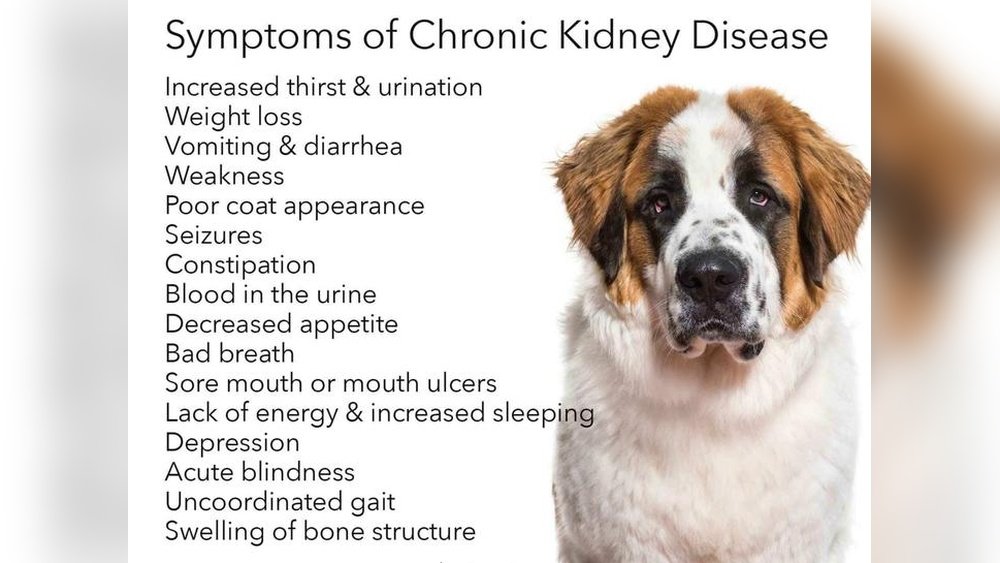
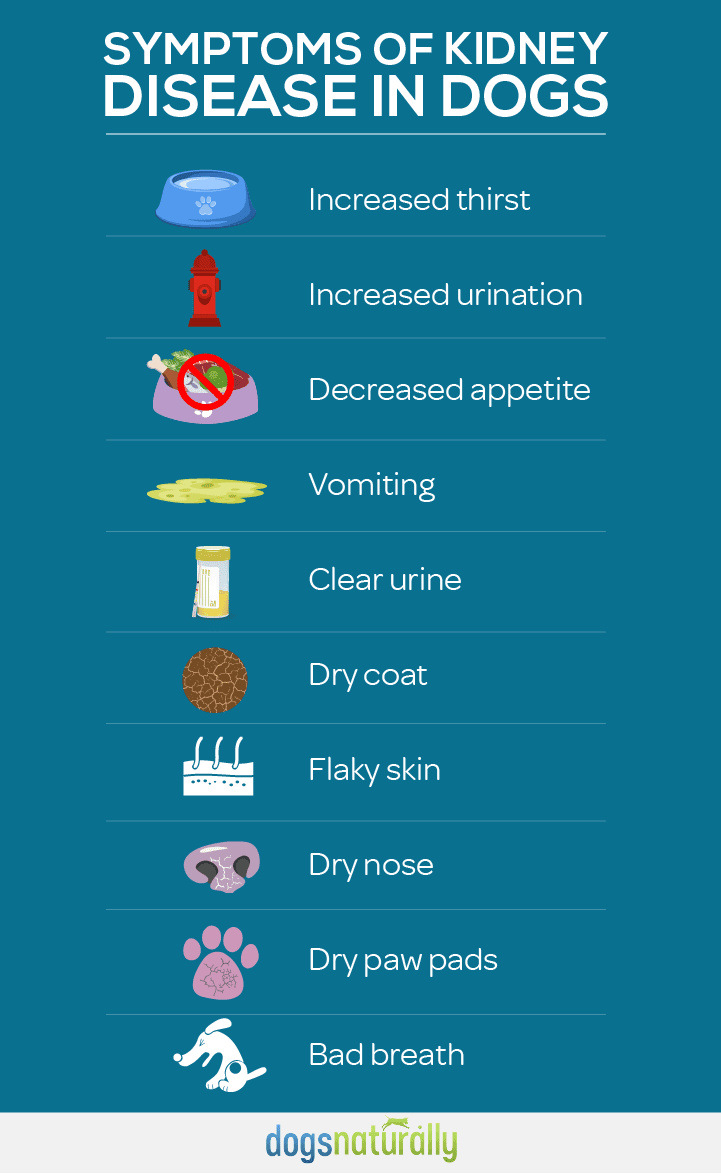
Dogs are good at hiding pain and illness. Still, there are several warning signs that may point to kidney trouble. Some are easy to spot, while others are subtle. Here are the key symptoms to watch for:
1. Increased Thirst (polydipsia)
This is often the first sign owners notice. If your dog is drinking more water than usual, refilling the bowl more often, or seeking water from unusual places (like toilets or puddles), it could be a problem with their kidneys.
2. Increased Urination (polyuria)
Dogs with kidney disease may start to urinate more frequently or produce larger amounts of urine. You might notice more accidents in the house, or that your dog needs to go outside during the night.
3. Changes In Urine Appearance Or Smell
You may see that your dog’s urine is clearer or more diluted than before. Sometimes it can look cloudy, or even have blood in it. The urine may also start to smell stronger or different.
4. Loss Of Appetite
A sudden or gradual loss of interest in food is a key warning sign. Many dogs with kidney disease lose their appetite because of nausea and a buildup of toxins in the blood.
5. Weight Loss
Because they eat less and cannot absorb nutrients as well, dogs with kidney disease often lose weight over time. This weight loss can be slow and easy to miss at first.
6. Vomiting And Nausea
As the kidneys fail, waste products build up in the blood and can cause nausea. You may see your dog vomiting, licking their lips, or drooling more than normal.
7. Bad Breath (uremic Breath)
A dog with kidney disease may develop bad breath that smells like chemicals or ammonia. This is due to toxins that the kidneys can no longer remove.
8. Lethargy And Weakness
Dogs with kidney disease often become less active and sleep more. They may seem tired after short walks or play sessions, or not want to get up as much.
9. Mouth Ulcers
Ulcers or sores can form on the gums or tongue. This is a sign of severe kidney disease, as toxins build up and damage the mouth lining.
10. Pale Gums
Chronic kidney disease can lead to anemia (low red blood cells), making the gums look pale or white instead of healthy pink.
11. Poor Coat Quality
You might notice your dog’s coat becomes dull, rough, or flaky. The skin may also feel dry.
12. High Blood Pressure
While you cannot measure this at home, high blood pressure is common in dogs with kidney disease and can lead to blindness or strokes.
13. Muscle Wasting
As the body breaks down muscle to use as energy, you might see muscle loss, especially on the head, legs, and back.
14. Diarrhea
Some dogs with kidney disease develop loose stools or diarrhea, which can make dehydration worse.
15. Sudden Blindness
In severe cases, high blood pressure caused by kidney disease can make a dog suddenly lose their vision.
16. Seizures
If toxins build up to dangerous levels, seizures or tremors can happen, though this is usually a late-stage sign.
17. Unusual Behavior
Behavior changes can be subtle, like restlessness, confusion, or even aggression. Your dog may seem “off” or not act like themselves.
Early Vs. Late Signs: What’s The Difference?
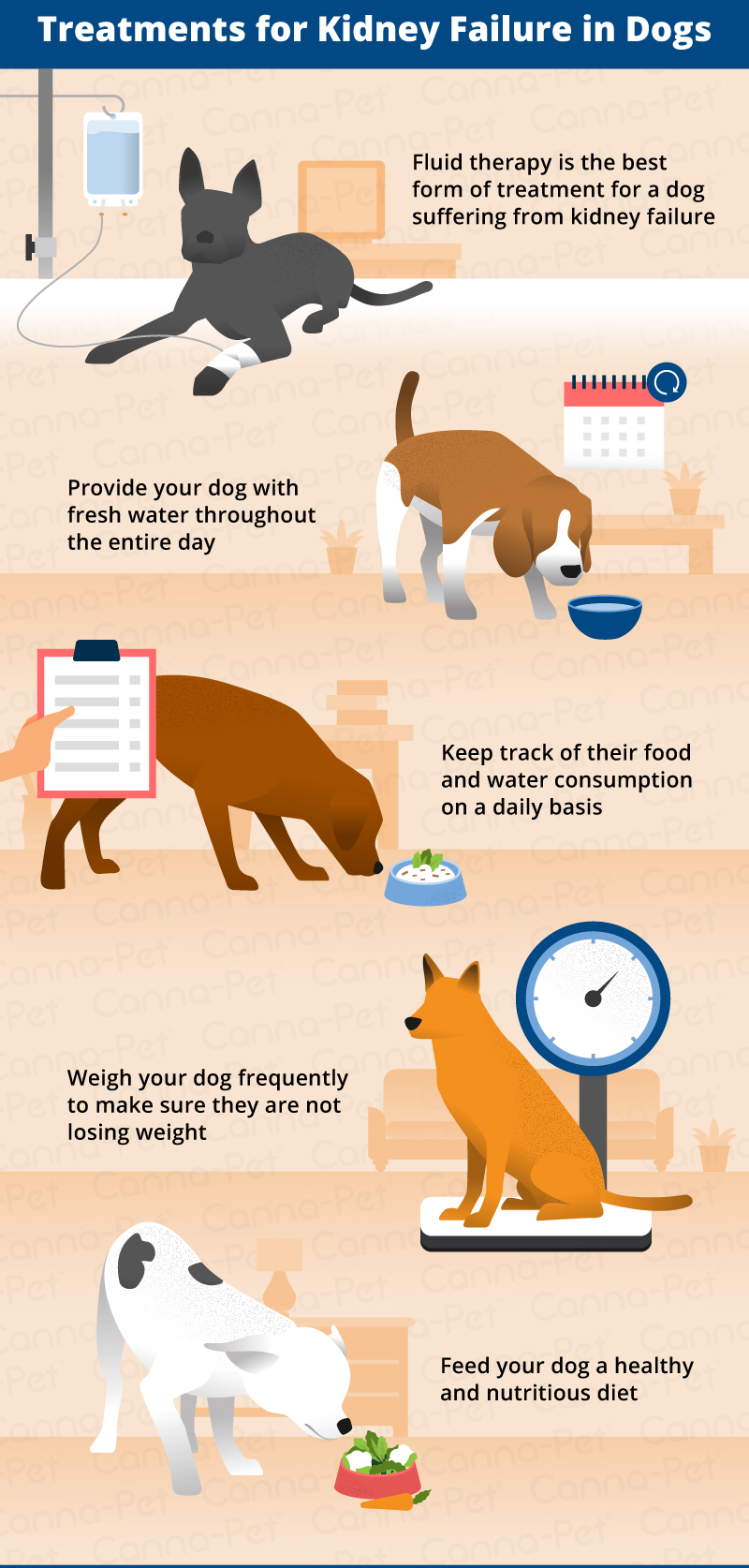
Not all symptoms appear at once. Some are early warnings, while others show up when the disease is advanced. This table helps compare early and late signs:
| Stage | Common Signs |
|---|---|
| Early Stage | Increased thirst, increased urination, subtle weight loss, mild appetite changes |
| Late Stage | Vomiting, bad breath, mouth ulcers, severe lethargy, seizures, blindness, muscle wasting |
Insight: Many owners only notice the late-stage signs, but by then, the kidneys are often badly damaged. Catching the early signs can mean a much better outcome for your dog.
Credit: canna-pet.com
Causes And Risk Factors For Kidney Disease
Understanding what can lead to kidney disease helps you protect your dog. There are several causes and risk factors:
- Age: Older dogs are much more likely to develop kidney disease.
- Breed: Certain breeds, like Cocker Spaniels, Bull Terriers, and German Shepherds, are at higher risk.
- Infections: Bacterial or viral infections (like leptospirosis) can harm the kidneys.
- Toxins: Ingesting substances like antifreeze, grapes, raisins, some human medications, and certain plants can cause sudden kidney injury.
- Genetics: Some dogs inherit kidney problems.
- Other diseases: High blood pressure, heart disease, or immune disorders can damage the kidneys over time.
Non-obvious insight: Chronic dental disease is a hidden risk—bacteria from the mouth can travel through the blood and damage the kidneys.
How Vets Diagnose Kidney Disease
If you notice any warning signs, a visit to the vet is critical. Diagnosing kidney disease involves several steps:
Physical Exam
The vet will check your dog’s hydration, listen to the heart, look at the gums, and feel the abdomen for pain or swelling.
Blood Tests
- Blood urea nitrogen (BUN) and creatinine are key markers. High levels mean the kidneys are not filtering waste properly.
- SDMA (Symmetric Dimethylarginine) is a newer, more sensitive marker that can catch kidney disease earlier.
Urinalysis
A urine test checks for:
- Dilution: Is the urine too watery?
- Protein: High levels can mean kidney damage.
- Blood or infection: Signs of infection or bleeding.
Imaging
- Ultrasound or X-rays can show the size and shape of the kidneys, or spot tumors, stones, or birth defects.
Blood Pressure Measurement
High blood pressure often goes along with kidney disease and can make it worse.
How Diagnosis Is Staged
Vets often use the International Renal Interest Society (IRIS) staging system to classify kidney disease. This helps guide treatment.
| IRIS Stage | Creatinine Level (mg/dL) | Common Signs |
|---|---|---|
| Stage 1 | <1.4 | No obvious signs, early kidney changes on tests |
| Stage 2 | 1.4–2.0 | Mild thirst/urination increase, possible weight loss |
| Stage 3 | 2.1–5.0 | Appetite loss, vomiting, weight loss, lethargy |
| Stage 4 | >5.0 | Severe symptoms, possible seizures, ulcers, blindness |
Example: A 10-year-old dog who suddenly starts urinating inside and has lost weight may be in stage 2 or 3. Early testing can confirm and help slow the disease.
Credit: canna-pet.com
Treatment Options For Kidney Disease
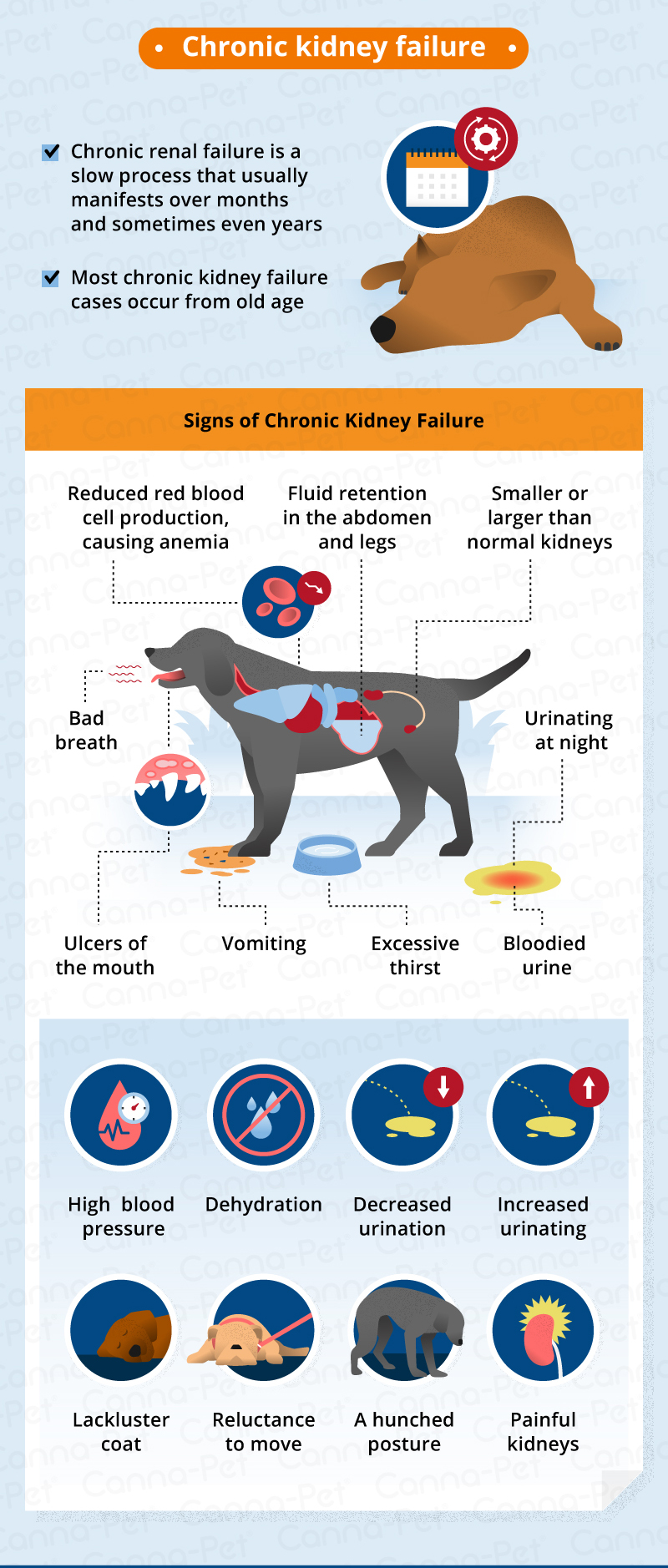
While chronic kidney disease cannot be cured, it can be managed. Early treatment means a longer, better life.
Diet Changes
A special kidney diet is the most important step. These diets have:
- Lower protein: Reduces kidney stress
- Low phosphorus: Slows kidney damage
- More Omega-3 fatty acids: Fights inflammation
- High-quality ingredients: Easier to digest
Dogs on these diets often live twice as long as those on normal food.
Fluid Therapy
Dehydration is a big risk. Vets may give IV fluids in the clinic or teach owners to give subcutaneous fluids at home. This helps flush out toxins and keeps the dog hydrated.
Medications
- Blood pressure drugs: To control hypertension
- Anti-nausea meds: For vomiting or appetite loss
- Phosphate binders: To lower blood phosphorus
- Antibiotics: If there’s infection
Treating Underlying Problems
If infection, stones, or another disease is causing the kidney issue, treating that is vital.
Regular Monitoring
Dogs with kidney disease need regular blood and urine tests to track progress and adjust treatment.
Home Care And Quality Of Life
- Encourage water drinking by offering fresh water often
- Monitor appetite, weight, and activity
- Give medications as prescribed
- Keep a symptom diary
Insight: Many dogs do well for months or even years with the right care. Small changes in home life can make a big impact.
Comparing Kidney Disease To Other Conditions
Some symptoms of kidney disease, like increased thirst or weight loss, also happen with other diseases. Here’s how kidney disease compares to two common lookalikes:
| Symptom | Kidney Disease | Diabetes | Cushing’s Disease |
|---|---|---|---|
| Increased Thirst | Very common | Very common | Very common |
| Increased Urination | Very common | Very common | Very common |
| Weight Loss | Common | Common | Sometimes |
| Vomiting | Common | Rare | Rare |
| Bad Breath | Common | Rare | Rare |
| Muscle Wasting | Common | Sometimes | Rare |
| High Blood Pressure | Common | Rare | Rare |
Tip: Only a veterinarian can tell the difference with blood tests and exams.
What Owners Can Do At Home
You know your dog better than anyone. Tracking their habits and health at home is one of the best ways to help your vet spot kidney disease early.
Practical steps:
- Watch water intake: Notice if your dog is drinking more than usual.
- Monitor urination: Keep track of how often they go, and if there are accidents.
- Check appetite and weight: Weigh your dog monthly if possible.
- Look at the gums: Healthy gums are pink. Pale or white gums can mean anemia.
- Smell the breath: Bad, chemical, or ammonia-like breath is a warning.
- Write down changes: Keep a daily or weekly diary of any new or odd behaviors.
Non-obvious insight: Even small changes, like refusing to eat their favorite treat, can be an early sign. Don’t ignore “little things.”
When To See A Veterinarian
Some changes need quick action. See your vet as soon as possible if you notice:
- Sudden increase or decrease in drinking or urination
- Appetite loss lasting more than 24 hours
- Vomiting or diarrhea that lasts more than a day
- Lethargy or weakness
- Blood in urine or stool
- Sudden blindness or seizures
Waiting “to see if it gets better” can put your dog at serious risk. Prompt care can save lives.
Credit: www.dogsnaturallymagazine.com
Preventing Kidney Disease
While some causes can’t be prevented, you can lower your dog’s risk:
- Keep toxic substances away: Antifreeze, grapes, raisins, and some medications are very dangerous.
- Practice good dental care: Brush teeth, give dental chews, and get regular cleanings.
- Vaccinate: Protect against diseases like leptospirosis if recommended for your area.
- Provide fresh water: Clean bowls and constant access help the kidneys work well.
- Feed a balanced diet: High-quality dog food supports kidney health.
- Regular vet visits: Annual exams and blood tests catch problems early, especially for senior dogs.
Living With A Dog With Kidney Disease
A diagnosis of kidney disease is not the end. Many dogs continue to enjoy life for years with the right care. The focus should be on comfort, nutrition, and preventing complications.
- Stick to the vet’s diet and medication plan
- Offer favorite foods if appetite is low (ask your vet for safe options)
- Give lots of love and attention—stress can make symptoms worse
- Watch for new symptoms and report them quickly
Case Example: Max, a 9-year-old Labrador, was diagnosed with early kidney disease after his owner noticed more water drinking and mild weight loss. With a special diet, regular fluids, and close monitoring, Max lived happily for another three years.
Frequently Asked Questions
What Is The Life Expectancy For A Dog With Kidney Disease?
Life expectancy depends on the stage at diagnosis and how well the disease is managed. Dogs caught early and treated can live 1–4 years or more. Late-stage cases may only live a few months. Every dog is different, and close vet care improves outcomes.
Can Kidney Disease In Dogs Be Cured?
Chronic kidney disease cannot be cured, but it can be managed to slow its progress. Acute kidney injury may be reversible if treated fast. Early treatment and a kidney-friendly lifestyle make the biggest difference.
Is Kidney Disease Painful For Dogs?
Dogs may not show obvious pain, but kidney disease can cause nausea, mouth ulcers, and weakness, which are uncomfortable. Late-stage disease can be distressing, so focusing on comfort is important.
How Can I Tell If My Dog’s Increased Thirst Is Serious?
If your dog suddenly starts drinking much more water or urinating more, it’s time to visit the vet. While some increase is normal in hot weather, a clear change that lasts more than a day or two should be checked.
What Foods Should Dogs With Kidney Disease Avoid?
Dogs with kidney disease should avoid high-protein treats, salty foods, and high-phosphorus snacks (like cheese, bones, and many processed treats). Special kidney diets are balanced for their needs. Always talk to your vet before changing your dog’s food.
If you want to read more about chronic kidney disease in dogs, the American Kennel Club offers detailed guidance at AKC: Kidney Disease in Dogs.
Caring for a dog with kidney disease can be challenging, but with knowledge, attention, and love, you can give your dog the best quality of life possible. Never ignore early signs—your quick action could make all the difference.

We’re the dedicated team behind MyPawSafe.com, with over a decade of combined experience in veterinary care, pet emergency response, and animal behavior. While we prefer to let our work speak for itself, our mission is clear: to provide science-backed, vet-approved advice that helps pet owners prevent accidents and save lives.