
Most dog owners have faced the frustration of coming home to find chewed furniture. Maybe your new puppy gnawed on the sofa, or your older dog left bite marks on the dining chair legs. This behavior is more than just an inconvenience—it can be expensive and dangerous for your pet. But why do dogs chew on furniture, and what can you do to stop it for good? With the right understanding and approach, you can protect your home and help your dog form better habits. Let’s explore practical, science-backed methods to prevent dogs from chewing furniture, so you can enjoy a peaceful, chew-free home.
Why Dogs Chew Furniture
Understanding the root cause of chewing is the first step in solving the problem. Dogs do not chew furniture to make you angry. There are several reasons why this behavior happens.
Teething In Puppies
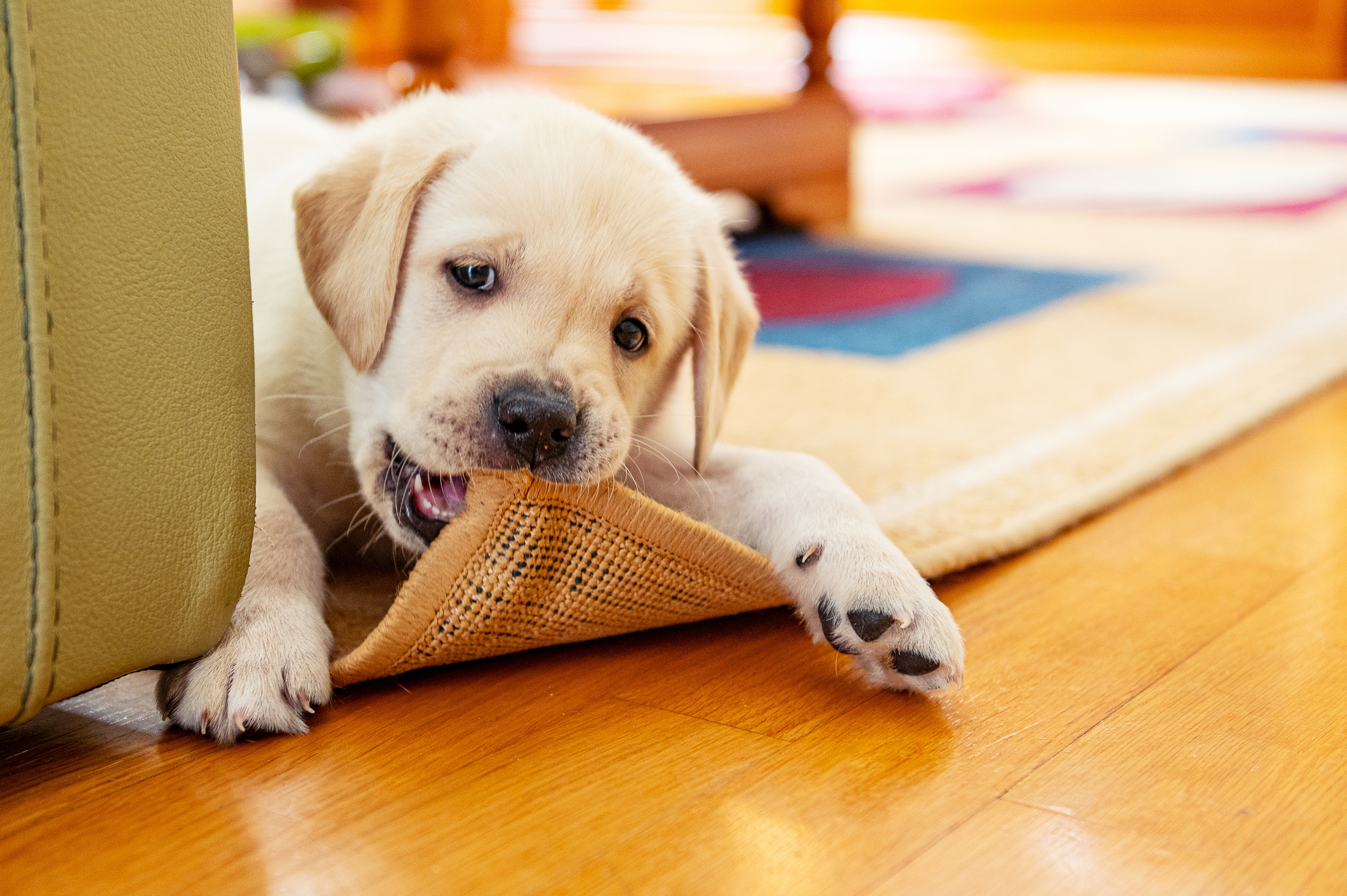
Puppies usually start teething at about three weeks old, and this continues until they are six months old. During this time, they chew to relieve the discomfort in their gums. Chewing helps loosen baby teeth and allows adult teeth to come in. For puppies, furniture legs, shoes, and cushions are just things to bite.
Boredom And Lack Of Stimulation
Dogs are intelligent and social animals. If left alone for many hours with nothing to do, they may chew furniture to pass time. This is especially true for breeds with high energy, like Border Collies or Labrador Retrievers. Even older, well-behaved dogs can start chewing if they feel bored or neglected.
Separation Anxiety
Some dogs chew when they feel anxious or stressed. This happens often when they are left alone. Chewing can help relieve their stress, but it can also become a hard-to-break habit.
Lack Of Training
If a dog never learned what is okay to chew, they will not know the difference between a chew toy and your expensive sofa. Consistent training is important, especially for young dogs or those new to your home.
Attention-seeking Behavior
Sometimes, dogs learn that chewing gets your attention, even if it’s negative. If yelling or chasing happens every time your dog chews, they may see it as a game.
Medical Issues
Although rare, some dogs chew due to dental problems, nutritional deficiencies, or other health conditions like pica (eating non-food items). If chewing is sudden and intense, a vet check is a wise step.
Knowing why your dog chews gives you the power to address the real problem, not just the symptoms.
The Real Risks Of Chewing Furniture
Chewing is not just a cosmetic issue. It can lead to serious problems:
- Health Hazards: Swallowed pieces of wood, fabric, or stuffing can cause choking or digestive blockages.
- Cost: Replacing furniture is expensive.
- Relationship Strain: Persistent chewing can create tension between you and your dog.
Understanding the risks helps you see why it’s important to address this problem early.
Credit: www.countrylife.co.uk
How To Stop A Dog From Chewing Furniture
Breaking the chewing habit takes patience, but it can be done. Here’s a practical roadmap, based on proven techniques.
1. Puppy-proof And Dog-proof Your Home
Start by making your home less tempting. Remove objects that your dog may want to chew, or block access to certain rooms. This prevents mistakes and helps your dog succeed.
Example Actions:
- Use baby gates to keep dogs out of rooms with expensive furniture.
- Store shoes and bags in closets.
- Use covers or sheets over sofas for a temporary barrier.
2. Provide Appropriate Chew Toys
Dogs need to chew. Instead of trying to stop all chewing, redirect it to safe options.
How To Choose Chew Toys:
- For puppies, pick soft rubber toys that are gentle on gums.
- For strong chewers, use tougher rubber or nylon toys.
- Rotate toys weekly to keep things interesting.
Some popular chew toys include KONG Classic, Nylabone, and rope toys.
Quick Comparison Of Chew Toy Types
| Type | Best For | Durability | Notes |
|---|---|---|---|
| Soft Rubber | Puppies | Medium | Gentle on gums |
| Hard Nylon | Strong chewers | High | Lasts long, but check for sharp edges |
| Rope Toys | All ages | Varies | Helps clean teeth, but supervise use |
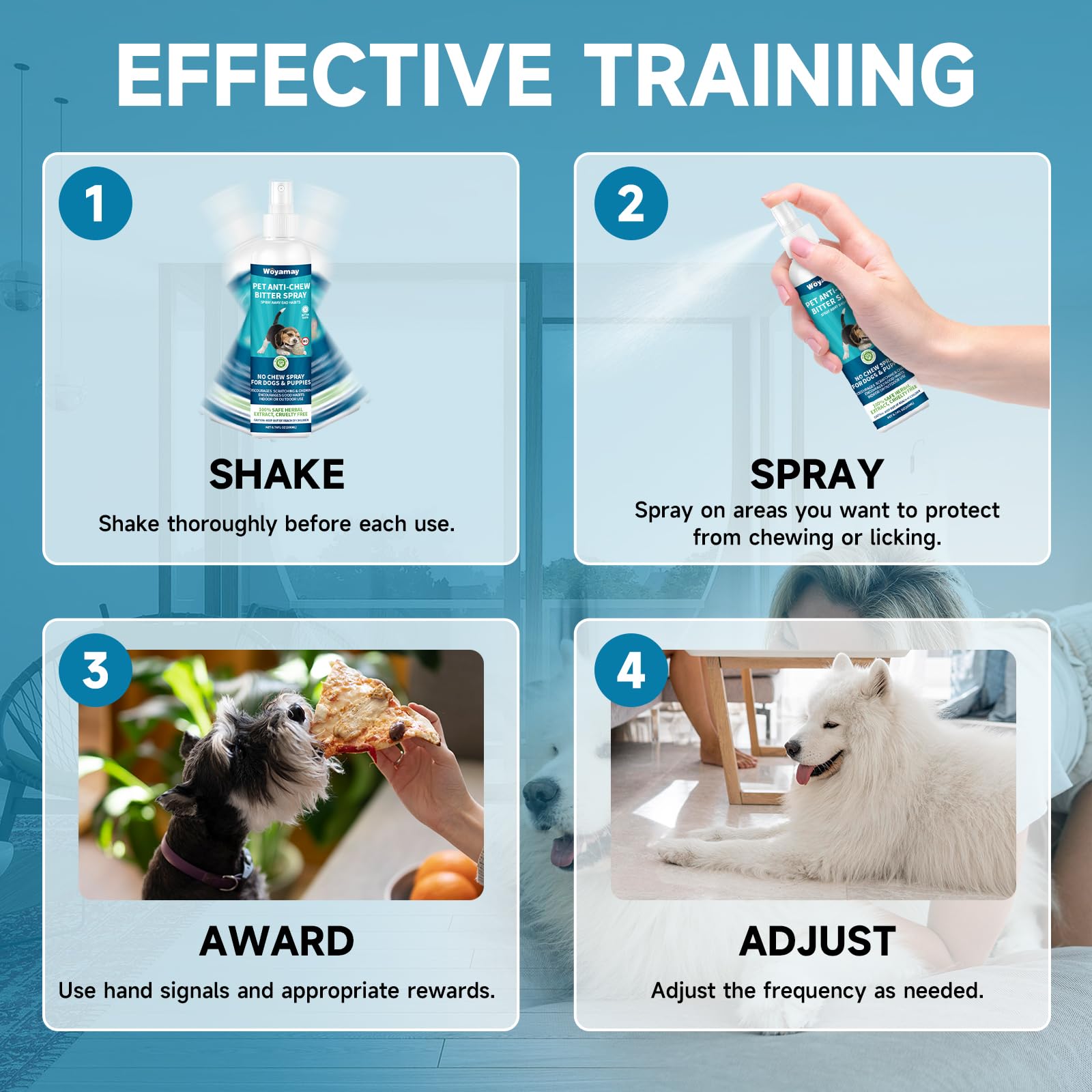
3. Use Deterrent Sprays
Bitter apple or citrus sprays make furniture taste bad. These are available at pet stores and are safe for most surfaces. Spray a small area first to test for color changes.
How To Use:
- Clean the area before spraying.
- Spray when your dog is not watching—so they associate the bad taste with the object, not you.
- Reapply daily at first.
4. Supervise And Redirect
Close supervision is key, especially in the beginning. If you catch your dog chewing furniture:
- Say a firm “No” (do not yell).
- Gently take the object away.
- Offer a chew toy instead.
- Praise your dog for chewing the right item.
This teaches your dog what is acceptable and what is not.
5. Exercise And Mental Stimulation
Tired dogs chew less. Make sure your dog gets enough physical and mental exercise every day.
Examples:
- Walks: At least 30–60 minutes, twice a day for most breeds.
- Play fetch, tug-of-war, or scent games.
- Use puzzle feeders or treat-dispensing toys for meals.
Mental stimulation can be just as effective as physical exercise in reducing unwanted chewing.
6. Training “leave It” And “drop It” Commands
Teaching these commands helps in everyday life. Start with treats and practice daily.
Steps To Teach “leave It”:
- Place a treat in your closed hand.
- Let your dog sniff, but don’t give the treat.
- When your dog backs away, say “Yes!” and give a different treat.
- Repeat until your dog understands to leave things alone.
Practice with objects on the floor, and gradually increase difficulty.
7. Address Separation Anxiety
If your dog chews mainly when alone, separation anxiety may be the cause.
Solutions:
- Start by leaving your dog alone for short periods and slowly increase the time.
- Leave an item with your scent, like an old shirt.
- Use white noise or calming music.
- Never punish your dog for anxiety-related chewing.
In serious cases, talk to a veterinarian or certified dog trainer.
8. Use Crate Training Wisely
A crate can be a safe place for your dog when you’re not home. It should never be used as punishment.
Tips For Successful Crate Use:
- Make the crate comfortable with soft bedding and safe toys.
- Feed your dog in the crate to create positive associations.
- Limit crate time to a few hours at a time for adult dogs.
9. Positive Reinforcement
Always reward good behavior. When your dog chews a toy instead of the couch, praise them, give treats, or offer extra playtime.
Dogs repeat behaviors that bring rewards. Ignore minor mistakes, but celebrate the right choices.
10. Avoid Common Mistakes
Many owners accidentally make chewing worse. Watch out for these errors:
- Don’t use old shoes or socks as toys—this confuses your dog about what is okay to chew.
- Don’t punish after the fact. Dogs connect punishment only to what just happened.
- Don’t yell or chase your dog for chewing. This can make the behavior worse.
Learning from these mistakes puts you ahead of most dog owners.
Advanced Solutions For Persistent Chewers
If basic steps don’t work, try these advanced techniques.
Professional Training
A certified dog trainer can spot problems you might miss and create a custom plan. Group classes also help with socialization.
Doggy Daycare
For dogs who chew due to boredom or anxiety, a few days a week at daycare provides stimulation and company.
Behavioral Medications
In rare cases, medication may be needed, especially for severe anxiety. This should only be done under a vet’s guidance.
Veterinary Exam
If chewing is sudden or extreme, a vet check ensures there are no dental issues or health problems.
Common Myths About Dog Chewing
Many myths exist about why dogs chew and how to stop it. Let’s clear up a few:
- “Dogs chew because they’re bad.” False. Chewing is natural; it’s up to owners to guide it.
- “Punishment stops chewing.” This often makes things worse and damages trust.
- “Dogs will outgrow chewing.” While puppies chew more, many adults keep the habit without guidance.
Being aware of these myths helps you avoid bad advice.
Real-life Example: Solving Chewing In A Rescue Dog
Consider “Max,” a three-year-old rescue Labrador. When adopted, he chewed table legs and shoes. His owner:
- Used baby gates to limit access.
- Introduced tough chew toys and rotated them weekly.
- Sprayed bitter apple on furniture.
- Increased daily walks and added puzzle feeders.
- Practiced “leave it” and “drop it” every day.
Within three weeks, chewing dropped by 90%. Max still enjoyed his toys but left the furniture alone. This shows that a combination of management and training works—even for adult dogs.
Credit: www.amazon.com
Data: Chewing Behavior By Age And Breed
Some breeds and ages are more likely to chew. Here’s a breakdown based on studies and surveys.
| Dog Age | Chewing Risk | Notes |
|---|---|---|
| Puppy (0–6 months) | Very High | Teething stage |
| Adolescent (6–18 months) | High | Energy and curiosity |
| Adult (2–7 years) | Medium | Boredom or habit |
| Senior (7+ years) | Low | Less energy, but dental pain possible |
Certain breeds—like retrievers, terriers, and herding dogs—are also more likely to chew due to higher energy and curiosity.
Comparing Homemade Vs. Store-bought Chew Deterrents
Some people prefer making their own deterrent sprays. Here’s how homemade options stack up against commercial ones.
| Deterrent Type | Effectiveness | Cost | Safety |
|---|---|---|---|
| Commercial (Bitter Apple) | Very Good | Moderate | Tested, safe for most surfaces |
| Homemade (Vinegar, Citrus) | Good to Fair | Low | Safe, but may stain or smell strong |
Commercial sprays are usually more effective, but homemade options can work in a pinch. Always test first.
What To Do If Chewing Persists
Sometimes, even with good training and management, chewing continues. If this happens:
- Review your routine: Is your dog getting enough exercise and stimulation?
- Change toys more often to keep interest high.
- Try new deterrents or barriers.
- Ask for help from a professional trainer or your veterinarian.
Some dogs, especially those with a history of stress or neglect, need extra time and patience.
Non-obvious Insights Most Owners Miss
Many articles repeat the same advice, but these less-known tips can make a big difference:
- Rotate Chew Toys Weekly: Dogs get bored quickly. Hiding a few toys and bringing them out later makes old toys feel new.
- Feed Meals from Puzzle Toys: Instead of a food bowl, use a treat-dispensing toy to give your dog’s brain a workout and keep them busy.
- Scent Games: Hide treats around the house for your dog to find. This uses up mental energy and reduces boredom.
- Change Walking Routes: New sights and smells on walks prevent mental stagnation, which can lead to less chewing at home.
Trying these can quickly reduce unwanted chewing, even in dogs who seem “stubborn. ”
When To Seek Professional Help
If your dog:
- Destroys furniture even with training
- Shows signs of anxiety, like pacing or whining
- Starts chewing suddenly as an adult
- Has health issues, such as vomiting after chewing
…it’s time to ask a veterinarian or certified dog trainer for help. They can check for medical issues and build a plan that fits your dog’s needs.
Preventing Chewing In The Future
Once chewing is under control, keep up the good habits:
- Keep chew toys available and swap them regularly.
- Make sure your dog’s daily routine includes exercise and mental challenges.
- Praise your dog for making good choices.
- Watch for signs of boredom or stress and act early.
A little prevention goes a long way.
Credit: www.maderacounty.com
Frequently Asked Questions
Why Does My Dog Chew Furniture When I Leave The House?
Many dogs chew when left alone due to separation anxiety or boredom. They may feel stressed without their owner, and chewing helps them cope. Try giving your dog a safe chew toy before leaving, or use calming aids like music. If the problem continues, consider talking to a trainer or vet.
Are Certain Breeds More Likely To Chew Furniture?
Yes, some breeds are more prone to chewing. Retrievers, terriers, and active working breeds often chew more than others. They have higher energy and need more mental stimulation. Providing enough exercise and rotating toys helps reduce chewing in these breeds.
Can I Use Household Items As Chew Toys?
It’s not recommended. Using old shoes or socks as toys confuses dogs about what is acceptable to chew. Stick to toys designed for dogs, which are safer and more durable. If you want to save money, look for safe, tested options at pet stores.
Will My Dog Outgrow Chewing On Furniture?
Puppies often chew more due to teething, and this may decrease with age. However, many adult dogs continue chewing if they are bored, stressed, or not trained. Proper training and management are needed, no matter your dog’s age.
What If Deterrent Sprays Do Not Work?
If sprays don’t stop your dog, try combining them with other techniques, like increasing exercise and using different types of toys. Some dogs ignore sprays, so supervision and training remain important. If chewing continues, ask a professional for help or try new products.
Preventing furniture chewing takes patience, but it’s possible with the right knowledge and a little creativity. By understanding your dog’s needs, providing the right toys, and using proven training methods, you can protect your home and build a stronger bond with your best friend. For more detailed information about dog behavior, visit VCA Animal Hospitals. With these tools, your home can be chew-free, and your dog can be happy, healthy, and well-behaved.
We’re the dedicated team behind MyPawSafe.com, with over a decade of combined experience in veterinary care, pet emergency response, and animal behavior. While we prefer to let our work speak for itself, our mission is clear: to provide science-backed, vet-approved advice that helps pet owners prevent accidents and save lives.