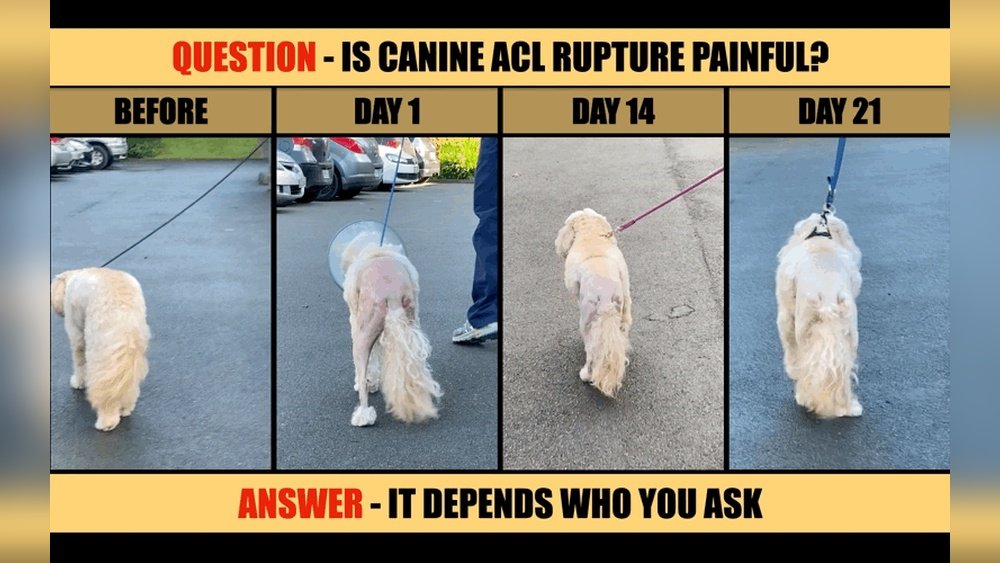
A torn ACL is one of the most common orthopedic injuries in dogs, yet it often goes unnoticed until your pet shows serious signs of pain or mobility problems. Unlike people, dogs can’t tell you directly when something feels wrong.
Instead, they show subtle changes in behavior, movement, and attitude. Spotting the signs of a torn ACL early can make a big difference in your dog’s comfort and quality of life. This article explains how to recognize the signs of a torn ACL in dogs, why this injury happens, and what you should do if you suspect your dog is hurt.
We’ll cover the medical side, share real examples, and answer common questions, so you feel ready to help your dog stay healthy and active.
Understanding The Acl In Dogs
The anterior cruciate ligament (ACL), also called the cranial cruciate ligament (CCL) in dogs, is a strong band of tissue inside the knee joint. Its job is to stabilize the knee during movement. When the ACL tears, the knee becomes unstable, which causes pain, swelling, and limping.
Why Dogs Tear Their Acl
Unlike humans, who usually tear their ACL through sudden injuries (like sports accidents), dogs often suffer tears from a mix of slow ligament weakening and sudden stress. Factors that increase risk include:
- Age: Middle-aged and older dogs have weaker ligaments.
- Weight: Overweight dogs put more pressure on their knees.
- Breed: Some breeds like Labradors, Rottweilers, and Boxers are more prone.
- Activity: Dogs that jump, twist, or run hard face higher risks.
Most tears happen during everyday play, a quick turn, or even just jumping off furniture. Sometimes, there’s no big accident—just a slow breakdown of the ligament over time.
The Main Signs Of A Torn Acl In Dogs
Spotting a torn ACL isn’t always easy, especially in the early stages. Dogs are experts at hiding pain. But certain signs stand out. Here are the most common and important clues:
1. Sudden Limping Or Lameness
The most obvious sign is a sudden limp in one of the back legs. Your dog may:
- Lift the injured leg completely off the ground
- Barely touch the toes to the floor
- Walk with a stiff, awkward gait
Some dogs seem fine at rest but limp as soon as they stand up or start moving. The limping usually gets worse after exercise or play.
2. Difficulty Standing Up Or Jumping
A torn ACL makes it hard for a dog to push off with the back leg. You may notice:
- Struggling to rise from lying or sitting
- Avoiding stairs or jumping onto furniture
- Hesitation before running or playing
This change is most noticeable in dogs who used to be active and now seem cautious.
3. Swelling Around The Knee
Look closely at your dog’s injured leg. You may notice swelling or puffiness around the knee joint. The area may feel warmer than usual. Swelling happens because the torn ligament causes bleeding and inflammation inside the knee.
4. Clicking Or Popping Sounds
Some dogs with a torn ACL develop a clicking or popping sound in the affected knee when they walk. This sound comes from abnormal joint movement or cartilage damage. Not all dogs have this symptom, but if you hear it, it’s a clear warning sign.
5. Sitting With The Leg Stuck Out
Dogs with knee injuries often sit with the injured leg extended to the side, instead of tucking it under their body. This “lazy sit” helps take pressure off the knee. If your dog suddenly starts sitting this way, especially after play, pay attention.
6. Muscle Loss In The Affected Leg
When a dog avoids using one leg, the muscles in that leg quickly start to shrink. This is called muscle atrophy. Over weeks or months, you may see that one thigh looks thinner than the other. Muscle loss is a sign the injury has been present for a while.
7. Stiffness After Rest
Dogs with ACL tears often seem stiff or slow to move after lying down. They may “warm up” and walk better after a few minutes, but the stiffness returns after more rest.
8. Behavioral Changes
Pain and discomfort can change your dog’s behavior. Watch for:
- Irritability or aggression (especially if you touch the knee)
- Loss of interest in play or walks
- Restlessness or difficulty finding a comfortable position
Subtle changes in personality often signal that your dog is hurting.
9. Decreased Range Of Motion
A torn ACL limits how far your dog can bend or straighten the injured leg. You might notice your dog:
- Avoids stretching or extending the leg fully
- Refuses to let you move the leg during grooming
- Walks with a stiff, shortened stride
10. Shifting Weight To Other Legs
To avoid pain, your dog may shift weight to the healthy legs. This can cause:
- Swaying or wobbling when standing
- Walking with the tail held low or to one side
- Developing sores or calluses on the elbows from lying down more
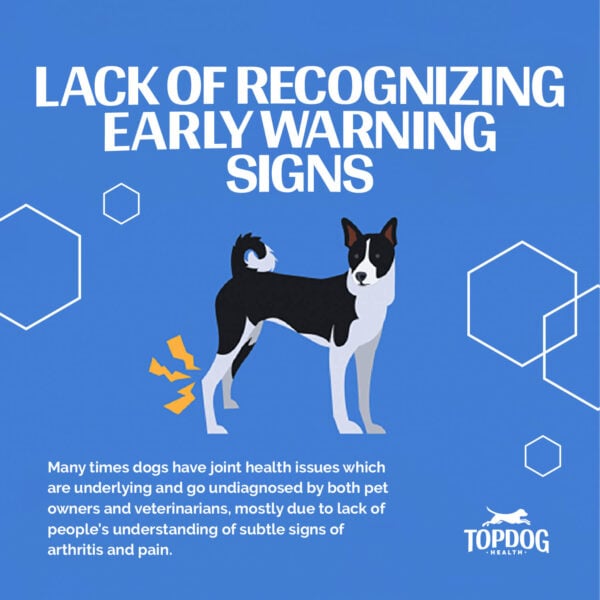
Credit: topdoghealth.com
How To Tell The Difference: Acl Tear Vs Other Injuries
Not all limping is caused by a torn ACL. Other injuries, like muscle strains, hip problems, or paw wounds, can look similar. Here’s a simple comparison to help you spot differences:
| Symptom | Torn ACL | Other Injuries |
|---|---|---|
| Limping starts suddenly | Very common | Can happen |
| Worsens after activity | Yes | Sometimes |
| Swelling at the knee | Often seen | Less common |
| “Lazy sit” position | Typical | Rare |
| Muscle loss over time | Yes | Depends on injury |
If your dog shows several signs on the left side, a torn ACL is likely. However, only a vet can make a true diagnosis.
Why Early Detection Matters
Catching a torn ACL early makes a big difference. Here’s why:
- Preventing further damage: Walking on an unstable knee can damage cartilage and cause arthritis.
- Better treatment results: Early care means better healing and less pain.
- Lower costs: Treating a fresh injury is usually cheaper than fixing long-term problems.
Many owners ignore mild limping, hoping it will go away. But with ACL tears, waiting often makes things worse. The sooner you act, the better your dog’s chances for a full recovery.
What To Do If You Suspect A Torn Acl
If you notice signs of a torn ACL, here’s what you should do:
- Restrict activity: Keep your dog quiet. No running, jumping, or playing.
- Leash walks only: Take short, slow walks on a leash for bathroom breaks.
- Call your veterinarian: Schedule an appointment as soon as possible.
- Do not give human painkillers: Some are toxic to dogs. Only use medications prescribed by your vet.
- Monitor symptoms: Write down when you notice limping, swelling, or other changes.
Your vet will examine your dog’s leg, check for pain, and may recommend X-rays. Sometimes, sedation is needed for a full knee exam.
How Vets Diagnose A Torn Acl
Diagnosis combines physical tests, medical history, and imaging. Here’s what to expect at the clinic:
Physical Exam
The vet will look for these signs:
- Drawer sign: Moving the shin bone forward (like opening a drawer) shows the knee is unstable.
- Pain or resistance: Dogs with torn ACLs often pull away or cry when the knee is moved.
Imaging
X-rays help rule out other problems, like bone fractures or arthritis. In some cases, an MRI or ultrasound may be used to check the ligament directly, but this is rare and expensive.
Comparison Table: Diagnosis Tools
| Tool | What It Shows | When Used |
|---|---|---|
| Physical exam | Knee stability, pain | Always |
| X-rays | Bone changes, swelling | Most cases |
| MRI/Ultrasound | Soft tissue, ligament detail | Rare, special cases |
Treatment Options For Torn Acl In Dogs
Once a torn ACL is confirmed, treatment depends on your dog’s size, age, activity level, and health.
Surgery
Surgery is often the best option, especially for:
- Large dogs (over 30 lbs)
- Active dogs
- Dogs with severe tears
Common surgical procedures include:
- TPLO (Tibial Plateau Leveling Osteotomy): Changes the angle of the knee to stabilize it.
- TTA (Tibial Tuberosity Advancement): Alters bone structure for stability.
- Extracapsular repair: Uses strong suture material to mimic the ligament.
Surgery usually gives the best long-term results, but it requires rest and rehab afterward.
Non-surgical Management
Some smaller or older dogs do well with rest, weight control, and physical therapy. Non-surgical care may include:
- Strict rest: Several weeks of crate rest
- Weight loss: To reduce knee stress
- Pain relief: Medications prescribed by your vet
- Joint supplements: To support cartilage
- Physical therapy: Gentle exercises and hydrotherapy
Not all dogs recover fully without surgery, but non-surgical care can still improve quality of life.
Recovery Timeline Comparison
| Method | Initial Recovery | Full Healing |
|---|---|---|
| Surgery | 2-6 weeks (rest) | 4-6 months |
| Non-surgical | 6-12 weeks (rest) | 3-12 months (partial improvement) |
Insight: Many owners think non-surgical care is “easier,” but it actually requires strict rest and close monitoring for longer periods. Surgery, while more intense at first, often leads to a quicker return to normal activity.
Risk Factors: Which Dogs Are Most At Risk?
While any dog can suffer a torn ACL, some are at higher risk. Key risk factors include:
- Breed: Labradors, Golden Retrievers, Rottweilers, Boxers, and Newfoundlands show higher rates.
- Age: Most cases occur in dogs 5-8 years old.
- Weight: Overweight dogs are at least twice as likely to tear an ACL.
- Previous injury: Dogs who have torn one ACL are at higher risk for the other knee.
A study in the Journal of the American Veterinary Medical Association found that up to 60% of dogs with a torn ACL in one leg will eventually injure the other leg. This is a key reason to manage weight, activity, and joint health after an injury.
Long-term Impact Of An Untreated Torn Acl
Leaving a torn ACL untreated can cause big problems:
- Arthritis: The unstable knee wears down cartilage, leading to painful arthritis.
- Chronic pain: Dogs may live with pain, which lowers quality of life.
- Muscle loss: Weakness in the injured leg can cause permanent lameness.
- Injury to the other knee: Compensating with the other leg often leads to a second ACL tear.
Early treatment prevents these issues and helps your dog stay happy and active for years to come.
Real-life Examples: Signs Owners Noticed
Learning from real cases can help you spot problems early. Here are some stories:
- Bella, a 6-year-old Labrador, suddenly refused to jump into the car after chasing a ball. Her owner noticed her sitting with her right leg out and limping after walks.
- Rocky, a 9-year-old Boxer, developed a limp that got worse over a week. He started licking his knee and growled when touched there. X-rays confirmed a torn ACL.
- Max, a 4-year-old mixed breed, had no big accident, but his owner saw his back leg muscles shrinking and stiffness after naps.
In all these cases, early vet visits led to better outcomes.
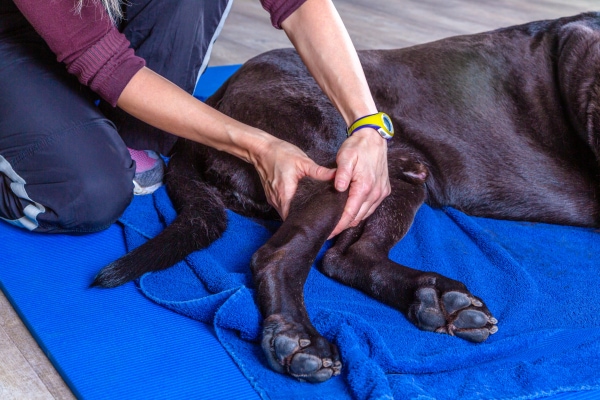
Credit: toegrips.com
Two Non-obvious Insights Most Owners Miss
- Partial tears can look mild: Many owners think a dog is “just sore” or has a pulled muscle when the ligament is only partly torn. These partial tears often progress to full tears if ignored.
- Weight loss helps even healthy dogs: Even if your dog isn’t overweight, losing just 5-10% of body weight can reduce knee strain and improve recovery. Weight management is a key part of every ACL recovery plan.
How To Prevent Acl Injuries In Dogs
While not all ACL tears can be prevented, you can lower the risk:
- Keep your dog lean: Obesity is the top preventable risk.
- Avoid sudden, intense exercise: Warm up before play and avoid sharp turns on slippery surfaces.
- Use ramps or stairs: Help your dog avoid jumping from high places.
- Regular vet checks: Early detection of joint problems helps prevent injuries.
No plan is perfect, but these steps can protect your dog’s joints.
:strip_icc()/cruciate-ligament-injury-in-dogs-1117416_V1-8ee4743f2d6147f491c1e5b71545a74c.jpg)
Credit: www.thesprucepets.com
The Role Of Home Care During Recovery
After diagnosis, home care is just as important as medical treatment. Here’s what helps most:
- Crate rest: Use a crate or small room to limit movement.
- Leash walks only: No running or off-leash play until cleared by your vet.
- Physical therapy: Gentle massage, stretches, and swimming (if recommended).
- Pain management: Give all medications as directed.
- Monitor for new signs: Watch for increased limping, swelling, or infection at surgical sites.
Most dogs do best with a steady routine and plenty of patience from their owners.
When Surgery Is Not An Option
Sometimes, surgery isn’t possible due to cost, age, or other health problems. In these cases, focus on:
- Strict rest for several weeks
- Ongoing pain relief
- Weight control
- Supportive devices, like knee braces (though not as effective as surgery)
Dogs can still enjoy a good quality of life with careful management, even if they’re not surgical candidates.
Working With Your Vet For The Best Results
Communication with your vet is key. Don’t be afraid to ask:
- What are all my treatment options?
- What can I expect during recovery?
- How can I keep my dog comfortable at home?
A team approach leads to the best outcomes.
For more on ACL injuries in dogs, see the American College of Veterinary Surgeons website.
Frequently Asked Questions
What Is The Difference Between A Partial And Full Acl Tear In Dogs?
A partial tear means the ligament is damaged but not completely broken. Your dog may limp but still use the leg. A full tear means the ligament is totally ruptured, causing more severe limping or not using the leg at all. Both need vet care, but full tears often require surgery.
Can A Dog Walk With A Torn Acl?
Yes, many dogs can still walk, especially if the tear is partial. However, walking causes pain and can make the injury worse. Dogs often limp, avoid putting weight on the leg, or walk with a “toe-touch” gait.
Is Surgery Always Needed For A Torn Acl In Dogs?
Not always. Small or older dogs may do well with rest and therapy, but most active or large dogs benefit from surgery for the best long-term result. Your vet will help decide what’s right for your pet.
How Much Does Acl Surgery Cost For Dogs?
Costs vary by region and type of surgery. In the US, ACL surgery for dogs usually ranges from $2,000 to $5,000 per knee. Extras like X-rays, pain meds, and rehab can add to the total.
How Long Does It Take For A Dog To Recover From A Torn Acl?
After surgery, most dogs need 2-6 weeks of rest and 4-6 months for full recovery. With non-surgical care, recovery may take 3-12 months and may not be complete. Physical therapy can speed up the process.
Helping your dog recover from a torn ACL takes patience, care, and teamwork with your vet. By spotting the signs early and acting quickly, you give your dog the best chance for a happy, active life. Remember—when in doubt, always check with your veterinarian.
Your dog counts on you to notice the little things that mean a lot.

We’re the dedicated team behind MyPawSafe.com, with over a decade of combined experience in veterinary care, pet emergency response, and animal behavior. While we prefer to let our work speak for itself, our mission is clear: to provide science-backed, vet-approved advice that helps pet owners prevent accidents and save lives.