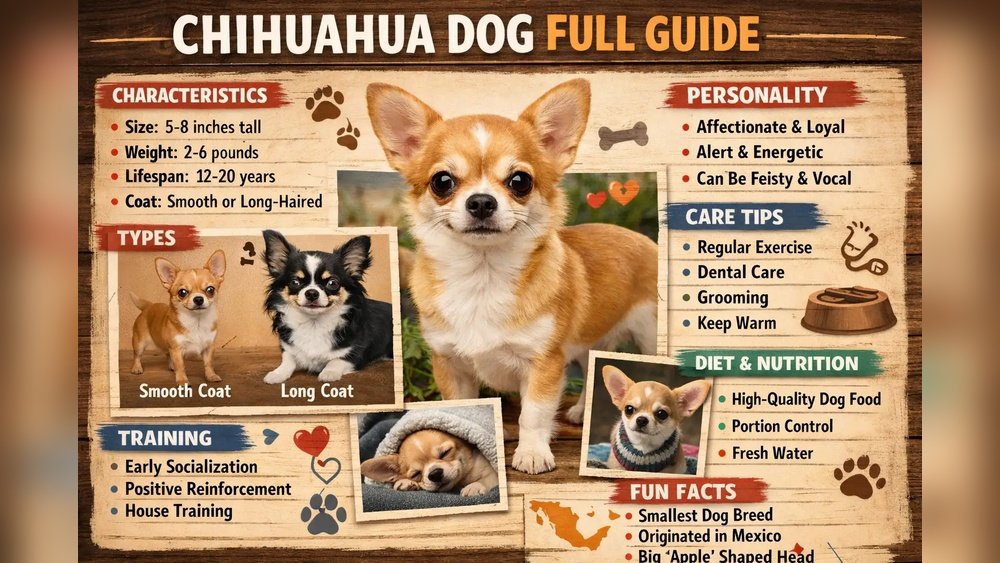
Everywhere you go, people recognize the little dog with the big attitude: the Chihuahua. This breed is famous for its tiny size, but there’s much more to know. Chihuahuas have a strong personality and require special care. Whether you’re considering bringing one home or just want to learn more, this guide explores every important detail—temperament, size, and care. You’ll learn how to raise a healthy, happy Chihuahua and why they capture so many hearts.
Breed Overview
The Chihuahua is the smallest dog breed in the world. Originating from Mexico, these dogs are known for their loyalty and lively spirit. Recognized by the American Kennel Club since 1904, Chihuahuas often live longer than many other breeds. Their small bodies and huge personalities make them popular pets, but they are not the easiest dog for every family.
Chihuahuas are adaptable and can thrive in many living situations. They’re often seen as city dogs because they do well in apartments, but they can also enjoy life in bigger homes. Their size means they’re easy to carry and travel with, making them a favorite for busy people or those who move often.
They come in two main coat types: smooth (short-haired) and long-haired. Both types share similar needs but may differ in grooming requirements. The breed is named after the Mexican state of Chihuahua where they were first discovered. Over the years, their look and personality have been shaped by both history and careful breeding.
Chihuahuas have a history that stretches back hundreds of years. Some experts believe they are descended from the ancient Techichi dogs kept by the Toltec civilization. Over time, they were bred to be smaller and more companion-focused, giving us the modern Chihuahua we see today.
This rich history is part of what makes them such unique and spirited pets.
Chihuahua Temperament
Personality Traits
Chihuahuas are known for their confidence, alertness, and loyalty. Despite their small size, they often act like much larger dogs. A Chihuahua can be bold and sometimes stubborn. They are quick to form close bonds with their owners and may become possessive.
Many people see them as “purse dogs,” but this label is misleading. Chihuahuas are energetic, curious, and enjoy playtime. They are not just lap dogs. A well-socialized Chihuahua is loving and playful, though often cautious with strangers.
Chihuahuas tend to be highly aware of their surroundings. They notice small changes and react quickly, which makes them good at alerting their owners to anything unusual. This sharp sense of awareness can be both a blessing and a challenge—it means they notice everything, but it also means they can get stressed by sudden changes or loud noises.
Socialization
Early socialization is crucial. Without it, Chihuahuas can become fearful or aggressive toward new people and animals. Introduce your puppy to different sounds, people, and places in a gentle way. Puppy classes or regular meet-ups with other dogs help build confidence.
Chihuahuas can get along with other pets, especially if raised together. However, their natural boldness can lead to conflicts with larger dogs. Always supervise play to prevent injuries.
Socialization should start as soon as possible, ideally when your Chihuahua is still a puppy. Let them experience a variety of environments: parks, busy streets, quiet places, and different types of people. If you adopt an adult Chihuahua, it’s still possible to socialize them, but it takes more patience and consistency. Positive experiences, treats, and praise help them learn that new things are safe.
Good With Children?
Chihuahuas are not always the best choice for families with small children. Their tiny size makes them fragile. Rough handling, even by accident, can hurt them. Children should be taught to be gentle and never pick up the dog without supervision.
That said, many Chihuahuas thrive in homes with older children who understand how to treat pets respectfully. The key is supervision and teaching children how to interact safely.
It’s helpful to show children the best way to interact with a Chihuahua. Teach them to let the dog come to them rather than chasing or grabbing. Explain that loud noises or sudden movements can scare the dog. With clear rules and adult guidance, children and Chihuahuas can build strong, safe relationships.
Common Behavioral Issues
Some Chihuahuas can be yappy, barking at anything they see as a threat. This makes them good watchdogs, but training is needed to avoid nuisance barking. They can also become “clingy” or develop separation anxiety if left alone for long periods.
Another common problem is resource guarding—protecting food, toys, or even their favorite person. Proper training and early social experiences reduce these risks.
Chihuahuas are also known for being stubborn during training. If they don’t want to do something, they may ignore commands or find ways to avoid tasks. Owners need to be patient and consistent, using gentle encouragement rather than force.
Non-obvious Insights
- Chihuahuas often mirror their owner’s energy. If you are anxious or loud, your Chihuahua may also become nervous or excitable.
- They have a ‘big dog’ mindset. This means they may challenge larger dogs, risking injury. Never let a Chihuahua interact with big dogs unsupervised.
Chihuahuas are also sensitive to stress in the household. If there’s conflict or tension, they can react by barking or hiding. Keeping a calm, predictable environment helps them feel secure and behave better.

Credit: wrapinfur.com
Chihuahua Size And Appearance
Standard Size
Chihuahuas are tiny—adults usually weigh between 2 and 6 pounds (0.9 to 2.7 kg). Their height ranges from 5 to 8 inches (13 to 20 cm) at the shoulder. The American Kennel Club considers any dog over 6 pounds too large for the breed standard.
Their small size means they use less space, but it also means you need to be careful. They can slip through gaps or get injured by falls and rough play. Many owners use baby gates or playpens to keep them safe indoors.
Physical Features
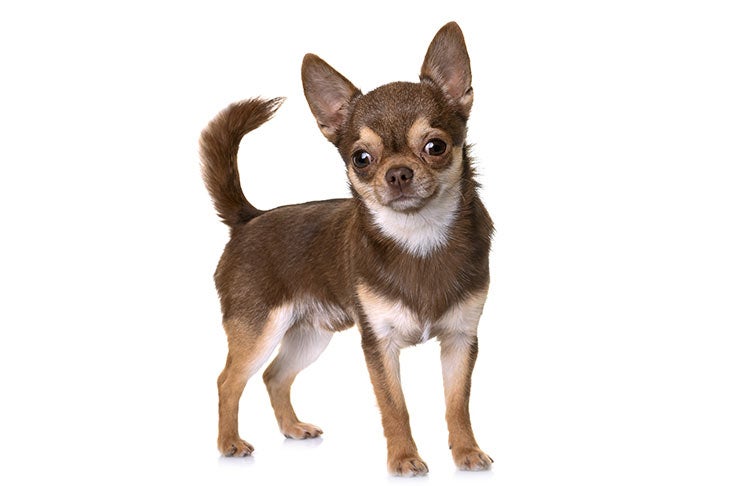
They have an apple-shaped head with large, upright ears. Their eyes are round and expressive. The body is compact, with a slightly longer length than height. The tail is usually curved over the back.
Chihuahuas come in many colors and patterns—solid, marked, or splashed. Common colors include fawn, black, white, chocolate, and cream.
Some Chihuahuas have a “deer head” shape, which is a longer, narrower head. This is less common and not preferred in show dogs, but both types are equally healthy and loved as pets.
Coat Types
There are two main coat types:
- Smooth Coat: Short, close-lying hair. Less grooming needed.
- Long Coat: Soft, fine guard hairs and an undercoat. Needs more brushing.
Both types are equally healthy and share similar temperaments.
Long-haired Chihuahuas may have feathering on their ears, legs, and tail. This adds to their unique look, but it also means more grooming. Smooth coat Chihuahuas are easier to care for, but both types shed and need regular cleaning.
Teacup Chihuahuas: Fact Or Myth?
You may hear about “teacup” Chihuahuas—dogs bred to be even smaller. While they look cute, they are not a separate breed. Teacup-sized dogs often have health problems because of their tiny bones and organs. Responsible breeders focus on healthy, standard-sized Chihuahuas.
Teacup Chihuahuas are more likely to suffer from heart issues, bone fractures, and trouble regulating body temperature. If you want a healthy pet, avoid breeders who promise “extra tiny” dogs.
Comparison With Other Small Breeds
To help you see how Chihuahuas compare to similar breeds, here’s a quick look:
| Breed | Average Weight | Height | Lifespan |
|---|---|---|---|
| Chihuahua | 2–6 lbs | 5–8 in | 14–17 years |
| Pomeranian | 3–7 lbs | 6–7 in | 12–16 years |
| Yorkshire Terrier | 4–7 lbs | 7–8 in | 13–16 years |
| Papillon | 5–10 lbs | 8–11 in | 13–15 years |
Chihuahuas are smaller than most other toy breeds. Their lifespan is also among the longest, which is a big advantage for people who want a pet that stays with them for many years.
Non-obvious Insights
- Size can affect medical costs. The smaller the dog, the more delicate surgeries or procedures become—expect higher vet bills for some treatments.
- Growth plates close later in tiny breeds. Avoid jumping from high places or rough play, especially under one year old, as fractures can happen easily.
Another detail is that Chihuahuas are more likely to be injured by everyday objects. Even a dropped phone or stepping on a toy can hurt them. Always check your home for hazards before letting your Chihuahua roam.
Chihuahua Care
Nutrition And Diet
Chihuahuas need a balanced, high-quality diet. Their small size means they burn calories quickly, but they can also gain weight fast if overfed.
- Recommended food: Choose a premium small-breed kibble or wet food with real meat as the first ingredient.
- Meal frequency: Puppies need 3-4 small meals daily. Adults do well on 2 meals per day.
- Portion control: Measure food carefully; even a few extra treats can lead to obesity.
Fresh water must always be available. Avoid feeding table scraps—some human foods are toxic to Chihuahuas (e. g. , chocolate, grapes, onions).
Special Nutrition Tips
- Hypoglycemia risk: Small breeds can suffer from low blood sugar, especially as puppies. Signs include weakness or shaking. Feed small, frequent meals to prevent this.
- Dental chews: Choose safe, small chews—Chihuahuas are prone to dental problems.
Some owners like to mix dry kibble with a little wet food or cooked chicken for variety, but always check with your vet before changing diets. Too much change can upset their stomachs.
Chihuahuas have small jaws, so make sure kibble is tiny and easy to chew. Hard treats can cause dental damage. Choose soft or small-sized treats for rewards.
Exercise Needs
Chihuahuas are energetic but don’t need intense exercise. Short daily walks (20–30 minutes) and indoor play are enough. Puzzle toys and games keep their minds sharp.
- Avoid overexertion. Too much activity can tire them out quickly.
- Protect from weather. Chihuahuas are sensitive to cold and heat. Use a sweater in winter and avoid hot sidewalks in summer.
A common mistake is thinking Chihuahuas don’t need exercise because they’re small. In reality, regular activity keeps them healthy and prevents boredom. Try short walks, gentle fetch games, or indoor obstacle courses.
Chihuahuas enjoy learning new tricks and agility games, but always start slowly. Watch for signs of fatigue, like panting or lying down. If your Chihuahua doesn’t want to walk, check for health issues before pushing them.
Grooming
Grooming depends on the coat type:
- Smooth coat: Brush once a week, bathe monthly.
- Long coat: Brush 2–3 times a week to prevent mats, bathe monthly.
Check ears weekly for wax or infection. Trim nails every 2–3 weeks. Clean teeth daily—dental disease is common.
Comparison: Grooming Needs
| Coat Type | Brushing Frequency | Bathing | Shedding |
|---|---|---|---|
| Smooth | 1x/week | Monthly | Low |
| Long | 2–3x/week | Monthly | Moderate |
For both types, check for fleas and ticks regularly. Chihuahuas are close to the ground, so they can pick up pests easily. Use gentle pet-safe shampoos and avoid harsh chemicals.
Long-haired Chihuahuas may need trimming around their paws and rear to prevent mats and keep them clean. If you’re not confident in grooming, professional groomers can help.
Health And Lifespan
Chihuahuas are generally healthy, with a lifespan of 14–17 years. However, they are prone to certain health issues:
- Dental disease: Brush teeth often; schedule regular vet cleanings.
- Patellar luxation: Loose kneecaps can cause limping.
- Heart disease: Murmurs and valve issues are common in older dogs.
- Collapsed trachea: Causes coughing, especially when pulling on a leash.
- Hypoglycemia: More common in puppies or tiny adults.
Regular vet visits are key to catching problems early. Consider pet insurance—some treatments can be expensive.
Chihuahuas are also prone to eye problems like cataracts and dry eye. Watch for signs like squinting or discharge. Early treatment keeps vision healthy.
Vaccination And Preventive Care
Keep up with core vaccinations, heartworm prevention, and flea/tick control. Small dogs are more sensitive to medication doses, so always follow your vet’s advice.
Annual check-ups should include dental exams and heart checks. Many owners forget that Chihuahuas need the same preventive care as big dogs—never skip vaccinations or parasite control.
Training And Mental Stimulation
Chihuahuas are smart and eager to please, but they can be stubborn. Use positive reinforcement—praise, treats, and gentle correction work best.
- Housebreaking: Small bladders mean frequent potty breaks. Puppy pads can help.
- Obedience training: Start early with basic commands. Consistency is key.
- Mental games: Use treat-dispensing toys, teach new tricks, or hide favorite toys for your Chihuahua to find.
Chihuahuas love routines. Set aside time each day for training and games. Short, regular sessions are better than long, tiring lessons.
Common Training Mistakes
- Coddling the dog: Carrying your Chihuahua everywhere may cause anxiety and poor social skills.
- Inconsistent rules: Letting bad habits slide because they’re small leads to “small dog syndrome.” Treat your Chihuahua like any other dog when it comes to manners.
Another mistake is using harsh discipline. Chihuahuas respond poorly to yelling or punishment. Instead, redirect bad behavior and reward good choices.
Living Environment
Chihuahuas adapt well to apartments or small houses. They don’t need a yard, but they do need a safe, warm place to sleep. Because they’re so small, they can squeeze through tiny gaps or get stepped on—supervise them closely.
- Watch for hazards: Electrical cords, small objects, and open doors/windows are all risks.
- Use ramps or steps: To protect joints, provide ramps for getting on/off beds or sofas.
Create a cozy sleeping space, such as a soft dog bed in a quiet corner. Some owners use heated pads or blankets in winter to keep their Chihuahua comfortable.
Chihuahuas are also curious and may chew on things they shouldn’t. Remove dangerous objects and keep cleaning products out of reach.
Traveling With Your Chihuahua
This breed is easy to travel with due to their size. Use a secure carrier for car rides and never let your dog roam free inside the car. For air travel, check airline rules—most allow Chihuahuas in the cabin if they fit in a carrier under the seat.
Bring familiar items (a blanket or toy) to help your dog feel safe. Keep ID tags and microchip information up to date.
For longer trips, plan regular breaks for bathroom and water. Chihuahuas can get stressed in noisy or crowded places, so keep travel calm and predictable.
Non-obvious Care Tips
- Watch for drafts: Chihuahuas chill easily. Make sure their bed is away from doors or windows.
- Monitor for dental pain: If your dog stops eating or paws at their mouth, see a vet—dental issues can cause serious pain and lead to other health problems.
Another tip: Check your Chihuahua’s paws after walks. Small stones or debris can get stuck between toes, causing discomfort.
Chihuahua Lifespan And Aging
Most Chihuahuas live 14 to 17 years—some even reach 20 with excellent care. Their small size means they age slowly, but they can develop age-related problems like arthritis or heart disease.
How To Support A Senior Chihuahua
- Adjust diet: Senior food formulas support joint and heart health.
- More frequent vet visits: Older dogs need check-ups every 6 months.
- Soft bedding: Helps protect joints.
- Gentle exercise: Keep moving, but don’t overdo it.
As Chihuahuas age, they may need extra warmth and help with grooming. Dental care becomes even more important.
Senior Chihuahuas may also lose vision or hearing. Use hand signals and keep routines the same to help them feel secure. Watch for signs of pain or discomfort, such as limping or sleeping more.
Costs Of Owning A Chihuahua
Before adopting, it’s wise to consider the full cost. Chihuahuas are less expensive to feed than larger breeds, but some costs are unique to their care.
Typical Annual Expenses
| Expense | Estimated Cost (per year) |
|---|---|
| Food | $100–$250 |
| Veterinary care | $200–$600 |
| Grooming supplies | $50–$150 |
| Toys/treats | $50–$150 |
| Pet insurance | $300–$500 |
| Miscellaneous | $100–$200 |
Additional costs may include training classes, dog walking services, or pet sitting. Chihuahuas are small, but their care can be complex, and owners should be ready for unexpected expenses.
Non-obvious Financial Insights
- Dental cleanings are often needed yearly. This can cost $300–$800 per visit.
- Emergency care costs more for small breeds. Their small size means they need specialized care or anesthesia, which increases the price.
It’s smart to set aside an emergency fund just for your pet. Even small dogs can face big health challenges, and being prepared helps you act fast.
Credit: www.akc.org
Choosing A Chihuahua
If you decide a Chihuahua is right for you, choose carefully. Look for a responsible breeder or adopt from a rescue. Avoid pet stores or online sellers who can’t provide health records.
What To Ask A Breeder
- Health testing for parents (especially for heart and knee problems)
- Vaccination and deworming history
- Socialization efforts (have puppies met people and experienced new things?)
- Return policy if the puppy has health issues
Visiting the breeder’s home gives you a chance to see how puppies are raised. Clean, safe conditions are a good sign.
Adoption
Many Chihuahuas need new homes. Rescue groups and shelters often have both puppies and adults. Adoption fees are usually lower than buying from a breeder and may include vaccines and spay/neuter.
Adoption also gives older dogs a second chance. Adult Chihuahuas can be easier to train and may already know basic commands.
Red Flags
- Puppies that look sick, dirty, or crowded
- Sellers who won’t let you meet the parents
- No health guarantees or paperwork
Ask for references or reviews if possible. Responsible breeders and rescues are happy to provide information.
Is The Chihuahua Right For You?
Consider your lifestyle before bringing home a Chihuahua:
- Time: They want lots of attention and dislike being alone.
- Noise: Can you handle barking?
- Travel: Will you take your dog with you or arrange for care?
- Children/pets: Are your kids gentle? Do you have larger pets?
If you want a loyal, loving companion and can provide gentle, consistent care, a Chihuahua may be perfect. If you work long hours or have very young children, another breed may suit you better.
Chihuahuas need owners who are patient and willing to learn. Their unique needs require dedication, but the rewards are great.
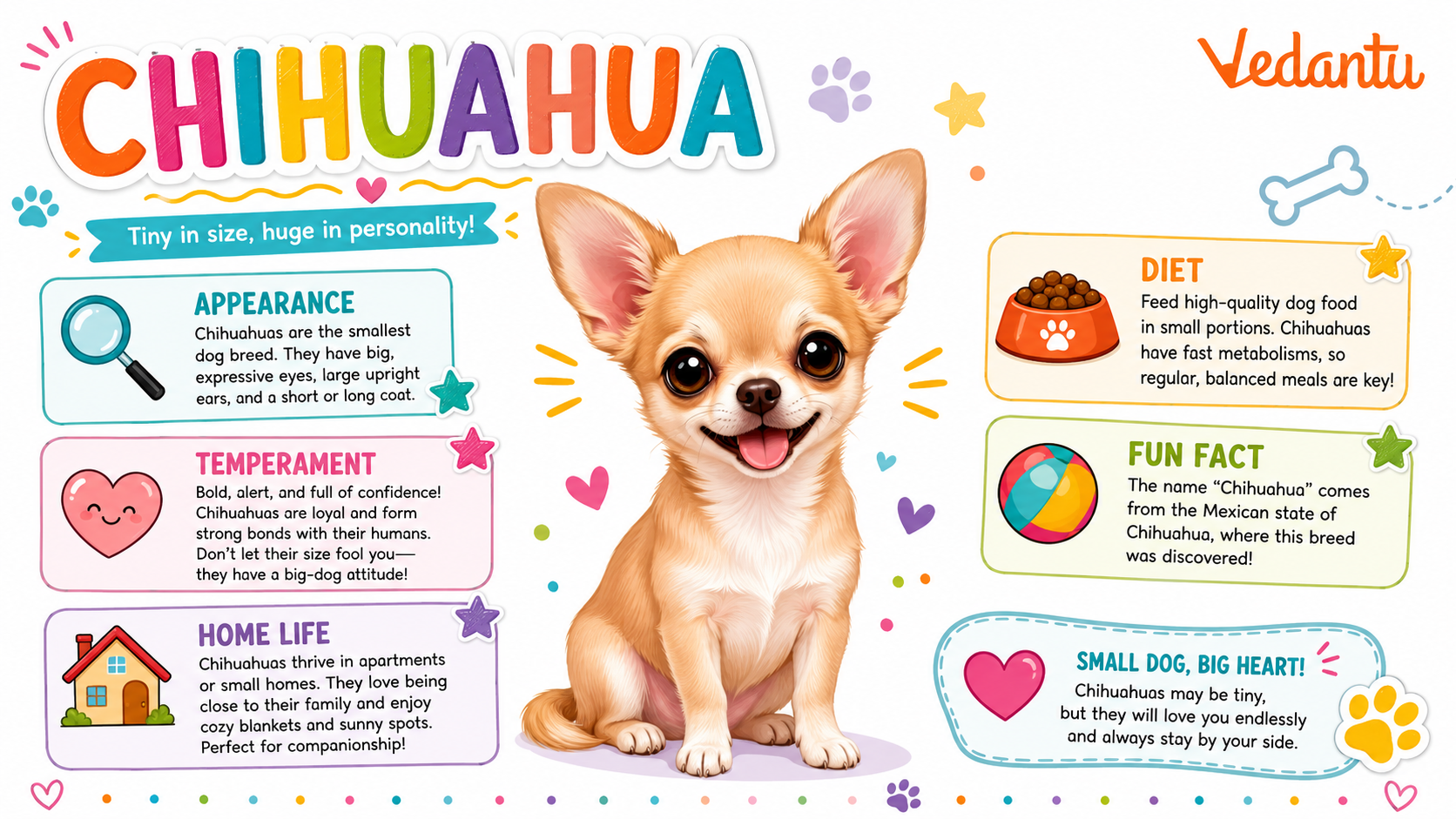
Credit: www.vedantu.com
Frequently Asked Questions
How Long Do Chihuahuas Live?
Chihuahuas usually live 14–17 years. With great care, some reach 20 years. Key factors include genetics, diet, and regular vet visits.
Are Chihuahuas Hypoallergenic?
No, Chihuahuas are not hypoallergenic. They shed, though the amount varies by coat type. Allergies depend on the person—spend time around a Chihuahua before deciding.
Can Chihuahuas Be Left Alone During The Day?
Chihuahuas don’t like being alone for long periods. They may develop separation anxiety. If you work full-time, consider a pet sitter or doggy daycare.
How Much Exercise Does A Chihuahua Need?
Chihuahuas need about 20–30 minutes of exercise daily. This can be a walk or indoor play. Mental stimulation is just as important as physical exercise.
Where Can I Learn More About Chihuahuas?
For detailed breed standards and more tips, visit the Wikipedia Chihuahua page.
Owning a Chihuahua is a rewarding experience. These little dogs bring joy, laughter, and love into any home willing to meet their needs. With the right care and attention, your Chihuahua will be a loyal companion for many years.

We’re the dedicated team behind MyPawSafe.com, with over a decade of combined experience in veterinary care, pet emergency response, and animal behavior. While we prefer to let our work speak for itself, our mission is clear: to provide science-backed, vet-approved advice that helps pet owners prevent accidents and save lives.