Dogs are more than pets—they’re family. When something changes in their health, it can be worrying and confusing. Cushing’s disease in dogs, also called hyperadrenocorticism, is one of those conditions that often sneaks up on both dogs and their owners. Sometimes, the signs are so subtle that people mistake them for normal aging or other minor issues. But the earlier you spot these signals, the better your dog’s chances for a happy, comfortable life.
Understanding the signs of Cushing’s disease isn’t just about memorizing a list. It’s about recognizing patterns, knowing what’s normal for your dog, and being ready to take action when something feels off. This article will walk you through the key symptoms, what happens inside your dog’s body, and how to respond.
Whether you’re worried about your own dog or just want to be prepared, you’ll find clear explanations and practical guidance here.
What Is Cushing’s Disease In Dogs?
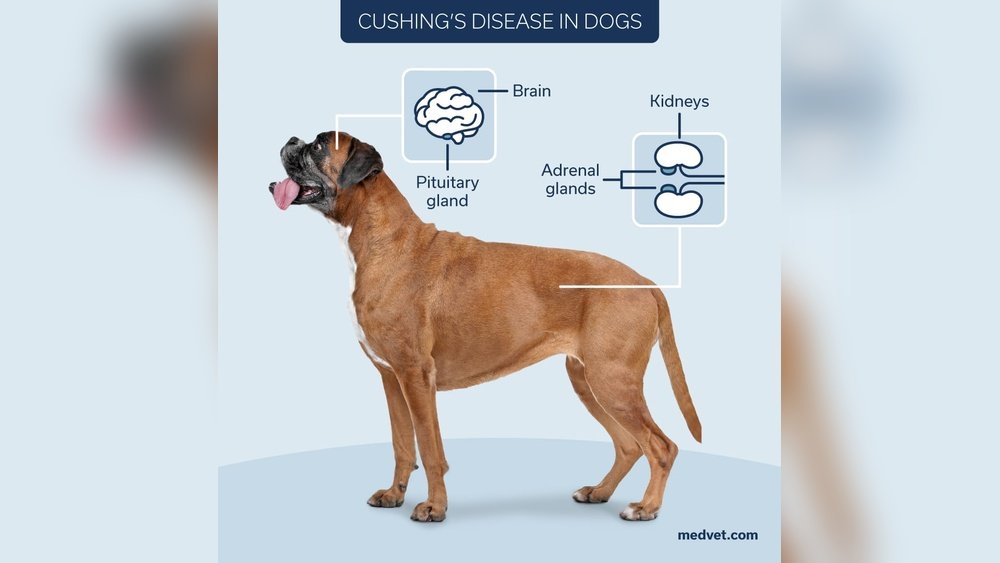
Cushing’s disease is a hormonal disorder. It happens when a dog’s body makes too much cortisol, which is a hormone produced by the adrenal glands. Cortisol helps with stress, metabolism, and immune system function. But too much, for too long, can cause serious problems.
There are three main types of Cushing’s disease:
- Pituitary-dependent Cushing’s (about 80-85% of cases): A tiny tumor in the pituitary gland (in the brain) tells the adrenal glands to release too much cortisol.
- Adrenal-dependent Cushing’s (about 15-20% of cases): A tumor forms in one of the adrenal glands, making it release extra cortisol.
- Iatrogenic Cushing’s: This is caused by giving a dog too much steroid medication over a long period.
No matter the type, the result is the same—high cortisol levels causing a range of symptoms.
Why Early Detection Matters
Cushing’s disease develops slowly. Many owners don’t notice the signs at first, or they think their dog is just getting older. But untreated Cushing’s can lead to serious complications like diabetes, high blood pressure, organ damage, infections, and even increased risk for blood clots.
Spotting the signs early means your vet can start treatment and monitoring sooner. This can help your dog live longer and with better quality of life. Early action also prevents some of the more dangerous complications.
Common Signs Of Cushing’s Disease In Dogs
Dogs with Cushing’s disease often show a mix of physical and behavioral changes. Some are easy to see. Others are more subtle. Here are the most common signs to watch for:
1. Increased Thirst And Urination
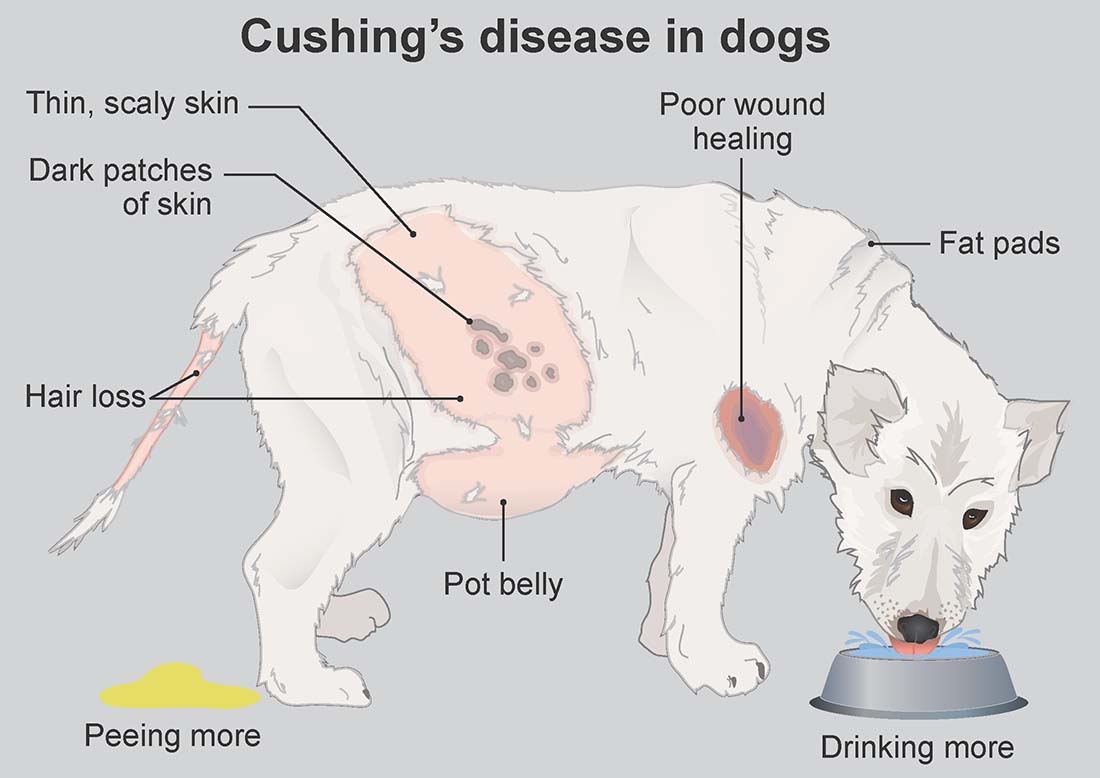
One of the earliest and most obvious signs is that your dog starts drinking a lot more water than usual. You might notice the water bowl needs refilling more often, or your dog is asking to go outside much more frequently.
Some dogs start having accidents in the house, even if they were house-trained for years. This is because high cortisol affects the kidneys, making it harder for the body to concentrate urine.
Key things to notice:
- Drinking more than normal (sometimes double or triple)
- Urinating large amounts more often
- Accidents inside, especially overnight
2. Increased Appetite
Dogs with Cushing’s often develop a ravenous appetite. Owners may think their dog is just hungrier due to age or boredom, but with Cushing’s, the hunger is driven by hormone changes.
A dog may beg constantly, steal food, or even raid the trash—behaviors that weren’t present before.
3. Hair Loss And Skin Changes
Many dogs with Cushing’s disease lose hair, but it’s not like the seasonal shedding most owners expect. Hair loss tends to be symmetrical (on both sides of the body), starting on the trunk and moving outward. The head and legs are usually not affected.
The skin can also become:
- Thin and easily bruised
- Prone to dark spots or blackheads
- Slow to heal after a scrape or cut
- More likely to develop skin infections
4. Pot-bellied Appearance
A classic sign of Cushing’s is a pot-bellied abdomen. The belly looks round and swollen, but the dog’s ribs and hips may still feel bony.
This happens because high cortisol causes the abdominal muscles to weaken, while fat builds up inside the belly. It’s not just “getting fat”—it’s a specific body shape change.
5. Muscle Weakness And Lethargy
Dogs with Cushing’s often get weaker over time. You might see:
- Less interest in walks or play
- Difficulty jumping onto furniture or climbing stairs
- Trouble rising from lying down
This isn’t just “slowing down with age. ” The muscle loss is related to the hormone changes in the body.
6. Panting
Heavy or frequent panting, even when it’s not hot or after exercise, is another common sign. Some dogs pant at night or when resting, which can be a sign of discomfort or stress from high cortisol.
7. Skin Infections And Poor Wound Healing
If your dog gets repeated skin infections or wounds that don’t heal well, this could be a warning sign. Cushing’s weakens the immune system and makes the skin thinner, so even small injuries can become bigger problems.
8. Behavioral Changes
Some dogs seem more anxious, restless, or irritable. Others become more withdrawn or less interested in family activities. These changes can be subtle, but they often go along with the physical symptoms.
9. Other Less Common Signs
While most dogs show the signs above, some may also develop:
- Darkening of the skin
- Calcium deposits (hard lumps under the skin)
- Recurrent urinary tract infections
- High blood pressure
- Diabetes mellitus (in severe cases)
How Signs Of Cushing’s Disease Differ From Normal Aging
It’s easy to mistake Cushing’s disease for normal aging. Both can cause dogs to slow down, gain weight, or drink more water. But Cushing’s usually causes a combination of symptoms, and they get worse over time.
Here’s a comparison to help you spot the difference:
| Normal Aging | Cushing’s Disease |
|---|---|
| Gradual slowing down | Muscle weakness, pot belly, thinning skin |
| Mild increase in thirst | Noticeable, sudden increase in thirst and urination |
| Some graying or thinning hair | Symmetrical hair loss, especially on trunk |
| Mild appetite changes | Strong, persistent hunger and begging |
Breeds And Ages Most At Risk
Cushing’s disease can affect any dog, but it’s most common in middle-aged and older dogs (usually over 7 years old). Some breeds seem to be at higher risk, including:
- Poodles
- Dachshunds
- Terriers (especially Boston and Yorkshire)
- Beagles
- Boxers
Large breeds can also be affected, but smaller breeds are diagnosed more often.
How Vets Diagnose Cushing’s Disease
If you notice the signs above, your next step is a visit to the veterinarian. Diagnosing Cushing’s disease can take time, because the symptoms are similar to other problems like diabetes, kidney disease, or simple aging.
The Diagnostic Process
- Physical Exam: The vet looks for classic signs (pot belly, hair loss, skin changes).
- Blood and Urine Tests: These help rule out other conditions and may show high liver enzymes or dilute urine.
- Screening Tests: Special tests like the ACTH stimulation test or low-dose dexamethasone suppression test check how the dog’s body handles cortisol.
- Imaging (Ultrasound or MRI): These help find tumors on the adrenal or pituitary glands.
Here’s a table showing how common diagnostic tests compare:
| Test Name | What It Shows | Notes |
|---|---|---|
| Routine bloodwork | High liver enzymes, other abnormalities | Not specific for Cushing’s |
| Urine test | Low urine concentration | Helps rule out kidney disease |
| ACTH stimulation test | Body’s response to ACTH hormone | Common, but not 100% accurate |
| Low-dose dexamethasone suppression test | How body suppresses cortisol | More sensitive, may confirm diagnosis |
| Abdominal ultrasound | Adrenal gland size, possible tumors | Helps find adrenal-dependent cases |
Non-obvious Signs And Patterns Owners Miss
Some symptoms are easy to overlook, especially at first. Here are two insights many dog owners miss:
- Nighttime restlessness: Dogs with Cushing’s often pant or pace at night. Owners may think it’s just age or anxiety, but it can be a sign of discomfort from hormone changes.
- Gradual skin thinning: Early on, you might only notice your dog’s skin seems more fragile, or you find small bruises without clear cause. This slow change can be a clue before hair loss or infections become obvious.
What To Do If You Notice Signs
If you see several of these symptoms in your dog, don’t panic—but don’t ignore them either. Here’s what you should do:
- Record Changes: Write down what you’re seeing—how much your dog is drinking, eating, and any behavior changes. This helps your vet understand what’s different.
- Make a Vet Appointment: The sooner you discuss your concerns, the sooner you can start figuring out the cause.
- Bring a List: Take notes on when the signs started, how they’ve changed, and any new medications or foods.
- Be Patient: Diagnosis can take time and may require several visits or tests.

Credit: yourvetwantsyoutoknow.com
Treatment Options And What To Expect
Cushing’s disease can’t be cured in most cases, but it can be managed. The goal is to reduce the amount of cortisol in your dog’s body and control symptoms.
Main Treatment Approaches
- Medication: Most dogs are treated with drugs like trilostane or mitotane, which reduce cortisol production.
- Surgery: In rare cases (mainly with adrenal tumors), surgery can remove the tumor.
- Stopping Steroids: If Cushing’s is caused by medication, your vet will help you slowly stop the drugs.
Each treatment has pros and cons. Medication often needs to be given for life, and regular check-ups are needed to monitor side effects and hormone levels.
Here’s a quick comparison of common treatments:
| Treatment | How It Works | Considerations |
|---|---|---|
| Trilostane | Blocks cortisol production | Most common, daily pills, needs monitoring |
| Mitotane | Destroys part of adrenal gland | Stronger side effects, less used now |
| Surgery | Removes adrenal tumor | High risk, only for certain cases |
| Stop steroids | Reduces cortisol from medication | Must be done slowly, under vet guidance |
Living With A Dog Diagnosed With Cushing’s Disease
Many dogs with Cushing’s disease live happy lives for years after diagnosis. Life may change a bit—more vet visits, careful monitoring, and daily medications. But with good care, most dogs enjoy a good quality of life.
Tips For Daily Care
- Give medicine as directed: Missing doses can cause symptoms to return.
- Watch for side effects: Report any vomiting, diarrhea, or changes in appetite to your vet.
- Monitor symptoms: Keep an eye on thirst, urination, appetite, and behavior.
- Regular check-ups: Expect blood tests every few months to check hormone levels.
One practical tip: Keep a simple log or calendar where you note your dog’s water intake, appetite, and any changes. This makes it easier to spot trends and helps your vet adjust treatment.
When To Seek Emergency Help
Some complications from Cushing’s disease can be dangerous. Contact your vet right away if your dog shows:
- Sudden collapse
- Severe vomiting or diarrhea
- Seizures
- Not eating or drinking for more than a day
These could be signs of an Addisonian crisis (from too little cortisol after treatment), pancreatitis, or other serious problems.

Credit: www.sepr.es
Preventing Cushing’s Disease: What’s Possible?
Most cases of Cushing’s disease can’t be prevented, especially if they’re caused by tumors. However, you can reduce the risk of iatrogenic (medication-induced) Cushing’s by only using steroids when truly needed, and always following your vet’s dosing instructions.
Keep your dog at a healthy weight, provide regular exercise, and go for yearly check-ups—these steps help catch problems early, even if prevention isn’t always possible.
The Emotional Side: Supporting Your Dog And Yourself
Dealing with a chronic disease like Cushing’s can be stressful for both you and your dog. It’s normal to feel overwhelmed at first. Remember, you’re not alone—vets, vet techs, and online communities can offer support and advice.
Some owners find it helpful to join a support group or read about others’ experiences. This can give you hope and practical ideas for managing daily life. For more information, the Cornell University College of Veterinary Medicine offers a useful overview and resources.
Credit: www.pdsa.org.uk
Frequently Asked Questions
What Causes Cushing’s Disease In Dogs?
Cushing’s disease is most often caused by a small tumor in the pituitary gland (in the brain), which sends signals to the adrenal glands to make too much cortisol. Less often, a tumor on one of the adrenal glands itself is the reason. A third, less common cause is long-term use of steroid medications.
Can Cushing’s Disease In Dogs Be Cured?
Most cases can’t be fully cured, but they can be managed with medication. Surgery is possible in some cases (especially with adrenal tumors), but it’s risky and not always an option. With proper treatment, most dogs live comfortably for years.
How Long Can A Dog Live With Cushing’s Disease?
Many dogs live two to three years or more after diagnosis, especially if the disease is managed well. Some dogs live even longer with good care and regular monitoring. The exact lifespan depends on the type of Cushing’s, the dog’s age, and any other health problems.
Is Cushing’s Disease Painful For Dogs?
Cushing’s itself isn’t usually painful, but it can cause discomfort from muscle weakness, skin infections, or other complications. Proper treatment can relieve most symptoms and help your dog feel comfortable.
How Much Does It Cost To Treat Cushing’s Disease In Dogs?
Costs vary depending on where you live and the treatment your dog needs. On average, expect to pay for:
- Initial diagnosis (tests and imaging)
- Ongoing medication (often $50–$200 per month)
- Regular check-ups and blood tests
Discuss options with your vet to plan for both short- and long-term expenses.
Bringing It All Together
Cushing’s disease in dogs is a complex condition, but it’s not a hopeless one. The key is awareness—knowing the signs, acting early, and working with your vet to manage the disease. If your dog starts drinking more, eating like never before, losing hair, or showing other odd changes, don’t write it off as “just old age.” Listen to your instincts and seek help.
With early detection and the right treatment plan, most dogs with Cushing’s disease continue to enjoy happy, active lives. Your attention and care make all the difference.
We’re the dedicated team behind MyPawSafe.com, with over a decade of combined experience in veterinary care, pet emergency response, and animal behavior. While we prefer to let our work speak for itself, our mission is clear: to provide science-backed, vet-approved advice that helps pet owners prevent accidents and save lives.