
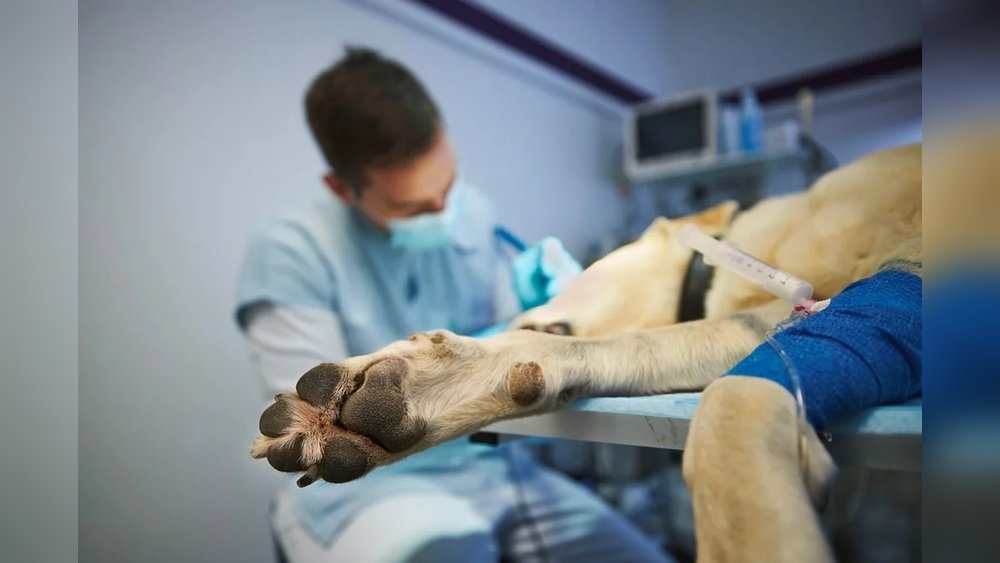
Every pet owner wants the best care for their furry companions. Yet, a visit to the veterinarian can sometimes bring financial surprises. Whether you have a playful puppy, a curious cat, or a senior pet, understanding the cost of common vet procedures is essential. This helps you plan, budget, and make informed decisions for your pet’s health. In this article, we’ll break down the typical prices for various vet services, explain what influences these costs, and share tips to manage veterinary expenses more confidently.
What Affects The Cost Of Vet Procedures?
Veterinary costs can vary greatly from city to city, or even between clinics in the same area. Several factors drive these price differences:
- Location: Urban areas usually have higher prices than rural towns due to rent, labor, and operational costs. Living costs in cities are higher, so clinics must charge more to cover expenses like staff salaries, building maintenance, and insurance.
- Type of Clinic: Emergency hospitals or specialty clinics tend to charge more than general practices. Specialty centers invest in advanced equipment and employ highly trained staff, which increases their fees.
- Pet’s Size and Breed: Larger animals often need higher medication doses or more anesthesia, increasing costs. Certain breeds with special health risks might also require extra care or monitoring, which adds to the final bill.
- Complexity of Procedure: Simple treatments cost less than surgeries or advanced diagnostics. For example, removing a small lump under the skin is cheaper than surgery for a torn ligament.
- Experience and Reputation: Highly qualified veterinarians and modern facilities may charge premium rates. Clinics with advanced certifications or awards may also reflect this in their pricing.
Knowing these factors helps you understand why the same service can cost $50 at one clinic and $150 at another. Also, some clinics include additional services, like nail trims or ear cleaning, as part of their exam, while others charge extra.
Routine Vet Visits: What To Expect
Annual wellness exams are the foundation of your pet’s health care. These visits usually include a full physical check, vaccinations, and sometimes basic diagnostics like fecal exams. Wellness visits are not just for shots—they allow your vet to spot issues early, check your pet’s weight, teeth, skin, and listen to your concerns.
| Service | Average Cost (USD) |
|---|---|
| Physical Exam | $45 – $70 |
| Core Vaccinations | $20 – $50 per shot |
| Fecal Test | $25 – $45 |
| Heartworm Test (dogs) | $35 – $55 |
Non-obvious insight: Some clinics bundle wellness exams and vaccines for a lower total price, so ask about package deals. Also, low-cost vaccine clinics can reduce expenses if your budget is tight, but these may not include a full health check. If you skip the exam and only get vaccines, you might miss early warning signs of illness, so weigh the savings against the benefits.
Vaccinations: Essential And Optional
Vaccinations protect pets from dangerous diseases. Costs depend on the vaccine type and whether your pet is a dog or cat. Some vaccines are “core” and recommended for all pets, while others are optional based on lifestyle, travel, or region.
Dog Vaccinations
- Rabies: $20 – $40 (usually required by law)
- Distemper/Parvovirus Combo (DHPP): $25 – $50
- Bordetella (Kennel Cough): $20 – $40
Rabies is often needed for licensing. Kennel cough is important if your dog visits groomers, dog parks, or boarding.
Cat Vaccinations
- Rabies: $20 – $40
- FVRCP (Feline Viral Rhinotracheitis, Calicivirus, Panleukopenia): $25 – $50
- Feline Leukemia Virus (FeLV): $25 – $55
Indoor-only cats may need fewer vaccines, but discuss risks with your vet.
Practical tip: Puppies and kittens need a series of shots in their first year, which increases the initial cost. After that, most vaccines move to a yearly or three-year schedule. For example, the rabies shot may only be required every three years once your pet is an adult, depending on local regulations.
Some clinics offer “vaccine clinics” on certain days for discounted rates, but these often do not include a full physical exam or health check.
Spaying And Neutering
One of the most common surgeries, spaying (female) and neutering (male) help control pet populations and offer health benefits. Prices vary depending on species, size, and location. Spaying is more expensive because it’s a more complex surgery than neutering.
| Procedure | Dog (Avg. Cost) | Cat (Avg. Cost) |
|---|---|---|
| Spay (female) | $200 – $500 | $100 – $300 |
| Neuter (male) | $150 – $400 | $60 – $200 |
Non-obvious insight: Many cities offer low-cost clinics or voucher programs for spay/neuter to encourage responsible pet ownership. Always check if your local animal shelter has resources to reduce costs. Also, some animal welfare groups partner with vets to provide mobile spay/neuter units, making it more accessible in remote areas.
Recovery is usually quick, but always follow your vet’s instructions for aftercare to avoid complications, which could lead to extra costs.

Credit: www.backgammon.cz
Dental Cleaning And Extractions
Dental care is often overlooked, but poor oral hygiene can lead to serious health problems. A dental cleaning usually includes anesthesia and scaling, while extractions (removing teeth) add to the cost.
- Basic Dental Cleaning: $300 – $700 (dogs), $200 – $500 (cats)
- Extractions (per tooth): $50 – $150 extra, depending on complexity
Why the wide range? Older pets, or those with severe dental disease, may need bloodwork, IV fluids, or more anesthesia. These increase the price. Small breeds often require more dental care, as their teeth crowd easily.
If your pet needs multiple extractions, the cost can quickly rise to $1,000 or more. Dental X-rays are sometimes recommended for a full assessment and can add $75 – $150 to the bill.
Extra tip: Regular tooth brushing at home and dental treats can help reduce how often your pet needs professional cleanings.
Diagnostic Tests: Bloodwork, X-rays, And Ultrasounds
Diagnosing illness often requires tests. The most common include bloodwork, X-rays, and ultrasounds. These tests help your vet “see inside” your pet without surgery.
Bloodwork
- Basic Blood Panel: $80 – $200
- Comprehensive Panel: $150 – $300
Routine blood tests are common for senior pets or before anesthesia. Bloodwork checks for organ function, infections, anemia, and more.
X-rays (radiographs)
- Single View: $75 – $150
- Multiple Views or Full Set: $150 – $300
Non-obvious insight: Sometimes, sedation is needed if a pet can’t stay still, which adds $50 – $150 to the bill. X-rays can help diagnose broken bones, swallowed objects, or lung and heart issues.
Ultrasound
- Abdominal Ultrasound: $300 – $600
- Echocardiogram (Heart): $400 – $800
Ultrasounds are usually performed by specialists, which is why they cost more. Sometimes, a traveling specialist visits your clinic, which may have a separate fee.
Extra detail: Some conditions, like cancer or heart disease, may require both X-rays and ultrasounds for a full diagnosis, increasing costs.

Credit: en.wikipedia.org
Emergency Visits And Hospitalization
Emergencies can be expensive due to urgent care, after-hours service, and specialized equipment.
- Emergency Exam Fee: $100 – $200 just to be seen
- Hospitalization (per day): $600 – $1,500 (includes monitoring, IV fluids, basic care)
- Oxygen Therapy: $120 – $250 per session
Critical care—such as for trauma, poisoning, or severe illness—can quickly climb into the thousands. Always ask for a cost estimate before agreeing to extensive treatment.
Extra tip: Emergency hospitals often require a deposit before starting treatment, especially for surgeries or overnight care. This can be a shock if you’re not prepared.
Surgery: Common Procedures And Their Costs
Pets may need surgery for many reasons, from tumor removal to fixing broken bones. Surgery often includes anesthesia, operating room fees, medications, and post-op checkups.
| Surgery Type | Dog (Avg. Cost) | Cat (Avg. Cost) |
|---|---|---|
| Tumor Removal | $500 – $1,000 | $400 – $800 |
| Foreign Object Removal (GI Surgery) | $1,500 – $3,000 | $1,000 – $2,000 |
| Cruciate Ligament Repair (TPLO) | $3,000 – $5,000 | Rare in cats |
| Bladder Stone Removal | $1,200 – $2,000 | $800 – $1,500 |
Tip: Get a written estimate before surgery. Costs may include pre-op bloodwork, anesthesia, post-op pain meds, and follow-up visits. These add up quickly.
Ask if your pet will need overnight care or special monitoring, as these can increase the bill. Also, some surgeries performed by board-certified specialists may cost more but often come with better outcomes for complex cases.

Credit: www.aaha.org
Euthanasia And End-of-life Care
Saying goodbye is never easy. Understanding costs can help you prepare.
- Euthanasia (in clinic): $75 – $150
- Euthanasia (at home): $250 – $450
- Cremation (communal): $50 – $150
- Cremation (private with ashes returned): $150 – $350
Some clinics offer packages that include a keepsake or a clay paw print. Grief support resources are often available—don’t hesitate to ask.
Extra detail: In-home euthanasia is more expensive but can be more comfortable for both pet and owner. Some veterinarians offer flexible scheduling for end-of-life care.
Parasite Prevention: Flea, Tick, And Heartworm
Keeping your pet safe from parasites is ongoing, not a one-time expense.
- Flea/Tick Prevention (monthly): $12 – $25
- Heartworm Prevention (monthly): $10 – $20 (dogs only)
- Deworming (per dose): $15 – $45
Non-obvious insight: Buying a 6- or 12-month supply often reduces the price per dose. Some products combine flea, tick, and heartworm protection, which can be more cost-effective.
Extra example: If you have multiple pets, ask your vet about bulk discounts or rebates from manufacturers.
Common Chronic Disease Management
Many pets develop chronic illnesses like diabetes, arthritis, or kidney disease. These require ongoing care.
Diabetes (dogs Or Cats)
- Insulin (monthly): $30 – $100
- Syringes: $15 – $25 per box
- Glucose Monitoring: $40 – $120 for a meter, plus $1 per test strip
Managing diabetes also involves regular vet visits and blood tests, which can add $100 – $200 per checkup.
Arthritis (mostly Dogs)
- Pain Medication (monthly): $30 – $70
- Joint Supplements: $20 – $50
Physical therapy, laser therapy, or acupuncture may be recommended for advanced cases, each costing extra.
Kidney Disease (cats)
- Prescription Food: $40 – $75 per bag/case (lasts 2–4 weeks)
- Fluids (at home): $15 – $40 per month
Extra tip: Chronic disease management may require periodic lab work to monitor your pet’s condition—expect $100 – $200 for these tests every few months.
Managing chronic disease is less about one-time costs and more about monthly budgeting. Many owners forget to account for the ongoing nature of these expenses.
Pet Insurance: Is It Worth It?
Pet insurance helps manage high vet costs, especially for emergencies or chronic illness. Plans range from accident-only to comprehensive (accident + illness + wellness).
- Average Monthly Premium: $25 – $70 (dogs), $15 – $40 (cats)
- Deductibles: Usually $100 – $500 per year
- Reimbursement: 70% – 90% of eligible costs
Non-obvious insight: Insurance often doesn’t cover pre-existing conditions. Start a policy when your pet is young and healthy for the best coverage. Also, understand that you usually pay the vet bill up front and are reimbursed later.
For more details on how pet insurance works, visit the American Veterinary Medical Association.
How To Save On Veterinary Costs
Veterinary expenses can add up, but there are smart ways to manage your budget without sacrificing your pet’s health.
- Preventive Care: Regular checkups and vaccines reduce the risk of expensive emergencies.
- Shop Around: Prices can vary. Call several clinics for estimates, especially for planned procedures.
- Ask About Payment Plans: Many clinics offer financing or payment options through third parties like CareCredit.
- Low-Cost Clinics: Animal shelters, rescue groups, and some non-profits run affordable clinics for vaccines, spay/neuter, and minor illnesses.
- Buy Medication Online: After a prescription, compare prices at reputable online pharmacies. Some generic drugs are much cheaper online.
- Wellness Plans: Some vets offer monthly wellness plans that cover routine care for a flat fee.
- Budget for Emergencies: Set aside a small amount each month in a “pet fund” to cover unexpected costs.
- Consider Pet Insurance: As discussed, insurance can buffer against big bills, but read policies carefully.
Practical example: If you save just $20 a month, you’ll have $240 at year’s end—enough to cover a basic dental cleaning or emergency exam fee.
Non-obvious insight: Some human health savings accounts (HSAs) cannot be used for pets, so a separate pet savings plan is wise.
Real-world Case Scenarios
Understanding costs can be easier with real-life examples.
Case 1: A dog eats a sock and needs emergency surgery.
- Emergency exam: $150
- X-rays: $200
- GI foreign object surgery: $2,000
- Hospitalization: $1,200 (2 days)
- Medications: $120
Total: $3,670
Case 2: Senior cat with kidney disease.
- Exam and bloodwork: $250
- Prescription food (6 months): $450
- Fluids at home (6 months): $180
- Follow-up visits (2): $120
Total for 6 months: $1,000
These examples show how quickly costs can rise, especially for emergencies or chronic conditions.
Extra tip: Planning for these costs ahead of time, with pet insurance or a dedicated savings fund, can make a major difference when emergencies happen.
Regional Differences In Vet Procedure Costs
Vet costs in the United States can differ widely from city to city. For example, a spay surgery in rural Kansas may be half the price of the same procedure in New York City.
| Procedure | Urban (NYC/LA) | Suburban | Rural |
|---|---|---|---|
| Spay (dog) | $400 – $600 | $250 – $400 | $150 – $300 |
| Dental Cleaning (dog) | $600 – $900 | $350 – $650 | $200 – $400 |
| X-ray (single) | $120 – $200 | $90 – $150 | $60 – $110 |
Tip: Large university vet hospitals and specialty centers often charge more, but they handle complex cases that regular clinics cannot.
Non-obvious insight: In some areas, traveling to a neighboring town can save a lot of money on surgeries or dental procedures. However, always consider travel time, follow-up care, and your pet’s comfort.
Unexpected Fees And “hidden” Costs
Vet bills sometimes include charges that surprise pet owners. Here are costs that may not be obvious at first glance:
- Exam or recheck fees: Usually $40 – $80, charged for each visit.
- Medical waste disposal: $5 – $15 per procedure.
- Anesthesia monitoring: $50 – $100, especially for longer surgeries.
- Medications: Some are marked up at clinics compared to pharmacies.
- Follow-up visits: Not always included in initial quotes.
Advice: Always ask for a detailed estimate before agreeing to treatment. Request itemized invoices, so you know what you’re paying for.
Extra tip: Ask if there are “recheck” fees for follow-up visits—sometimes these are discounted if you return within a certain timeframe.
The Value Of Regular Preventive Care
While it’s tempting to skip annual exams or dental cleanings to save money, prevention is almost always cheaper than treating illness later. For example, treating parvovirus (a preventable disease with a vaccine) can cost over $1,500, while the vaccine is only $25 – $40.
Non-obvious insight: Preventive care also improves your pet’s quality of life, reducing suffering and long-term costs. Early detection of disease often means simpler, cheaper treatment.
Practical example: Detecting a heart murmur early during a routine exam can lead to monitoring and medication, which is less expensive and more effective than waiting for a crisis.
How To Prepare For Vet Costs Before Getting A Pet
Thinking ahead is the best way to avoid financial stress. Before bringing a pet home, consider:
- Initial setup: Vaccines, spay/neuter, microchip, and first checkup.
- Yearly care: Exams, vaccines, parasite prevention.
- Unexpected events: Emergencies or accidents.
- Chronic care: Especially for breeds prone to health problems.
Example budget for a new puppy’s first year:
- Vaccines and exams: $250 – $400
- Spay/neuter: $200 – $500
- Parasite prevention (12 months): $150 – $300
- Microchip: $45 – $60
- Miscellaneous (toys, bed, etc. ): $200 – $400
Total: $845 – $1,660
This doesn’t include emergencies or chronic illness, which can significantly increase the cost.
Extra detail: Research your pet’s breed—some, like bulldogs or Persian cats, are more likely to develop health issues needing extra care and higher costs.
When To Seek A Second Opinion
If a vet’s estimate feels high, or a recommended procedure doesn’t make sense, it’s okay to ask questions or seek a second opinion. Most veterinarians expect this and want you to feel comfortable with your pet’s care plan.
- Ask why a procedure is needed.
- Request alternatives: Sometimes less expensive options are available.
- Check online reviews for the clinic’s reputation.
- Contact other clinics for price comparisons.
Your pet’s health and your peace of mind are both important.
Extra tip: If you’re facing a major diagnosis, a second opinion can confirm the best treatment path—or sometimes reveal less invasive or costly options.
Frequently Asked Questions
How Much Does A Typical Vet Visit Cost For A Dog Or Cat?
A basic exam usually costs between $45 and $70. Additional services like vaccines, bloodwork, or diagnostics will add to the total. Emergency visits or specialty clinics are more expensive, often starting at $100 or more.
Are There Ways To Reduce The Cost Of Spaying Or Neutering?
Yes. Many communities offer low-cost spay/neuter clinics. Local animal shelters and rescue groups often provide vouchers or discounts. Some national programs also help pet owners with financial needs.
Is Pet Insurance Worth The Price?
Pet insurance can be valuable for unexpected emergencies or chronic illnesses, especially for breeds with known health risks. However, read the policy carefully and start coverage when your pet is young, as most plans won’t cover pre-existing conditions.
Why Are Dental Cleanings For Pets So Expensive?
Dental cleanings in pets require general anesthesia for safety, which increases cost. The price also covers professional cleaning, monitoring, and sometimes extractions or X-rays. Regular home dental care can reduce the need for frequent cleanings.
What Should I Do If I Can’t Afford A Necessary Vet Procedure?
If you face a large vet bill, ask your clinic about payment plans or third-party financing. Look into charity programs, animal welfare groups, or local low-cost clinics. Crowdfunding or community support can sometimes help in emergencies.
—
Caring for a pet brings joy and companionship, but also real financial responsibility. By understanding the cost of common vet procedures, you can prepare, budget wisely, and provide the best for your animal friend. Remember, prevention and open communication with your veterinarian are key to keeping both your pet and your wallet healthy.

We’re the dedicated team behind MyPawSafe.com, with over a decade of combined experience in veterinary care, pet emergency response, and animal behavior. While we prefer to let our work speak for itself, our mission is clear: to provide science-backed, vet-approved advice that helps pet owners prevent accidents and save lives.