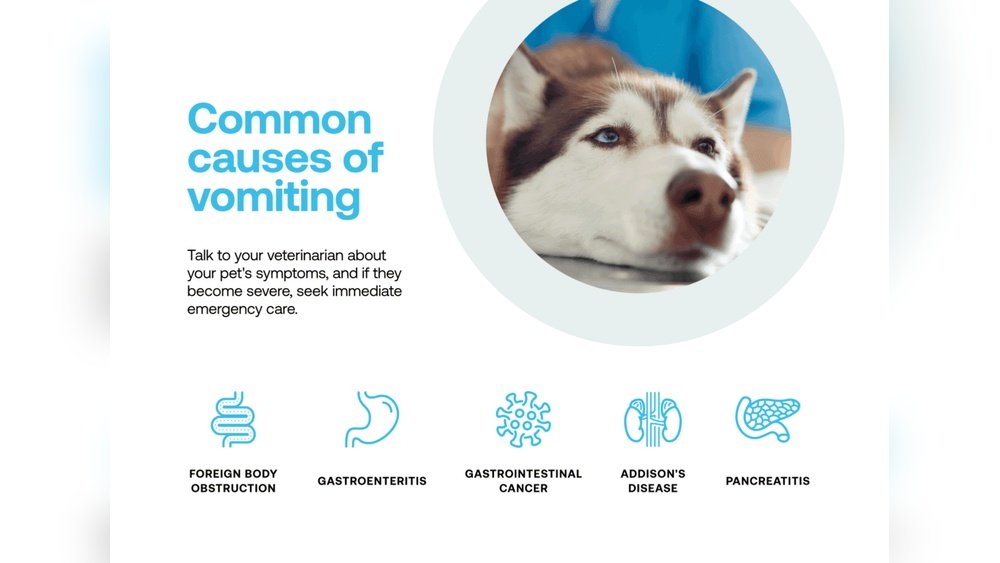
Vomiting in dogs can be alarming for any pet owner. Sometimes, it’s a simple case of eating something disagreeable; other times, it signals a serious health problem. Understanding the common causes of vomiting in dogs helps you react faster, avoid panic, and make better decisions for your furry friend’s health.
Dogs vomit for many reasons—some are minor, but others need urgent care. This article explains the main causes, how to recognize them, and what you can do. You’ll also learn about related symptoms, when to call the vet, and practical tips to prevent vomiting.
Whether you’re a new dog owner or have years of experience, this guide will deepen your understanding and give you confidence when caring for your pet.
How Vomiting Happens In Dogs
Before diving into causes, it helps to know what vomiting really is. Vomiting is an active process where a dog forcefully expels stomach contents. You might see heaving, drooling, or repeated attempts before the actual vomit comes out. This is different from regurgitation, which is more passive and often involves undigested food coming up without warning.
Recognizing true vomiting is important because the underlying causes and treatments can differ from those of regurgitation or simple coughing.
Dietary Causes: What Dogs Eat Matters
Many cases of vomiting begin with what goes into your dog’s mouth. Dogs are curious eaters, and their stomachs are sensitive to certain foods and changes.
1. Eating Something They Shouldn’t
Dogs sometimes eat spoiled food, garbage, toxic plants, or foreign objects. This is one of the most frequent causes of vomiting, especially in young or unsupervised pets. Even a quick dash to the trash can lead to trouble.
Examples:
- Chicken bones or corn cobs can block or injure the gut.
- Chocolate, grapes, or onions are toxic and can cause stomach upset or worse.
Non-obvious insight: Many owners think a dog will always avoid harmful foods, but that’s not true—dogs often eat things that smell interesting but are dangerous.
2. Sudden Diet Changes
Switching dog food brands or types too quickly can upset your dog’s digestive system. The gut bacteria need time to adjust. Vomiting, diarrhea, and gas are common when new food is introduced suddenly.
Tip: When changing diets, gradually mix the new food with the old over 7–10 days.
3. Food Intolerance Or Allergy
Some dogs cannot handle certain ingredients like dairy, wheat, or specific proteins. This intolerance can cause vomiting, usually within a few hours after eating.
Example: A dog with lactose intolerance may vomit after eating cheese or ice cream.
4. Overeating Or Eating Too Fast
Gulping down food too quickly or eating large meals can lead to regurgitation or vomiting. This is especially common in multi-dog households where competition at mealtime is high.
Practical tip: Using a slow-feeder bowl can help reduce this problem.
Infectious Causes: Viruses, Bacteria, And Parasites
Diseases caused by germs are another major reason for vomiting in dogs. These can spread easily, especially in places with many dogs.
1. Viral Infections
Parvovirus is a serious and contagious disease, mostly affecting puppies and unvaccinated dogs. It causes severe vomiting, diarrhea, and dehydration, and can be deadly if not treated quickly.
Canine distemper and canine coronavirus can also cause vomiting, though they are less common than parvovirus.
Key data: Parvovirus has a mortality rate of up to 91% in untreated puppies.
2. Bacterial Infections
Certain bacteria, like Salmonella or E. coli, can infect the gut after a dog eats contaminated food or water. Symptoms include vomiting, diarrhea, and sometimes fever.
Non-obvious insight: Dogs that eat raw diets are more likely to get bacterial infections, especially if food safety is not strict.
3. Intestinal Parasites
Roundworms, hookworms, and giardia are common parasites that irritate the digestive tract and cause vomiting. Puppies and dogs in crowded shelters are especially at risk.
Example: Giardia is often found in dirty water or puddles. Dogs that play outside or drink from unsafe sources are more likely to get it.
Toxins And Poisoning
Dogs are exposed to many substances that can poison them, either in the home or outside. Vomiting is the body’s way of trying to get rid of the toxin.
1. Human Foods And Household Items
Many common foods and products are toxic to dogs:
- Chocolate contains theobromine, which is dangerous even in small amounts.
- Grapes and raisins can cause kidney failure.
- Xylitol, a sweetener found in sugar-free gum and some peanut butters, causes rapid insulin release and liver failure.
- Medications like painkillers, antidepressants, or even vitamins can be deadly to pets.
2. Outdoor Poisons
Dogs can get poisoned by:
- Pesticides or rodenticides (rat poison)
- Fertilizers
- Antifreeze (ethylene glycol), which tastes sweet but is highly toxic
Practical example: A dog that licks a driveway after a car leak can be poisoned by antifreeze, even if only a small amount is consumed.
3. Plants And Mushrooms
Many plants, both indoor and outdoor, can cause vomiting if chewed or swallowed. Azaleas, lilies, sago palms, and wild mushrooms are just a few examples.
Tip: Always check new houseplants or landscaping for pet safety before bringing them home.
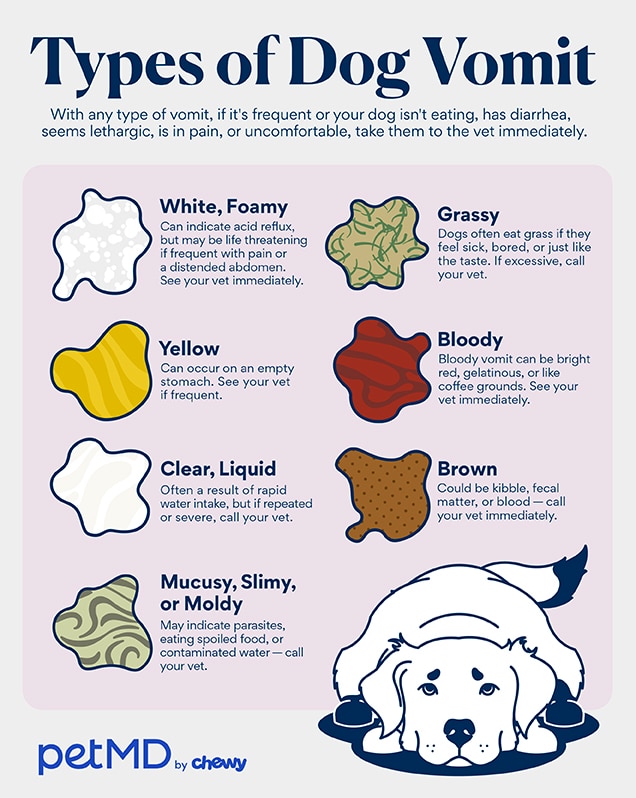
Credit: www.petmd.com
Gastrointestinal Disorders
Problems inside the digestive tract itself can cause persistent or severe vomiting.
1. Gastritis (stomach Inflammation)
Gastritis means the lining of the stomach is inflamed, often from eating something irritating or from infections. It usually causes sudden vomiting, sometimes with yellow bile.
2. Gastrointestinal Obstruction
A blockage in the intestines or stomach—caused by toys, bones, socks, or hairballs—prevents normal passage of food. Vomiting is a key symptom, along with abdominal pain, lack of appetite, and sometimes bloating.
Data: In one veterinary study, 80% of dogs with foreign body obstructions showed repeated vomiting.
3. Ulcers
Stomach or intestinal ulcers, often caused by long-term medication (like NSAIDs or steroids), can lead to vomiting, sometimes with blood.
4. Inflammatory Bowel Disease (ibd)
Some dogs have a long-term problem where the immune system attacks the gut, causing repeated vomiting, diarrhea, and weight loss.
Non-obvious insight: IBD often looks like a “sensitive stomach,” but needs special treatment and diet.
5. Motility Disorders
Conditions where the muscles of the stomach or intestines don’t move food properly can cause vomiting. These are less common, but can be tricky to diagnose.
Systemic Diseases: Problems Outside The Gut
Sometimes vomiting isn’t about the stomach at all. Diseases in other organs can trigger vomiting as a secondary problem.
1. Kidney Disease
When kidneys fail, waste products build up in the blood, leading to nausea and vomiting. Older dogs are most at risk.
2. Liver Disease
The liver filters toxins from the blood. If it’s not working, these toxins make dogs feel sick and cause vomiting.
3. Pancreatitis
Pancreatitis is inflammation of the pancreas, an organ that helps digest food. It’s a common cause of sudden, severe vomiting, often after a dog eats fatty food.
Key fact: Breeds like Miniature Schnauzers and overweight dogs are more likely to get pancreatitis.
4. Addison’s Disease
This hormonal disorder (also called hypoadrenocorticism) affects the adrenal glands and can cause vomiting, diarrhea, and even shock. Symptoms can be vague and come and go.
5. Diabetes Mellitus
If diabetes isn’t controlled, dogs can develop diabetic ketoacidosis, a life-threatening condition that often starts with vomiting and lethargy.
Other Causes: Less Common But Important
There are a few other causes that owners sometimes overlook.
1. Motion Sickness
Just like people, some dogs get sick during car rides. Puppies are more prone to this, and most outgrow it.
2. Stress And Anxiety
Dogs can vomit from stress, such as after moving, during thunderstorms, or when left alone. This is sometimes called “psychogenic vomiting.”
3. Heatstroke
In hot weather, dogs left outside or in cars can overheat quickly. Vomiting is an early sign, often followed by panting, drooling, and collapse.
4. Vaccination Or Medication Reactions
After certain vaccines or medications, dogs may vomit as a side effect. This is usually mild but should be reported to your vet.
5. Cancer
Tumors in the stomach, intestines, or other organs can block digestion or produce toxins, causing vomiting. This is more common in older dogs.
Acute Vs. Chronic Vomiting: Why Duration Matters
Vomiting can be acute (sudden and short-term) or chronic (lasting more than a week or recurring). Acute cases often have an obvious cause, like eating garbage. Chronic vomiting suggests a deeper issue, such as allergies, IBD, or organ disease.
Knowing the difference helps you and your vet decide how urgently your dog needs to be seen.
How Veterinarians Diagnose The Cause
Finding the real reason for vomiting often takes detective work. Vets use a combination of history, physical exams, and tests.
Here’s a comparison of some common diagnostic tools:
| Test/Method | What It Checks | Typical Use |
|---|---|---|
| Physical exam | Abdominal pain, dehydration, fever | Every vomiting case |
| Blood tests | Liver, kidney, pancreas function | Suspected organ or systemic disease |
| Fecal exam | Parasites, bacteria, viruses | Puppies, diarrhea cases |
| X-rays/Ultrasound | Obstructions, tumors, organ size | Severe, persistent, or unclear cases |
| Endoscopy | View inside stomach, take biopsies | Chronic vomiting, suspected ulcers/tumors |
Non-obvious insight: Sometimes, a cause is never found, even after many tests. In these cases, treatment focuses on controlling symptoms and monitoring closely.
Symptoms That Warrant Immediate Attention
Not every vomiting episode is an emergency. But some symptoms mean you should call your vet right away:
- Vomiting more than 3–4 times in a day
- Vomit contains blood (bright red or coffee-ground appearance)
- Severe lethargy or collapse
- Swollen or painful abdomen
- Repeated vomiting with no food or water kept down
- Gums that are pale, blue, or yellow
- Signs of poisoning (sudden onset, seizures, drooling)
Practical tip: Puppies, small breeds, and older dogs get dehydrated much faster—act quickly if they can’t keep water down.
Home Care: What You Can Do (and When Not To)
If your dog vomits once but seems otherwise normal, you can try simple home care while watching closely.
Safe Steps For Mild Vomiting
- Withhold food for 8–12 hours (but allow small sips of water).
- If no more vomiting, offer a bland diet (boiled chicken and rice) in small amounts.
- Gradually return to regular food over 2–3 days.
When Not To Try Home Care
- Vomiting is severe or frequent.
- There is blood in the vomit.
- Dog is very young, old, or has health problems.
- Signs of pain, bloating, or poisoning are present.
Important: Never give human medications like Pepto-Bismol or Tylenol to dogs—they can be dangerous.
Prevention: Reducing The Risk Of Vomiting
While not all causes are preventable, you can lower the odds of vomiting with some practical steps.
Key Prevention Strategies
- Keep trash and toxic items out of reach. Use dog-proof bins and store chemicals up high.
- Feed a consistent, high-quality diet. Avoid frequent changes or table scraps.
- Supervise outdoor time. Stop dogs from eating unknown plants or objects.
- Stay up to date on vaccines and deworming. This protects against many infectious causes.
- Control access to dangerous foods: Chocolate, grapes, onions, and xylitol should never be within reach.
Comparison: Common Household Hazards
Here’s a quick look at how dangerous some everyday items can be for dogs:
| Item | Toxic Dose (approximate) | Symptoms |
|---|---|---|
| Chocolate (dark) | 1 oz per 20 lbs | Vomiting, tremors, seizures |
| Grapes/raisins | Any amount | Vomiting, kidney failure |
| Xylitol | 0.1 g/kg | Vomiting, low blood sugar, liver failure |
| Onions/garlic | 0.5% of body weight | Vomiting, anemia |
| Antifreeze | 1 tsp per 5 lbs | Vomiting, kidney failure, death |
Non-obvious insight: Even small amounts of some foods (like grapes or xylitol) can be fatal to some dogs, but cause no problem in others. Always play it safe.
How Vomiting Differs By Dog Age And Breed
Puppies, adults, and seniors face different risks for vomiting. Some breeds are also more prone to certain causes.
Puppies
- More likely to eat foreign objects
- Higher risk for infectious diseases like parvovirus
- Dehydrate quickly
Adult Dogs
- More likely to experience diet-related vomiting or poisoning
- Prone to acute gastrointestinal upsets
Senior Dogs
- Higher risk for organ diseases (kidneys, liver, cancer)
- Chronic vomiting is more common
Breed-specific Risks
Certain breeds, like Miniature Schnauzers, have higher rates of pancreatitis. Large breeds (like German Shepherds) are more likely to get bloat, a life-threatening condition where the stomach twists and vomiting is often unsuccessful.
When To Call The Vet: Deciding What’s Urgent
Many owners wonder when it’s safe to wait and when to seek help. Here’s a quick summary:
- One mild episode with no other symptoms: Monitor at home.
- Repeated vomiting, blood, pain, or lethargy: Call your vet right away.
- Puppies, small breeds, or elderly dogs: Err on the side of caution.
Non-obvious insight: Delaying treatment for a blocked intestine or poisoning can be fatal. If in doubt, it’s better to call than to wait.
Recovery And Aftercare
Most dogs recover quickly from simple vomiting. For more serious cases, aftercare depends on the cause.
Key Points For Recovery
- Hydration: Offer fresh water or ice cubes. Some cases need fluids from the vet.
- Bland diet: Continue for 2–3 days after vomiting stops.
- Medications: Only use those prescribed by your veterinarian.
- Rest: Limit activity until your dog is back to normal.
Practical tip: After a poisoning or surgery, watch for new vomiting, changes in behavior, or refusal to eat—these may signal a relapse.
Common Mistakes Owners Make
It’s easy to react in the wrong way when your dog vomits. Here are a few common mistakes:
- Waiting too long to call the vet with severe symptoms.
- Giving human medicine without advice—many are toxic to dogs.
- Feeding too soon after vomiting, which can trigger another episode.
- Ignoring small warning signs (like mild vomiting that repeats weekly).
- Assuming home remedies will always help.

Credit: fetchvets.com
Recent Trends And Data On Vomiting In Dogs
Veterinary data shows that vomiting is among the top five reasons for emergency visits in dogs. Pet insurance companies report that gastrointestinal issues account for about 10–15% of all dog claims yearly.
Interesting data: According to the American Veterinary Medical Association, the most common causes of vomiting in the last decade are dietary indiscretion (eating things they shouldn’t), infections, and poisoning.
Useful Resources
For more in-depth info on toxic foods and emergency care, the ASPCA Animal Poison Control Center offers free guides and a 24-hour helpline: ASPCA Animal Poison Control.

Credit: cobb.vet
Frequently Asked Questions
Why Does My Dog Vomit Yellow Bile In The Morning?
Yellow bile usually means the stomach is empty. Some dogs vomit bile if they go too long between meals or have mild gastritis. Try feeding a small snack before bedtime. If it happens often, ask your vet—chronic bile vomiting can signal deeper problems.
Is It Safe To Let My Dog Eat Grass If They Vomit Afterwards?
Many dogs eat grass and then vomit, but it’s not always clear why. Some experts believe it helps settle their stomach, while others think it’s just a habit. Occasional grass-eating is not usually dangerous, but frequent vomiting after eating grass should be checked by a vet.
Can I Give My Dog Over-the-counter Medicine For Vomiting?
No—most human medicines are not safe for dogs and can make things worse. Only give medications prescribed by your veterinarian, as some human drugs can cause ulcers, liver damage, or even death in dogs.
How Can I Tell If My Dog’s Vomiting Is An Emergency?
Call your vet right away if your dog vomits several times in a day, can’t keep water down, seems weak or painful, or there’s blood in the vomit. Puppies, elderly dogs, and those with other illnesses are at higher risk and need faster care.
What Should I Feed My Dog After Vomiting?
Start with small amounts of a bland diet, like boiled chicken and white rice, once your dog has gone 8–12 hours without vomiting. Offer several small meals instead of one large meal. Gradually transition back to regular food over a few days.
Vomiting in dogs can range from mild and harmless to a sign of something serious. By understanding the common causes, you’ll be better prepared to care for your pet, prevent problems, and know when to seek help. Always trust your instincts—if something doesn’t seem right, contacting your vet is the best step.
Your dog counts on you for their health, and your quick action can make all the difference.
We’re the dedicated team behind MyPawSafe.com, with over a decade of combined experience in veterinary care, pet emergency response, and animal behavior. While we prefer to let our work speak for itself, our mission is clear: to provide science-backed, vet-approved advice that helps pet owners prevent accidents and save lives.