Glaucoma in dogs is a silent but serious eye condition. Many owners notice nothing until it is too late. The disease damages the optic nerve, often leading to permanent blindness if left untreated. Early detection is critical, but the subtle signs can be easy to miss—especially for those who have never seen it before.
This article will help you understand the signs of glaucoma in dogs, how to spot them early, and what steps to take if you suspect your dog is affected. You will also learn how glaucoma develops, why it happens, and what treatment options exist.
By the end, you’ll be better prepared to protect your dog’s vision and quality of life.
What Is Glaucoma In Dogs?
Glaucoma is an eye disease that increases intraocular pressure (pressure inside the eye). This pressure can damage the optic nerve, leading to vision loss. Dogs get glaucoma for many of the same reasons humans do, but the disease often progresses faster in dogs. There are two main types:
- Primary glaucoma: Caused by inherited problems in the eye’s drainage system. Some breeds are at higher risk.
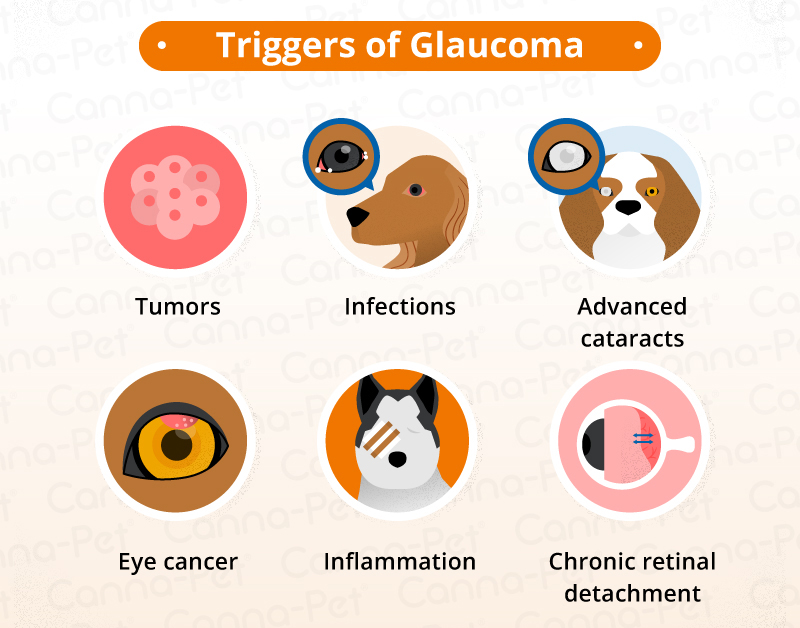
- Secondary glaucoma: Results from other eye conditions, such as injury, inflammation, or cataracts, that block fluid drainage.
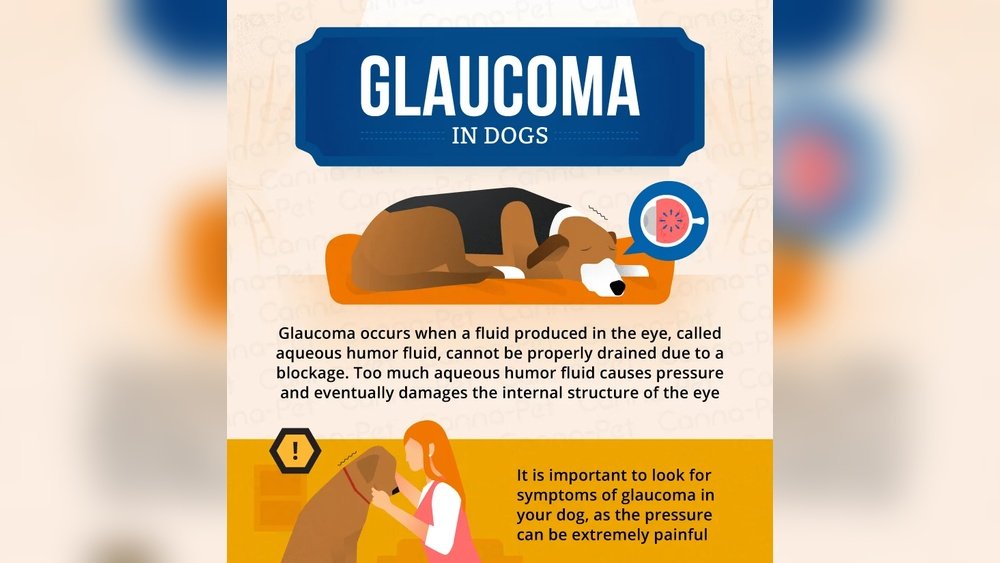
The eye produces a fluid called aqueous humor. This fluid must drain out at the same rate it is produced. When the drainage is blocked, pressure builds up. Over time, high pressure damages the retina and optic nerve, leading to blindness.
Why Early Detection Matters
Glaucoma can destroy vision within days if untreated. Unlike some diseases, the damage is irreversible. If you catch it early, your dog may keep some or all of their sight. If you miss the early signs, your dog could go blind rapidly.
Veterinarians say that about 40% of dogs with glaucoma lose sight in the affected eye within the first year—even with treatment. Early detection and immediate care give your dog the best chance.
Common Signs Of Glaucoma In Dogs
Spotting glaucoma early is not always easy. The signs can be subtle, especially at first. Here are the main symptoms to watch for:
1. Redness In The White Of The Eye
The eye may look bloodshot or pink, especially around the edges.
2. Cloudy Or Bluish Cornea
The clear front part of the eye (cornea) may look hazy, gray, or bluish.
3. Excessive Blinking Or Squinting
Your dog may blink more than usual or keep the affected eye partly closed.
4. Tearing Or Watery Discharge
Increased tearing is common, but the discharge is usually clear.
5. Enlarged Or Bulging Eye
As pressure builds, the eyeball may start to look larger or stick out more.
6. Dilated Or Non-responsive Pupil
The black part of the eye may look bigger and not shrink in bright light.
7. Vision Loss Or Bumping Into Things
Dogs may become clumsy, hesitant, or start bumping into furniture.
8. Rubbing Or Pawing At The Eye
Your dog may try to relieve pain by rubbing the eye with a paw or against furniture.
9. Change In Eye Color
The eye may appear greenish, blue, or even brown, depending on the breed and degree of cloudiness.
10. Behavior Changes
Some dogs become quieter, less playful, or even irritable due to discomfort.
Early Vs. Late Signs
In the early stages, you may only notice mild redness or tearing. As pressure increases, the signs become more obvious—cloudiness, swelling, and vision loss. Many owners do not notice until the dog is nearly blind in one eye.
Breeds At Higher Risk
Some breeds are much more likely to develop primary glaucoma. If your dog is one of these, be extra alert for early signs:
- Cocker Spaniel
- Basset Hound
- Chow Chow
- Siberian Husky
- Shih Tzu
- Samoyed
- Poodle (especially Miniature and Toy)
- Beagle
- Dachshund
- Great Dane
Mixed-breed dogs can also get glaucoma, but purebreds from high-risk breeds need closer monitoring.

Credit: www.greensboro.carolinavet.com
How Glaucoma Develops: The Science In Simple Terms
Understanding how glaucoma happens can help you see why the signs appear as they do. The eye is filled with fluid that keeps it round, nourished, and healthy. This fluid should drain out through a tiny area called the drainage angle.
When the drainage angle gets blocked, fluid stays trapped inside. Pressure rises, stretching the eye and pressing on the sensitive nerves. This causes pain, swelling, and eventually damages the retina—the part of the eye that sends images to the brain.
Some owners believe glaucoma is just “old age” or a harmless cloudiness. This is not true. The pressure can damage the eye quickly. Dogs cannot tell you they are losing vision, so owners must spot the physical signs.
How Glaucoma Is Diagnosed
Diagnosing glaucoma is not possible by just looking at the eye. Veterinarians use special tools and tests to measure eye pressure and check for other problems.
Common Diagnostic Tools
- Tonometry
Measures intraocular pressure. Non-invasive and painless.
- Ophthalmoscopy
Examines the back of the eye for damage.
- Gonioscopy
Looks at the drainage angle to see if it is narrow or blocked.
- Ultrasound
Checks for tumors or lens problems that may be causing glaucoma.
Typical Diagnosis Timeline
If you suspect glaucoma, your vet will:
- Ask about your dog’s symptoms and breed.
- Perform an eye exam, checking for redness, swelling, or cloudiness.
- Use a tonometer to measure pressure.
- Recommend further tests if needed.
If glaucoma is found, treatment must begin immediately to prevent further vision loss.
Credit: www.riverlandingsanimalclinic.com
How To Tell Glaucoma From Other Eye Problems
Many eye diseases cause redness, tearing, or squinting. How can you tell if it is glaucoma?
Here is a comparison of common symptoms:
| Symptom | Glaucoma | Conjunctivitis | Cataract | Dry Eye |
|---|---|---|---|---|
| Redness | Yes | Yes | No | Sometimes |
| Cloudy cornea | Yes | No | Sometimes (lens) | No |
| Bulging eye | Yes | No | No | No |
| Vision loss | Yes | No | Yes | Rarely |
| Tearing | Yes | Yes | No | Yes |
Insight: While many diseases cause redness or tearing, a combination of cloudiness, bulging, and vision loss points strongly to glaucoma. If the eye is enlarged, do not wait—see a vet immediately.
What Owners Often Miss
Many owners miss early glaucoma because:
- Dogs adjust quickly. They use their other senses, so vision loss is not obvious.
- Some dogs hide pain. They may show no signs until pressure is very high.
- Early redness or tearing is often blamed on allergies or dust.
- Cloudiness can look like cataracts, especially in older dogs.
Non-obvious insight: If you notice one red, swollen, or cloudy eye but the other is normal, glaucoma is more likely than simple irritation. Always compare your dog’s two eyes in good light.
What To Do If You Suspect Glaucoma
Act quickly. Glaucoma is an emergency. If you see a bulging, red, or cloudy eye, call your veterinarian the same day. Every hour matters, especially if your dog seems to be in pain or is bumping into things.
Steps To Take
- Keep your dog calm. Do not let them rub or scratch the eye.
- Do not use human eye drops. Some can make glaucoma worse.
- Call your regular vet or an emergency clinic. Describe the signs clearly.
- Transport your dog safely. A bumpy ride can increase pain.
Early treatment can save vision, but delays can mean permanent blindness—even in a few days.
Treatment Options For Glaucoma In Dogs
Treatment aims to lower eye pressure and control pain. The right plan depends on the cause, stage, and whether vision can be saved.
Medical Treatments
- Eye drops to reduce pressure (carbonic anhydrase inhibitors, beta-blockers, prostaglandin analogs)
- Oral medications to decrease fluid production
- Steroids if inflammation is part of the problem
Eye drops must be given on a strict schedule, often several times per day. Skipping doses allows pressure to rise again.
Surgical Treatments
If medical treatment does not control pressure, surgery may be needed. Common procedures include:
- Laser surgery to destroy the part of the eye that makes fluid
- Drainage implants to help fluid leave the eye
- Removal of the eye (enucleation) in severe, painful cases
Veterinarians choose surgery if the eye is blind and painful, or if vision can no longer be saved.
Costs And Prognosis
Treatment costs vary widely. Medications may cost $30–$100 per month. Surgery can cost $1,000–$3,000 or more, depending on the method and location.
Prognosis: About 60% of treated dogs lose vision in the affected eye within 2 years. However, early treatment can slow the disease and keep your dog comfortable.
Living With A Dog Who Has Glaucoma
Blindness does not have to mean a poor life. Dogs adapt much better than humans do. Here are some tips for living with a dog who has glaucoma:
- Keep furniture in the same place. Dogs memorize layouts.
- Use scent markers to help them find important spots.
- Avoid stairs or block access if your dog is at risk of falling.
- Announce yourself before touching your dog to avoid startling them.
- Monitor the other eye. Glaucoma often affects both eyes eventually.
If one eye is lost, the other is usually checked every few months for early signs. Preventive drops may be prescribed.
Preventing Glaucoma: What You Can Do
While you cannot always prevent glaucoma (especially in high-risk breeds), you can reduce risk and spot problems sooner.
Practical Tips
- Regular eye exams: Ask your vet to check eye pressure during wellness visits, especially for at-risk breeds.
- Watch for subtle changes: Even minor redness or squinting should be checked if it lasts more than a day.
- Protect your dog’s eyes: Prevent injuries and avoid rough play that could damage the eye.
- Treat other eye diseases promptly: Infections, inflammation, or cataracts can trigger secondary glaucoma.
- Know your dog’s breed risk: If you have a high-risk breed, ask your vet about screening.
Common Myths About Glaucoma In Dogs
Many owners believe things about glaucoma that are not true. Here are the facts:
- Myth: Only old dogs get glaucoma.
- Truth: Dogs can get glaucoma at any age, especially in high-risk breeds.
- Myth: Red eyes always mean allergies.
- Truth: Glaucoma, infection, or even tumors can cause redness.
- Myth: Blind dogs are unhappy.
- Truth: Most adjust well and can live full, happy lives.
- Myth: Human eye drops are safe for dogs.
- Truth: Never use human drops unless your vet says so.
Data: How Common Is Glaucoma In Dogs?
Glaucoma is less common than cataracts, but it is a leading cause of blindness in dogs. Here is a quick look at some numbers:
| Eye Disease | Estimated Prevalence (%) | Risk of Blindness |
|---|---|---|
| Glaucoma | 0.5 – 1.7% | High |
| Cataracts | 5 – 10% | Medium |
| Progressive Retinal Atrophy | 1 – 2% | High |
| Dry Eye | 2 – 4% | Low |
Insight: While glaucoma is less common than cataracts, it is much more likely to cause sudden, permanent blindness.

Credit: www.animaleyecare.com.au
Long-term Outlook And Quality Of Life
Dogs who lose one or both eyes to glaucoma can still enjoy life. Most adjust well with a little help from their owners. Vision is important, but dogs rely more on smell and hearing.
Helping Your Blind Dog
- Add textured mats to mark doorways or stairs.
- Use gentle touch or voice cues to guide your dog.
- Avoid moving furniture without warning your dog.
- Train using treats and sounds instead of visual signals.
If pain is controlled, even dogs who lose both eyes can live happy, comfortable lives.
Real-life Example: Spotting Glaucoma Early
Take the case of Bella, a 6-year-old Cocker Spaniel. Her owner noticed she was squinting and her left eye looked a bit cloudy. At first, they thought it was just dust or an allergy. But when the eye became red and Bella started bumping into things on her left side, they went to the vet.
The vet found high pressure in her left eye—she had glaucoma. Because they acted quickly, Bella was able to keep some vision with medication. Her right eye is checked every 3 months, and she gets preventive drops.
Lesson: Do not ignore subtle eye changes, especially if your dog is a high-risk breed.
How Glaucoma In Dogs Differs From Humans
While glaucoma affects both dogs and humans, the disease can progress much faster in dogs. In humans, glaucoma often develops slowly and may be managed for years before vision is lost. In dogs, pressure can rise quickly and cause blindness in days or weeks.
Another difference is that dogs do not show as much discomfort or report vision loss the way humans do. Owners must be alert for physical signs, not just changes in behavior.
When To See A Veterinary Ophthalmologist
If your regular vet suspects glaucoma, they may refer you to a veterinary ophthalmologist. These specialists have advanced tools and training to diagnose and treat complex eye diseases.
You should ask for a referral if:
- Your dog is not improving with standard treatment.
- Both eyes are affected.
- Surgery is being considered.
- You want a second opinion before removing an eye.
Specialists can offer the latest treatments and advice on long-term care.
Comparison: Primary Vs. Secondary Glaucoma
Understanding the difference between primary and secondary glaucoma helps owners know what to expect.
| Feature | Primary Glaucoma | Secondary Glaucoma |
|---|---|---|
| Cause | Inherited structural defect | Other eye disease or injury |
| Breed risk | High in some breeds | Any breed |
| Chance of both eyes affected | Very high | Depends on underlying cause |
| Prevention | Screening, early detection | Treat underlying eye problems quickly |
What Makes Glaucoma Painful For Dogs
One often-overlooked fact is that glaucoma is not just a vision problem—it is very painful. The pressure inside the eye can feel like a constant headache. Dogs show pain in subtle ways:
- Hiding or becoming less active
- Growling or snapping when touched near the head
- Loss of appetite
- Sleeping more
Non-obvious tip: If your dog suddenly avoids bright light or seems afraid of being touched on the head, check their eyes closely.
The Role Of Genetics In Canine Glaucoma
Genetics play a major role in primary glaucoma. If your dog’s parents had glaucoma, their risk is much higher. Some breeders test for eye problems, but not all do.
DNA tests for certain breeds can identify carriers, but not all genetic causes are known yet. If you are considering getting a high-risk breed, ask the breeder for proof of eye testing.
When Eye Removal Is The Kindest Choice
Sometimes, treatment cannot save the eye. If your dog’s eye is blind and painful, removal is often the best way to restore comfort. While this sounds drastic, most dogs recover quickly and live happy lives with one or no eyes.
Key insight: Dogs care more about comfort than appearance. Eye removal can end pain and prevent further health problems.
For more information on canine glaucoma, you can visit the American Kennel Club.
Frequently Asked Questions
How Fast Can Glaucoma Cause Blindness In Dogs?
Glaucoma can lead to permanent blindness in a matter of days if the pressure rises suddenly. Some forms progress more slowly, but any delay in treatment increases the risk of losing vision.
Can Glaucoma In Dogs Be Cured?
There is no cure for glaucoma, but the disease can be managed with medication or surgery. The goal is to preserve vision as long as possible and control pain. Once vision is lost, it cannot be restored.
Are Certain Breeds More Likely To Get Glaucoma?
Yes, breeds like Cocker Spaniels, Basset Hounds, and Chow Chows are at higher risk for inherited glaucoma. Mixed-breed dogs can also develop glaucoma, especially from eye injuries or other diseases.
What Should I Do If My Dog Is Diagnosed With Glaucoma?
Follow your veterinarian’s instructions closely. Give medications on time and monitor both eyes for any changes. Ask about referral to a veterinary ophthalmologist for advanced care.
Will My Dog Have A Good Quality Of Life If They Go Blind?
Most dogs adapt well to blindness, especially if the painful eye is treated or removed. They use other senses to navigate and can live full, happy lives with extra support from their owners.
Glaucoma is a serious but manageable condition. By knowing the signs and acting quickly, you can protect your dog’s vision and comfort. Stay alert, work closely with your veterinarian, and remember—dogs can still have a wonderful life, even if they lose their sight.

We’re the dedicated team behind MyPawSafe.com, with over a decade of combined experience in veterinary care, pet emergency response, and animal behavior. While we prefer to let our work speak for itself, our mission is clear: to provide science-backed, vet-approved advice that helps pet owners prevent accidents and save lives.