Seasonal Allergy Symptoms In Dogs
Every spring, many dog owners notice their pets scratching, licking, or sneezing more than usual. These changes are often not random—they’re signs of seasonal allergies. Just like humans, dogs can react to changes in their environment, especially when pollen, mold, and grasses are at their peak. But unlike humans, dogs rarely get runny noses or watery eyes as their first sign. Instead, their bodies show allergies in other, sometimes surprising ways.
Understanding seasonal allergy symptoms in dogs is the first step to giving your four-legged friend a happier, more comfortable life during allergy season. This guide will help you spot the signs, know what causes them, and learn how to help your dog feel better.
Many owners miss the early symptoms or confuse them with other problems, so learning what to watch for can make a big difference.
What Are Seasonal Allergies In Dogs?
Seasonal allergies in dogs, also called atopic dermatitis or atopy, happen when a dog’s immune system overreacts to natural things in the environment. These triggers change with the seasons—pollen in spring, grass in summer, mold in fall. Unlike food allergies, which can happen year-round, seasonal allergies usually come and go depending on the time of year.
When a dog with seasonal allergies meets a trigger, their immune system treats it like a threat. This leads to inflammation, itchiness, and a range of symptoms. While some breeds are more likely to have allergies, any dog can be affected.
Common Seasonal Allergy Triggers
Dogs can be sensitive to many things in their environment. The most common triggers include:
- Tree pollen: Common in spring; oaks, maples, and birch trees are big offenders.
- Grass pollen: Peaks in late spring and summer.
- Weed pollen: Ragweed, sagebrush, and plantain often cause fall allergies.
- Mold spores: Thrive in damp, decaying leaves or grass.
- Dust mites: More common indoors but can become worse with humidity changes.
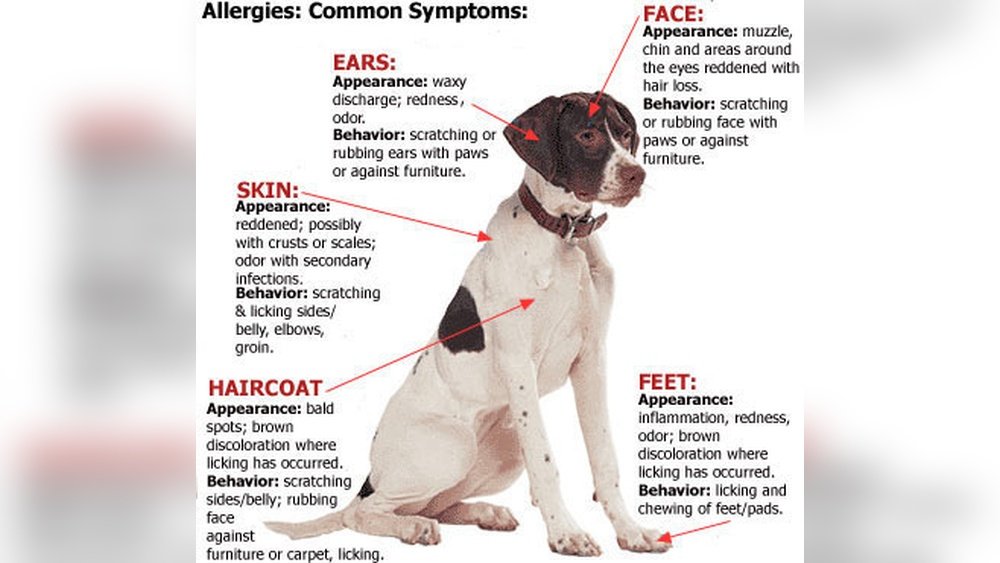
Unlike humans, dogs usually show skin problems first, not sneezing or nasal congestion.
How Dogs Show Seasonal Allergy Symptoms
Dogs have their own ways of showing discomfort from allergies. These may be subtle at first, but can get worse if not treated. The most common symptoms are:
- Itchy skin: Dogs may scratch, lick, or chew at their paws, belly, groin, or armpits.
- Red or irritated skin: You may see redness, rashes, or bumps, especially on thin-furred areas.
- Frequent ear infections: Head shaking, ear scratching, or a strong odor from the ears.
- Licking or chewing feet: Often a sign of contact with grass or pollen.
- Hair loss: Patches of missing fur from constant scratching.
- Hot spots: Wet, open sores that can get infected.
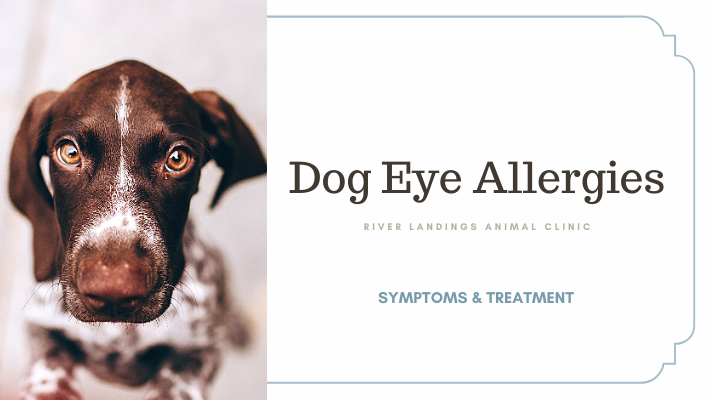
- Watery eyes or sneezing: Less common, but some dogs do show these “human-like” symptoms.
- Face rubbing: Dragging their face on furniture or the ground to relieve itchiness.
- Scabs or crusts: From scratching or secondary infections.
Example Scenario
A Labrador named Max starts licking his paws every evening in April. His owner notices red patches on his belly and frequent scratching. After a walk in the park, Max’s symptoms worsen. This pattern—worse during walks and in spring—points to seasonal allergies rather than fleas or food allergies.
How Seasonal Allergies Differ From Other Allergies
Not all allergies are the same. Understanding the difference helps you and your vet find the real problem.
| Type of Allergy | Common Triggers | Timing | Main Symptoms |
|---|---|---|---|
| Seasonal (Environmental) | Pollen, mold, grass | Specific seasons | Itchy skin, licking, red patches |
| Food Allergy | Beef, chicken, dairy, grains | Year-round | Digestive issues, itchy skin |
| Flea Allergy | Flea saliva | Anytime fleas are present | Intense itching, mostly back and tail |
| Contact Allergy | Shampoos, chemicals, plants | After contact | Localized rash, redness |
Many owners assume any itch is from fleas or food. But if symptoms come and go with the seasons, pollen and mold are more likely.
Credit: www.riverlandingsanimalclinic.com
Breeds Most At Risk
Some dogs have a higher risk of seasonal allergies because of their genetics. Breeds known for being sensitive include:
- West Highland White Terriers
- Boxers
- Golden Retrievers
- Labrador Retrievers
- Bulldogs
- Dalmatians
- Shih Tzus
However, any dog can develop allergies—even mixed breeds. Purebreds are more likely because of their smaller gene pool.
Early Vs. Advanced Symptoms
Recognizing allergy symptoms early can prevent serious skin problems and infections. Here’s a quick look at how symptoms can progress:
| Stage | Common Symptoms | What Happens |
|---|---|---|
| Early | Licking paws, mild scratching, redness | Discomfort, but skin is usually intact |
| Moderate | Frequent scratching, hair loss, hot spots | Skin barrier breaks down, risk of infection increases |
| Advanced | Open sores, scabs, strong odor | Secondary infections, possible pain |
Many owners only notice when the dog is already in the moderate or advanced stage, missing the chance for easier management.
Less Obvious Signs Of Allergies
Most people look for scratching and redness, but some symptoms are easy to miss:
- Chronic ear problems: Repeated ear infections can be allergy-related, not just due to moisture or wax.
- Behavior changes: Dogs may become restless, irritable, or less interested in play because they feel uncomfortable.
- Scooting: Not just a sign of anal gland issues—some dogs scoot due to allergic skin around the rear.
- Staining on fur: Saliva from constant licking can turn white fur brown or red, especially on paws.
Many beginners miss these subtle clues, focusing only on the obvious scratching.
Why Do Dogs Get Seasonal Allergies?
A dog’s immune system usually protects them from disease. But with allergies, the immune system sees harmless things like pollen as threats. Over time, the skin barrier may weaken, letting allergens in more easily. Genetics, environment, and early life exposures all play a role.
Some dogs develop allergies as puppies, while others don’t show symptoms until adulthood. Once a dog is allergic, they often stay allergic for life, though symptoms can be managed.
Diagnosing Seasonal Allergies
Vets use a mix of clues, tests, and your dog’s history to diagnose seasonal allergies. There’s no single “allergy test” that works for every dog, so diagnosis includes:
- History review: When did symptoms start? Are they worse in certain months?
- Physical exam: Checking for patterns, like redness on paws or belly.
- Ruling out other causes: Fleas, mites, infections, and food allergies must be excluded.
- Allergy testing: Blood tests or intradermal (skin) tests may help find triggers, but are not always 100% accurate.
Key Insight
Many owners expect a quick test to confirm allergies, but the process often takes time. Keeping a diary of symptoms and what your dog does each day helps your vet spot patterns.
How Vets Test For Allergies
There are two main types of allergy tests used in dogs:
- Serum allergy testing: A blood sample is tested for antibodies to different environmental triggers. Results can be useful, but sometimes give false positives.
- Intradermal skin testing: Small amounts of allergens are injected into the skin under light sedation. The skin’s reaction is measured.
Neither test is perfect. Some dogs with positive results may not react in real life, and vice versa. These tests are more helpful for making allergy shots (immunotherapy) than for everyday management.

Credit: yellowdogblog.com
How To Tell If Your Dog Has Seasonal Allergies
Owners can spot clues at home by watching for:
- When symptoms start and stop (spring, summer, or fall?)
- If the dog gets worse after outdoor walks or yard time
- If indoor-only dogs have fewer symptoms
- If common flea or food allergy treatments do not work
Taking photos of problem areas and noting the time of year helps both you and your vet.
Treatment Options For Seasonal Allergy Symptoms
Managing dog allergies is a team effort between owner and vet. There’s no “cure,” but symptoms can be controlled. Treatments include:
1. Reducing Allergen Exposure
- Wipe your dog’s paws and belly after outdoor walks to remove pollen.
- Bathe weekly with gentle, allergy-friendly shampoos.
- Use air purifiers and keep windows closed during high pollen times.
- Wash bedding and toys often.
2. Medications
Vets may recommend one or more of these:
- Antihistamines: Sometimes help, but not all dogs respond.
- Steroids (corticosteroids): Fast relief for severe symptoms, but not for long-term use due to side effects.
- Cyclosporine: Reduces immune response; used in chronic cases.
- Oclacitinib (Apoquel): Blocks itch signals, often effective.
- Lokivetmab (Cytopoint): An injection that targets itch-causing proteins; lasts 4–8 weeks.
3. Topical Treatments
- Medicated sprays or creams soothe irritated skin.
- Ear drops for allergy-related ear infections.
4. Immunotherapy (allergy Shots)
If your dog’s triggers are identified, allergy shots can “train” their immune system to ignore those allergens. This is the only treatment that can change the allergy itself, but it takes months to see results.
5. Supplements And Diet Changes
- Omega-3 fatty acids can reduce inflammation and help skin health.
- Some dogs benefit from special diets that support skin barriers.
Practical Example
A bulldog named Daisy gets weekly baths, has her paws wiped after every walk, and receives Cytopoint injections during spring and fall. Her symptoms are now mild, and she has not developed skin infections in over a year.
Home Care Tips For Dogs With Seasonal Allergies
Making changes at home can reduce your dog’s discomfort. Owners often miss these easy steps:
- Vacuum often with a HEPA filter to remove pollen and dust.
- Keep lawns mowed and avoid walking during high pollen counts.
- Try foot soaks with cool water after walks to remove allergens.
- Don’t let dogs roll in grass if they’re allergic.
- Use hypoallergenic bedding and wash it weekly.
Even small changes can make a big difference, especially if started early in allergy season.
When To See A Veterinarian
Some symptoms need professional help:
- Open sores, scabs, or hot spots that don’t heal
- Signs of ear infections (head shaking, bad smell)
- Severe itching that interrupts sleep
- Hair loss or changes in skin color
- Sudden behavior changes
Waiting too long can lead to infections that need antibiotics or other medicines.
How Allergies Affect A Dog’s Quality Of Life
Allergies can make dogs miserable. Chronic discomfort may cause:
- Less playfulness and energy
- Poor sleep from constant itching
- More grooming, less social time
- Increased risk of skin and ear infections
Over time, untreated allergies can lead to thickened skin, dark spots, or even behavioral problems. Early treatment helps prevent these long-term effects.
How Vets Decide On A Treatment Plan
Every dog is different, so vets look at:
- Age and overall health
- Severity and frequency of symptoms
- Response to past treatments
- Owner’s ability to manage home care
Some dogs need only seasonal medications, while others require year-round treatment.
Common Mistakes Owners Make
Many owners mean well but make mistakes that can worsen allergies:
- Stopping treatment too soon: Allergies don’t “go away”—they need ongoing management.
- Using human medications: Never give your dog allergy meds without a vet’s OK. Many are unsafe.
- Not treating secondary infections: Scratching often causes bacterial or yeast infections that need separate treatment.
- Assuming all itches are allergies: Parasites, skin diseases, and other issues can look similar.
- Bathing too often or with harsh shampoos: This can dry out the skin and make itching worse.
What Really Helps: Evidence And Data
Studies show that up to 10–15% of dogs in North America have some form of environmental allergies. Among these, over half start showing symptoms before age three. Dogs with allergies are 50% more likely to get recurring ear infections than those without.
One study found that owners who combine environmental management (like cleaning and bathing) with the right medication see the best results. Dogs who only get pills, but no changes at home, often keep having problems.
Cost Of Managing Seasonal Allergies
Treating allergies can be a long-term commitment. Here’s a rough breakdown of common costs:
| Item | Estimated Cost (per year) | Notes |
|---|---|---|
| Vet visits | $100–$400 | Depends on location and frequency |
| Medications (Apoquel, Cytopoint, etc.) | $300–$2000 | Varies by dog size and drug type |
| Special shampoos | $50–$150 | For regular bathing |
| Allergy testing | $200–$800 | One-time or as needed |
| Immunotherapy (allergy shots) | $300–$700 | Ongoing if chosen |
Not every dog needs all treatments. Discuss options with your vet to find what fits your budget and your dog’s needs.
How To Monitor Your Dog During Allergy Season
Tracking symptoms helps you and your vet see what works. Try:
- Keeping a symptom diary (dates, weather, changes in routine)
- Taking photos of problem areas
- Noting response to treatments
- Watching for patterns (worse after certain parks, or on windy days)
Some owners use smartphone apps or calendars to track flare-ups.
Prevention Tips For Next Allergy Season
While you can’t stop allergies entirely, you can prepare for next year:
- Start allergy medications before peak season begins.
- Schedule a vet check in late winter to plan ahead.
- Begin bathing and paw cleaning routines early.
- Limit outdoor time during high pollen days (check local pollen reports).
- Use clothing (like T-shirts or paw covers) to reduce skin contact with grass.
Dogs with well-managed allergies usually have milder symptoms each year.
Non-obvious Insights Most Owners Miss
- Indoor allergens matter too: Many dogs react to dust mites and indoor molds, especially if windows are closed during pollen season.
- Early management means less medicine: Dogs who start home care early often need fewer drugs and have fewer side effects.
- Allergy testing is not always needed: Many dogs do well with “symptom management” alone and don’t need expensive testing unless considering immunotherapy.
- Not all supplements are helpful: Some omega-3 products are low quality or not well absorbed. Choose vet-recommended brands.
- Allergies change with age: Dogs may develop new allergies or see old ones fade as they get older.
Real-life Case Study
Bella, a five-year-old Golden Retriever, began showing itchy skin and ear infections every May. Her owner started a diary and noticed the pattern matched local grass pollen spikes. Working with their vet, they used weekly medicated baths, wiped Bella’s paws after walks, and started Cytopoint injections during peak months.
After one year of this plan, Bella’s symptoms were much milder, and she had only one mild ear infection instead of four.
When Allergies Become An Emergency
Most allergies are not life-threatening, but severe reactions can be dangerous. Seek urgent vet care if your dog:
- Swells around the face or throat
- Has trouble breathing
- Develops hives all over the body
- Collapses or acts weak
These are signs of anaphylaxis, which is rare with seasonal allergies but can happen with insect stings or vaccines.
The Role Of Diet In Allergy Management
While food is not the main trigger for seasonal allergies, a healthy diet can help the skin stay strong. Dogs with healthy skin are less likely to develop infections from scratching. Some owners try grain-free or “limited ingredient” diets, but these help only if your dog has a food allergy too.
Always talk to your vet before making big changes.
Latest Advances In Allergy Treatments
Research continues to bring new treatments. Recent progress includes:
- Monoclonal antibody injections (like Cytopoint) that target itch at the molecular level.
- Probiotics that may boost skin health and help the immune system.
- New topical sprays that repair the skin barrier directly.
For the latest in allergy research, you can read more at the VCA Animal Hospitals website.
Tips For Living With An Allergic Dog
- Be patient—managing allergies is a long-term process.
- Work closely with your vet and communicate changes.
- Try to keep a routine to spot flare-ups quickly.
- Don’t blame yourself—many dogs develop allergies even with perfect care.
- Celebrate small wins, like fewer bad days each season.
Dogs with allergies can still live happy, active lives. Early attention and consistent management make all the difference.
Frequently Asked Questions
What Time Of Year Are Dog Allergies Worst?
Allergies are usually worst in spring and fall, when pollen and mold counts are high. However, the exact timing depends on your location and what your dog is allergic to. Some dogs have symptoms only a few weeks a year, while others struggle for several months.
Can Indoor Dogs Get Seasonal Allergies?
Yes, even dogs who spend most of their time indoors can develop seasonal allergies. Pollen and mold can come inside on shoes, clothes, or through open windows. Dust mites and indoor molds also cause year-round symptoms for some dogs.
Are There Natural Remedies For Dog Allergies?
Some natural options, like omega-3 supplements and regular bathing, can help. However, not all “natural” products are safe or effective. Always talk to your vet before trying new supplements, herbs, or homemade remedies.
How Do I Know If My Dog’s Itching Is From Allergies Or Something Else?
It’s not always easy to tell without a vet’s help. Look for patterns—itching that comes and goes with the seasons, affects the paws or belly, and is not helped by flea treatment often suggests allergies. If you’re unsure, a vet exam is best.
Will My Dog Outgrow Seasonal Allergies?
Most dogs do not outgrow allergies, but symptoms can change with age. Some dogs get milder over time, while others get worse. Good management can make symptoms nearly disappear, even if the allergy itself remains.
Learning to spot seasonal allergy symptoms in dogs is one of the most important things you can do as a pet owner. With early care, smart home changes, and the right treatments, your dog can thrive—even during allergy season. Every step you take helps your best friend live a more comfortable, joyful life.

Credit: www.infinibandta.org

We’re the dedicated team behind MyPawSafe.com, with over a decade of combined experience in veterinary care, pet emergency response, and animal behavior. While we prefer to let our work speak for itself, our mission is clear: to provide science-backed, vet-approved advice that helps pet owners prevent accidents and save lives.