The Norwegian Elkhound is a breed that mixes history, loyalty, and adventure. If you are considering this dog for your home, you are about to meet a companion with a unique personality and impressive stamina. In this complete guide, you will learn about their temperament, size, and how to care for them properly.
Whether you are new to dogs or just want to know more about Norwegian Elkhounds, this article will help you understand what makes them special and how to keep them happy and healthy.
The Origins And History Of The Norwegian Elkhound
The Norwegian Elkhound is one of the oldest dog breeds in Europe. Their roots go back thousands of years, with evidence of similar dogs found in ancient Viking burial sites. These dogs were bred in Norway to help hunters track and hold big game, especially elk and moose. They were prized for their courage, intelligence, and ability to work in cold, harsh environments.
Over centuries, Norwegian Elkhounds became part of the Norwegian culture, appearing in legends and folktales. Their role as hunting dogs shaped their strong physical build and lively temperament. Today, they are known not only as hunting partners but also as loving family pets.
Temperament: What To Expect From A Norwegian Elkhound
If you want a dog with a lively spirit, the Norwegian Elkhound is a top choice. Their temperament is shaped by their history as hunting dogs, but they are also great with families.
Loyal And Protective
Norwegian Elkhounds are deeply loyal to their owners. They form strong bonds and are known for their protective nature. This means they can be excellent watchdogs, alerting you to strangers or unusual noises. While they are not aggressive, their alertness makes them reliable guardians.
Friendly But Independent
These dogs are friendly with people and other pets, especially when socialized early. However, they also have an independent streak. Sometimes, they may seem stubborn or want to do things their own way. Training should be consistent and patient, using positive reinforcement.
High Energy And Playful
Norwegian Elkhounds are very energetic. They love to play, run, and explore. Daily exercise is a must. If you lead an active lifestyle, this breed will fit well. They enjoy games like fetch, hiking, and even agility sports.
Intelligent And Curious
Their intelligence is a double-edged sword. Norwegian Elkhounds learn quickly, but they can get bored if not mentally challenged. Puzzle toys, training sessions, and new activities help keep their minds sharp.
Common Temperament Mistakes
Many beginners miss two key points:
- Norwegian Elkhounds need early socialization to avoid becoming too protective or shy.
- Their independence can lead to selective listening. Owners must set clear boundaries and stay consistent.

Credit: askavet.com
Physical Characteristics: Size, Appearance, And Lifespan
Understanding the physical traits of the Norwegian Elkhound helps you know what to expect and how to care for them.
Size And Weight
Norwegian Elkhounds are medium-sized dogs. Here is a quick comparison:
| Characteristic | Males | Females |
|---|---|---|
| Height | 19.5–20.5 inches | 18.5–19.5 inches |
| Weight | 50–60 pounds | 45–55 pounds |
Appearance
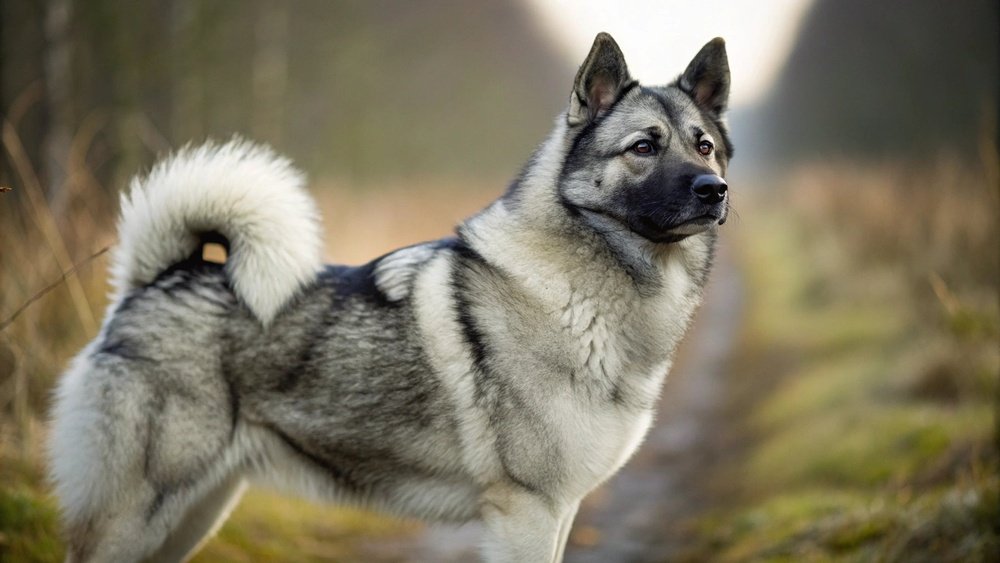
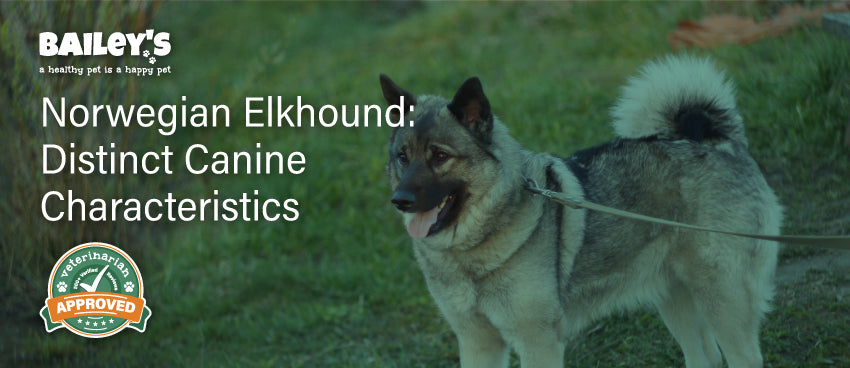
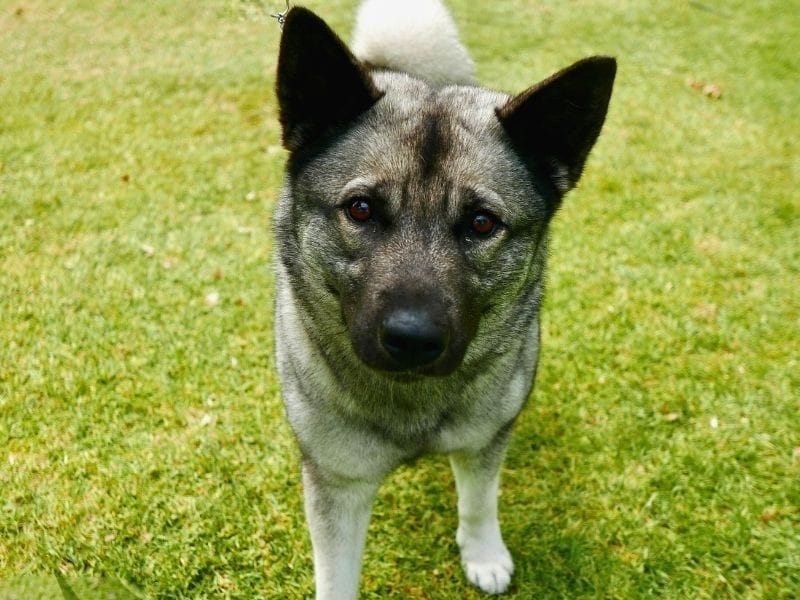
Norwegian Elkhounds have a wolf-like look. Their coat is thick, gray, and double-layered to protect against cold weather. Their ears are pointed and stand upright, and their tail curls tightly over their back. Their eyes are dark, giving them an alert and intelligent expression.
Lifespan
The average lifespan is 12–15 years, which is quite long for a medium-sized dog. Proper care, diet, and regular vet visits can help them reach their full lifespan.
Common Physical Traits
- Dense coat: Needs regular grooming.
- Strong build: Designed for endurance.
- Curled tail: A unique feature among spitz breeds.
- Erect ears: Always alert and listening.
Norwegian Elkhound Care: Daily Needs And Best Practices
Caring for a Norwegian Elkhound means meeting their physical, mental, and emotional needs. Here’s what you need to know.
Exercise Requirements
Norwegian Elkhounds need plenty of exercise. A simple walk is not enough. They require at least 60–90 minutes of activity each day.
Some good activities include:
- Hiking or long walks
- Playing fetch or tug-of-war
- Running in a safe, fenced area
- Agility or obedience training
Missing exercise can lead to boredom and unwanted behaviors like chewing or barking.
Diet And Nutrition
Feeding your Norwegian Elkhound properly is key to their health. Here’s a comparison of typical feeding needs:
| Age | Daily Food Amount | Notes |
|---|---|---|
| Puppy | 2–3 cups | Spread over 3–4 meals |
| Adult | 2–2.5 cups | Split into 2 meals |
| Senior | 1.5–2 cups | Adjust for activity |
Choose high-quality dog food rich in protein and moderate fat. Elkhounds can gain weight easily, so monitor their food and use treats sparingly.
Grooming
Their double coat sheds heavily, especially during spring and fall. Brush them at least twice a week, and daily during shedding seasons. Bathing should be limited to every few months unless they get very dirty.
- Use a slicker brush or undercoat rake
- Check ears and clean them weekly
- Trim nails every 2–4 weeks
- Brush teeth at least twice a week
Health Care
Norwegian Elkhounds are generally healthy, but they can face some issues:
- Hip dysplasia: Common in medium and large breeds. Regular vet checks and a healthy weight help.
- Hypothyroidism: May cause weight gain and lethargy. Watch for signs and get yearly blood tests.
- Progressive retinal atrophy (PRA): An eye condition leading to blindness. Regular eye exams are important.
Vaccinations, flea/tick prevention, and yearly vet visits are necessary for all dogs.
Living Environment
Norwegian Elkhounds adapt to both houses and apartments if they get enough exercise. However, they do best in homes with access to a yard. They are not good for hot climates due to their thick coat.
Keep their living area clean, provide a comfortable bed, and make sure they always have fresh water.
Training And Socialization
Training a Norwegian Elkhound requires patience and consistency. They respond well to positive reinforcement, like treats and praise.
- Start socialization early (before 16 weeks)
- Use short, fun sessions to prevent boredom
- Teach basic commands: Sit, stay, come, heel
- Introduce them to different people, pets, and places
Avoid harsh punishment, as it can damage trust and make them stubborn.
Common Care Mistakes
Two mistakes beginners often make:
- Underestimating grooming needs. Their coat requires more attention than most medium breeds.
- Skipping mental stimulation. Elkhounds need puzzles and training, not just physical activity.
Norwegian Elkhound Vs. Other Similar Breeds
How does the Norwegian Elkhound compare to other popular Nordic breeds? Let’s look at a quick comparison.
| Breed | Size | Coat | Temperament | Exercise Needs |
|---|---|---|---|---|
| Norwegian Elkhound | Medium | Double, gray | Loyal, energetic | High |
| Siberian Husky | Medium | Double, various colors | Friendly, playful | High |
| Swedish Vallhund | Small | Short, dense | Alert, active | Moderate |
| Finnish Spitz | Medium | Double, red-gold | Lively, vocal | Moderate |
This shows that the Norwegian Elkhound is closest to the Siberian Husky in energy and coat care, but has a more protective and loyal personality.
Activities And Lifestyle: Keeping Your Elkhound Happy
Norwegian Elkhounds thrive when they are active and engaged. Here are some ways to keep them happy:
Outdoor Adventures
Elkhounds love the outdoors. They enjoy hiking, camping, and exploring new places. Their stamina means they can keep up with long walks or runs.
Dog Sports
Try agility, rally obedience, or scent work. These activities use their intelligence and natural hunting instincts.
Playtime
Interactive toys, puzzle feeders, and games like hide-and-seek keep their minds busy. Rotate toys to prevent boredom.
Family Time
They are good with children and enjoy being part of family activities. Supervise play with younger kids, as Elkhounds can be boisterous.
Alone Time
Elkhounds can handle being alone for short periods, but long hours alone may lead to separation anxiety. If you work long hours, consider dog daycare or a pet sitter.
Credit: baileyscbd.com
Norwegian Elkhound Puppies: Raising And Training
If you plan to get a Norwegian Elkhound puppy, preparation is key.
Choosing A Breeder
Work with a reputable breeder who tests for genetic diseases. Ask about the health of the puppy’s parents, and visit the breeder if possible.
Puppy Proofing
Prepare your home:
- Remove dangerous items
- Use safe chew toys
- Set up a puppy area with bedding and water
Early Training
Puppies should start training as soon as they arrive home:
- Teach basic commands
- Begin house training with regular potty breaks
- Socialize with people, pets, and places
Health Checks
Schedule a vet visit within the first week. Start vaccinations, flea/tick prevention, and discuss diet.
Growth Stages
Norwegian Elkhound puppies grow quickly in the first 6–8 months. Monitor their weight and adjust food as needed. Avoid over-exercising young puppies to protect their joints.
Senior Elkhounds: Special Care For Older Dogs
As your Norwegian Elkhound ages, their care needs change.
Diet Adjustments
Switch to senior dog food with fewer calories and easy-to-digest ingredients. Watch for weight gain or loss.
Exercise Changes
Older Elkhounds may slow down but still need daily walks. Shorter, gentle walks keep their joints healthy.
Health Monitoring
Look for signs of arthritis, vision problems, or thyroid issues. Regular vet visits are more important as they age.
Comfort
Provide a soft bed, keep their living area warm, and make sure they can get outside easily.
Is The Norwegian Elkhound Right For You?
Before choosing a Norwegian Elkhound, think carefully about your lifestyle and needs.
Who Should Consider This Breed?
- Active people or families
- Owners with time for training and grooming
- Those living in cool climates
- People looking for a loyal, protective companion
Who Should Avoid This Breed?
- People with little time for exercise or grooming
- Families in hot climates
- Those wanting a low-maintenance dog
Non-obvious Insights For Beginners
- Norwegian Elkhounds are vocal. They bark to communicate or alert, so training them to limit barking is important.
- They need mental stimulation as much as physical activity. Boredom can lead to destructive behavior.
Norwegian Elkhound Health: Common Issues And Prevention
Norwegian Elkhounds are robust, but they are prone to several health issues. Early detection and prevention are key.
Hip Dysplasia
This joint issue affects mobility. Keep your dog’s weight healthy and avoid over-exercising puppies.
Eye Problems
Progressive retinal atrophy (PRA) is common. Regular eye checks help spot early signs.
Skin Issues
Their thick coat can hide skin problems. Inspect for rashes or hot spots during grooming.
Obesity
Elkhounds love food but can gain weight fast. Use portion control and measure treats.
Thyroid Disorders
Hypothyroidism is seen in the breed. Symptoms include hair loss, weight gain, and lethargy.
Preventive Tips
- Schedule yearly vet exams
- Keep vaccinations up-to-date
- Use flea/tick prevention
- Brush teeth regularly
Credit: www.borrowmydoggy.com
Grooming Tools And Techniques
Choosing the right tools makes grooming easier.
Essential Tools
- Slicker brush for removing loose hair
- Undercoat rake for deep brushing
- Nail clippers or grinder
- Ear cleaning solution
- Dog-safe toothpaste
Grooming Routine
- Brush twice a week, daily during shedding
- Trim nails every 2–4 weeks
- Clean ears weekly
- Bathe every 2–3 months
Norwegian Elkhound In The Modern World
Norwegian Elkhounds are now seen in more than just hunting or rural homes. They participate in dog shows, obedience competitions, and even therapy work.
Therapy And Service
Some Elkhounds help in therapy settings due to their calm and steady nature.
Dog Shows
Their striking appearance and confident gait make them favorites in dog shows.
Online Communities
Owners share tips, stories, and photos in forums and social media groups. Connecting with other Elkhound owners can help you solve problems and learn new care tips.
If you want more details about their history and breed standards, you can visit the Norwegian Elkhound Wikipedia page.
Frequently Asked Questions
What Is The Best Diet For A Norwegian Elkhound?
A balanced diet with high-quality protein, moderate fat, and limited fillers is best. Choose foods with real meat as the first ingredient. Avoid overfeeding, as Elkhounds can gain weight quickly. Adjust portions based on activity and age.
How Much Exercise Does A Norwegian Elkhound Need?
They need at least 60–90 minutes of daily exercise. Activities like hiking, running, and playing fetch are ideal. Without enough activity, they may become bored and develop behavioral problems.
Do Norwegian Elkhounds Get Along With Children And Other Pets?
Yes, they are friendly and playful with children and other pets when socialized early. Always supervise play with young kids, as Elkhounds can be energetic and may accidentally knock them over.
How Often Should I Groom My Norwegian Elkhound?
Brush their coat at least twice a week, and daily during shedding seasons. Trim nails every 2–4 weeks, clean ears weekly, and bathe every 2–3 months. Regular grooming keeps their coat healthy and reduces shedding.
Are Norwegian Elkhounds Easy To Train?
They are intelligent but independent. Training requires patience, consistency, and positive reinforcement. Short, fun sessions work best. Early socialization helps them become well-behaved adults.
The Norwegian Elkhound is a remarkable breed, blending ancient history with modern family life. With their loyal temperament, medium size, and active needs, they suit owners who love adventure and want a close companion. If you are ready for the commitment, the Norwegian Elkhound will reward you with years of friendship, protection, and fun.
We’re the dedicated team behind MyPawSafe.com, with over a decade of combined experience in veterinary care, pet emergency response, and animal behavior. While we prefer to let our work speak for itself, our mission is clear: to provide science-backed, vet-approved advice that helps pet owners prevent accidents and save lives.