
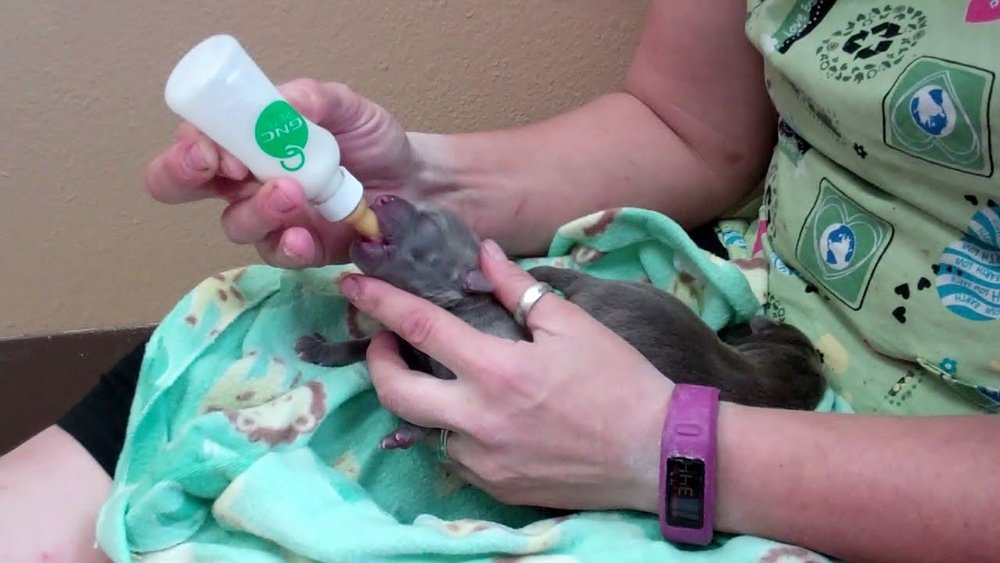
Bringing newborn puppies into the world is both exciting and challenging. Whether you’re a first-time dog breeder, a pet owner faced with an unexpected litter, or someone caring for orphaned pups, the first weeks are critical. These tiny lives rely completely on you for warmth, food, hygiene, and safety.
Mistakes during this stage can have serious consequences, but with the right knowledge, you can help puppies grow strong and healthy.
Caring for newborn puppies is not just about cuddling and feeding. It’s about understanding their unique needs, setting up the right environment, and being ready to act if something goes wrong. Many well-meaning owners make simple mistakes—like feeding the wrong type of milk or missing early signs of hypothermia—that can risk puppies’ lives.
This guide will show you, in clear steps, how to raise healthy puppies from birth to weaning, and what to watch for along the way.
Preparing For Puppy Arrival
Before puppies are born, preparation is key. A safe, comfortable environment can make a huge difference in the survival and well-being of both the mother and her litter.
Setting Up The Whelping Area
Choose a quiet, draft-free room where you can closely monitor the mother and puppies. The whelping box should be big enough for the mother to stretch out but have sides high enough to keep puppies in. Use washable materials like towels or fleece for bedding—they should be soft and easy to change.
Keep the room temperature steady, ideally between 75–80°F (24–27°C) for the first week. Puppies cannot regulate their body temperature and can easily become chilled.
Essential Supplies Checklist
- Whelping box (with low entrance for mother)
- Heating pad or heat lamp (always cover to avoid burns)
- Clean towels and blankets
- Thermometer (room and rectal for puppies if needed)
- Scale (for daily puppy weight checks)
- Puppy-safe disinfectant
- Hand sanitizer (for everyone handling puppies)
- Sterile gloves
- Puppy milk replacer (not cow’s milk)
- Small feeding bottles or syringes
Last-minute Tips
- Wash hands before touching puppies to prevent infection.
- Keep the mother’s area calm and limit visitors.
- Prepare your vet’s number for emergencies.
The First Hours: Immediate Care After Birth
The first hours are a critical window. Puppies need to breathe, stay warm, and get their first milk.
Clearing Airways And Breathing
Most mother dogs will lick puppies clean and bite the umbilical cord. If not, gently clear the puppy’s nose and mouth with a soft cloth. Rub the puppy with a towel to stimulate breathing.
Umbilical Cord And Placenta
The umbilical cord usually dries and falls off within a day or two. If it bleeds or looks infected, call your vet. Do not pull on it.
Warmth Is Life
Hypothermia is a leading cause of death in newborn puppies. Keep them close to the mother and use a covered heating pad or lamp for extra warmth. Never put heat directly under or on the puppies; indirect warmth is safest.
First Feeding: Colostrum
The first milk, called colostrum, is packed with antibodies. Puppies should nurse within the first two hours. If the mother can’t nurse, use a puppy milk replacer. Cow’s milk is not suitable and can cause diarrhea and malnutrition.
:strip_icc()/puppy-development-part-1-2804676_FINAL-64c6effc21cc49749967de15aa6b625b.png)
Credit: www.sepr.es
Creating The Ideal Environment
Puppies are sensitive to their surroundings. The right environment reduces stress, prevents illness, and supports healthy growth.
Temperature And Humidity
Puppies cannot shiver or sweat to control their temperature. For the first week, keep the area at 75–80°F (24–27°C). Lower the temperature by about 2°F each week until it matches room temperature (around 70°F/21°C) by week four. Humidity should stay around 55–65% to prevent dehydration.
Comparison: Ideal Puppy Environment Vs. Adult Dog Environment
| Factor | Newborn Puppies | Adult Dogs |
|---|---|---|
| Temperature | 75–80°F (24–27°C) | 65–75°F (18–24°C) |
| Humidity | 55–65% | 40–60% |
| Bedding | Soft, changed daily | Varies, less frequent change |
Hygiene And Cleanliness
Change bedding at least once a day, or more often if soiled. Keep the whelping box dry to avoid skin infections. Wash hands before each handling session.
A common mistake is using strong disinfectants. Puppies’ skin and lungs are sensitive. Use only puppy-safe cleaners and rinse well.
Feeding Newborn Puppies
Proper feeding is the foundation of healthy puppies. Mistakes here can lead to slow growth, diarrhea, or even death.
Nursing From The Mother
Mother’s milk is best. Puppies should nurse every 2–3 hours. If the litter is large, rotate puppies to ensure everyone gets enough.
When The Mother Can’t Nurse
If the mother is sick, absent, or not producing enough milk, you must step in.
Choosing A Milk Replacer
Use only commercial puppy milk replacer—never cow’s milk or goat’s milk alone. These do not have the right balance of nutrients.
Feeding Schedule And Quantities
Feed puppies every 2–3 hours for the first week, including overnight. As they grow, feeding intervals can increase.
Sample Puppy Feeding Schedule (first 2 Weeks)
| Age | Feedings per 24 hours | Volume per Feeding (per 100g puppy) |
|---|---|---|
| 0–7 days | 8–12 | 2–4 ml |
| 8–14 days | 6–8 | 5–7 ml |
Bottle Feeding Tips
- Warm milk to body temperature (about 100°F/38°C).
- Hold puppies upright, not on their back, to avoid choking.
- Clean bottles and nipples after every use.
- Watch for milk coming from the nose (sign of aspiration—seek help).
Monitoring Weight Gain
Weigh puppies daily at the same time. Healthy puppies should gain 5–10% of their birth weight each day. Lack of weight gain is a red flag—call your vet if a puppy loses weight or fails to gain for two days.
Supporting Healthy Development
Beyond food and warmth, puppies need help with elimination, socialization, and immune system support.
Helping With Elimination
Newborn puppies cannot urinate or defecate on their own. After each feeding, gently rub each puppy’s belly and genital area with a warm, damp cotton ball or cloth. This mimics the mother’s licking and helps them go.
By week three, puppies usually start eliminating on their own.
Monitoring For Health Problems
Watch for signs of illness or distress:
- Crying constantly (may signal hunger, cold, or illness)
- Diarrhea or abnormal stools
- Weakness or not nursing
- Swollen belly (could be infection or worms)
- Nasal discharge or labored breathing
Early action saves lives. If you notice these signs, call your vet immediately.
Socialization And Handling
Gentle handling, starting from day three, helps puppies grow into well-adjusted dogs. Limit handling in the first week to quick, necessary care. From week two, gradually increase handling time, letting puppies experience different textures, sounds, and smells.
Weaning: Transitioning To Solid Food
Weaning usually starts around three to four weeks and lasts until six to eight weeks. It’s a gradual process, and rushing can cause digestive problems.
How To Start Weaning
Begin with a mix of puppy formula and high-quality puppy food. The mixture should be soupy at first.
- Offer the mixture in a shallow dish.
- Let puppies explore with their nose and tongue.
- Gradually increase the ratio of food to milk replacer over two weeks.
By six to eight weeks, puppies should eat solid food and drink water.
Weaning Progress Table
| Week | Food Consistency | Milk Intake |
|---|---|---|
| 3 | Very soupy | High |
| 4 | Thicker gruel | Medium |
| 5–6 | Soft, moistened kibble | Low |
| 7–8 | Dry puppy food | Very low/none |
What To Avoid
Never force-feed puppies. If a puppy refuses to eat, seems weak, or has diarrhea, return to milk feeding and consult your vet.
Health Care And Veterinary Needs
Early veterinary care is as important as food and warmth. Prevention and early detection protect the whole litter.
First Vet Visit
Schedule a checkup within the first 48–72 hours, especially if the mother is not present or the puppies are orphans. The vet will check for birth defects, dehydration, and infections.
Vaccinations And Deworming
Puppies begin deworming at 2 weeks of age, repeating every two weeks until 8 weeks. Vaccinations usually start at 6–8 weeks. Your vet will set the schedule.
Common Health Problems
- Hypoglycemia: Puppies can’t store sugar well and may collapse if not fed regularly.
- Fading Puppy Syndrome: Puppies suddenly become weak and die. Causes include infection, cold, or poor nutrition.
- Parasites: Worms and fleas can be fatal to newborns. Treat both mother and puppies.
Emergency Signs
Seek veterinary help immediately for:
- Blue or pale gums
- Difficulty breathing
- Seizures
- Persistent vomiting or diarrhea
- Extreme weakness
Socialization And Early Training
While food and health are vital, the first few weeks are also the start of a puppy’s mental and emotional growth.
Early Socialization
Between 3–8 weeks, puppies learn from their mother, siblings, and humans. Expose them to gentle touch, safe household noises, and different surfaces. This helps prevent fearfulness and aggression later in life.
Handling And Bonding
Limit handling to short, gentle sessions in the first week. Increase time as puppies grow. Always supervise children and visitors.
Early Training Basics
By week five, puppies can start simple routines:
- Call puppies by name for feeding
- Introduce soft toys and mild noises
- Encourage gentle exploration
Never punish newborns—positive experiences build confidence.

Credit: www.youtube.com
When The Mother Is Not There
Orphaned puppies require special care, and you become their whole world. This is demanding but possible with dedication.
Feeding Orphaned Puppies
Follow the feeding schedule for motherless puppies, which may require feeding every 2–3 hours even at night. Use a high-quality puppy milk replacer and sterilized bottles or syringes.
Providing Warmth
Orphans are more vulnerable to cold. Use a covered heating pad, hot water bottle (wrapped in a towel), or heating lamp. Monitor for overheating—puppies should feel warm but not hot.
Hygiene And Stimulation
Without the mother, you must help puppies urinate and defecate after every feeding by gently massaging the genital area with a damp cloth.
Social Needs
Spend extra time handling and talking to orphaned puppies. If possible, let them interact with other healthy dogs (once old enough and vaccinated).
Mistakes To Avoid When Caring For Newborn Puppies
Many beginners make similar mistakes that can be avoided with a little knowledge. Here are some of the most common:
- Feeding cow’s milk: This can cause diarrhea and malnutrition.
- Overheating: Too much heat can be as dangerous as being cold.
- Neglecting hygiene: Dirty bedding leads to infections.
- Not weighing puppies: Failure to monitor weight can miss health problems.
- Delaying vet care: Early intervention saves lives.
- Ignoring subtle signs: Puppies often show small changes before getting very sick.
- Overhandling: Too much stress can lower immunity.
Non-obvious Insights For Raising Healthy Puppies
- Track Each Puppy Individually: Use colored collars or nail polish marks to identify puppies and record each one’s weight, feeding, and behavior. This catches problems early and prevents mix-ups in large litters.
- Prepare for Emergencies: Have a small kit ready with a bulb syringe (for clearing airways), glucose powder (for hypoglycemia), and a contact list for emergency vets. Time matters in crises, and most people are not ready.
- Foster Puppy Piles: Puppies naturally sleep in piles for warmth and comfort. If you have a single puppy, give a soft toy or a ticking clock wrapped in a towel to mimic siblings and mother’s heartbeat.
- Monitor Mother’s Health Too: A sick mother puts the whole litter at risk. Watch for mastitis (hard, red mammary glands), fever, or loss of appetite.
- Don’t Rush Weaning: Puppies that are weaned too early are more likely to have digestive problems and behavior issues. Gradual change is best.
Transitioning Puppies To Their New Homes
By eight weeks, puppies are ready for new families. The way you prepare them for this transition affects their adjustment and future happiness.
What To Send Home
- Health records (including vaccinations, deworming, and vet visits)
- Feeding instructions (brand and amount of food)
- Comfort item (a blanket or toy with the scent of littermates)
- Basic care instructions for the new owner
Tips For New Owners
Encourage new owners to continue socialization, stick to the feeding routine, and schedule a vet visit within the first week.

Credit: metaforen.no
Frequently Asked Questions
How Often Should Newborn Puppies Eat?
Newborn puppies need to eat every 2–3 hours, even overnight, for the first two weeks. As they grow, the time between feedings increases. If you are bottle feeding, never skip night feedings in the first week.
What Should I Do If A Puppy Is Not Gaining Weight?
First, check that the puppy is nursing or being fed enough. Weigh the puppy daily. If there is no weight gain for two days, or if the puppy is losing weight, contact your veterinarian immediately. Sometimes, you may need to supplement with bottle feeding or check for underlying health problems.
Can I Use Cow’s Milk If I Run Out Of Puppy Formula?
No, cow’s milk does not have the right nutrients and can cause digestive upset and malnutrition. If puppy milk replacer is not available, contact your vet for emergency advice, but do not use cow’s milk as a substitute.
When Do Puppies Open Their Eyes?
Puppies usually open their eyes between 10–14 days old. If eyes do not open by day 16, or if there is swelling or discharge, consult your veterinarian.
How Do I Know If A Puppy Is Sick?
Signs of illness in newborn puppies include weak suckling, crying constantly, being cold to the touch, diarrhea, vomiting, labored breathing, or pale/blue gums. If any of these symptoms occur, seek veterinary help right away.
Caring for newborn puppies is demanding, but also deeply rewarding. The first weeks set the foundation for a healthy, confident adult dog. Pay attention to warmth, food, hygiene, and early socialization. Never hesitate to ask your vet questions or seek help—quick action can save lives.
With patience, knowledge, and love, you can give each puppy the best possible start.
For further reading on canine neonatal care, check resources like the Merck Veterinary Manual.

We’re the dedicated team behind MyPawSafe.com, with over a decade of combined experience in veterinary care, pet emergency response, and animal behavior. While we prefer to let our work speak for itself, our mission is clear: to provide science-backed, vet-approved advice that helps pet owners prevent accidents and save lives.