
The Pug Beagle Mix, also known as the Puggle, has charmed dog lovers around the world with its unique look and playful spirit. This crossbreed combines the best traits of the affectionate Pug and the curious Beagle, making it a favorite for families, singles, and seniors alike. But what is it really like to live with a Puggle? If you’re thinking about welcoming one into your home, you’ll want to know about their personality, care needs, health risks, and how they compare to purebreds. This guide covers everything you need to decide if a Puggle is the right companion for you.
What Is A Puggle?
A Puggle is a hybrid dog, created by breeding a purebred Pug with a purebred Beagle. The goal is to blend the friendly, loving personality of the Pug with the energetic, intelligent nature of the Beagle. Puggles are not recognized as an official breed by the American Kennel Club, but they are one of the most popular designer dogs in the United States.
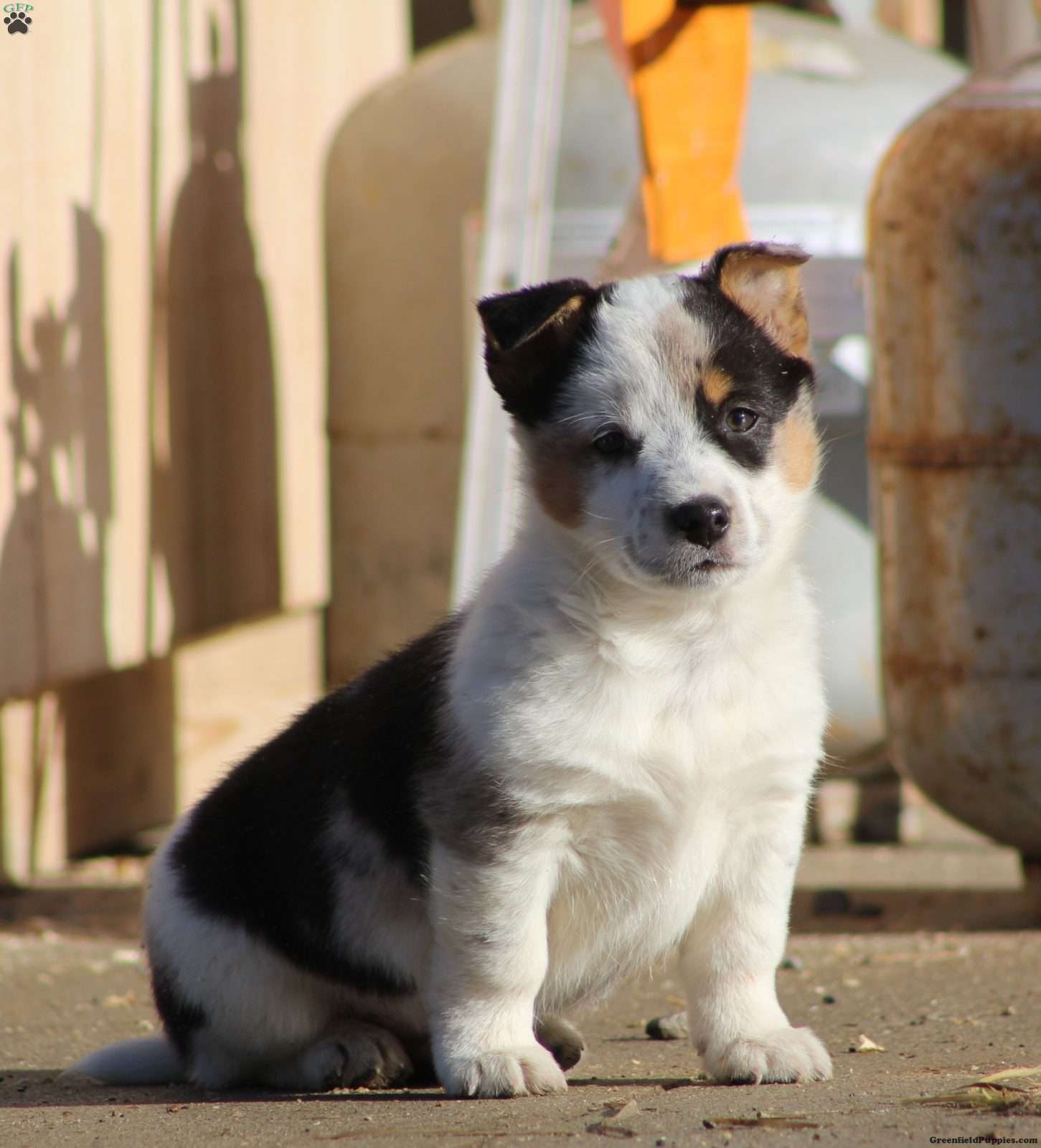
Because Puggles are a crossbreed, each puppy can be a little different. Some look more like a Beagle, while others take after the Pug. Most Puggles have a compact, muscular body, a wrinkled face, and expressive eyes. They often have a Beagle’s longer snout, which can help with breathing problems common in Pugs.
Puggles first appeared in the 1980s but became widely known in the early 2000s. Their popularity grew quickly because of their cute looks and fun-loving nature.
Puggle Appearance
Every Puggle is unique, but they share some common traits.
- Size: Most adult Puggles weigh between 18–30 pounds and stand 10–15 inches tall at the shoulder.
- Coat: Their short, smooth coat comes in a range of colors, including fawn, tan, black, lemon, and combinations like black and tan or white and tan.
- Face: Puggles often have a longer snout than a Pug, reducing breathing issues. Their ears are usually floppy and soft, like a Beagle’s.
- Body: Compact and sturdy, with a slightly longer body than a Pug and a curly or straight tail.
Puggle Vs. Parent Breeds
Here’s a comparison of the Puggle with its parent breeds:
| Trait | Pug | Beagle | Puggle |
|---|---|---|---|
| Size | 14–18 lbs | 20–30 lbs | 18–30 lbs |
| Height | 10–13 in | 13–15 in | 10–15 in |
| Snout Length | Short (flat-faced) | Medium (longer) | Medium |
| Coat Colors | Fawn, Black | Tri-color, Lemon, Red & White | Fawn, Tan, Black, Mixes |
Because Puggles are not purebred, their looks can vary—even within the same litter.
Puggle Personality And Temperament
Most Puggles are known for being friendly, playful, and loving. They usually get along well with children and other pets, making them great family dogs. Here’s what you can expect:
- Affectionate: Puggles love to be around people. They enjoy cuddling and often follow their owners from room to room.
- Social: They’re usually welcoming to strangers and other animals. Aggression is rare.
- Energetic: With the Beagle’s energy, Puggles like to play, walk, and explore. They need daily exercise to stay happy.
- Intelligent: Quick learners, but sometimes a bit stubborn. They respond well to positive, reward-based training.
- Vocal: Some Puggles bark or howl, especially if they take after the Beagle. Early training helps control this.
Non-obvious Insights
Many new owners are surprised by the Puggle’s curiosity and strong sense of smell, inherited from the Beagle side. This can lead to “nose-driven” behavior, like following scents or trying to escape the yard. It’s wise to keep your Puggle on a leash or in a secure, fenced area during walks.
Another point: Puggles can sometimes suffer from separation anxiety. They don’t like being alone for long periods and may become destructive if bored or lonely. Puzzle toys and regular activity can help.
Exercise Needs
Puggles are more active than Pugs but a bit less intense than Beagles. They need at least 30–60 minutes of exercise daily. This can include:
- Walks: Two 20-minute walks per day are ideal.
- Playtime: Fetch, tug-of-war, or chasing toys.
- Mental Stimulation: Puzzle games, training sessions, or scent games.
If their exercise needs aren’t met, Puggles may bark, chew, or dig out of boredom.
Common Mistakes
One mistake owners make is underestimating the Puggle’s energy level. While they enjoy cuddling, they are not couch potatoes. Skipping daily walks can lead to weight gain and behavioral issues.
Credit: www.pmkduesseldorf.de
Training Your Puggle
Puggles are smart and eager to please, but they can be stubborn, especially if they catch an interesting scent. Here’s how to train them effectively:
- Start Early: Begin socialization and basic commands as a puppy.
- Use Positive Reinforcement: Treats, praise, and play work best. Avoid harsh corrections.
- Keep Sessions Short: Five- to ten-minute sessions work well. Puggles can lose focus if training is too long.
- Be Patient: Consistency is key. Some Puggles are slower to house-train due to stubbornness.
- Leash Training: Because of their Beagle heritage, Puggles may pull on the leash. Use a harness and reward calm walking.
Practical Example
If your Puggle starts barking at strangers on walks, redirect their attention with a treat before they bark. Over time, reward them for calm behavior around new people.
Puggle Health And Lifespan
Puggles are generally healthy, but they can inherit health issues from either parent breed. The average lifespan is 10–15 years.
Common Health Problems
- Hip Dysplasia: A joint problem that can cause pain and limping.
- Brachycephalic Syndrome: Breathing issues if the snout is too short, though less common than in pure Pugs.
- Ear Infections: Their floppy ears can trap moisture, leading to infections.
- Obesity: Puggles love food and can quickly become overweight.
- Allergies: Skin or food allergies are possible.
Data Snapshot: Puggle Health Concerns
| Health Issue | Chance | Prevention/Treatment |
|---|---|---|
| Obesity | High | Diet, Exercise |
| Ear Infections | Moderate | Regular Cleaning |
| Hip Dysplasia | Low–Moderate | Weight Control, Vet Checks |
| Breathing Issues | Low–Moderate | Monitor Activity, Avoid Overheating |
Tips For A Healthy Puggle
- Visit the vet annually for checkups.
- Clean their ears weekly to prevent infections.
- Watch their weight—feed measured portions, not free feeding.
- Brush their coat to reduce shedding and check for skin problems.
Non-obvious Insight
Some Puggles inherit the Pug’s sensitive skin, which can react to shampoos or even grass. Using a gentle, hypoallergenic shampoo and wiping their paws after walks can help avoid rashes.
Grooming And Maintenance
Puggles have a short, double-layer coat that sheds year-round, with heavier shedding in spring and fall. Grooming is simple but important:
- Brushing: Once or twice a week with a rubber brush removes loose hair.
- Bathing: Every 4–6 weeks, or as needed.
- Nail Trimming: Every 3–4 weeks to avoid overgrowth.
- Ear Cleaning: Once a week to prevent infections.
Puggles don’t require haircuts. But regular brushing helps control shedding, especially in warmer months.
Shedding Level Comparison
| Breed | Shedding Level |
|---|---|
| Pug | High |
| Beagle | Moderate |
| Puggle | Moderate–High |
Tip: Use a pet hair remover on furniture and clothing, as Puggles shed more than you might expect for a small dog.
Feeding And Nutrition
A Puggle needs a balanced diet to stay healthy and avoid obesity. Most adult Puggles eat 1 to 1. 5 cups of high-quality dry dog food per day, divided into two meals. The exact amount depends on their age, size, and activity level.
Key Nutrition Tips
- Choose food with meat as the first ingredient.
- Avoid foods with too many fillers (corn, soy, by-products).
- Watch the calorie count—Puggles gain weight easily.
- Fresh water should always be available.
Treats And Human Food
Use treats for training, but keep them small. Avoid sharing table scraps, as Puggles are good at begging and may develop unhealthy habits.
Non-obvious Insight
Puggles can be sensitive to certain foods, especially wheat or chicken. If your Puggle has itchy skin or frequent stomach upsets, consider switching to a grain-free or limited-ingredient diet. Always transition to new foods slowly to avoid digestive problems.
Living With A Puggle
Puggles adapt well to different homes—apartments, houses, or condos—if their exercise needs are met. Here’s what daily life is like:
- Family Dogs: Puggles love kids and are gentle playmates. They’re not big enough to knock over small children, but active supervision is wise.
- Other Pets: Most Puggles get along with other dogs and cats, especially if raised together.
- Alone Time: They prefer not to be left alone for more than 4–6 hours. If you work long hours, consider a pet sitter or dog walker.
Common Mistakes
Don’t overlook the Puggle’s Beagle instincts. They may try to escape the yard or eat things they shouldn’t. Keep fences secure and watch for chewing, especially as puppies.
Puggle Puppies: What To Expect
Bringing home a Puggle puppy is exciting, but it takes preparation. Here’s what you need to know:
Puppy Development
- Birth to 8 Weeks: Puggle puppies need to stay with their mother until at least 8 weeks old. They learn social skills from their littermates.
- 8 to 12 Weeks: This is the best time for adoption. Puppies should start gentle training and socialization.
- 3 to 6 Months: Teething starts. Puppies may chew on everything. Provide safe chew toys.
- 6 to 12 Months: Adolescence. Some Puggles become stubborn or “forget” commands. Stay consistent with training.
Socialization
Expose your puppy to different people, pets, sounds, and environments. Well-socialized Puggles grow into confident, friendly adults.
Vaccinations And Vet Care
Puggles need the same core vaccines as other dogs: distemper, parvo, rabies, and leptospirosis. Ask your vet about the best schedule.
Non-obvious Insight
Puggle puppies can be slow to house-train, sometimes taking longer than other breeds. Crate training and a regular potty schedule help prevent accidents.
Finding A Reputable Breeder Or Rescue
If you decide to get a Puggle, choose a source that puts the dog’s health first.
Breeder Checklist
- Health Testing: Good breeders test both parents for common health problems.
- Clean Facilities: Visit the kennel and meet at least one parent dog.
- References: Ask for testimonials from previous buyers.
- No Early Separation: Puppies should stay with their mother until at least 8 weeks old.
Adoption Option
Many Puggles need homes. Check local shelters or breed-specific rescues. Adoption can be rewarding and may include older dogs that already know basic commands.
Common Mistake
Avoid buying from pet stores or online sellers who can’t provide health records or let you meet the puppy’s parents. These sources may support puppy mills.
Is A Puggle Right For You?
A Puggle can be a wonderful companion, but they’re not for everyone. Consider these points:
- Great For: Families, singles, seniors, first-time dog owners.
- Not Ideal For: People who are away all day, or those wanting a very quiet dog.
- Exercise Needs: Moderate—daily walks and playtime are necessary.
- Grooming Needs: Low to moderate—regular brushing and ear cleaning.
- Training: Easy to moderate, but needs patience and consistency.
Lifestyle Fit
If you want a friendly, playful, and loving dog that enjoys both cuddles and activity, a Puggle could be a perfect match. If you need a guard dog or want a breed that’s always calm and quiet, consider other options.
Puggle Myths And Misunderstandings
Some people believe all Puggles are hypoallergenic or non-shedding. This is not true—most shed a fair amount. Others think Puggles are always healthy because they’re a crossbreed. While they may have fewer problems than some purebreds, they still need regular vet care.
Another myth is that Puggles are “lap dogs” only. While they love attention, they also need regular activity and mental stimulation. Without it, they can develop bad habits.
Real-world Experiences: Owners Share
Many Puggle owners say their dogs are “the best of both worlds”—fun like a Beagle, loving like a Pug. Here are a few real-life stories:
- Megan from Ohio: “Our Puggle, Daisy, greets everyone with a wagging tail. She loves playing fetch with the kids but is just as happy snuggling on the couch in the evening.”
- Kevin from California: “I didn’t expect my Puggle to be so curious! He’ll sniff every inch of the park. We had to make our fence higher because he tried to dig out.”
- Maria from Texas: “Charlie is my first dog. The puppy stage was tough—lots of chewing! But he’s smart and learned commands quickly. He’s a great fit for my apartment.”
How Puggles Compare To Other Designer Breeds
You might wonder how Puggles stack up against other popular mixes like the Labradoodle or Goldendoodle. Puggles are smaller, require less grooming, and adapt better to apartment living. They’re also more affordable and widely available.
If you want a small-to-medium dog that’s active, loving, and relatively easy to care for, the Puggle stands out among designer dogs.
Puggle Costs: Budgeting For Your Dog
Owning a Puggle involves upfront and ongoing expenses. Here’s what you need to consider:
Initial Costs
- Puppy Price: $800–$2,000 from a reputable breeder. Adoption is usually $100–$400.
- Supplies: Crate, bed, leash, collar, toys ($200–$400).
- Vaccinations and Vet Visits: $100–$300 for the first year.
Ongoing Costs
- Food: $30–$50 per month.
- Grooming: DIY or $30–$50 every few months for nail trims or ear cleaning.
- Vet Care: Annual checkups ($100–$200), plus possible emergencies.
- Training Classes: Optional, $100–$200 for group lessons.
Non-obvious Insight
Pet insurance can help offset unexpected vet bills. Puggles are not the most expensive breed to insure, but plans and prices vary widely.

Credit: www.pmkduesseldorf.de
Tips For A Happy, Healthy Puggle
- Exercise daily. Even a short walk and play session will help prevent behavioral issues.
- Keep their mind busy. Rotate toys, teach new tricks, and use puzzle feeders.
- Brush their coat. Regular grooming keeps shedding down and skin healthy.
- Watch their weight. Use a measuring cup for food and limit treats.
- Socialize early. Positive exposure to people and pets helps prevent shyness or aggression.
- Visit the vet. Annual checkups catch health issues early.
- Be consistent. Routine helps Puggles feel secure and reduces anxiety.
Frequently Asked Questions
How Big Do Puggles Get?
Most adult Puggles weigh between 18 and 30 pounds and stand 10 to 15 inches tall at the shoulder. Size can vary depending on whether the Beagle parent was a smaller or larger variety.
Are Puggles Good For First-time Dog Owners?
Yes, Puggles are friendly, adaptable, and generally easy to train, making them a great choice for first-time dog owners. Just be ready for their playful energy and need for daily exercise.
Do Puggles Bark A Lot?
Some Puggles bark or howl, especially if they inherit the Beagle’s vocal tendencies. Early training and enough exercise help keep barking under control. They’re not as quiet as some breeds, but not the noisiest either.
Are Puggles Hypoallergenic?
No, Puggles are not hypoallergenic. They shed moderately to heavily and can cause allergies in sensitive people. Regular brushing and cleaning can help reduce dander.
Where Can I Learn More About Puggles?
For more information on designer breeds like the Puggle, you can visit the Wikipedia page on Puggles for history, care tips, and breed facts.
Living with a Pug Beagle Mix can be a rewarding experience. If you’re ready for an energetic, affectionate companion who loves both adventure and cuddles, a Puggle might be your perfect match. With the right care, training, and attention, your Puggle will be a loyal friend for years to come.

Credit: magazine.joovy.com

We’re the dedicated team behind MyPawSafe.com, with over a decade of combined experience in veterinary care, pet emergency response, and animal behavior. While we prefer to let our work speak for itself, our mission is clear: to provide science-backed, vet-approved advice that helps pet owners prevent accidents and save lives.