Clicker Training Basics For Beginners
Dog training can feel overwhelming for beginners. There are so many methods, tools, and opinions. But one approach stands out for its simplicity and effectiveness—clicker training. Whether you want to teach your dog basic manners or advanced tricks, clicker training gives you a clear, positive way to communicate with your pet. In this guide, you’ll discover exactly how clicker training works, why it’s so effective, and how you can start using it today—even if you’ve never trained a dog before.
Clicker training isn’t just for dogs. It can be used for cats, birds, horses, and even dolphins. However, most people start with their canine companions. This article will focus mainly on dogs but will also mention how the same ideas apply to other pets.
You’ll learn step-by-step instructions, practical tips, and common mistakes to avoid. By the end, you’ll have everything you need to start training with confidence.
What Is Clicker Training?
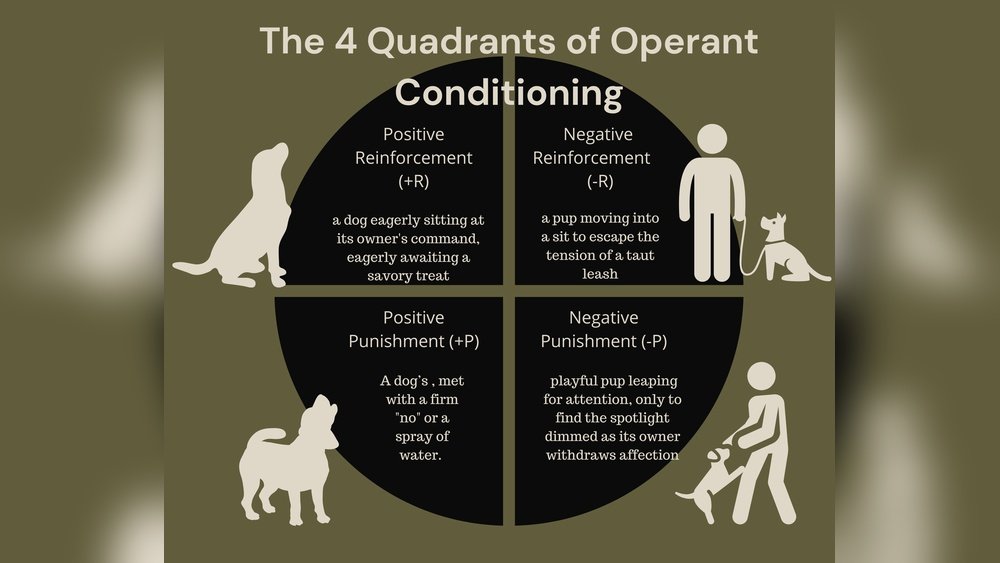
Clicker training is a type of positive reinforcement training. It uses a small device called a clicker to make a clear, consistent sound. The sound tells your dog exactly when they did something right. After the click, you give a reward (usually a treat or toy). Over time, your dog learns that the click means they did the correct behavior and a reward is coming.
The method is based on the science of operant conditioning. This means animals (including people) repeat behaviors that bring good results. The clicker helps your dog understand which behaviors you want. It’s like taking a picture of the exact moment your dog gets it right.
How The Clicker Works
The clicker itself is a simple tool. When you press it, it makes a quick, sharp click. This sound is different from your voice, so dogs don’t confuse it with normal talking. The click is always followed by a reward. Over time, your dog learns: “When I hear the click, good things happen.”
Why Not Just Use Your Voice?
People often ask, “Why not just say ‘good dog’? ” The answer is that your voice can change with mood, volume, or excitement. The clicker is always the same. It’s short, clear, and always means the same thing. This makes it easier for your pet to understand.
Benefits Of Clicker Training
Clicker training is popular with both professional trainers and pet owners. Here are some reasons why it works so well:
- Clarity: The click pinpoints the exact moment your dog does the right thing. This helps your dog learn faster.
- Positive experience: Your dog enjoys training because it’s based on rewards, not punishment.
- Builds trust: Dogs trained with the clicker become more confident and eager to learn.
- No force needed: You don’t need to push, pull, or yell. The focus is on cooperation, not control.
- Flexible: Clicker training works for all ages, breeds, and even other animals.
- Easy for families: Kids can use the clicker and get good results, too.
Real-world Example
A study published in the Journal of Veterinary Behavior found that dogs trained with a clicker learned a new behavior in fewer repetitions compared to those trained with verbal praise alone. This means that clicker training can often speed up learning.
The Tools You Need To Start Clicker Training
Getting started is simple. You only need a few basic items:
- A clicker: These are sold at pet stores and online. Some have a button; others have a metal tongue that makes the sound.
- Treats: Use small, tasty pieces your pet loves. The reward must be special to your dog.
- A pouch or pocket: For easy access to treats during training.
- Leash and collar/harness (optional): Useful for keeping your dog close during early lessons.
Some trainers also use a target stick (a stick with a ball at the end) to teach advanced tricks, but this isn’t required for beginners.
Clicker Types Compared
Here’s a simple comparison of common clicker types:
| Clicker Type | Sound Volume | Best For | Drawbacks |
|---|---|---|---|
| Box Clicker | Loud | Outdoor, big dogs | Too loud for nervous pets |
| Button Clicker | Medium | Most dogs | Can be hard to press quickly |
| Soft Clicker | Quiet | Puppies, shy dogs | Harder to hear in noisy places |
If your pet is afraid of loud noises, start with a soft clicker or use a pen that makes a gentle click.
How To Start Clicker Training: Step-by-step Guide
Learning clicker training is easy, but you need to follow the right steps. Here’s how to get started, even if you’re completely new.
Step 1: Charge The Clicker
Before training behaviors, you must teach your dog that the click means a reward is coming. This is called charging the clicker.
- Sit with your dog in a quiet place.
- Click the clicker, then immediately give a treat.
- Wait a few seconds. Repeat: Click, treat.
- Do this about 10-20 times. Don’t ask your dog to do anything yet.
Your dog will soon look at you for a treat after each click. This shows they’ve made the connection.
Beginner insight: Many people skip this step, but it’s essential. Without charging the clicker, your dog won’t understand what the sound means.
Step 2: Choose A Simple Behavior
Pick an easy behavior to start with, like sit or touch my hand. This helps your dog succeed quickly.
- Wait for your dog to offer the behavior (for example, sitting).
- The moment your dog’s bottom touches the ground, click, then give a treat.
- Repeat several times.
If your dog doesn’t offer the behavior, you can use a treat to guide them (lure) at first.
Step 3: Add A Cue
Once your dog does the behavior often, add a word or hand signal (the cue).
- Say the cue (“sit”) right before your dog does the behavior.
- Click and treat when they do it.
- Repeat many times. Soon your dog will respond to the cue.
Step 4: Practice And Expand
Practice in short sessions (5-10 minutes). End while your dog is still interested. As your dog gets better, practice in new places with more distractions.
Non-obvious tip: Dogs don’t generalize well. A dog who sits in the kitchen may not sit at the park. Practice cues in different places for best results.

Credit: atom-arquitetura.pt
Using Rewards Effectively
The reward is what makes your dog want to repeat the behavior. But not all rewards are the same.
Choosing The Right Reward
- Use high-value treats—something your dog only gets during training (tiny bits of cheese, chicken, or special treats).
- For some dogs, toys or play are more rewarding than food.
- Change rewards to keep your dog excited.
Reward Timing
- Always click the instant your dog does the right behavior.
- Give the treat right after the click. Don’t delay—this helps your dog connect the reward to the behavior.
Reward Size And Frequency
- Use small treats so you can do many repetitions without making your dog full.
- At first, reward every correct behavior. Later, you can reward randomly, but always click for the correct behavior.
Teaching Basic Behaviors With Clicker Training
Let’s look at how to use clicker training for common behaviors. These examples will help you see the process in action.
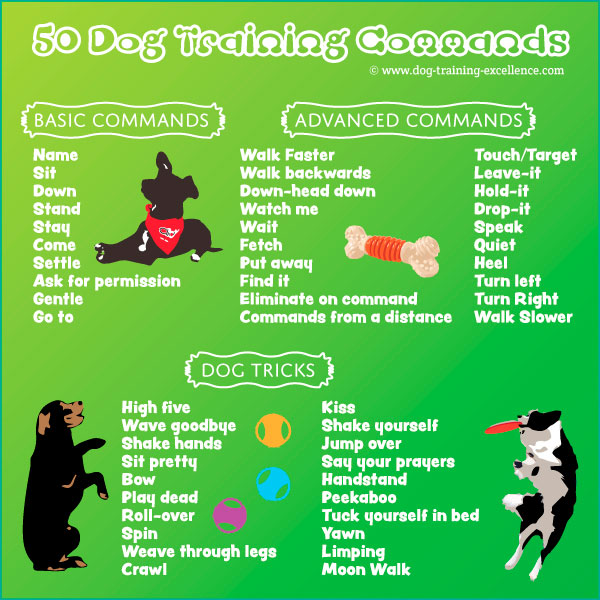
Teaching “sit”
- Stand in front of your dog with a treat.
- Move the treat above your dog’s nose. Most dogs will sit naturally.
- As soon as your dog’s bottom touches the floor, click, and give the treat.
- Repeat several times.
- Add the word “sit” right before you move your hand.
Teaching “down”
- Start with your dog sitting.
- Hold a treat at your dog’s nose, then slowly lower it to the ground between their paws.
- Most dogs will lie down to follow the treat.
- The instant they touch the ground, click and treat.
- Add the word “down” before the movement.
Teaching “touch”
- Hold your open hand near your dog’s nose.
- When your dog sniffs or touches your hand, click and treat.
- Add the word “touch” once your dog understands the game.
Practical insight: “Touch” is a useful behavior. You can use it to redirect your dog’s attention, move them away from distractions, or as a trick.
Shaping Vs. Luring: Two Key Techniques
Clicker training uses two main methods to teach new behaviors: shaping and luring. Knowing when to use each can make training faster and more fun.
Luring
Luring means using a treat to guide your dog into a position or action. For example, moving a treat above your dog’s head to encourage a sit. This is great for teaching simple behaviors.
- Pros: Quick results, easy for beginners.
- Cons: Dogs may become “treat dependent” if you always lure.
Shaping
Shaping means rewarding your dog for small steps toward a final behavior. For example, if you want your dog to roll over, you first reward them for lying down, then for turning their head, then for rolling on their side, and so on.
- Pros: Teaches complex behaviors, builds problem-solving.
- Cons: Takes more patience and practice.
| Technique | Best For | How It Works | Example |
|---|---|---|---|
| Luring | Simple behaviors | Guide with treat | Teaching “sit” or “down” |
| Shaping | Complex behaviors | Reward small steps | Teaching “spin,” “roll over” |
Advanced tip: Shaping helps dogs learn to think and try new things. If your dog seems bored, try shaping a new behavior.
Common Mistakes And How To Avoid Them
Even experienced trainers make mistakes. Here are some common problems and how to fix them.
Clicking At The Wrong Time
The click must mark the exact moment your dog does what you want. If you click late, your dog may be confused about what earned the reward.
How to fix: Practice your timing. Watch your dog closely and click the instant they do the right thing.
Not Charging The Clicker
Skipping the step where you teach your dog the meaning of the click slows progress.
How to fix: Always charge the clicker before starting new behaviors.
Overusing The Clicker
The clicker is a teaching tool. Once your dog understands a behavior, you can use it less often. Some people click for every repetition, even when the dog knows the behavior well.
How to fix: Start fading the clicker once your dog performs reliably. Use praise or treats alone for known behaviors.
Making Sessions Too Long
Dogs learn best in short, focused sessions. Long lessons can lead to frustration.
How to fix: Keep sessions short (5-10 minutes) and end on a positive note.
Ignoring Distractions
Dogs may obey perfectly at home but forget everything at the park.
How to fix: Practice in different places with increasing distractions. Use higher-value treats in tough situations.
Non-obvious insight: Dogs don’t “disobey” to annoy you—they may simply be distracted or confused. Stay patient and positive.
When To Fade The Clicker And Treats
Clicker training isn’t forever. Once your dog understands a behavior and responds to the cue, you can reduce (fade) the use of the clicker and treats.
Fading The Clicker
- Use the clicker only for new or difficult behaviors.
- For known behaviors, switch to praise or petting.
- Bring back the clicker for more advanced training or new tricks.
Fading Treats
- Start by rewarding every time.
- Then, reward only the best responses.
- Finally, reward randomly, so your dog never knows when a treat is coming.
This keeps your dog interested and willing to work, even without a treat every time.
Clicker Training For Common Problems
Clicker training isn’t just for tricks. It can solve many everyday problems.
House Training
Catch your dog going potty in the right place. Click and treat immediately. This helps your dog learn where to go.
Barking
Teach a “quiet” cue. When your dog stops barking, click and treat. This rewards silence rather than barking.
Jumping Up
Ask for a “sit” when people approach. Click and treat for sitting politely instead of jumping.
Walking Nicely On Leash
Click and treat when your dog walks beside you without pulling. This encourages calm walking.
Practical insight: Always reward the behavior you want, not the behavior you’re trying to stop.
Clicker Training For Other Animals
Clicker training isn’t just for dogs. Many other animals can learn with the same method.
- Cats: Use clicker training to teach high-fives, come when called, or stop unwanted scratching.
- Birds: Parrots can learn to step up, wave, or spin.
- Horses: Use the clicker for trailer loading, standing still, or tricks.
- Small pets: Rabbits, rats, and even fish can learn with a clicker.
The key is to find the right reward for each animal. For example, cats may prefer small bits of meat, while birds might like sunflower seeds.
Real-life Success Stories
Many pet owners have transformed their relationships with their pets using clicker training.
- Shelter dogs: Clicker training has helped shy, fearful dogs become adoptable by teaching them to approach people and respond to cues.
- Reactive dogs: Owners have used the clicker to reward calm behavior around triggers, helping dogs feel safer and more relaxed.
- Service dogs: Most service dog trainers now use clicker training to teach complex behaviors, from retrieving objects to opening doors.
Case study: A 2026 survey by the Association of Professional Dog Trainers found that 71% of members use clicker training as their primary method, reporting higher success rates and happier pets.

Credit: colibri-ways.com.ua
Troubleshooting: What If Clicker Training Isn’t Working?
Sometimes things don’t go as planned. Here’s how to handle common challenges.
My Dog Ignores The Clicker
- Make sure you’ve charged the clicker.
- Try higher-value treats.
- Check for distractions—train in a quiet place.
My Dog Is Afraid Of The Clicker
- Use a softer clicker.
- Muffle the sound with your hand or use a pen with a quiet click.
My Dog Gets Too Excited
- Use smaller treats.
- Slow down the session—give your dog a break between repetitions.
My Dog Only Works For Food
- Mix up rewards (toys, praise, play).
- Fade treats over time.
- Use real-life rewards (open the door, go for a walk) as part of training.
Advanced Clicker Training: Next Steps
Once you and your dog are comfortable with the basics, you can try more advanced training.
Chaining Behaviors
Teach your dog to do a sequence of actions in a row. For example, “fetch a toy, bring it, drop it. ” Each step is trained separately, then linked together with the clicker.
Target Training
Teach your dog to touch a target (like your hand or a stick) with their nose or paw. This is useful for agility, tricks, or guiding your dog to a specific place.
Distance And Duration
Train your dog to hold a behavior longer (duration) or do it farther away from you (distance). For example, a long “stay” or a “sit” from across the yard.
Proofing Behaviors
Practice with distractions, in different places, and with other people. This helps your dog respond in real-life situations.
Non-obvious tip: Don’t rush. Advanced behaviors are built on strong basics. If your dog struggles, go back to easier steps.
How Clicker Training Differs From Other Methods
Many traditional training methods rely on corrections or punishment. Clicker training focuses on rewarding good behaviors instead.
| Training Method | Uses Punishment? | Main Tool | Focus |
|---|---|---|---|
| Clicker Training | No | Clicker + rewards | Rewarding good behavior |
| Traditional Training | Often | Leash, collar | Correcting mistakes |
| Verbal Only | Sometimes | Voice, treats | Praise or scold |
Research shows that positive methods like clicker training lead to better learning, less fear, and a stronger bond between pets and owners. For more details, see this Wikipedia article on clicker training.
Tips For Success
- Be consistent: Always use the clicker the same way.
- Keep sessions short: Stop before your dog gets bored.
- Use great rewards: Make training exciting for your pet.
- Practice often: Many short sessions are better than one long one.
- Stay positive: Ignore mistakes and reward successes.
- Progress at your dog’s pace: Some dogs learn faster than others.
- End on a win: Finish sessions with an easy behavior and lots of praise.
Extra insight: Training is not just about obedience. It builds trust, confidence, and communication with your pet.
Credit: pacgenesis.com
Frequently Asked Questions
How Old Should My Dog Be To Start Clicker Training?
You can start clicker training as early as 8 weeks old. Puppies learn quickly, but older dogs can learn too. There is no age limit—senior dogs can benefit just as much as puppies.
Do I Always Need To Use Treats With The Clicker?
Treats are important at first, but you can use other rewards later. Toys, praise, or activities your dog loves (like a walk or playtime) work well. The key is to use something your dog finds valuable.
What If My Dog Is Afraid Of The Clicker Sound?
Try a softer clicker or muffle the sound with your hand. You can also use a quiet pen or a click from your tongue. The sound should be noticeable but not scary.
Can I Use Clicker Training For Problem Behaviors Like Aggression?
Clicker training can help with many problem behaviors, but aggression can be complex. It’s best to work with a professional trainer or behaviorist for safety. The clicker can be part of a larger behavior plan.
How Long Does It Take To See Results With Clicker Training?
Many dogs learn the meaning of the clicker in one or two short sessions. Simple behaviors can be taught in days, while complex tricks or problem behaviors may take weeks. The key is consistency and patience.
Training your dog with a clicker is more than teaching commands—it’s about building a joyful partnership. With practice, patience, and the right rewards, you’ll be amazed at what your pet can learn. Whether you want a well-mannered dog or a trick superstar, clicker training gives you the tools to succeed.
Enjoy the journey—your pet will thank you for it!
We’re the dedicated team behind MyPawSafe.com, with over a decade of combined experience in veterinary care, pet emergency response, and animal behavior. While we prefer to let our work speak for itself, our mission is clear: to provide science-backed, vet-approved advice that helps pet owners prevent accidents and save lives.