
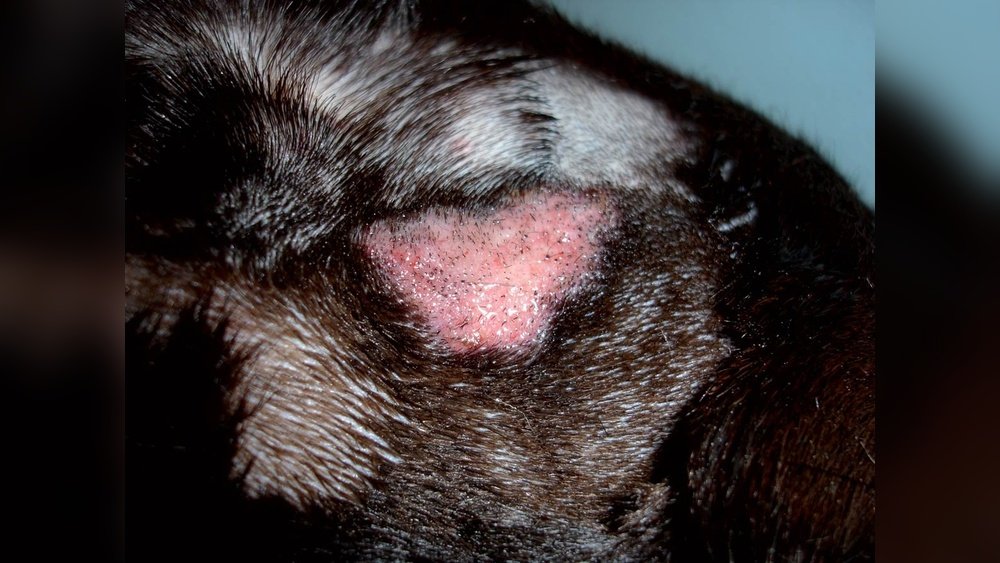
Dogs are more than just pets—they’re loyal friends and family members. When your dog’s skin becomes itchy, red, or develops odd bumps, it can be stressful for both of you. Skin infections in dogs are very common, but many owners don’t realize how varied and complex these problems can be. Some skin infections are mild and heal quickly, while others can become chronic or even life-threatening if left untreated. Recognizing the signs early and knowing what to do can make a big difference in your dog’s comfort and health.
Skin is the largest organ in a dog’s body. It acts as the first barrier against germs, parasites, and injury. But dogs are exposed to many things that can harm their skin: bacteria, fungi, parasites, allergies, and even their own habits (like licking or scratching). From the playful puppy rolling in the grass to the old dog snoozing on the porch, all are at risk of skin infections. This article will explore the most common skin infections in dogs, how to spot them, what causes them, and how to help your dog heal. Understanding these problems can empower you to care for your dog and prevent many issues before they start.
What Are Skin Infections In Dogs?
A skin infection is when germs (like bacteria, fungi, or parasites) invade the skin, causing inflammation and sometimes damage. Dogs have different skin layers, and infections can affect the surface or go deeper. Most dog skin infections are treatable, but some can get worse if ignored.
There are three main types:
- Bacterial infections – Caused by bacteria entering the skin, often after scratching or injury.
- Fungal infections – Caused by fungi or yeasts, often when the skin is moist or damaged.
- Parasitic infections – Caused by mites, fleas, or ticks that bite or burrow into the skin.
Each type has its own causes, symptoms, and treatments. Sometimes, more than one type can happen at the same time, making things more complicated.
Common Bacterial Skin Infections In Dogs
Pyoderma
Pyoderma is the most common bacterial skin infection in dogs. The word means “pus in the skin.” It usually starts when bacteria—mainly Staphylococcus pseudintermedius—enter the skin through a scratch or wound. Dogs with allergies, hormonal problems, or weak immune systems are more likely to get pyoderma.
Signs of pyoderma:
- Red bumps or pimples
- Pus-filled blisters
- Itching and licking
- Scaly or flaky skin
- Hair loss in patches
- Bad odor
Pyoderma can be superficial (surface only) or deep (affecting deeper layers). Most cases are superficial, but deep pyoderma is more serious and takes longer to heal.
Treatment involves:
- Antibiotics (oral or topical)
- Medicated shampoos
- Treating the underlying cause (allergy, parasite, etc.)
Owners sometimes miss early signs, thinking the dog just has a rash. But untreated pyoderma can spread or become resistant to antibiotics.
Hot Spots (acute Moist Dermatitis)
Hot spots are sudden, painful, moist patches on the skin. They often appear after a dog scratches or chews at an itch—sometimes from fleas, allergies, or even boredom. Bacteria quickly infect the area, and the spot grows larger in hours.
Common signs:
- Red, wet, oozing patch
- Loss of hair in the area
- Dog licking or chewing the spot constantly
- Bad smell
Hot spots are common in dogs with thick coats or in warm, humid weather.
Treatment:
- Clipping hair around the area
- Cleaning with antiseptics
- Topical or oral antibiotics
- Stopping the dog from licking (with a cone or covering)
Hot spots often look dramatic but heal quickly with treatment. However, they can be very painful, so quick action is important.
Fold Dermatitis
Some breeds with skin folds (like Bulldogs, Pugs, and Shar-Peis) get infections between the folds. Moisture and heat create the perfect place for bacteria to grow.
Symptoms:
- Red, raw, or smelly skin between folds
- Brownish or white discharge
- Itching or rubbing the area
Prevention is key—keeping folds dry and clean. Treatment usually involves topical antibiotics and regular cleaning.
Interdigital Cysts
Dogs sometimes get painful, red lumps between their toes—called interdigital cysts. These can be caused by bacterial infection, injury, or abnormal hair growth.
Signs:
- Swelling between toes
- Redness and pain
- Limping or licking the paw
Treatment includes antibiotics, soaking, and sometimes surgery. Owners often miss early signs, thinking it’s just a thorn or mild injury.
Common Fungal Skin Infections In Dogs
Ringworm (dermatophytosis)
Despite the name, ringworm is not caused by a worm. It’s a fungal infection, usually from Microsporum or Trichophyton species. Puppies and young dogs are most at risk, but any dog can get it. Ringworm is also contagious to humans and other pets.
Typical signs:
- Circular, hairless patches
- Red or scaly edges
- Mild itching
- Sometimes, darkened skin
Ringworm spreads easily through contact with infected animals, bedding, or soil.
Treatment:
- Antifungal creams or shampoos
- Oral antifungal medications for severe cases
- Cleaning the environment (bedding, brushes)
Ringworm can be hard to clear, as spores can survive in the environment for months.
Yeast Dermatitis (malassezia)
Malassezia is a type of yeast that lives on dog skin. Sometimes, it grows out of control—especially in dogs with allergies, oily skin, or hormonal diseases.
Symptoms:
- Greasy, smelly skin (sometimes described as “musty”)
- Redness and itching
- Thickened, darkened skin (especially in armpits, ears, groin)
- Ear infections
Treatment:
- Medicated antifungal shampoos or wipes
- Oral antifungal drugs for severe cases
- Addressing underlying problems (allergies, hormone imbalance)
Yeast infections often come back unless the root cause is managed.
Common Parasitic Skin Infections In Dogs
Flea Allergy Dermatitis
Fleas are small insects that bite and feed on your dog’s blood. Some dogs develop allergic reactions to flea saliva, leading to intense itching and skin damage.
Signs:
- Constant scratching or biting, especially at the base of the tail
- Hair loss and red skin in the affected area
- Scabs and hot spots
Flea allergy dermatitis is the most common skin disease in dogs. Even a single flea bite can set off the reaction in sensitive dogs.
Treatment:
- Strict flea control (topical or oral medications)
- Treating the home environment (bedding, carpets)
- Soothing itchy skin with shampoos or medications
Missing just one month of flea prevention can lead to a major problem.
Mange (demodectic And Sarcoptic)
Mange is caused by tiny mites that live in or on the skin. There are two main types in dogs:
- Demodectic mange (Demodex): Usually affects puppies or dogs with weak immune systems. Causes patchy hair loss and mild itching.
- Sarcoptic mange (Scabies): Highly contagious and causes intense itching and crusty skin. Can spread to humans.
Symptoms:
- Hair loss, especially around eyes, mouth, and legs
- Red, scaly, or crusty skin
- Scratching or restlessness
Treatment:
- Medicated dips or oral medications to kill mites
- Treating all pets in the home if scabies is present
- Cleaning bedding and environment
Mange can be tough to diagnose, as mites are hard to see. A skin scraping by a vet is needed for confirmation.
Tick-borne Skin Problems
Ticks attach to the skin and feed on blood. Some dogs get local skin infections at the bite site, while others may develop diseases like Lyme disease or ehrlichiosis.
Signs:
- Swelling or redness where the tick bit
- Scabs or sores
- General signs of illness (fever, lethargy)
Removing ticks quickly and using preventatives helps lower risk.
Less Common But Important Skin Infections
Fungal Deep Skin Infections (blastomycosis, Histoplasmosis)
Some fungi, found in soil, can infect dogs through wounds or inhalation. These deep fungal infections can cause skin sores, lumps, and even systemic illness.
Symptoms:
- Draining sores or nodules
- Non-healing wounds
- Fever or weight loss
These infections are rare but serious. Treatment needs long courses of antifungal drugs and close monitoring.
Puppy Pyoderma
Young puppies can get a special type of superficial skin infection called puppy pyoderma. It often looks like small pimples on the belly, which can burst and crust.
Usually mild, it often clears with gentle cleaning and time, but sometimes needs antibiotics.
Anal Sac Infection
Dogs have small sacs near the anus. If these become blocked, they can get infected and burst, causing swelling, pain, and a bad smell.
Signs include:
- Scooting or licking the rear
- Swelling near the anus
- Oozing pus or blood
Treatment involves draining, antibiotics, and sometimes surgery.
Key Factors That Make Dogs Vulnerable
Some dogs are more likely to get skin infections than others. Knowing these risk factors can help you prevent future problems.
- Breed: Dogs with skin folds (like Bulldogs), long ears (like Cocker Spaniels), or thick coats (like Huskies) are at higher risk.
- Allergies: Dogs with food or environmental allergies often scratch or bite their skin, allowing germs to enter.
- Hormonal Issues: Low thyroid, Cushing’s disease, or diabetes can weaken skin defenses.
- Age: Puppies and old dogs have weaker immune systems.
- Climate: Hot, humid environments encourage bacteria, yeast, and parasites.
- Poor Grooming: Dirty or matted hair traps moisture and germs.
- Other Illnesses: Dogs with cancer or on immune-suppressing drugs are more at risk.
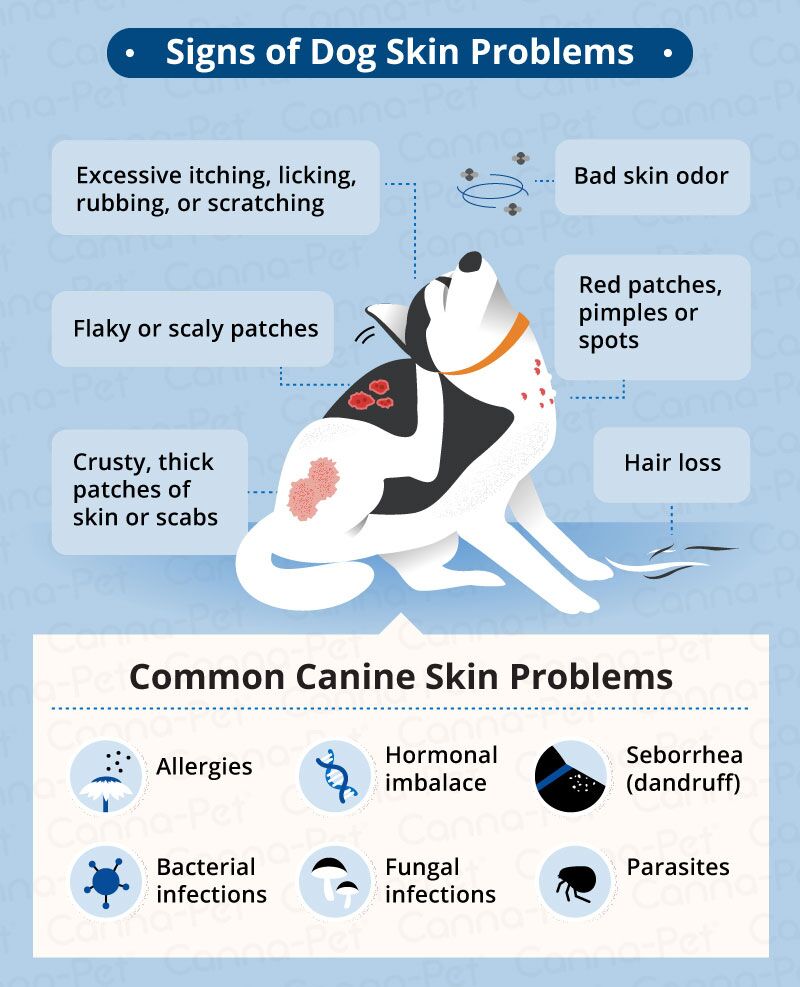
Spotting Skin Infections: Signs To Watch For
Early detection is crucial for treating skin infections. Sometimes owners miss early signs, thinking they’re just “normal dog things.” Here’s what to look for:
- Itching or scratching more than usual
- Redness or swelling
- Bumps, blisters, or pimples
- Hair loss (especially in patches)
- Scabs, crusts, or sores
- Foul odor from the skin
- Oozing or pus
- Licking, chewing, or rubbing parts of the body
- Thickened, darkened, or greasy skin
- Changes in behavior: Irritability, restlessness, or hiding
Some infections, like deep pyoderma or mange, can also cause fever or lethargy.
Diagnosing Skin Infections
A proper diagnosis is the key to effective treatment. Vets use a combination of history, physical exam, and special tests to find out what’s wrong.
Common diagnostic methods:
- Skin scraping: Collecting cells or mites from the skin surface, usually for mange.
- Cytology: Looking at skin cells under a microscope to check for bacteria, yeast, or inflammation.
- Fungal culture: Growing a sample to test for ringworm.
- Bacterial culture and sensitivity: Growing bacteria to see which antibiotics work best.
- Biopsy: Removing a small piece of skin for in-depth study, especially if cancer or deep infection is suspected.
- Blood tests: To check for underlying diseases (like thyroid or Cushing’s).
Many owners don’t realize that the same symptoms can have different causes. For example, hair loss and scabs could be from bacteria, fungus, or mites. Testing is the only way to know for sure.
How Skin Infections In Dogs Are Treated
Treatment depends on the type of infection and any underlying issues. Sometimes, more than one treatment is needed.
Medications
- Antibiotics for bacterial infections (oral, topical, or both)
- Antifungals for yeast or ringworm (creams, shampoos, or oral drugs)
- Anti-parasitics for mange, fleas, or ticks (spot-ons, oral, or injectable)
- Steroids or other anti-inflammatories to reduce itching and swelling (in some cases)
Cleaning And Home Care
- Medicated shampoos: Help remove germs and soothe the skin
- Wound cleaning: For hot spots or open sores
- Ear cleaning: If ear infections are present
- Preventing licking or scratching: Using cones or special clothing
Addressing Underlying Causes
- Allergy management: Changing diet, using allergy medications, or environmental changes
- Hormone therapy: If endocrine disease is involved
- Weight loss: Overweight dogs are more prone to certain skin issues
Preventing Spread
- Isolate contagious dogs (e.g., with ringworm or scabies) from other pets and humans
- Disinfect bedding, toys, and brushes
- Regularly wash hands after touching infected areas
Follow-up
Owners often stop treatment too soon when the skin looks better, but infections can return. Follow your vet’s advice and finish all medications, even if your dog seems healed.
Home Remedies: What Works And What To Avoid
Many pet owners try home remedies for dog skin infections. While some can help mild cases or support healing, others can make things worse.
Helpful home care:
- Washing with gentle, vet-recommended shampoos
- Keeping skin dry and clean
- Applying cool compresses to itchy areas
What to avoid:
- Using human creams or medications (like hydrocortisone or antifungals) without vet advice
- Applying harsh chemicals (bleach, vinegar) to open sores
- Ignoring signs of infection that get worse or spread
Natural products like coconut oil or oatmeal baths may soothe mild irritation but do not treat infections.
Credit: canna-pet.com
Prevention: Keeping Your Dog’s Skin Healthy
Preventing skin infections is easier than treating them. Here are key steps for healthy skin:
- Regular grooming: Brush your dog to remove dirt and loose hair. Bathe as needed (not too often).
- Monthly parasite prevention: Use vet-approved flea, tick, and mite control.
- Clean bedding and living areas: Wash bedding weekly and keep sleeping areas dry.
- Check skin folds and ears: Dry and clean after baths or swimming, especially in breeds with folds.
- Balanced diet: Good nutrition supports skin health.
- Watch for allergies: Note any reactions to food, grass, or cleaning products.
- See the vet early: Don’t wait until skin problems are severe.
A common mistake is using over-the-counter parasite treatments or shampoos not designed for dogs, which can irritate the skin further. Always check with your vet.
Comparing Common Skin Infections In Dogs
Here is a summary of the main differences between the most common skin infections in dogs:
| Infection Type | Main Cause | Common Symptoms | Contagious? | Example Breeds at Risk |
|---|---|---|---|---|
| Pyoderma | Bacteria | Red bumps, pus, hair loss | No | All, especially allergic breeds |
| Hot Spots | Bacteria, moisture | Wet, oozing patch, pain | No | Long-haired, thick-coated dogs |
| Ringworm | Fungus | Round, hairless patches | Yes | Puppies, terriers, hunting breeds |
| Yeast Dermatitis | Malassezia yeast | Greasy, smelly, itchy skin | No | Allergic, wrinkled, or oily-skinned breeds |
| Mange | Mites | Hair loss, scabs, itching | Sometimes (scabies) | Puppies, immunocompromised dogs |
| Flea Allergy Dermatitis | Fleas (allergy) | Itching, hair loss, scabs | No | All, especially allergic breeds |

Credit: www.rvc.ac.uk
Data: Prevalence And Impact Of Skin Infections
Skin infections are one of the top reasons dogs visit the vet. Here’s a breakdown of how common these problems are:
| Skin Condition | Estimated Prevalence in Dogs | Notes |
|---|---|---|
| Pyoderma | 10–15% | Most common overall |
| Hot Spots | 5–10% | Higher in warm climates |
| Ringworm | 1–5% | More in puppies, kennels |
| Yeast Dermatitis | 10–12% | Often with allergies |
| Mange | 1–2% | Puppies most affected |
| Flea Allergy Dermatitis | 15–20% | Most common allergic skin disease |
These numbers show why skin infections are a major concern for dog owners and vets alike.
Cost And Time To Treat Skin Infections
Treating skin infections can be simple or expensive, depending on the cause and how early you catch it.
| Infection Type | Average Treatment Cost | Typical Duration | Recurrence Risk |
|---|---|---|---|
| Pyoderma | $100–$300 | 2–6 weeks | Medium |
| Hot Spots | $50–$150 | 1–2 weeks | Low if managed |
| Ringworm | $150–$400 | 4–12 weeks | High if not cleaned well |
| Yeast Dermatitis | $100–$250 | 2–8 weeks | High if allergies persist |
| Mange | $150–$500 | 3–8 weeks | Medium |
| Flea Allergy Dermatitis | $80–$200 | Ongoing | High if fleas return |
Costs depend on the vet, location, and severity. Early treatment is usually cheaper and more successful.
Real-world Example: Overlooked Signs Lead To Complications
A common situation: a Labrador Retriever named Max started licking his paws and losing hair on his belly. His owner thought it was just dry skin from winter. Over the next two weeks, Max developed red bumps, and patches of skin became thick and smelly. By the time Max saw the vet, he had both pyoderma and a yeast infection. The owner had used over-the-counter creams, which made things worse. With proper diagnosis, antibiotics, antifungals, and medicated baths, Max recovered—but treatment took two months and cost over $300. Early vet care and prevention could have saved time, money, and discomfort.
Non-obvious Insights For Dog Owners
Many owners don’t realize that:
- Chronic ear infections can be a sign of skin allergies or yeast problems elsewhere. If your dog’s ears are always dirty or smelly, check the skin too.
- Licking and chewing can be from pain (like arthritis), not just itch. Dogs may chew a sore joint, causing skin infection.
- Switching foods too quickly or feeding poor-quality diets can weaken skin defenses.
- Stress and boredom increase scratching and licking, raising infection risk.
- Home cleaning products, perfumes, or lawn chemicals can irritate dog skin and lead to secondary infections.
When To See A Vet
Don’t wait if you notice:
- Large areas of hair loss, redness, or sores
- Skin that smells foul or oozes pus
- Signs of pain, fever, or lethargy
- No improvement after a few days of home care
- Other pets or humans developing similar symptoms
Vets can give targeted treatment and advice. Delaying care often means a longer, more expensive recovery.
Frequently Asked Questions
What Is The Most Common Skin Infection In Dogs?
Pyoderma is the most common, caused by bacteria entering damaged skin. It often shows as red bumps, pimples, or areas of hair loss. Dogs with allergies or weakened immune systems are more at risk.
Are Dog Skin Infections Contagious To Humans?
Some, like ringworm and scabies, can spread to people, especially children or those with weak immune systems. Good hygiene and early treatment help prevent spread. Most bacterial or yeast infections are not contagious to humans.
How Can I Tell If My Dog Has A Skin Infection Or Just Allergies?
Skin infections often cause sores, pus, or bad smell, while allergies mainly cause itching and redness. However, allergies often lead to infections because scratching damages the skin. Only a vet can diagnose for sure.
Can I Use Human Creams Or Antibiotics On My Dog’s Skin?
No. Human products can be toxic or make infections worse. Always use vet-approved treatments. Some over-the-counter creams can delay healing or cause allergic reactions in dogs.
How Can I Prevent My Dog From Getting Skin Infections Again?
Regular grooming, monthly parasite prevention, a healthy diet, and prompt vet care for any skin changes are the best steps. Manage underlying problems (like allergies) and keep your dog’s living area clean and dry. For more, see the American Veterinary Medical Association’s guide: AVMA: Skin Problems in Dogs.
Caring for your dog’s skin takes attention and quick action when problems appear. By learning the signs and acting early, you can help your dog live a healthier, itch-free life. Remember, your dog relies on you to notice small changes and get help when needed.
With the right approach, most skin infections can be treated and prevented, keeping tails wagging and dogs happy.

Credit: todaysveterinarypractice.com

We’re the dedicated team behind MyPawSafe.com, with over a decade of combined experience in veterinary care, pet emergency response, and animal behavior. While we prefer to let our work speak for itself, our mission is clear: to provide science-backed, vet-approved advice that helps pet owners prevent accidents and save lives.